Hopes Rise for US-Iran Deal as Strait of Hormuz Shipping Crisis Eases
Signs of a possible accord to end months of conflict pushed oil prices to a near two-month low, with talks reportedly aimed at reopening the vital Strait of Hormuz to commercial shipping.
Commentary & Analysis ·
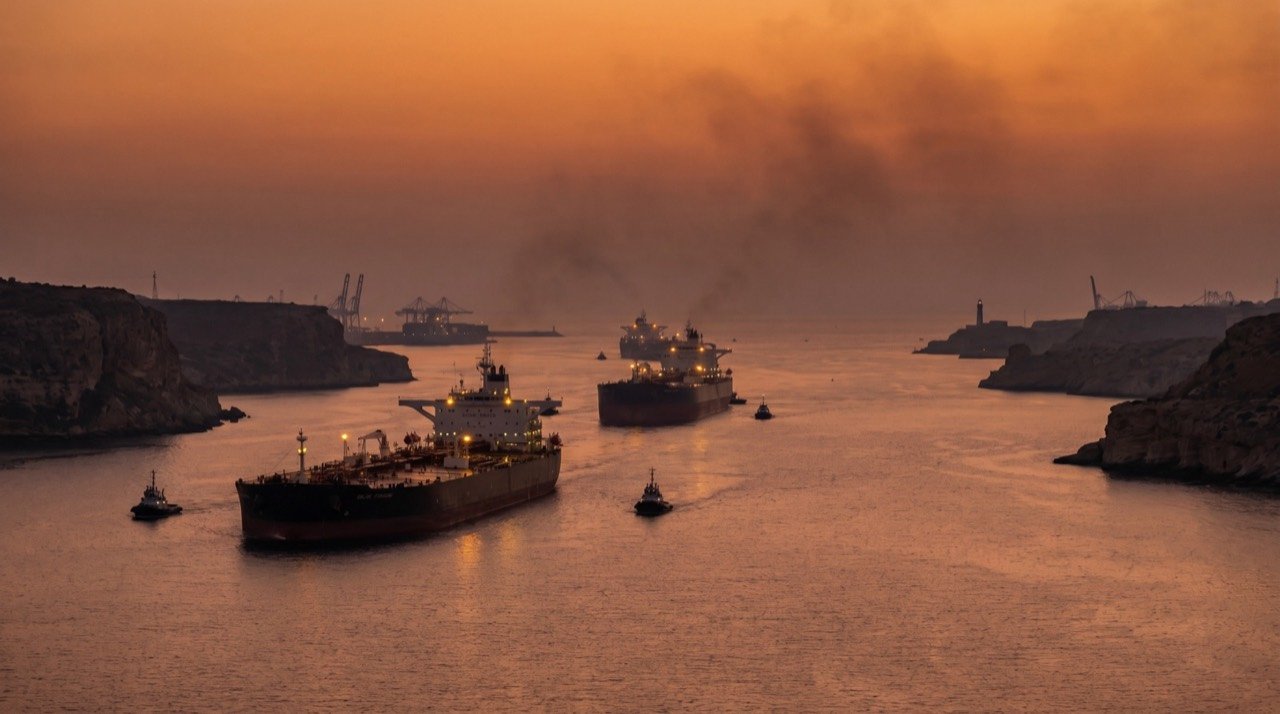
Diplomatic momentum toward ending the conflict between the United States and Iran gathered pace in mid-June, after the US president indicated that an agreement could be reached within days. The prospective deal was reported to centre on reopening the Strait of Hormuz to commercial vessels and securing Iranian commitments on its nuclear programme.
Signs of a possible accord pushed oil prices toward a near two-month low, reflecting how closely energy markets track tensions in the Gulf. After months of conflict, even tentative talk of a settlement was enough to ease fears of further disruption to one of the world's most important trade routes.
The Strait of Hormuz chokepoint
The strait, a narrow waterway connecting the Gulf to global markets, has been largely shut to safe transit since fighting erupted in late February. The disruption forced tankers and cargo ships to loiter on both sides of the chokepoint or reroute, tightening global energy supply and lifting freight costs.
The Strait of Hormuz is one of the most critical maritime chokepoints in the world, with a substantial share of seaborne oil passing through it. When passage becomes unsafe, the effects ripple far beyond the region, as vessels wait, divert around longer routes or avoid the area entirely, raising costs across global supply chains.
Markets respond to easing tensions
Brent crude slid toward the high-$80s a barrel on 12 June, its lowest level in nearly two months, as traders priced in a reduced risk of supply disruption. The fall in energy prices rippled through global equity markets and was felt acutely in oil-importing economies. Oil prices tend to carry a 'risk premium' during periods of conflict, and as the prospect of a deal grew, traders began unwinding some of that premium.
For oil-importing nations, including India, lower crude prices ease pressure on import bills, inflation and currency stability, making the prospect of a settlement consequential well beyond the immediate parties. The main threads of the developing situation include:
- Reported talks centred on reopening the Strait of Hormuz and securing Iranian nuclear commitments
- The strait largely shut to safe transit since fighting began in late February
- Brent crude sliding toward the high-$80s a barrel on 12 June, a near two-month low
- Ripple effects across global equity markets and oil-importing economies
Caution amid optimism
Analysts cautioned that any agreement would need to hold in practice before shipping returns to pre-conflict levels, given the months of brinkmanship between Tehran and Washington over the waterway. Diplomatic breakthroughs can be fragile, and markets often react to the prospect of a deal well before its terms are confirmed and implemented, leaving room for reversals if talks falter.
Outlook
The signs of progress mark a potential turning point after months of disruption, but the path from announced intent to restored shipping is rarely smooth. Whether the optimism translates into a durable settlement, and whether commercial traffic returns safely to the Strait of Hormuz, will determine how lasting the relief in energy markets proves to be.
The NE Times View
For India, no foreign-policy variable matters more day to day than the price of crude, and a calmer Hormuz is direct relief for the import bill, inflation and the rupee. New Delhi should welcome de-escalation while hedging: talks have collapsed before. Energy security demands diversified suppliers and routes, not dependence on any single chokepoint staying open.
This article is original commentary and analysis by The NE Times. Background facts were referenced from Reuters and CNBC.
You may also like to read

Fragile Israel-Iran Ceasefire Holds As Trump Pushes Towards Signed Peace Deal
After months of missile exchanges, Israel and Iran have suspended attacks under a conditional truce, with Washington claiming a formal peace agreement is now within reach.
India-Bound Vessels Cross Strait of Hormuz After US-Iran De-escalation
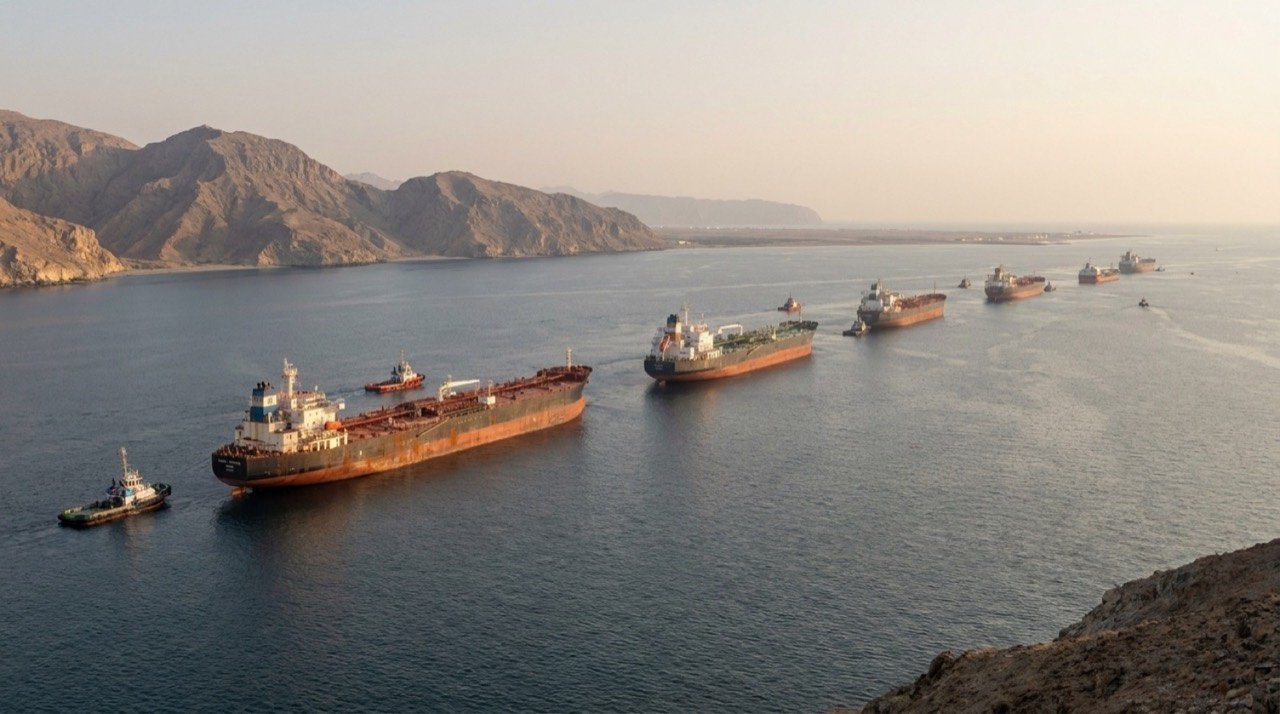
Tankers carrying oil, gas and fertiliser bound for India have crossed the Strait of Hormuz after signs of US-Iran de-escalation, easing immediate fears over a critical energy supply lane.
Iran-IAEA Inspection Standoff Tests Fragile Truce, With India Watching Its Energy Stakes
The UN nuclear watchdog insists inspectors will return to Iran's enrichment sites under an interim US-Iran deal, but Tehran says access waits for a final agreement, leaving Indian importers eyeing both oil flows and the Strait of Hormuz.

Most India-Bound Ships Switch Off Trackers in Hormuz Strait
Maritime intelligence data suggests nearly 62 percent of tankers and cargo vessels sailing from the Gulf to India have switched off tracking systems while crossing the Strait of Hormuz, signalling heightened risk perceptions in a vital energy corridor.
More from this section
More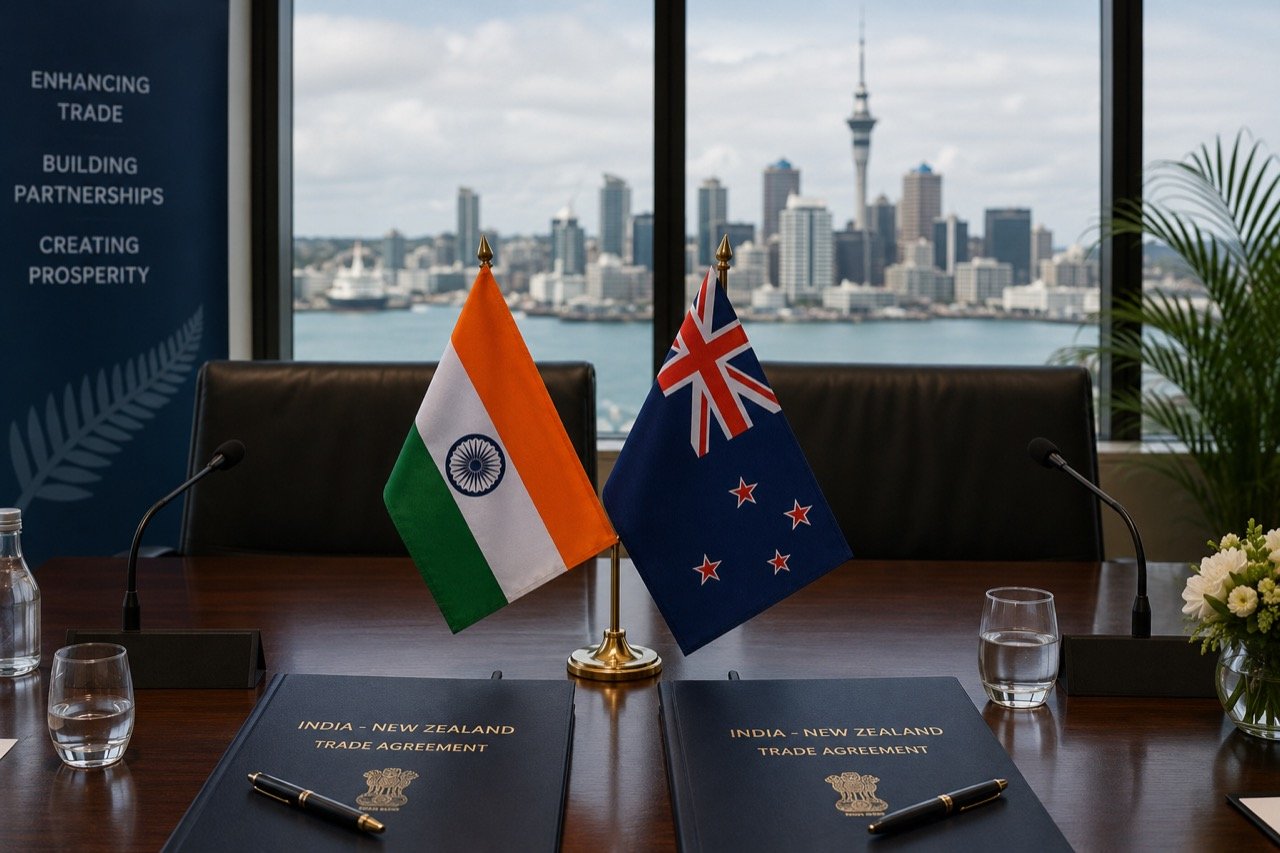
India-New Zealand Ties: Visit Plans Put FTA and Diplomacy in Focus
Reports of a planned high-level India-New Zealand engagement have revived attention on free trade talks, professional mobility and Indo-Pacific cooperation between two partners with clear room to grow.

Modi Greets Trump on US 250th Independence Day, Hails Partnership
Prime Minister Narendra Modi marked America's 250th Independence Day with a message to President Trump, saying the next 250 years should lift the India-US partnership to new heights.
India Watches Dhaka's China-Backed Teesta Plan as Stakes Rise
New Delhi is closely tracking Bangladesh's proposal to develop the Teesta river with Chinese assistance, a move that revives one of South Asia's most sensitive water-sharing disputes and tests regional strategic trust.