India-Bound Vessels Cross Strait of Hormuz After US-Iran De-escalation
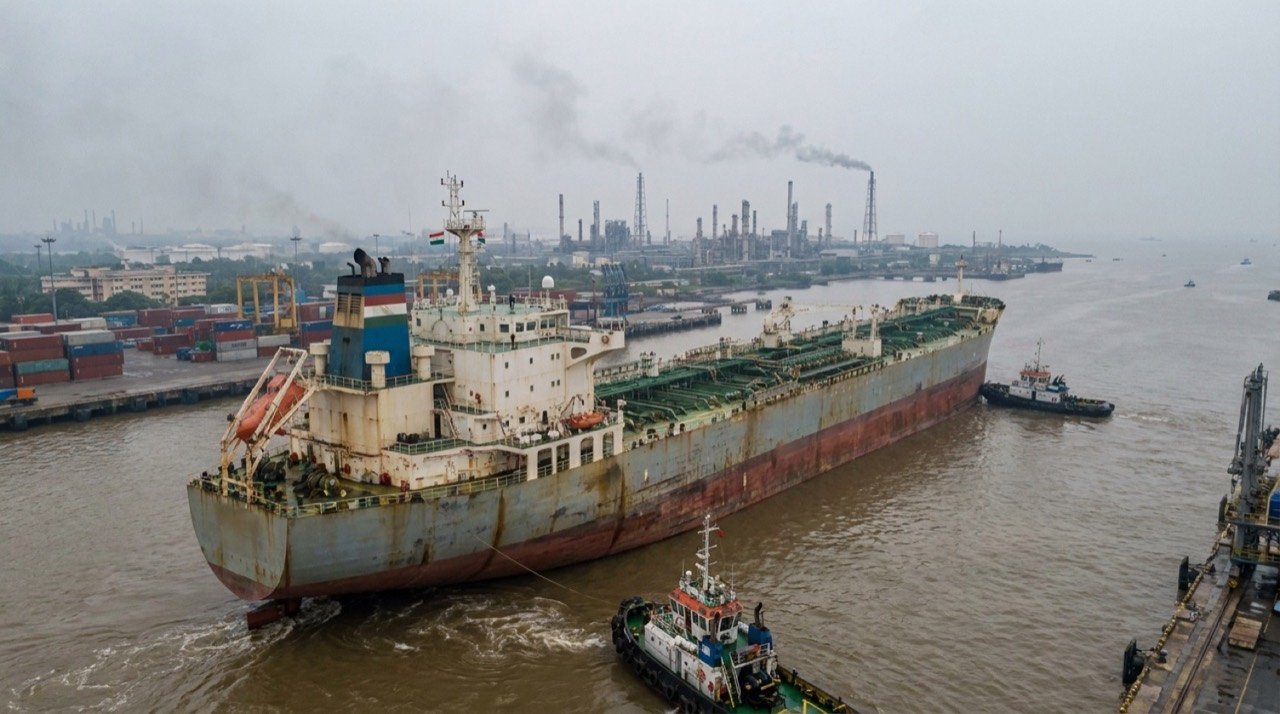
Tankers carrying oil, gas and fertiliser bound for India have crossed the Strait of Hormuz after signs of US-Iran de-escalation, easing immediate fears over a critical energy supply lane.
Commentary & Analysis ·
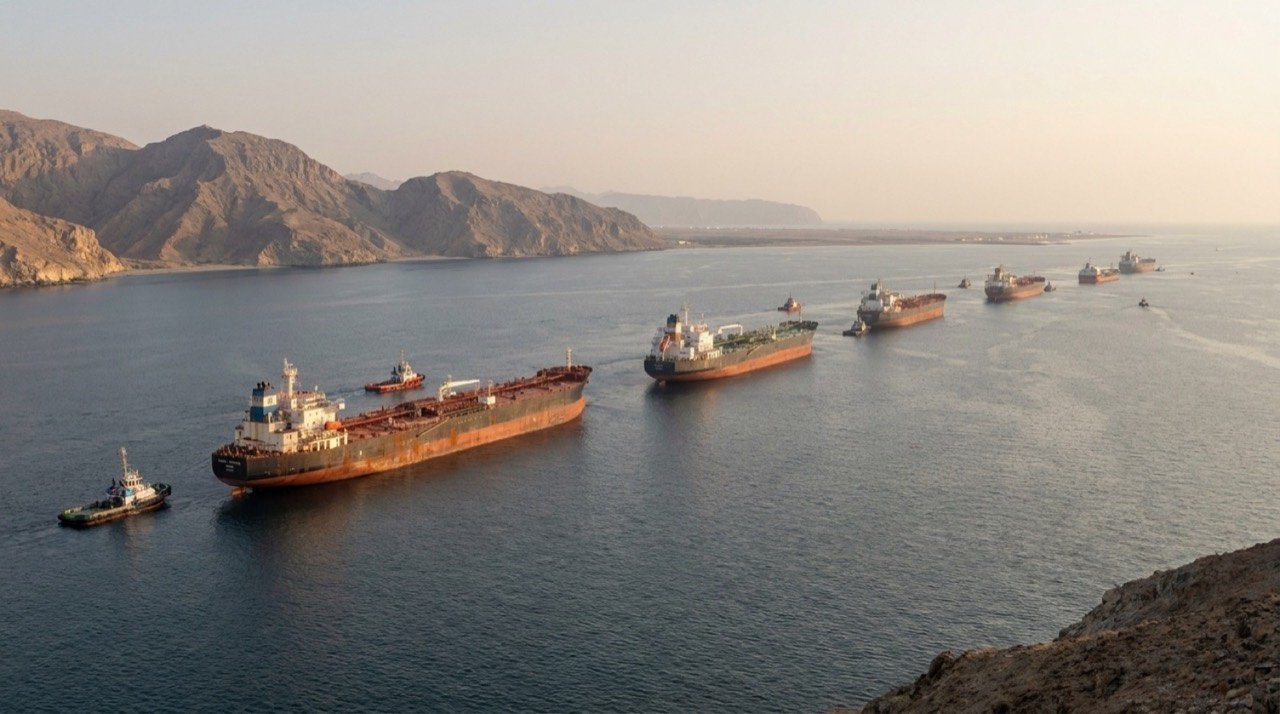
India-bound tankers carrying oil, gas and fertiliser cargoes have crossed the Strait of Hormuz after the United States and Iran signalled de-escalation, easing immediate fears over one of the world's most critical shipping lanes. The passage offers refiners, importers and policymakers a measure of relief after days of heightened anxiety over the route. For a country that imports the overwhelming majority of the crude oil and a substantial share of the liquefied natural gas it consumes, the safe transit of these vessels is not a minor logistical footnote. It is a signal, however provisional, that the immediate risk of supply disruption has receded, even as the underlying vulnerability that produced the anxiety in the first place remains firmly in place.
Why Hormuz commands such attention
The Strait of Hormuz is a narrow chokepoint through which a large share of global seaborne crude and liquefied natural gas passes. Its geography is unforgiving: a slender channel separating Iran from the Arabian Peninsula, with no meaningful alternative route for the volumes that transit it daily. For India, a major energy importer, disruption to the lane can ripple quickly through crude imports, LNG supplies, fertiliser inputs and freight costs, with knock-on effects for prices across the economy. This is why Indian officials and industry trackers had been monitoring the route closely as tensions rose, conscious that even a brief closure or a spike in insurance and shipping costs could complicate supply planning. Unlike many economic risks that build gradually, a Hormuz disruption can arrive within hours, leaving refiners and import planners very little time to adjust. That immediacy is precisely why any sign of tension in the region draws disproportionate attention from Indian markets, shipping desks and government departments alike, well before actual cargo flows are affected.
A short-term breather, not an all-clear
The latest passage of vessels does not remove the underlying geopolitical risk. Analysts caution that de-escalation signals can reverse, and that the structural exposure of energy importers to West Asian instability remains. What the development buys is time and predictability in the immediate term, rather than any durable resolution of the tensions that made the strait a source of concern in the first place. This distinction matters because it shapes how seriously the relief should be taken. A ship crossing safely today says nothing definitive about the ship scheduled to cross next week or next month. Diplomatic signals of de-escalation are, by their nature, reversible; they depend on political calculations in Washington and Tehran that can shift with little warning, and history in the region offers ample precedent for periods of calm giving way abruptly to renewed friction. Treating a single favourable news cycle as evidence that the risk has passed would be a misreading of how these situations typically unfold.
What is at stake for India
The route sits at the intersection of several of India's core economic concerns. The first is energy security and the steady flow of crude and LNG, which underpin everything from power generation to industrial output. The second is the management of inflation, which is sensitive to fuel prices; a sustained spike in crude costs or shipping insurance premiums would eventually find its way into the price of transport, manufactured goods and everyday household expenses. The third is the stability of fertiliser inputs ahead of the cropping season, a concern with direct bearing on agricultural output and rural incomes at a time when planting decisions are being made. The fourth is freight and insurance costs along the lane, which rise sharply during periods of heightened risk even when no actual disruption occurs, adding a quiet tax on trade that need not involve a single missed shipment. The fifth is longer-term supply-chain and diversification planning, the strategic work of reducing dependence on any single route or supplier that becomes urgent precisely during episodes like this one, only to lose momentum once the immediate scare fades.
The view from policymakers and industry
For refiners and fertiliser importers, the priority in moments like this is continuity of supply and predictability of cost, both of which are easier to plan around than outright disruption but still carry a burden. For policymakers, the calculus is broader: energy security sits alongside inflation control and fiscal considerations, since higher import costs can widen the trade deficit and pressure the currency. As The NE Times has noted in its own analysis, for India Hormuz remains central to energy security, inflation management and supply-chain planning. That three-part framing is a useful way to understand why a development in a strait thousands of kilometres from Indian shores can command such close domestic attention. It is not an abstract geopolitical curiosity; it is a direct input into the cost of fuel, the price of food, and the stability of the rupee, filtered through decisions taken far outside India's control.
The case for using this window well
The immediate worry has eased, but the episode is a reminder of how exposed India's energy and input supplies remain to events far from its shores. Policymakers are likely to use the breathing space to reinforce buffers and review diversification, even as they watch the diplomacy that made this passage possible. The practical question is whether this pause translates into concrete action, such as building deeper strategic petroleum reserves, deepening ties with alternative suppliers, or accelerating the diversification of shipping routes and contracts, or whether it simply allows attention to drift elsewhere until the next flashpoint forces the issue back onto the agenda. Episodes of this kind tend to follow a familiar pattern: a spike in concern, a partial resolution, a collective exhale, and then a gradual return to business as usual until the cycle repeats. Breaking that pattern requires treating the window of calm as an opportunity for structural work rather than as a reason to relax.
The NE Times View
The relief at the pumps should not be mistaken for safety. India imports the bulk of its crude through a chokepoint a single miscalculation could close, and each Gulf crisis exposes how thin our buffer remains. De-escalation buys time, not insurance. The sensible response is to treat this scare as a prompt to deepen strategic reserves and diversify supply routes, rather than exhaling and forgetting until the next flashpoint. The comfort of vessels passing safely today is real, but it is also temporary and contingent on decisions made by other governments for their own reasons. India's task is to use the interval this de-escalation provides to reduce, however incrementally, the degree to which its economy remains hostage to a single stretch of water and the politics that surround it.
Key takeaways
- India-bound tankers carrying oil, gas and fertiliser have safely crossed the Strait of Hormuz following signs of US-Iran de-escalation, easing near-term supply fears.
- The strait remains a critical chokepoint for India's crude and LNG imports, with direct implications for inflation, fertiliser supply and freight costs.
- Analysts caution that de-escalation signals are reversible, and the structural risk to energy importers from West Asian instability has not disappeared.
- The episode underscores India's exposure to distant geopolitical events and strengthens the case for deepening strategic reserves and diversifying supply routes.
- The NE Times View: this is a pause, not a guarantee, and policymakers should use the window to build resilience rather than relax vigilance.
You may also like to read
Most India-Bound Ships Switch Off Trackers in Hormuz Strait
Maritime intelligence data suggests nearly 62 percent of tankers and cargo vessels sailing from the Gulf to India have switched off tracking systems while crossing the Strait of Hormuz, signalling heightened risk perceptions in a vital energy corridor.
Hopes Rise for US-Iran Deal as Strait of Hormuz Shipping Crisis Eases
Signs of a possible accord to end months of conflict pushed oil prices to a near two-month low, with talks reportedly aimed at reopening the vital Strait of Hormuz to commercial shipping.
Fertiliser Ships Clear Strait of Hormuz, Easing India's Kharif Supply Worries
Four India-bound vessels carrying urea, DAP and sulphur have safely transited the Strait of Hormuz, offering short-term relief to kharif sowing plans amid West Asia tensions.
India's Russian Crude Imports May Hit Record June Share
India's Russian crude imports could touch a record high in June, with Moscow supplying nearly half of total purchases until June 20, as discounts and shifting supply reshape the energy basket.
More from this section
More
Adani Case: US DOJ Pushes for Permanent Dismissal of Charges
The US Department of Justice has urged a judge to permanently dismiss charges against Gautam Adani, calling the case legally flawed — a reversal with consequences for markets, diplomacy and cross-border enforcement.

Akasa Air Inducts 40th Aircraft in Indian Aviation Scale-Up
Akasa Air's 40th aircraft, ferried to Bengaluru via Seattle, Reykjavik and Cairo, marks a fleet milestone for the young carrier and a fresh signal that India's aviation market remains firmly in expansion mode.
BARC Ratings Suspension Leaves Indian TV Industry Flying Blind
BARC's pause on television ratings has put India's broadcast measurement system under fresh scrutiny, leaving broadcasters, advertisers and media planners without the weekly audience data that anchors the TV economy.