Fertiliser Ships Clear Strait of Hormuz, Easing India's Kharif Supply Worries
Four India-bound vessels carrying urea, DAP and sulphur have safely transited the Strait of Hormuz, offering short-term relief to kharif sowing plans amid West Asia tensions.
Commentary & Analysis ·
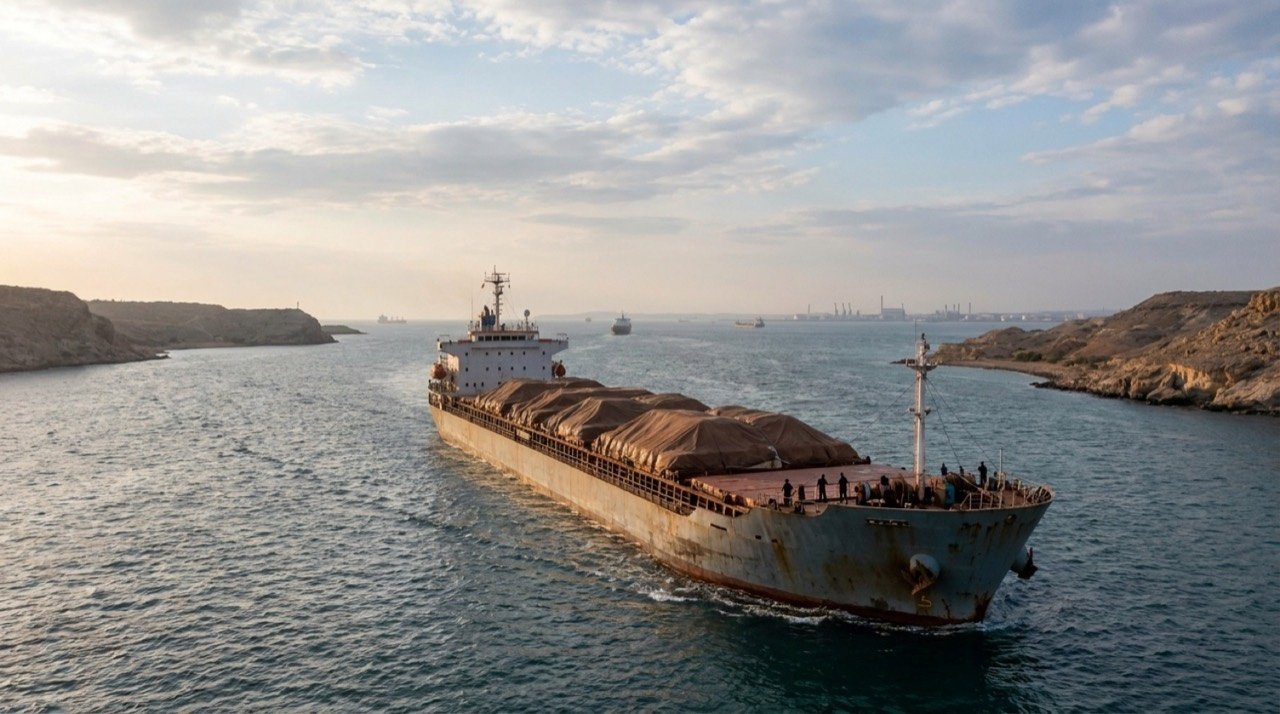
India's farm sector breathed a little easier this week after four India-bound vessels carrying fertiliser and raw materials cleared the Strait of Hormuz, the narrow shipping channel that has been under heightened watch during the latest round of West Asia tensions. The safe passage of the cargo, reported to total around 0.18 million tonnes, comes at a sensitive moment as farmers across the country prepare for the kharif sowing season.
What the cargo carries
According to reports citing the Ministry of Chemicals and Fertilisers, the consignment includes urea, di-ammonium phosphate (DAP) and sulphur. The ships are headed to the ports of Krishnapatnam, Kakinada, Paradeep and Mundra, spreading the supply across the eastern and western coasts so that distribution to farming heartlands can begin without a single bottleneck.
Officials indicated that the country's stock position is stronger than at the same point last year, helped by a combination of domestic production and steady imports. Fresh global tendering has secured additional urea as well as phosphatic and potassic fertilisers earmarked for the kharif months.
Why Hormuz matters to Indian farms
The Strait of Hormuz is one of the world's most strategically important waterways, and any disruption there ripples far beyond crude oil. Shipping insurance premiums, freight rerouting and delivery timelines for agricultural inputs can all be affected when tensions rise. For India, which relies heavily on imported fertiliser and raw materials, the timely movement of these cargoes is tied directly to sowing schedules, crop planning and the retail prices farmers ultimately pay.
A delayed shipment during the planting window can force farmers to alter crop choices or absorb higher input costs, with knock-on effects for food inflation. That is why the ministry's emphasis on a buffered stock position is intended to reassure both growers and markets.
The risks that remain
Safe passage of these four ships offers immediate relief, but logistics planners are not lowering their guard. The wider security situation in West Asia remains fluid, and a prolonged escalation could still raise insurance costs and complicate scheduling for future consignments. Port handling capacity and inland transport will also be tested as the cargo is unloaded and moved to distribution hubs.
- Roughly 0.18 million tonnes of fertiliser cleared the Strait of Hormuz
- Cargo includes urea, DAP and sulphur for the kharif season
- Destination ports: Krishnapatnam, Kakinada, Paradeep and Mundra
- Stock position reported stronger than the same period last year
- Fresh global tenders secured additional urea and PK fertilisers
“Domestic production and imports have helped maintain a stronger stock position than last year.”
— Ministry of Chemicals and Fertilisers (as reported)
For now, the focus shifts to keeping the supply chain moving smoothly from port to field. If global conditions hold steady and tendering continues at pace, India's kharif inputs look reasonably secured. But with the geopolitical backdrop unsettled, policymakers and the fertiliser industry will keep a close eye on Hormuz in the weeks ahead.
The NE Times View
Relief is real but fragile. Four vessels clearing Hormuz buys India a season, not security, given how much of its urea, DAP and sulphur still hinges on a single tense chokepoint. The lesson West Asia keeps repeating is that food security and geopolitics are inseparable. India's smarter hedge is faster progress on domestic nano-fertilisers, diversified sourcing and buffer stocks, before the next flashpoint coincides with sowing.
This article is original commentary and analysis by The NE Times. Background facts were referenced from Business Standard and PSU Watch.
You may also like to read
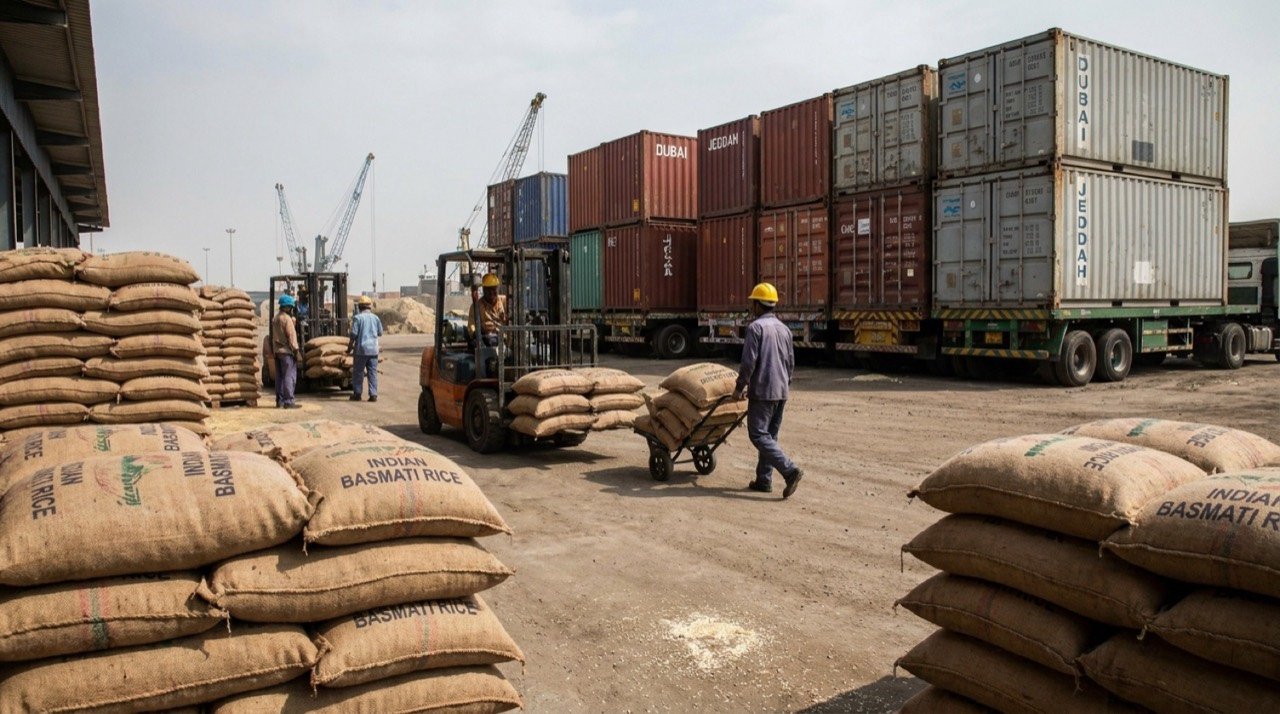
Basmati Export Rivalry Returns to Gulf Markets as Hormuz Shipping Fears Ease
As shipping anxiety around the Strait of Hormuz eases, Indian basmati exporters face renewed competition from Pakistan's 1121 varieties in Iran, the UAE and Saudi Arabia, with farm prices at home in the balance.
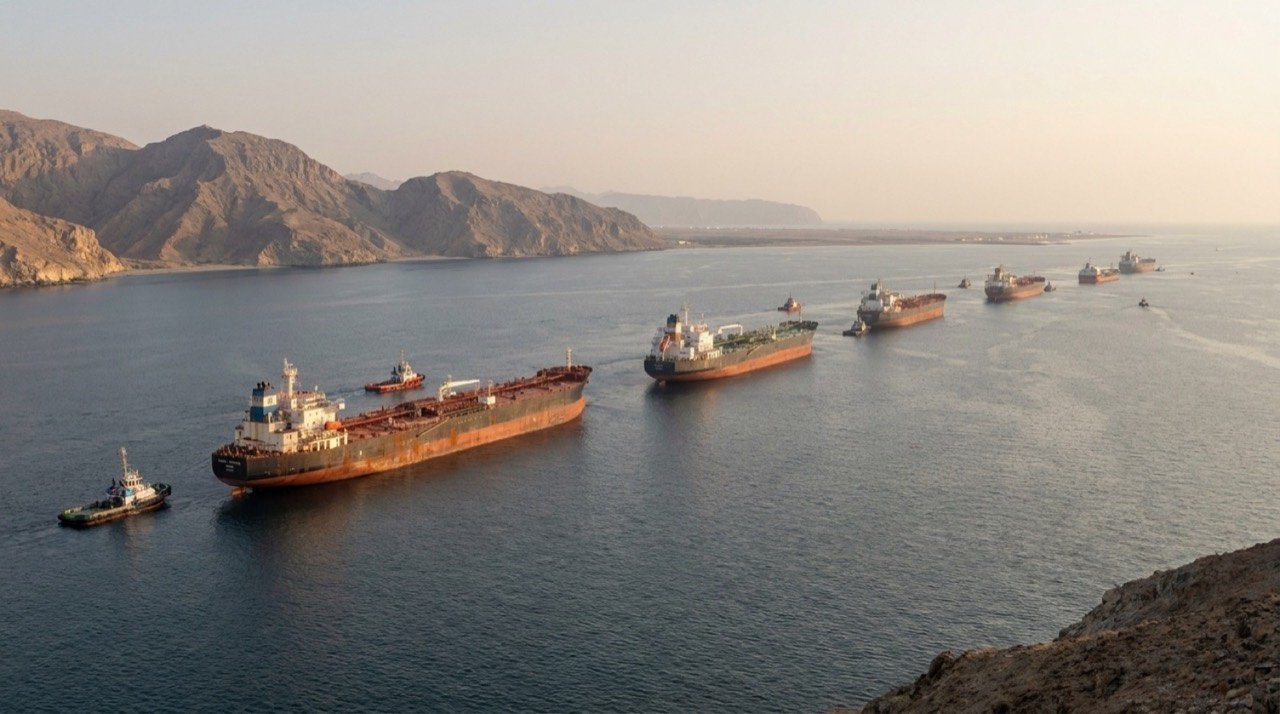
India-Bound Vessels Cross Strait of Hormuz After US-Iran De-escalation
Tankers carrying oil, gas and fertiliser bound for India have crossed the Strait of Hormuz after signs of US-Iran de-escalation, easing immediate fears over a critical energy supply lane.
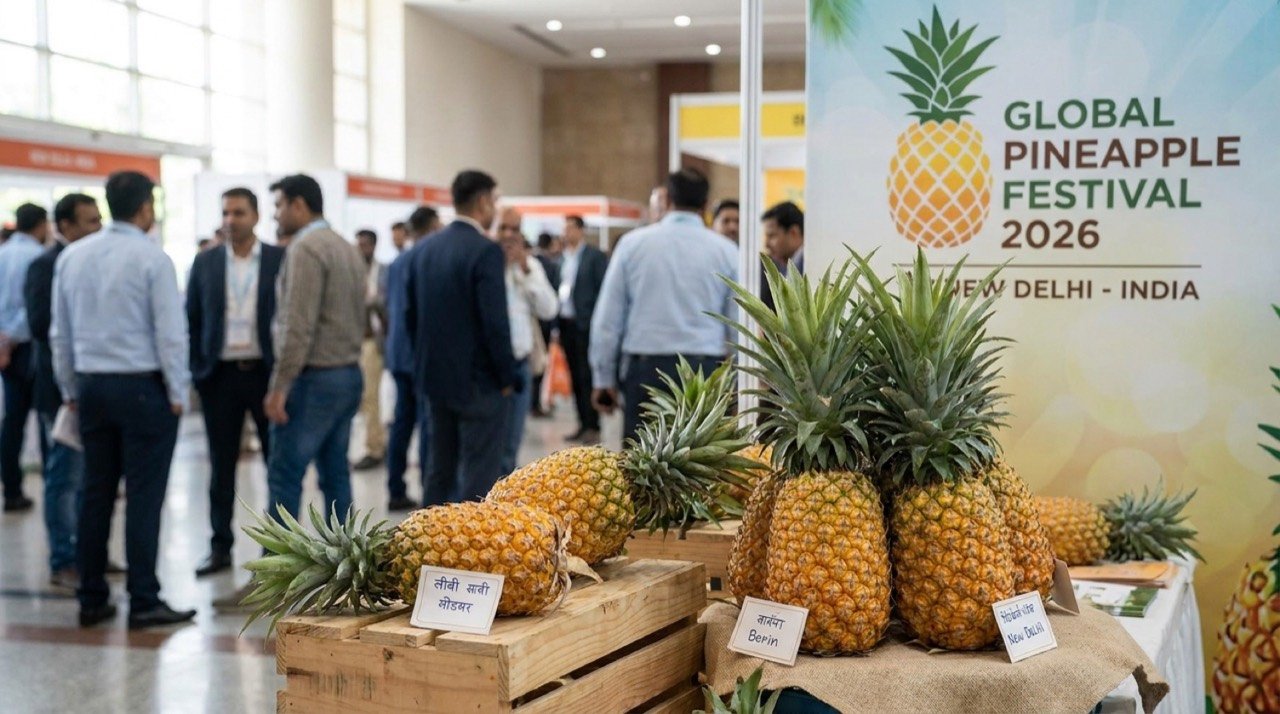
Tripura Takes Its Queen Pineapple to Delhi With Global Pineapple Festival 2026
Tripura will host the Global Pineapple Festival 2026 in New Delhi from June 27 to 29, spotlighting its prized Queen pineapple alongside farmer groups, food processors, tourism and fresh investment opportunities.

GST Collections Hit Rs 1.95 Lakh Crore in June as Imports Surge
India's gross GST revenue climbed 13.9 percent year on year in June 2026, but a 34.6 percent jump in import-linked collections did most of the heavy lifting while domestic growth stayed modest.
More from this section
More
Adani Case: US DOJ Pushes for Permanent Dismissal of Charges
The US Department of Justice has urged a judge to permanently dismiss charges against Gautam Adani, calling the case legally flawed — a reversal with consequences for markets, diplomacy and cross-border enforcement.

Akasa Air Inducts 40th Aircraft in Indian Aviation Scale-Up
Akasa Air's 40th aircraft, ferried to Bengaluru via Seattle, Reykjavik and Cairo, marks a fleet milestone for the young carrier and a fresh signal that India's aviation market remains firmly in expansion mode.

BARC Ratings Suspension Leaves Indian TV Industry Flying Blind
BARC's pause on television ratings has put India's broadcast measurement system under fresh scrutiny, leaving broadcasters, advertisers and media planners without the weekly audience data that anchors the TV economy.