Indian Tankers and Seafarers Navigate Strait of Hormuz Amid Renewed Gulf Uncertainty
More than 90 Indian seafarers and a fleet of crude tankers and fertiliser vessels are crossing or holding near the Strait of Hormuz as fresh Gulf tensions test India's energy and supply-chain security.
Commentary & Analysis ·
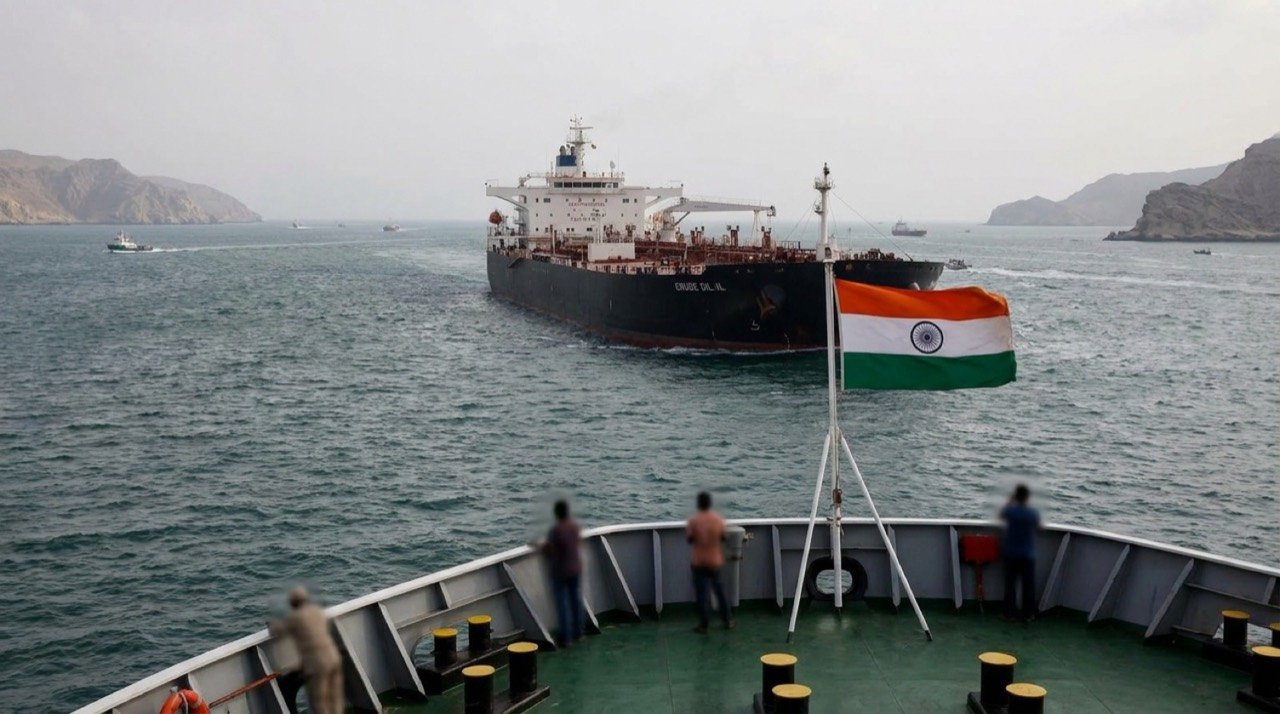
India is watching the Strait of Hormuz with unusual intensity this week. An analysis of vessel movements between 20 and 22 June found that Indian-flagged crude tankers, fertiliser carriers and more than 90 Indian seafarers were either crossing or holding station near the narrow Gulf passage as renewed regional tensions clouded one of the world's most strategic waterways. The picture that emerges is of a country deeply exposed to events in a stretch of sea thousands of kilometres from its own shores.
Why the chokepoint matters to India
The Strait of Hormuz, the slim corridor between Iran and the Arabian Peninsula, carries a large share of the world's seaborne crude and a significant volume of liquefied natural gas. For India, the third-largest oil consumer on the planet, the route is not abstract geopolitics but a daily lifeline. A substantial portion of the crude that feeds Indian refineries, along with fertiliser cargoes that underpin the farm economy, transits these waters before reaching ports on the western coast.
Any disruption ripples quickly through fuel prices, insurance premiums and the cost of imported inputs. That is why even the suggestion of instability around Hormuz prompts close monitoring in New Delhi, where energy planners, shipping regulators and the foreign ministry track the situation in near real time.
What the vessel data showed
According to the movement analysis, three India-linked vessels passed through the strait during the three-day window, while several others held positions to the west of the chokepoint, apparently waiting for clearer signals before committing to the crossing. The cautious pattern reflects how owners and masters balance commercial schedules against the risk of being caught in a sudden escalation.
The presence of more than 90 Indian crew members aboard vessels in the region adds a human dimension. Indians make up a large share of the global merchant marine workforce, meaning that any incident in the Gulf carries a direct safety cost for Indian families regardless of which flag a ship flies.
The pressures converging on the Gulf passage
The story underlines how several Indian interests meet in this single waterway. Energy security, fertiliser supply, marine insurance and seafarer welfare are all bound up in the question of whether traffic through Hormuz can continue without interruption.
- Energy security: a major slice of India's imported crude moves through or near the strait.
- Fertiliser supply: cargoes critical to the farm sector follow the same route.
- Shipping insurance: rising war-risk premiums raise freight costs across the board.
- Seafarer safety: dozens of Indian crew are directly exposed to any escalation.
- Price stability: disruption feeds quickly into domestic fuel and input costs.
“The narrow Gulf passage is where India's energy, food security and maritime workforce all meet a single point of risk.”
— Maritime affairs analyst
For now, the flow of Indian-linked traffic continues, if cautiously. But the episode is a reminder that India's economic stability is tethered to a waterway it does not control, and that contingency planning around alternative routes, strategic reserves and crew protection will remain a quiet priority for policymakers as long as the Gulf stays unsettled.
The NE Times View
Ninety-plus Indians and a tanker fleet near Hormuz is a stark reminder that India's energy security floats through a single hostile strait. The exposure is structural: crude imports, fertiliser cargoes and seafarer livelihoods all converge here. New Delhi's response cannot be limited to evacuation hotlines; it requires strategic reserves, sea-lane diplomacy and crew-welfare guarantees. The Gulf's tensions are not India's choice, but its preparedness is.
This article is original commentary and analysis by The NE Times. Background facts were referenced from India Today and NDTV.
You may also like to read
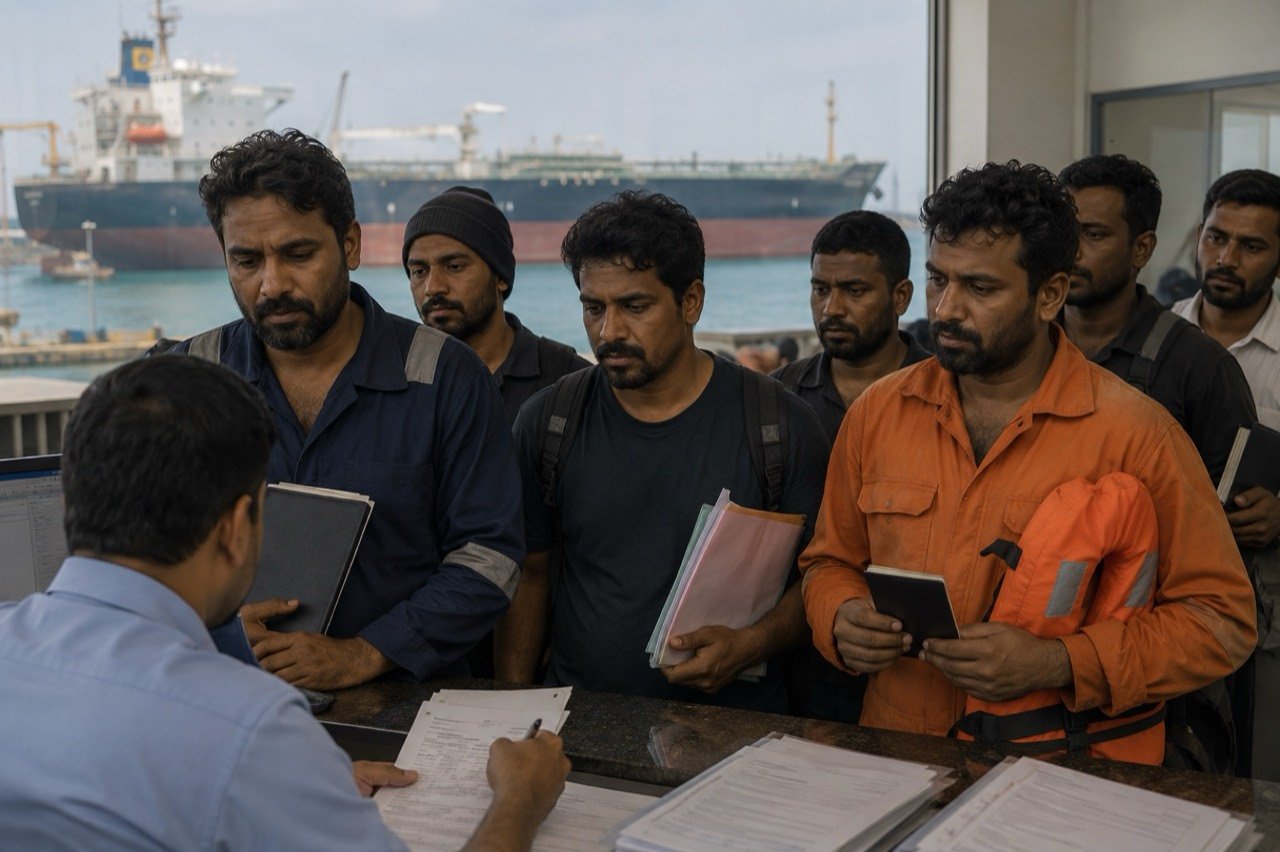
MV Sky Light Seafarers Still Wait for Identity and Job Papers Months After Oman Missile Strike
Eight Indian seafarers from the stricken tanker MV Sky Light remain trapped in a bureaucratic limbo over lost documents, employment records and compensation long after surviving the blast.
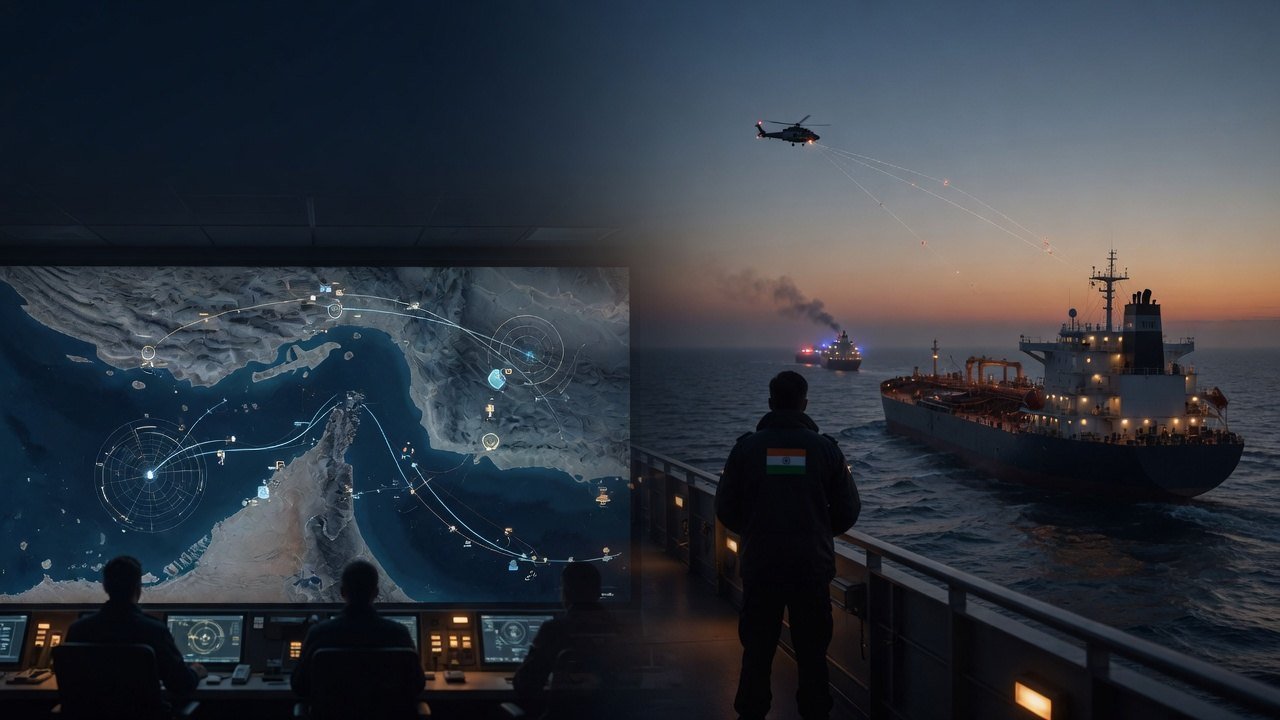
India Orders Real-Time Tracking of Ships Carrying Indian Crews After Deadly Strait of Hormuz Attacks
India has ordered a vessel-by-vessel dashboard for ships carrying Indian crews after attacks in the Strait of Hormuz killed one Indian and injured others amid escalating West Asia conflict.
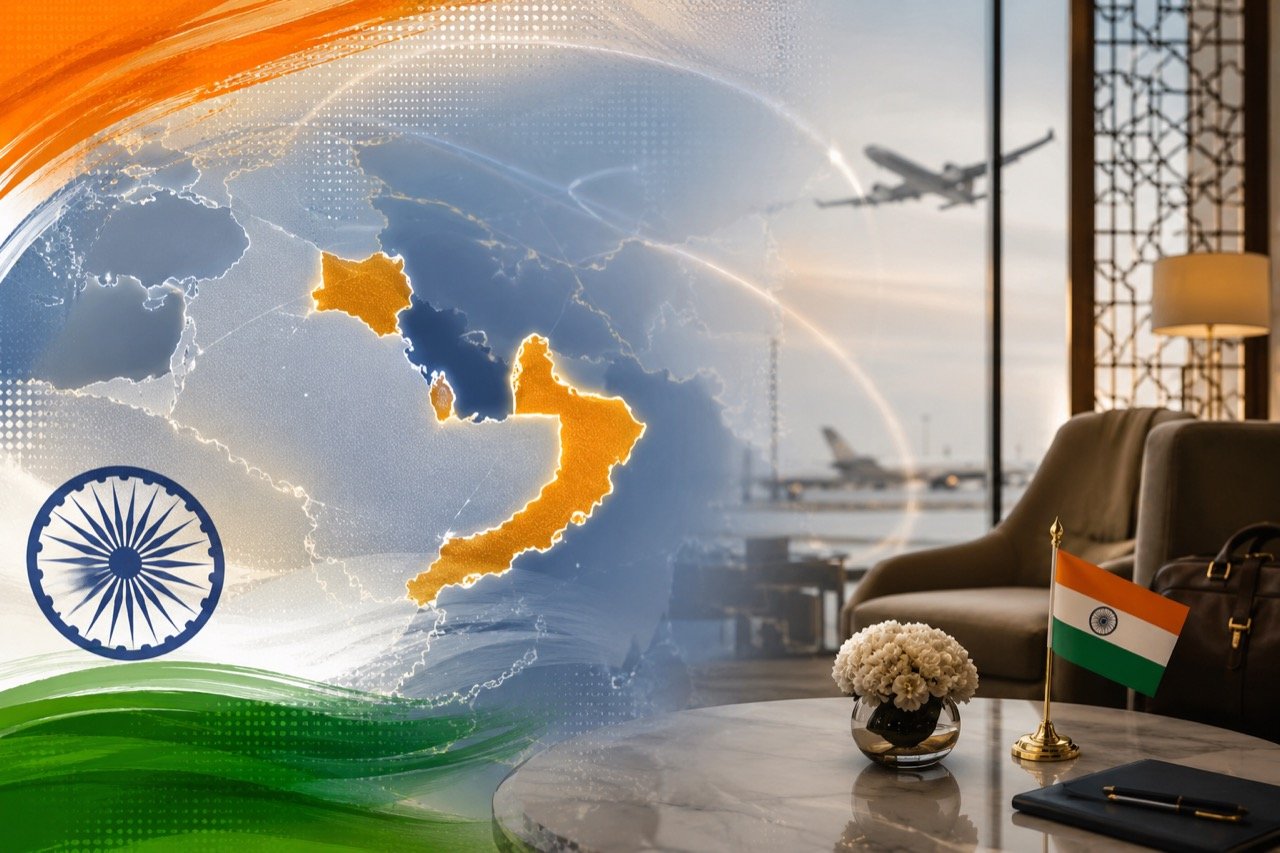
Jaishankar Begins Four-Nation Gulf Tour as India Deepens West Asia Ties
External Affairs Minister S Jaishankar's July 5-10 visit to Qatar, Bahrain, Kuwait and Oman opens a packed diplomatic week, underscoring how central the Gulf has become to India's energy, trade and diaspora interests.
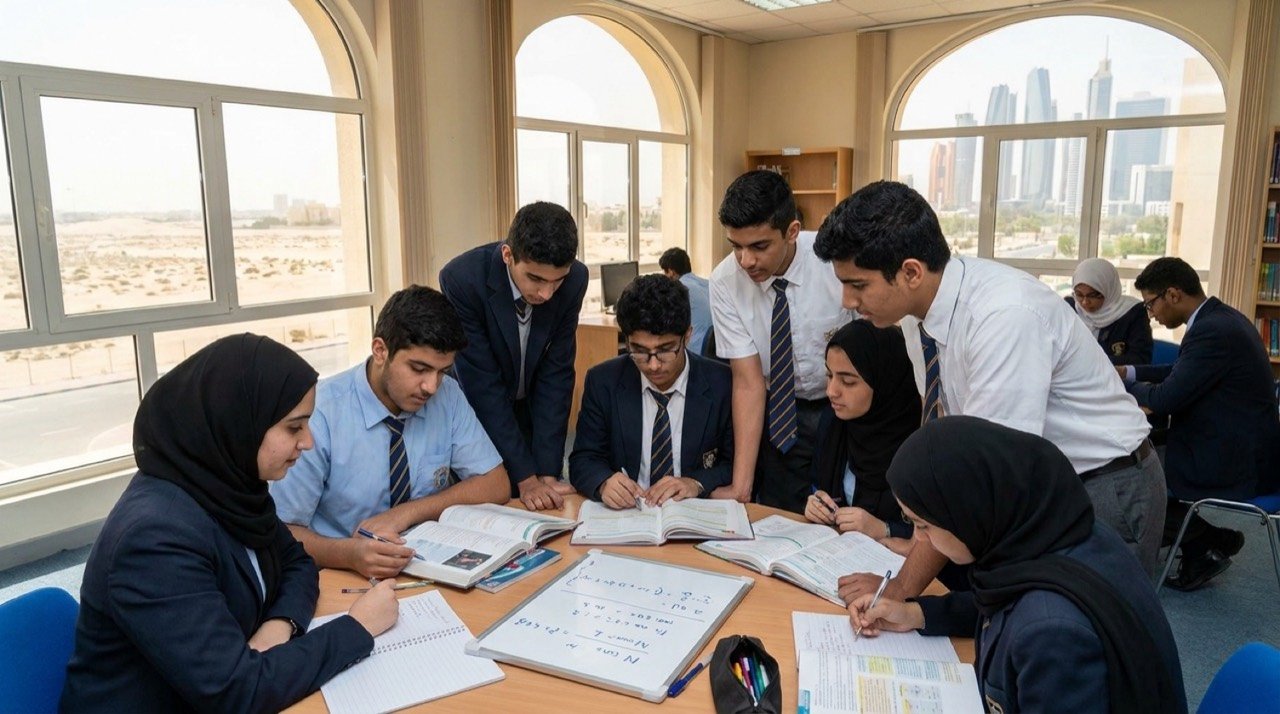
CBSE's Gulf Class 12 Assessment Formula Explained for Overseas Indian Students
With thousands of CBSE students in the Gulf, the board's assessment formula for Class 12 has drawn fresh attention over how marks are computed for schools outside India.
More from this section
More
AICTE Industry Fellowship 2026: Rs 1.5 Lakh Scheme Closes July 5
The AICTE Industry Fellowship Programme 2026, which places technical-education faculty inside leading companies on a Rs 1.5 lakh monthly stipend, reached its application deadline on July 5.
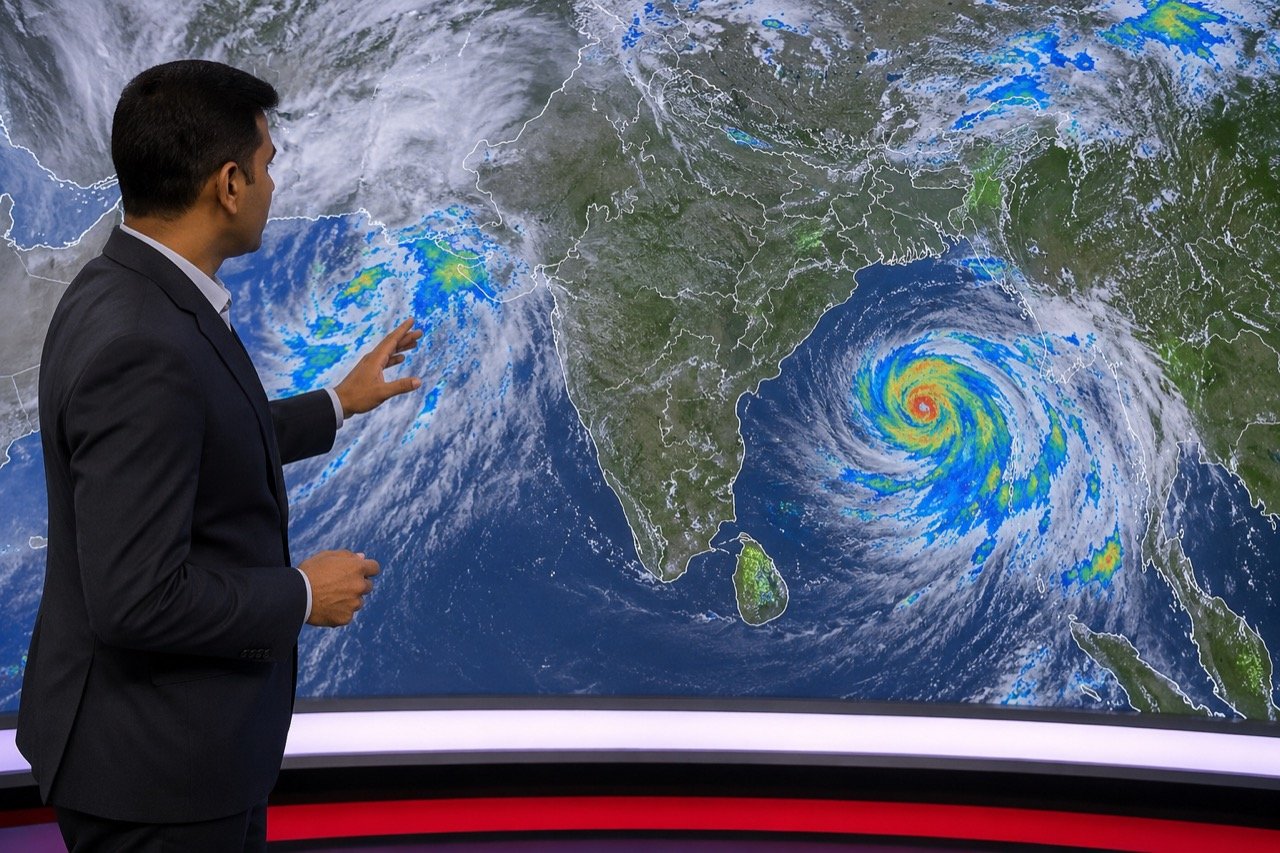
Bay of Bengal Low Pressure System Revives Monsoon Over Western India
A low-pressure system over the Bay of Bengal has pushed the monsoon back into an active phase, bringing steady heavy rain to Kerala, coastal Karnataka and Maharashtra, and putting Mumbai and Pune on preparedness watch.
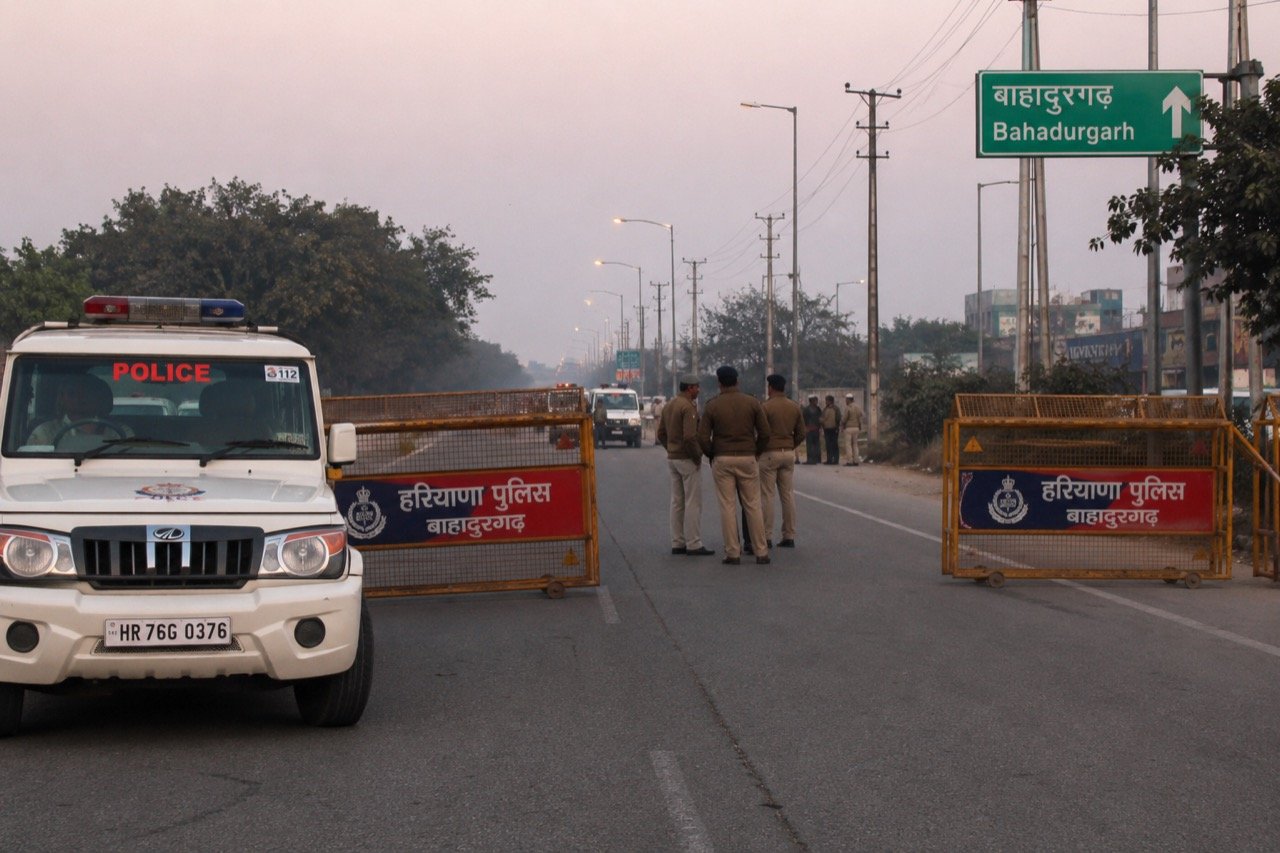
Bishnoi Gang Suspects Injured in Haryana Encounter as Police Tighten Net
A joint Haryana-Delhi Police operation in Bahadurgarh left two suspected Lawrence Bishnoi gang members injured, spotlighting the multi-state coordination now central to India's fight against organised crime networks.