Goodbye Six-Pack, Hello Mobility: India's Fitness Culture Grows Up in 2026
Pilates studios and functional-movement classes are outpacing traditional gyms as young Indians chase feeling good over looking good.
Commentary & Analysis ·
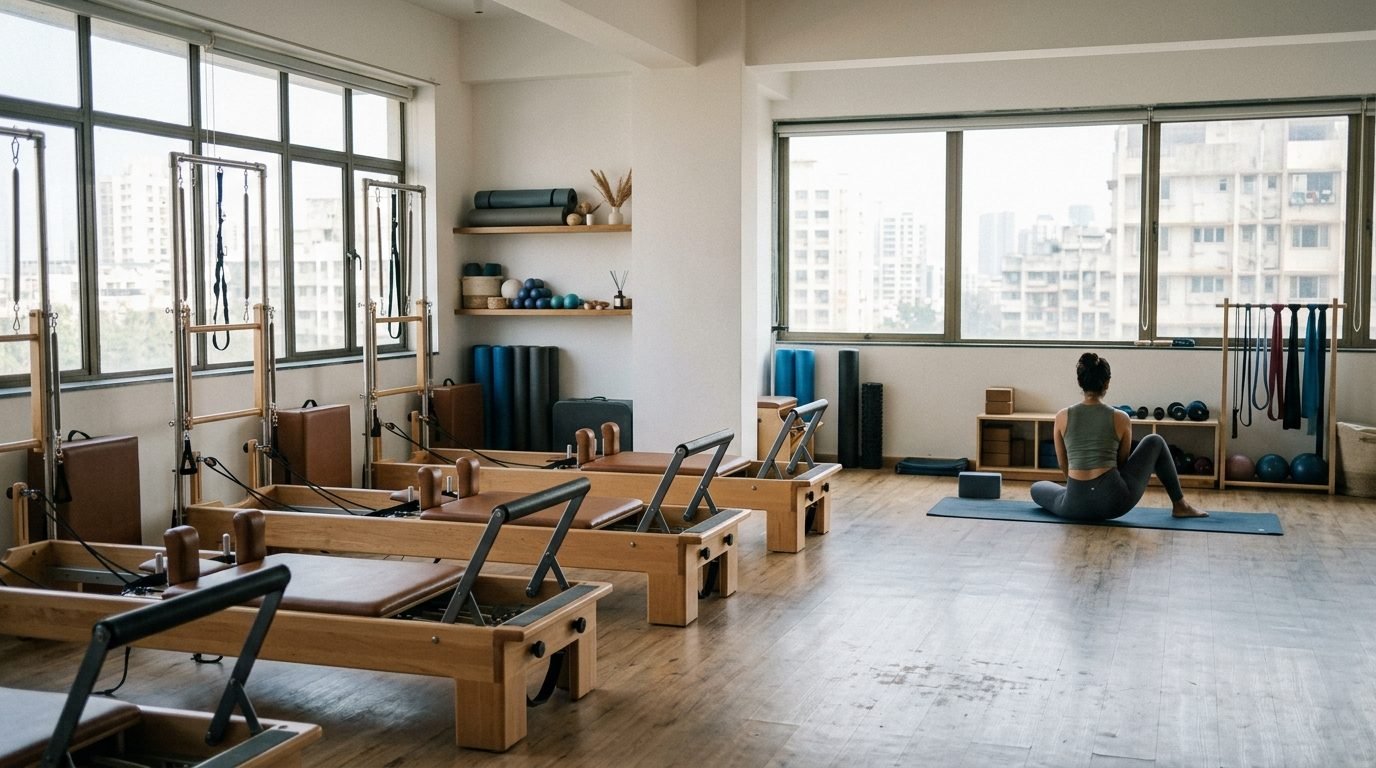
The Indian fitness conversation is shifting from the mirror to movement. In Tier 1 cities, Pilates studios, mobility training and functional-movement formats are growing faster than conventional gym memberships - a quiet but telling change in what young Indians want from a workout.
The shift marks a maturing of a fitness culture that, for years, revolved around the gym and the goal of a sculpted physique. As more people stick with exercise over the long term, the emphasis is moving away from short bursts of aesthetic effort and toward routines that keep the body capable, comfortable and pain-free in daily life.
From vanity to sanity
Industry watchers describe it as a move from vanity to sanity: away from chasing a short-term aesthetic and towards functional strength, mobility and how the body actually feels day to day. Yoga, Pilates, walking and strength training are emerging as the formats people stick with, precisely because they are sustainable rather than punishing.
Sustainability is the operative word. The formats gaining ground share a common quality - they can be maintained for years without burning people out or breaking them down. The trend favours practices people can actually keep up:
- Pilates and mobility training for controlled, low-impact strength
- Yoga for flexibility, balance and recovery
- Walking as an accessible, everyday baseline
- Strength training focused on function rather than appearance
Fitness as a social act
Community is proving to be the secret ingredient. Data shows members who train with a buddy stay far more consistent than those who go it alone, and fitness collectives, accountability groups and shared online spaces are increasingly replacing the solitary gym grind.
The social dimension addresses the single biggest obstacle in fitness: consistency. Working out alongside others builds accountability, turns exercise into something people look forward to, and harnesses the simple motivating power of not wanting to let the group down. As collectives and accountability groups spread, fitness is becoming less a private chore and more a shared habit - which is precisely what makes it stick.
Balance on the plate
The same balance is showing up on the plate. Rather than rigid diet rules, younger Indians are favouring flexibility - protein-rich meals, gut-friendly foods and immunity-boosting ingredients drawn from home cooking rather than imported regimes.
The dietary shift mirrors the fitness one: a move away from strict, punishing rules toward sustainable, locally grounded habits. By leaning on familiar home cooking rather than imported diet plans, the approach is easier to maintain and better suited to Indian kitchens. Taken together with the embrace of gentler, more social exercise, it points to a fitness culture that is, in a real sense, growing up - measured less by how the body looks and more by how it feels and functions.
The NE Times View
A fitness culture chasing mobility over mirror muscles is a sign of maturity, not retreat. For a country facing rising lifestyle disease, training that prioritises how the body moves and ages is the more useful goal, and the more sustainable one. The caveat is access: boutique Pilates studios remain an urban, premium pursuit. The healthier ambition is to carry this thinking into ordinary gyms and homes, not just curated ones.
This article is original commentary and analysis by The NE Times. Background facts were referenced from Esquire India, cult.fit.
You may also like to read
Slow Living and Wellness Travel Catch On With Urban Indians
Burnt out by always-on city life, a growing number of Indians are seeking quieter holidays, mindful routines and digital detoxes.

Strength and Longevity: How India's Fitness Culture Is Maturing in 2026
Indians are moving beyond aesthetics toward functional strength, mobility and recovery, as a maturing fitness culture blends gyms, apps and the outdoors in pursuit of long-term health.

The Quiet Romance: How India Fell for Low-Pressure Dating in 2026
Grand gestures are out and emotional safety is in. A new wave of Indian daters is swapping high-stakes dinners for hobby workshops, slow-built trust and friends who vet the matches.

Broke by the 20th: How Invisible UPI Spending Is Quietly Draining Young India
Gen Z says it wants to save - so why does the money vanish? The answer may lie in how painless tapping to pay has become.
More from this section
More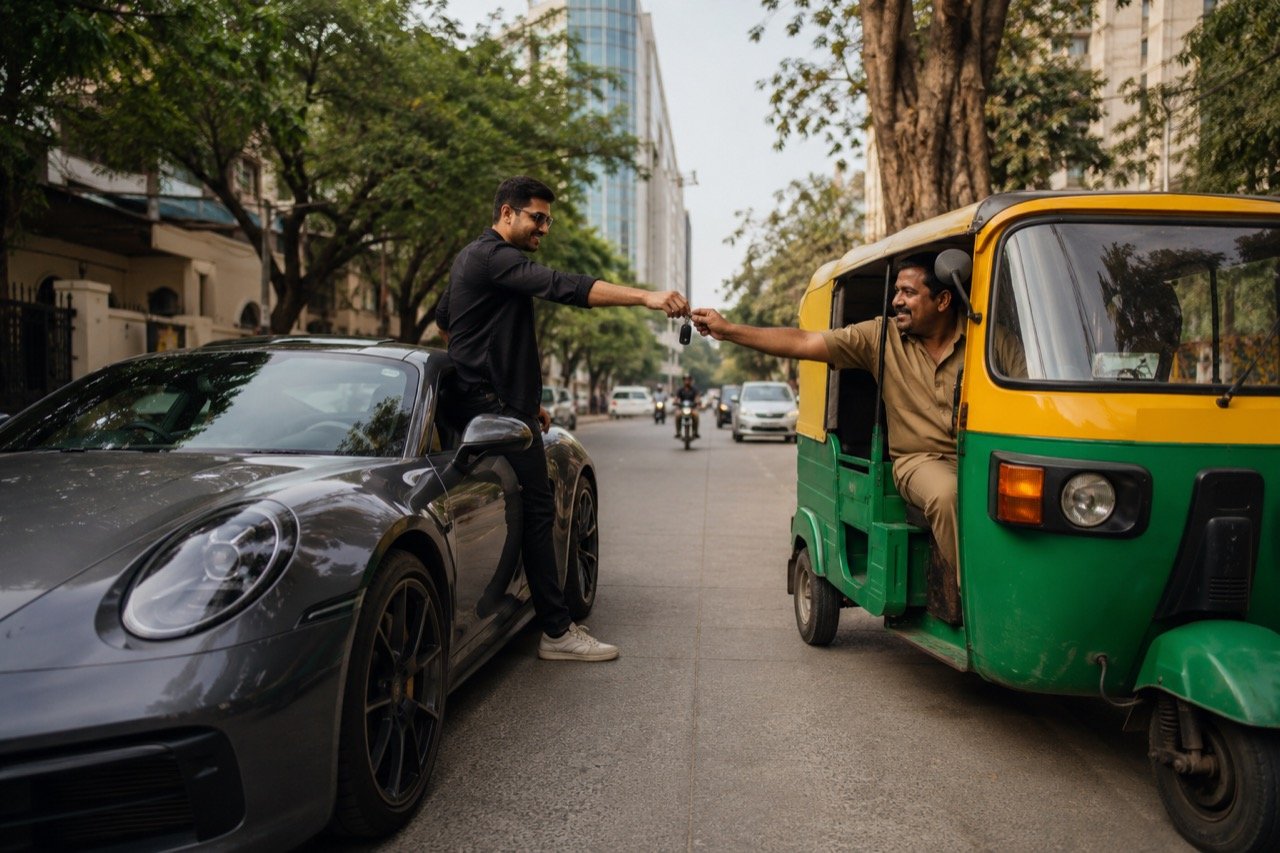
Bengaluru Lamborghini-Auto Swap: Entrepreneur's Gesture Goes Viral
A Bengaluru entrepreneur's spontaneous decision to trade seats with an auto-rickshaw driver, putting the cabbie behind a Lamborghini's wheel, has charmed social media and become the city's feel-good story of the week.
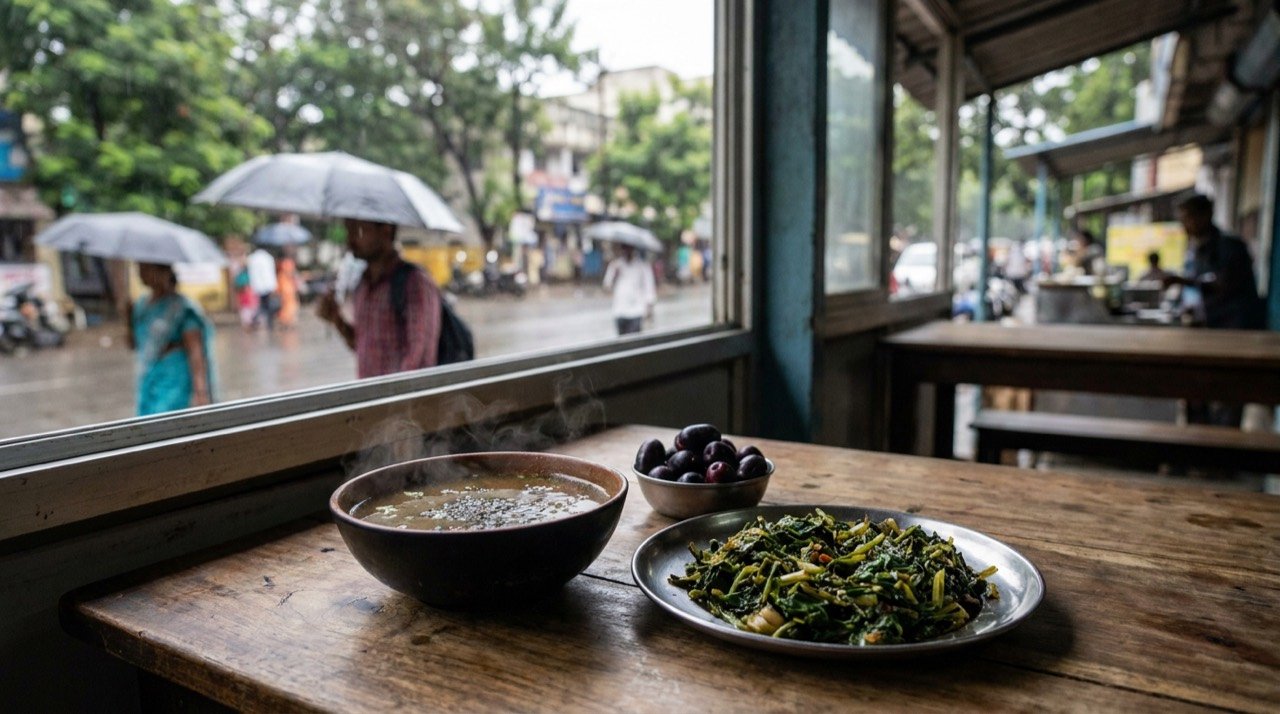
India's Monsoon Plate Returns to Its Roots as Seasonal Eating Goes Mainstream in 2026
From Kerala's ten-leaf stir-fries to jamun, rasam and warming spices, India's monsoon kitchens are blending ancestral ritucharya wisdom with the 2026 obsession with gut health and immunity.
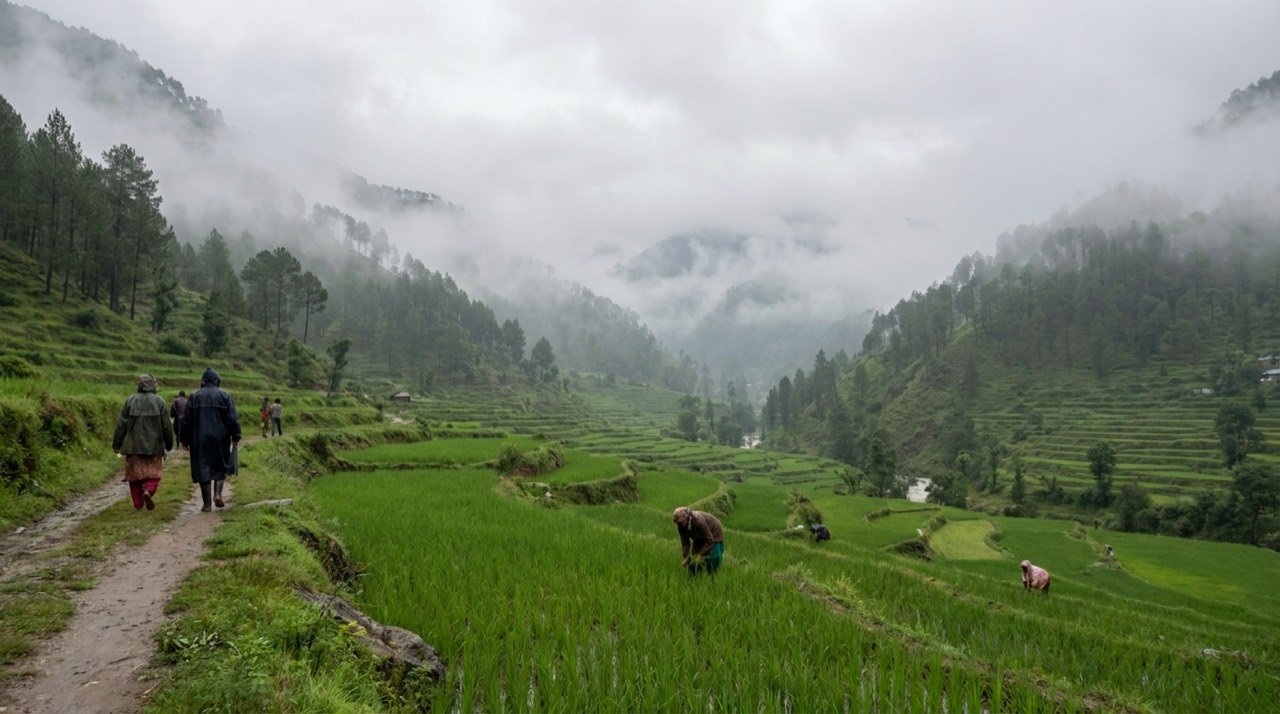
Misty Valleys and Cheaper Fares: India's Offbeat Monsoon Travel Boom in 2026
With domestic fares falling sharply and travellers seeking solitude, offbeat Himalayan hamlets, the rain-soaked Northeast and Ladakh's rain-shadow deserts are redrawing India's monsoon travel map in 2026.