The Lifestyle Inflation Trap: How Young India Is Trying to Save in 2026
With rising rents and living costs cited as the biggest savings hurdle, financial planners say automating savings and resisting lifestyle creep matter more than ever for under-30s.
Commentary & Analysis ·
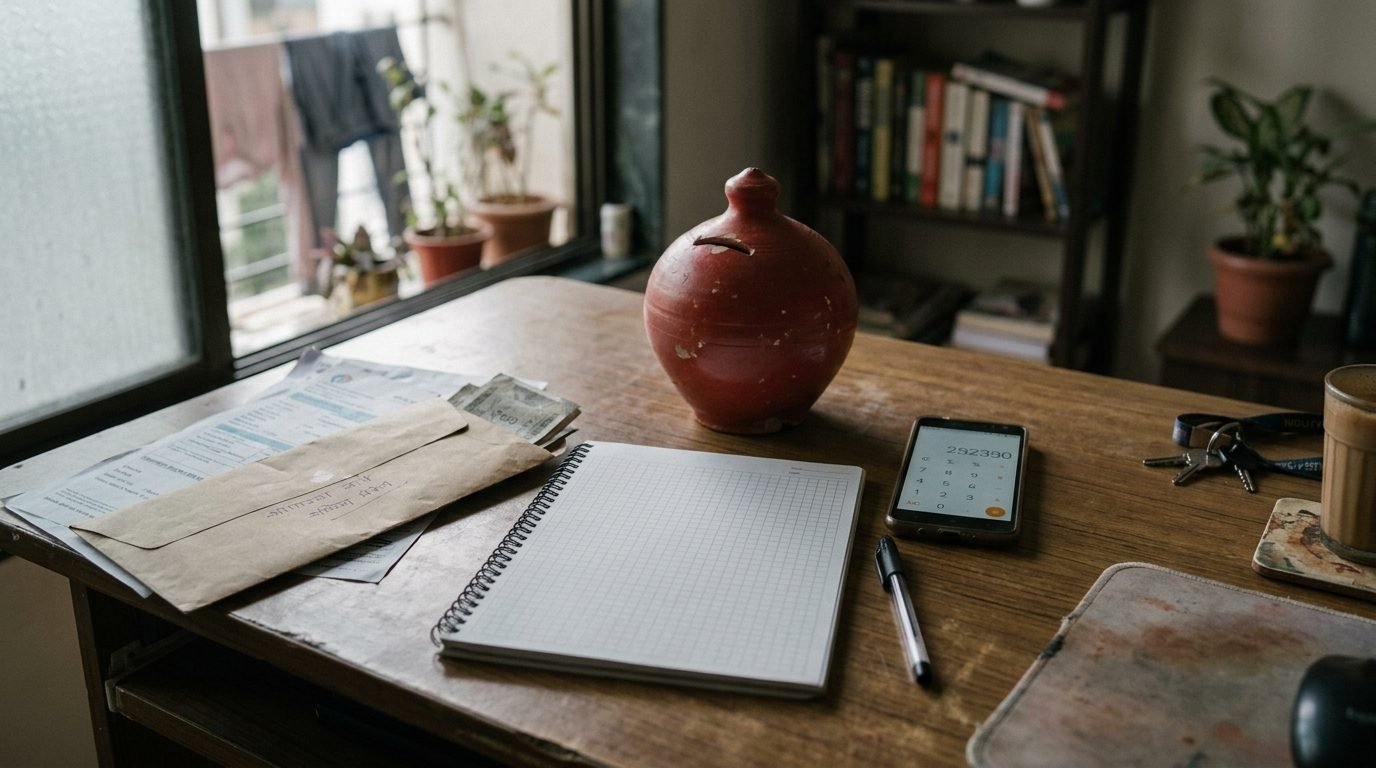
For many young Indians, the problem is not earning more but keeping any of it. As salaries rise, so do rents, food bills and the quiet upgrades to lifestyle that swallow each increment. Financial planners call it lifestyle inflation, and in 2026 it has become the central battle in the personal finances of the under-30s.
Why saving feels harder than ever
Surveys in recent years have found a large majority of young Indians citing high living expenses, food, rent and utilities, as their single biggest obstacle to saving. With costs climbing across metros, the gap between intention and action has widened, and many discover that a raise vanishes into a bigger flat or pricier routine before it ever reaches a savings account.
The antidote, advisers argue, is to consciously decide spending and saving amounts in advance rather than letting consumption expand to fill income. Tracking every rupee for a month, however tedious, is the most common starting recommendation because it makes invisible spending visible.
A framework and a default
The 50/30/20 rule remains the most cited scaffold: roughly half of income to essentials, 30 percent to discretionary spending and at least 20 percent to savings and investment. Crucially, planners say the savings portion should be automated, with a standing transfer the day the salary lands, so that money is moved before it can be spent.
- Track every rupee for a month to surface invisible and impulse spending.
- Automate savings with a transfer scheduled for salary day.
- Use the 50/30/20 split as a starting framework, then tighten it.
- Build an emergency fund before chasing higher-risk returns.
Start small, but start early
Beyond budgeting, the long game is compounding. Habits set before 30 tend to define financial trajectories for decades, and starting early can mean substantially more at retirement than starting even a few years later. Low-risk instruments such as fixed deposits and the Public Provident Fund sit alongside mutual funds and the National Pension System as familiar building blocks.
“The hardest rupee to save is the one you have already mentally spent, so the trick is to move it out of reach before lifestyle creep gets to it.”
— A Bengaluru-based financial planner
None of this is glamorous, and that is rather the point. In an economy where costs keep nudging upward, the young Indians making progress in 2026 are largely those who have made saving boring, automatic and immune to the next tempting upgrade.
The NE Times View
Automating savings and resisting lifestyle creep are useful disciplines, but they place the entire fix on individual willpower. The NE Times View: when rents and living costs are the cited obstacle, the under-30 savings squeeze is structural, not just behavioural, and budgeting templates cannot substitute for affordable housing and real wage growth. Personal finance advice helps at the margins; it should not be mistaken for a solution to an affordability crisis.
This article is original commentary and analysis by The NE Times. Background facts were referenced from Mint and Economic Times.
You may also like to read
Young India Walks Away From the Savings Account as SIP Inflows Hit Record Highs in 2026
Monthly SIP inflows have surged past record levels and active accounts near 10 crore, as a generation of young Indians treats savings accounts as liquidity tools and turns to market-linked wealth creation.

Broke by the 20th: How Invisible UPI Spending Is Quietly Draining Young India
Gen Z says it wants to save - so why does the money vanish? The answer may lie in how painless tapping to pay has become.
Ambubachi Mela Opens at Kamakhya Temple, Drawing Pilgrims and Livelihoods
The annual Ambubachi Mela at Guwahati's Kamakhya Temple has begun, drawing lakhs of pilgrims, sadhus and traders to one of India's most revered Shakti Peethas on Nilachal Hill.
Misty Valleys and Cheaper Fares: India's Offbeat Monsoon Travel Boom in 2026
With domestic fares falling sharply and travellers seeking solitude, offbeat Himalayan hamlets, the rain-soaked Northeast and Ladakh's rain-shadow deserts are redrawing India's monsoon travel map in 2026.
More from this section
More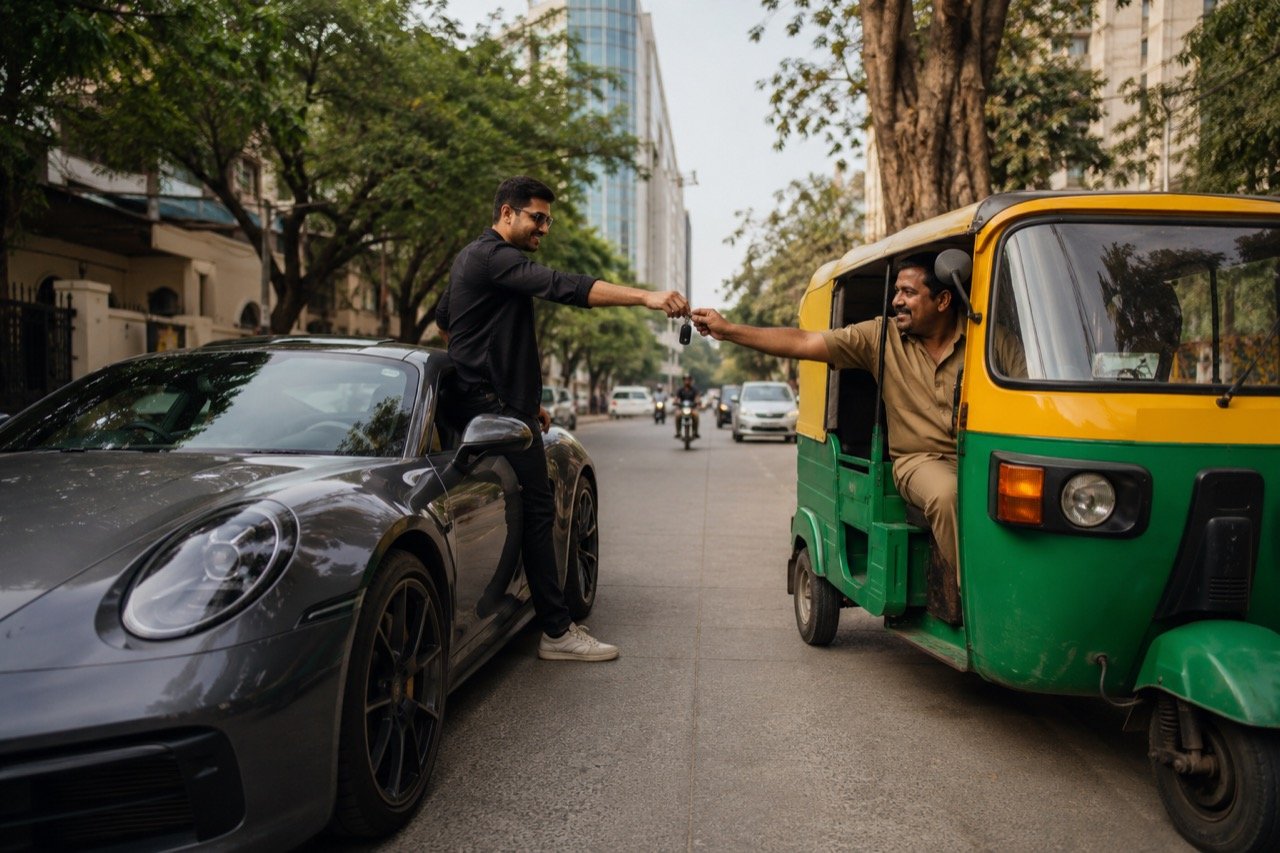
Bengaluru Lamborghini-Auto Swap: Entrepreneur's Gesture Goes Viral
A Bengaluru entrepreneur's spontaneous decision to trade seats with an auto-rickshaw driver, putting the cabbie behind a Lamborghini's wheel, has charmed social media and become the city's feel-good story of the week.
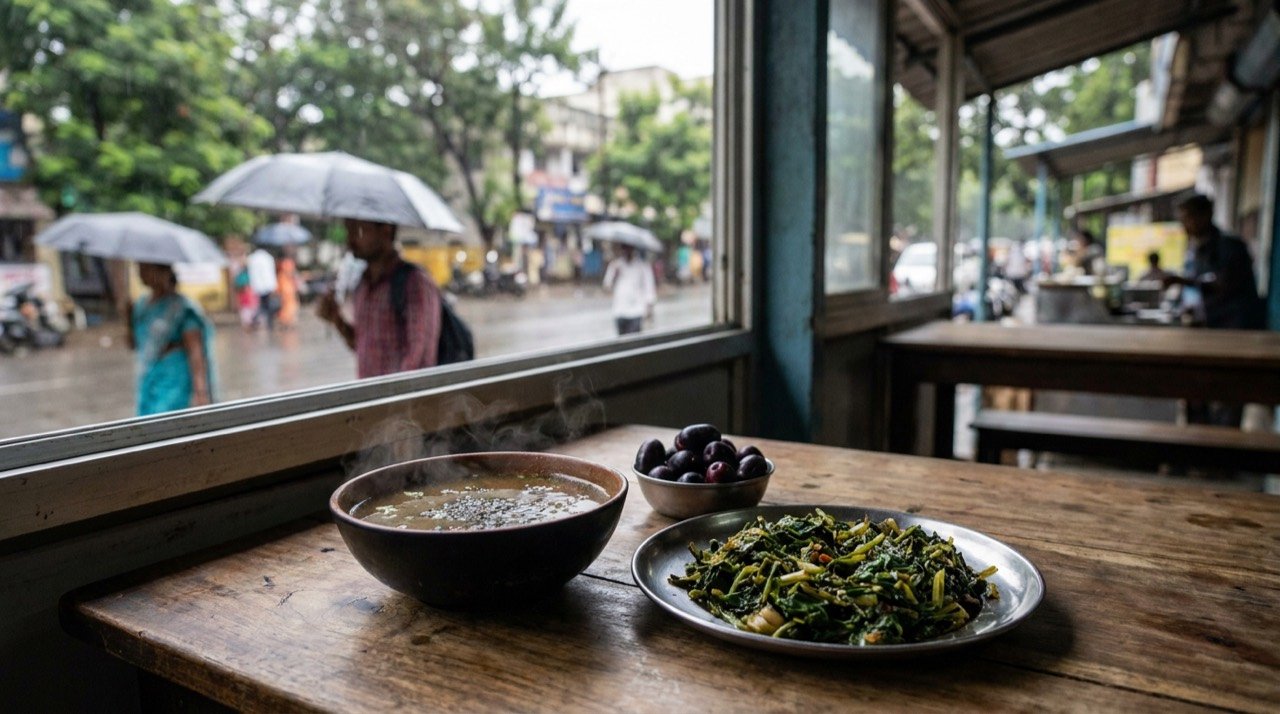
India's Monsoon Plate Returns to Its Roots as Seasonal Eating Goes Mainstream in 2026
From Kerala's ten-leaf stir-fries to jamun, rasam and warming spices, India's monsoon kitchens are blending ancestral ritucharya wisdom with the 2026 obsession with gut health and immunity.
Misty Valleys and Cheaper Fares: India's Offbeat Monsoon Travel Boom in 2026
With domestic fares falling sharply and travellers seeking solitude, offbeat Himalayan hamlets, the rain-soaked Northeast and Ladakh's rain-shadow deserts are redrawing India's monsoon travel map in 2026.