Supreme Court Strength Rises To 37 As Five New Judges Take Oath
The Centre has notified the appointment of five new judges to the Supreme Court, lifting its working strength to 37 and including a rare direct elevation from the Bar.
Commentary & Analysis ·
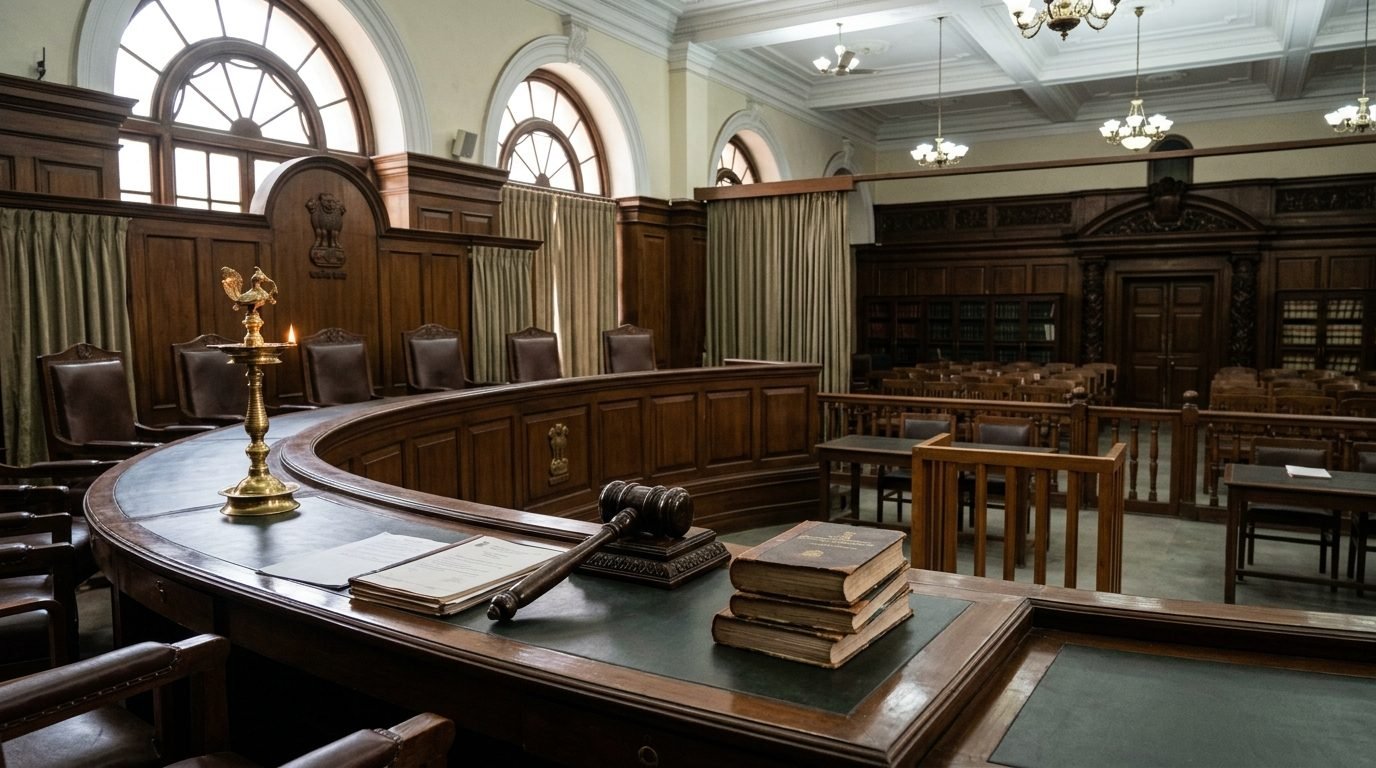
The Supreme Court of India has expanded its working bench to 37 judges after the Union Law Ministry notified the appointment of five fresh judges this week, the latest move to ease a stubborn case backlog that runs into tens of thousands of matters. The elevations, cleared on the recommendation of the Collegium led by the Chief Justice of India, also mark a notable departure from convention, with one appointee elevated directly from the Bar rather than from a High Court bench.
Who has been appointed
Among the five is Senior Advocate V. Mohana, elevated directly from the Bar without first serving as a High Court judge, a route the Constitution permits but that has been used only sparingly in the court's history. The remaining four are sitting High Court judges drawn from different regions, a composition the Collegium said was intended to reflect geographical balance and representation on the apex bench.
The notification follows weeks of deliberation between the Collegium and the government, and lifts the court closer to its full sanctioned strength of 34 judges plus the recent statutory expansion, giving the Chief Justice more room to constitute additional benches for constitution matters and long-pending appeals.
Why the expansion matters
Legal observers say a larger bench strength directly affects how quickly the court can hear cases, given that constitution benches of five or more judges pull justices away from regular rosters. With more judges available, the Chief Justice can run parallel benches without paralysing the daily cause list.
- Five new judges raise the court's working strength to 37.
- Senior Advocate V. Mohana is elevated directly from the Bar, a rare route.
- The remaining four appointees are sitting High Court judges.
- The move is aimed at easing a backlog of pending cases.
- It gives the Chief Justice flexibility to constitute more benches.
What happens next
Court watchers expect the new judges to be assigned to benches over the coming weeks as the registry reorganises rosters. Attention will also turn to whether the higher strength translates into faster disposal of the regular matters that make up the bulk of the docket, rather than only high-profile constitutional cases.
“A stronger bench is only meaningful if it shortens the wait for the ordinary litigant, not just the headline case.”
— A senior advocate, Supreme Court Bar
For now, the appointments signal a period of relative cooperation between the executive and the Collegium on judicial appointments, a relationship that has at times been strained. Whether the expanded court can make a visible dent in pendency will be watched closely through the rest of the year.
The NE Times View
Lifting the working strength to 37, including a rare direct elevation from the Bar, is overdue relief for a court drowning in pendency. Fresh talent and a practitioner's perspective can sharpen the bench. The NE Times View: appointments alone will not clear the backlog without structural reform of how cases are listed and disposed, but a fuller court is the necessary first step toward restoring timely justice.
This article is original commentary and analysis by The NE Times. Background facts were referenced from The Hindu and The Indian Express.
You may also like to read
Supreme Court Fines Chhattisgarh Rs 2 Lakh in Decades-Old Land Compensation Case
The Supreme Court has fined the Chhattisgarh government Rs 2 lakh and upheld compensation with interest for landowners whose plot was taken for a road in 1986 without payment.
Supreme Court Recall of Ban on Retrospective Green Clearances Sparks Pollution-Law Debate
A 2-1 majority recall of the 2025 verdict outlawing ex post facto environmental clearances has reopened a fierce debate over whether penalties can substitute for prior approval on major projects.
Supreme Court calls homemakers 'nation builders', fixes Rs 30,000 monthly value for domestic care
In a judgment recognising the economic worth of unpaid domestic work, the court set a benchmark notional income for assessing the loss of a homemaker's contribution in motor accident claims.
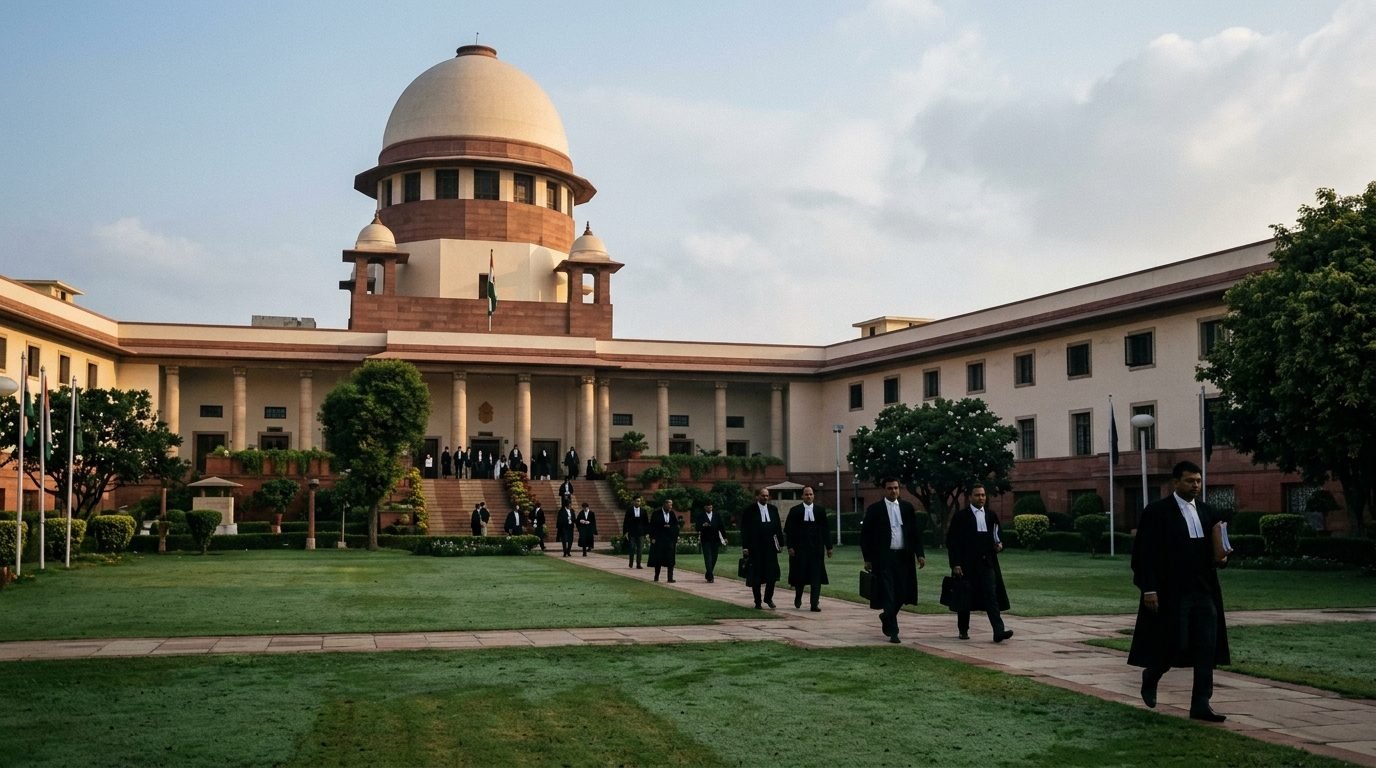
Supreme Court Lays Down Nationwide Victim Protection Plan In Trafficking Case
In the long-running Prajwala matter, the Supreme Court has issued a comprehensive Victim Protection Plan covering every stage from rescue to rehabilitation and prosecution.
More from this section
More
AICTE Industry Fellowship 2026: Rs 1.5 Lakh Scheme Closes July 5
The AICTE Industry Fellowship Programme 2026, which places technical-education faculty inside leading companies on a Rs 1.5 lakh monthly stipend, reached its application deadline on July 5.
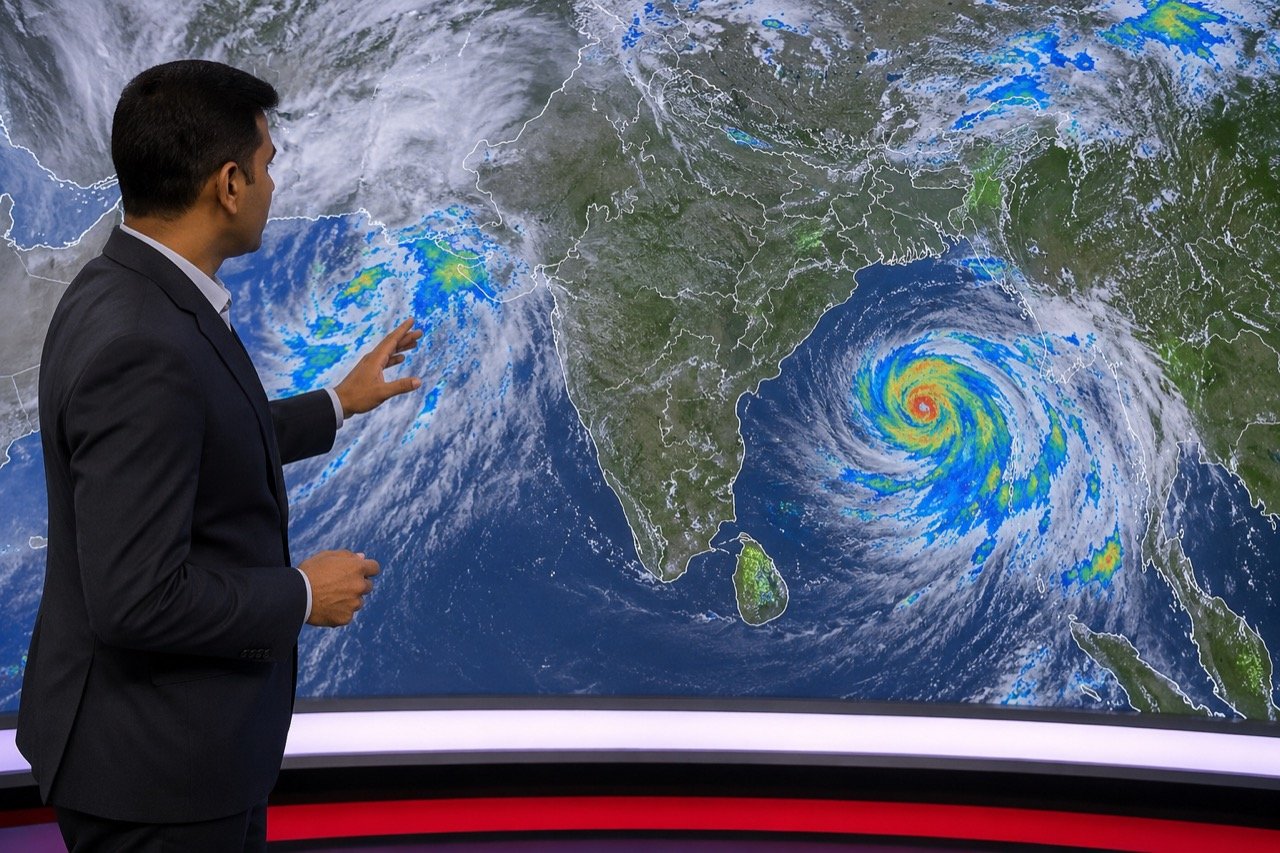
Bay of Bengal Low Pressure System Revives Monsoon Over Western India
A low-pressure system over the Bay of Bengal has pushed the monsoon back into an active phase, bringing steady heavy rain to Kerala, coastal Karnataka and Maharashtra, and putting Mumbai and Pune on preparedness watch.
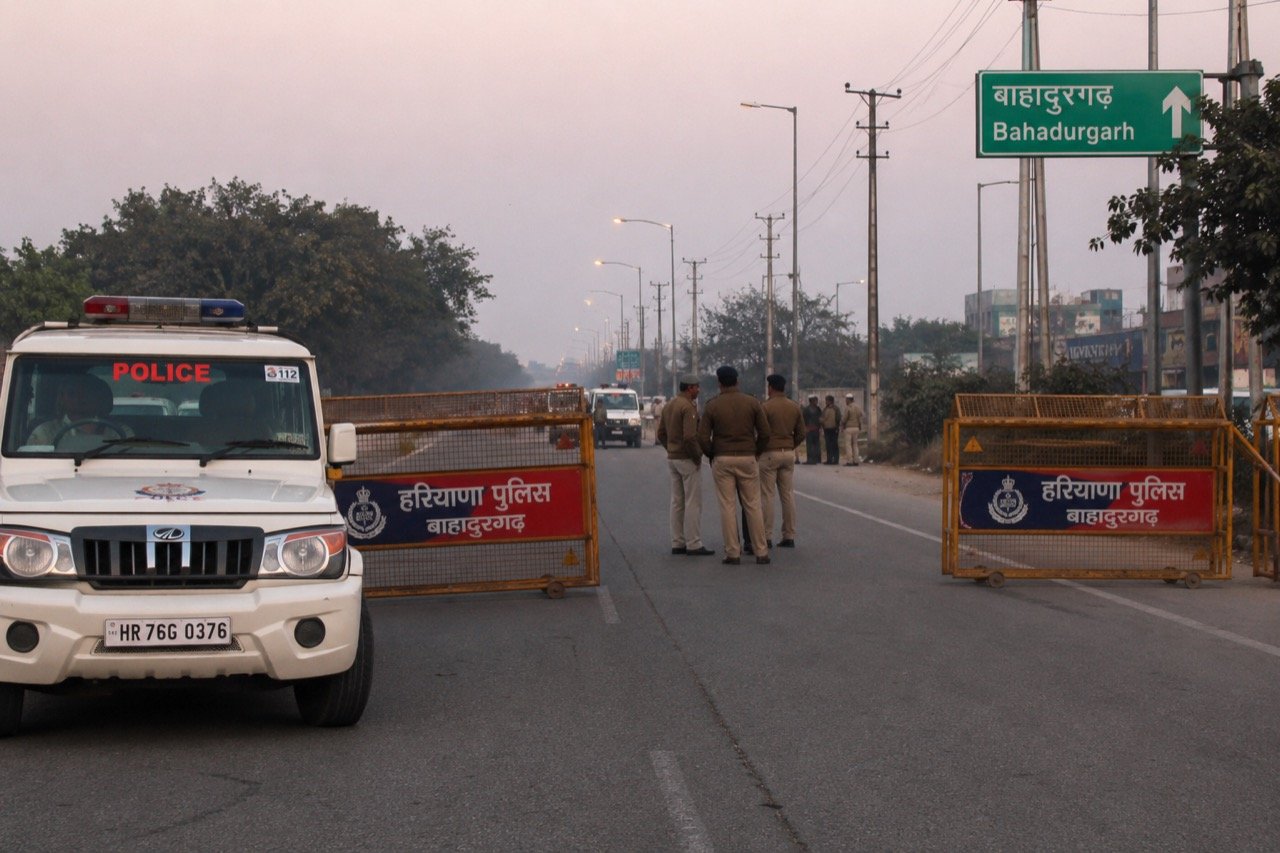
Bishnoi Gang Suspects Injured in Haryana Encounter as Police Tighten Net
A joint Haryana-Delhi Police operation in Bahadurgarh left two suspected Lawrence Bishnoi gang members injured, spotlighting the multi-state coordination now central to India's fight against organised crime networks.