Supreme Court Refuses to Review Collegium Recommendation Process
The Supreme Court declined a Himachal Pradesh judicial officer's plea, warning that scrutiny of confidential collegium deliberations could open a difficult precedent in judicial appointments.
Commentary & Analysis ·
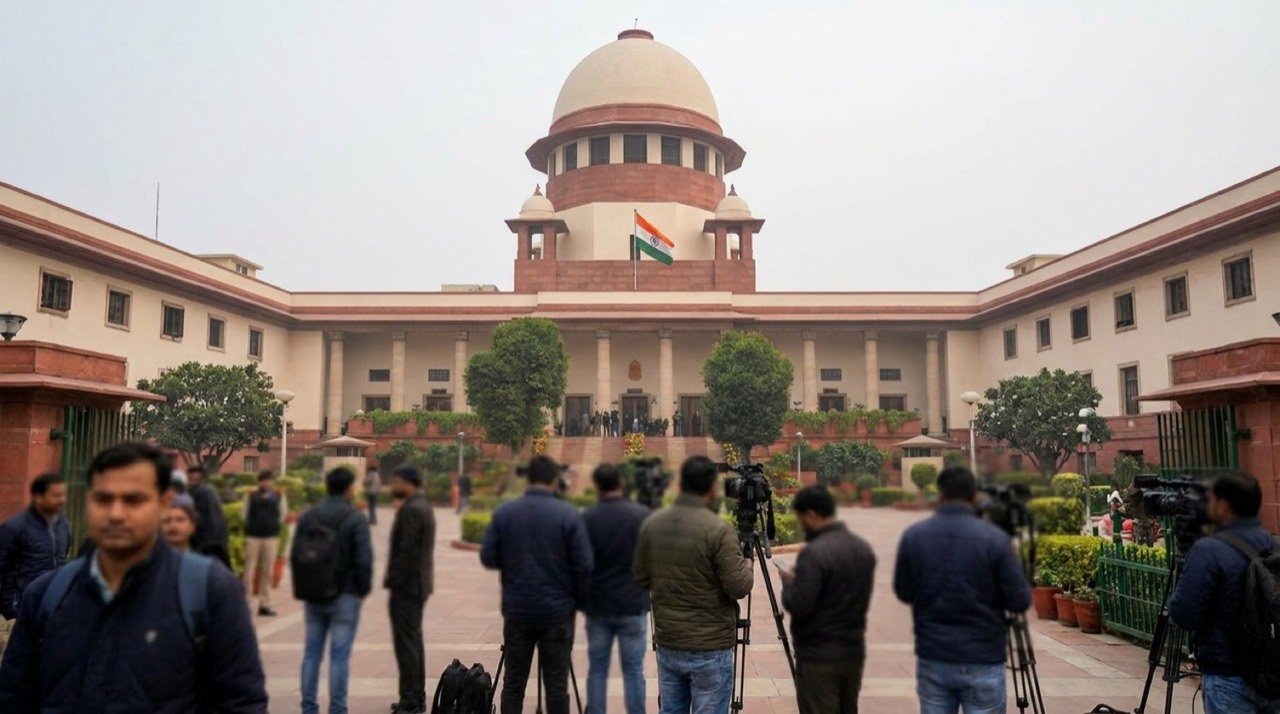
The Supreme Court has refused to entertain a petition by a Himachal Pradesh family court judge who sought reconsideration of his non-recommendation for elevation as a High Court judge. The bench observed that seniority by itself does not create a right to elevation, and cautioned that judicial review of confidential collegium deliberations could open a Pandora's box. The petitioner was permitted to withdraw the plea and pursue other remedies.
What the petitioner sought
The judicial officer had approached the court after the collegium did not recommend his name for elevation, asking that the decision-making be revisited. His case rested in part on his standing and service record, an argument the court declined to accept as automatically conferring a right to higher office.
By allowing withdrawal rather than dismissing the plea outright, the bench left the door open for the officer to seek alternative avenues, while firmly closing the route of judicial scrutiny into the collegium's internal reasoning.
Why the court drew a line
Central to the ruling is the principle that collegium recommendations rest on subjective assessment and confidential institutional discussion. The judges signalled that prising open those deliberations for review would invite a flood of challenges and could destabilise a system built on candid, closed-door evaluation of candidates.
The court's stance reaffirms that the collegium's choices are, in the main, beyond the reach of judicial review, a position consistent with how the institution has guarded its appointment process.
The wider debate over appointments
The ruling lands amid a long-running public conversation about transparency, seniority and merit in India's judicial appointments. Critics of the collegium system argue it lacks openness, while defenders say confidentiality protects candid assessment and judicial independence. This case sharpens both arguments without resolving them.
- Court declined to review the collegium's non-recommendation of a HP judge
- Bench held seniority alone does not confer a right to elevation
- Review of confidential deliberations could open a Pandora's box, court warned
- Petitioner allowed to withdraw and pursue other remedies
- Case revives debate over transparency, merit and seniority in appointments
“Allowing judicial review of confidential collegium deliberations would open a Pandora's box.”
— Supreme Court bench, as cited in reporting
For now, the verdict entrenches the collegium's discretion and signals that aspirants cannot litigate their way to the bench. Yet the underlying questions about how the public, the bar and candidates perceive fairness in judicial appointments remain very much alive, and are likely to surface again in future challenges and reform proposals.
The NE Times View
The Court's reluctance to expose collegium deliberations to scrutiny is understandable but uncomfortable. Confidentiality protects candour; opacity also shields a system already criticised for being a black box. Refusing review avoids a difficult precedent, yet it leaves the core grievance, that judges appoint judges with little explanation, untouched. Until the collegium volunteers more transparency, such pleas will keep arriving, and public trust will keep eroding at the edges.
This article is original commentary and analysis by The NE Times. Background facts were referenced from Hindustan Times and Bar and Bench.
You may also like to read
Supreme Court Draws a Line Around Collegium Scrutiny
A Supreme Court ruling that collegium recommendations are not ordinary records open to judicial scrutiny has sharpened India's long-running debate over transparency in judicial appointments.
Supreme Court Pulls Up CARA Over Adoption Delays For Waiting Families
The Supreme Court has questioned an alleged obstructionist approach by the Central Adoption Resource Authority, spotlighting the long delays faced by children and prospective parents seeking permanent families.
Supreme Court Strength Rises To 37 As Five New Judges Take Oath
The Centre has notified the appointment of five new judges to the Supreme Court, lifting its working strength to 37 and including a rare direct elevation from the Bar.
Supreme Court calls homemakers 'nation builders', fixes Rs 30,000 monthly value for domestic care
In a judgment recognising the economic worth of unpaid domestic work, the court set a benchmark notional income for assessing the loss of a homemaker's contribution in motor accident claims.
More from this section
More
AICTE Industry Fellowship 2026: Rs 1.5 Lakh Scheme Closes July 5
The AICTE Industry Fellowship Programme 2026, which places technical-education faculty inside leading companies on a Rs 1.5 lakh monthly stipend, reached its application deadline on July 5.

Bay of Bengal Low Pressure System Revives Monsoon Over Western India
A low-pressure system over the Bay of Bengal has pushed the monsoon back into an active phase, bringing steady heavy rain to Kerala, coastal Karnataka and Maharashtra, and putting Mumbai and Pune on preparedness watch.
Bishnoi Gang Suspects Injured in Haryana Encounter as Police Tighten Net
A joint Haryana-Delhi Police operation in Bahadurgarh left two suspected Lawrence Bishnoi gang members injured, spotlighting the multi-state coordination now central to India's fight against organised crime networks.