Supreme Court Pulls Up CARA Over Adoption Delays For Waiting Families
The Supreme Court has questioned an alleged obstructionist approach by the Central Adoption Resource Authority, spotlighting the long delays faced by children and prospective parents seeking permanent families.
Commentary & Analysis ·
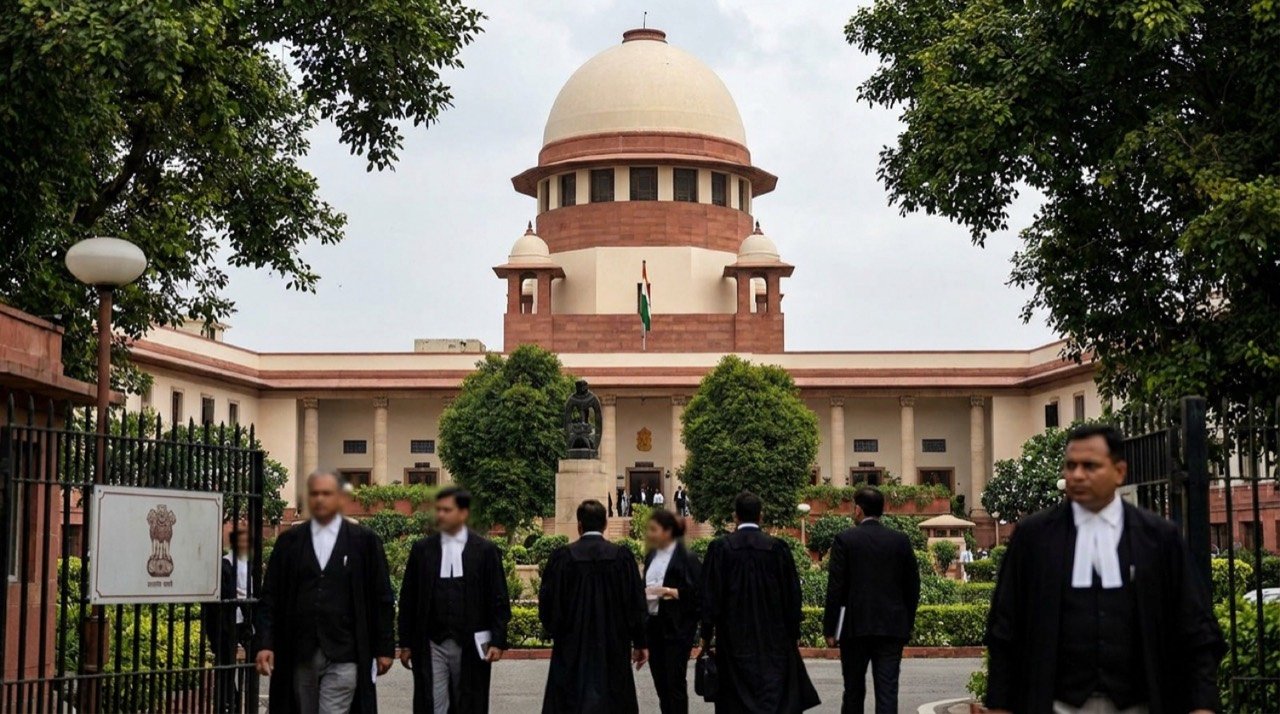
The Supreme Court has sharply questioned what was described as an obstructionist approach by the Central Adoption Resource Authority (CARA) in an adoption-related matter, putting renewed attention on the long waits endured by both children seeking homes and the parents hoping to give them one. The court's remarks have struck a chord with families navigating an adoption system widely seen as well-intentioned but slow.
The court's concern
According to a report in the Times of India, the bench's comments centred on a simple principle: agencies must act in the best interests of the child rather than allow procedure to become an obstacle in itself. The observation reflects growing judicial impatience with bureaucratic bottlenecks that can leave a child in institutional care for months or years even when willing families are ready and vetted.
CARA, which functions under the Ministry of Women and Child Development, is the statutory body that regulates and monitors both in-country and inter-country adoptions in India. It maintains the central registry that matches prospective parents with children and enforces the legal safeguards that protect against trafficking and fraud.
Why adoption in India is slow
India's adoption framework is deliberately rigorous. Prospective parents undergo home-study reports, background checks, eligibility verification and legal scrutiny before a placement is finalised. These safeguards exist for good reason, protecting vulnerable children from exploitation. But the same layers of caution, when paired with limited capacity and procedural rigidity, can translate into protracted delays that deepen uncertainty for everyone involved.
A wider policy test
The case raises a question that extends well beyond a single file: how can the system maintain strict child-protection standards while also being humane, predictable and responsive? Child-rights advocates argue that timelines, transparency and accountability can coexist with safeguards, and that excessive caution should not itself become a form of harm.
- The Supreme Court questioned CARA's alleged obstructionist approach.
- The court stressed that the child's best interests must come first.
- CARA regulates both domestic and inter-country adoptions in India.
- Strict checks protect children but can cause long delays.
- Advocates want faster, more predictable timelines without weakening safeguards.
“Agencies must act in the best interests of the child, not allow process to become an obstacle.”
— Supreme Court observations, as reported
The matter will be closely tracked by adoption advocates, child-welfare groups and families working through domestic and inter-country rules. If the court's intervention nudges CARA toward faster, more transparent decision-making, it could ease the wait for thousands of children and the families ready to welcome them.
The NE Times View
The Court's rebuke is justified and overdue; behind every bureaucratic delay is a child without a family and parents worn down by waiting. Adoption in India is choked by process designed to prevent rare abuses at the cost of countless legitimate placements. CARA must streamline without lowering safeguards, a balance it has so far failed. This is a welcome instance of judicial pressure aimed squarely at administrative inertia that real people suffer for.
This article is original commentary and analysis by The NE Times. Background facts were referenced from Times of India and CARA.
You may also like to read
Supreme Court calls homemakers 'nation builders', fixes Rs 30,000 monthly value for domestic care
In a judgment recognising the economic worth of unpaid domestic work, the court set a benchmark notional income for assessing the loss of a homemaker's contribution in motor accident claims.
Supreme Court Refuses to Review Collegium Recommendation Process
The Supreme Court declined a Himachal Pradesh judicial officer's plea, warning that scrutiny of confidential collegium deliberations could open a difficult precedent in judicial appointments.

Supreme Court Notes CBSE Policy for West Asia Class 12 Students, Disposes Plea
The Supreme Court closed a Saudi Arabia-based candidate's petition after the Centre cited a fresh CBSE policy to declare Class 12 results for West Asian students whose board exams were cancelled amid regional conflict.
Supreme Court Fines Chhattisgarh Rs 2 Lakh in Decades-Old Land Compensation Case
The Supreme Court has fined the Chhattisgarh government Rs 2 lakh and upheld compensation with interest for landowners whose plot was taken for a road in 1986 without payment.
More from this section
More
AICTE Industry Fellowship 2026: Rs 1.5 Lakh Scheme Closes July 5
The AICTE Industry Fellowship Programme 2026, which places technical-education faculty inside leading companies on a Rs 1.5 lakh monthly stipend, reached its application deadline on July 5.
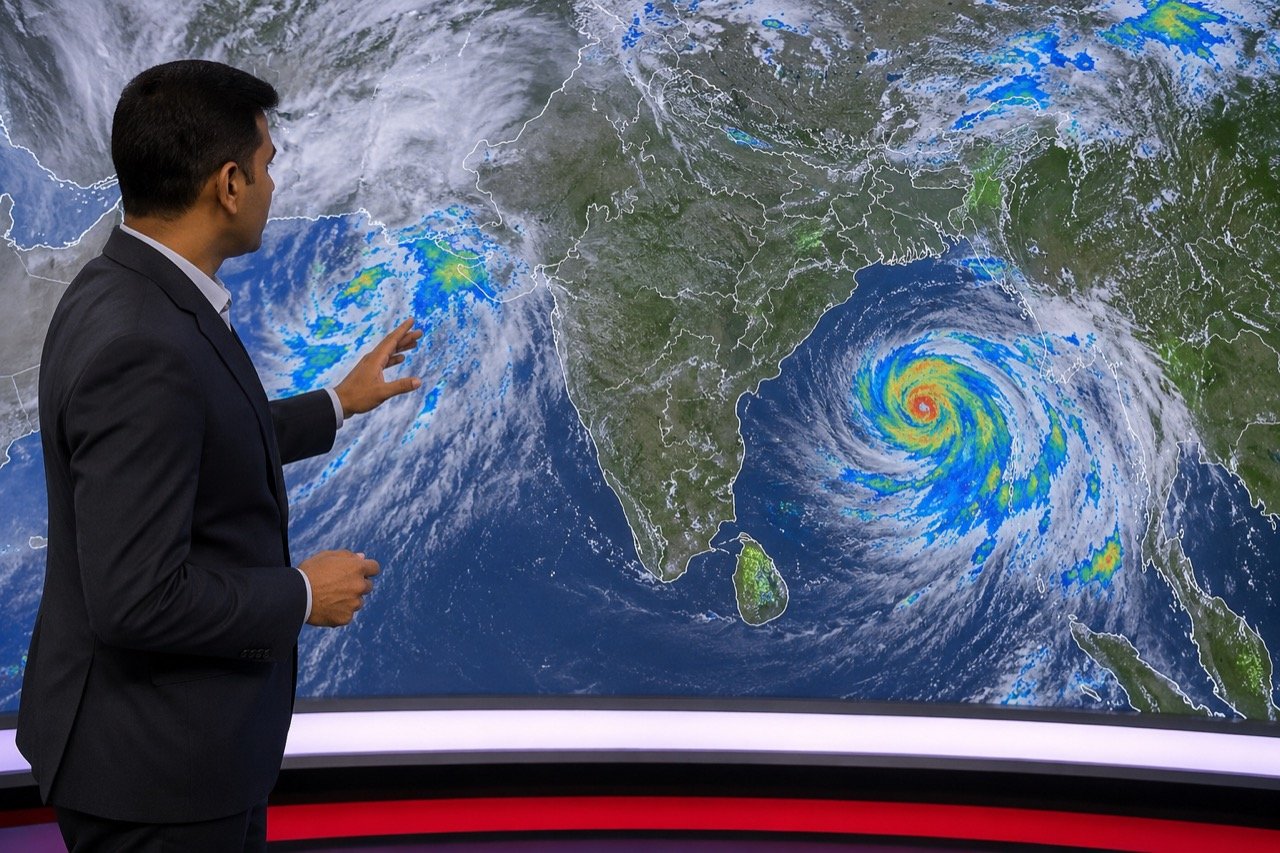
Bay of Bengal Low Pressure System Revives Monsoon Over Western India
A low-pressure system over the Bay of Bengal has pushed the monsoon back into an active phase, bringing steady heavy rain to Kerala, coastal Karnataka and Maharashtra, and putting Mumbai and Pune on preparedness watch.
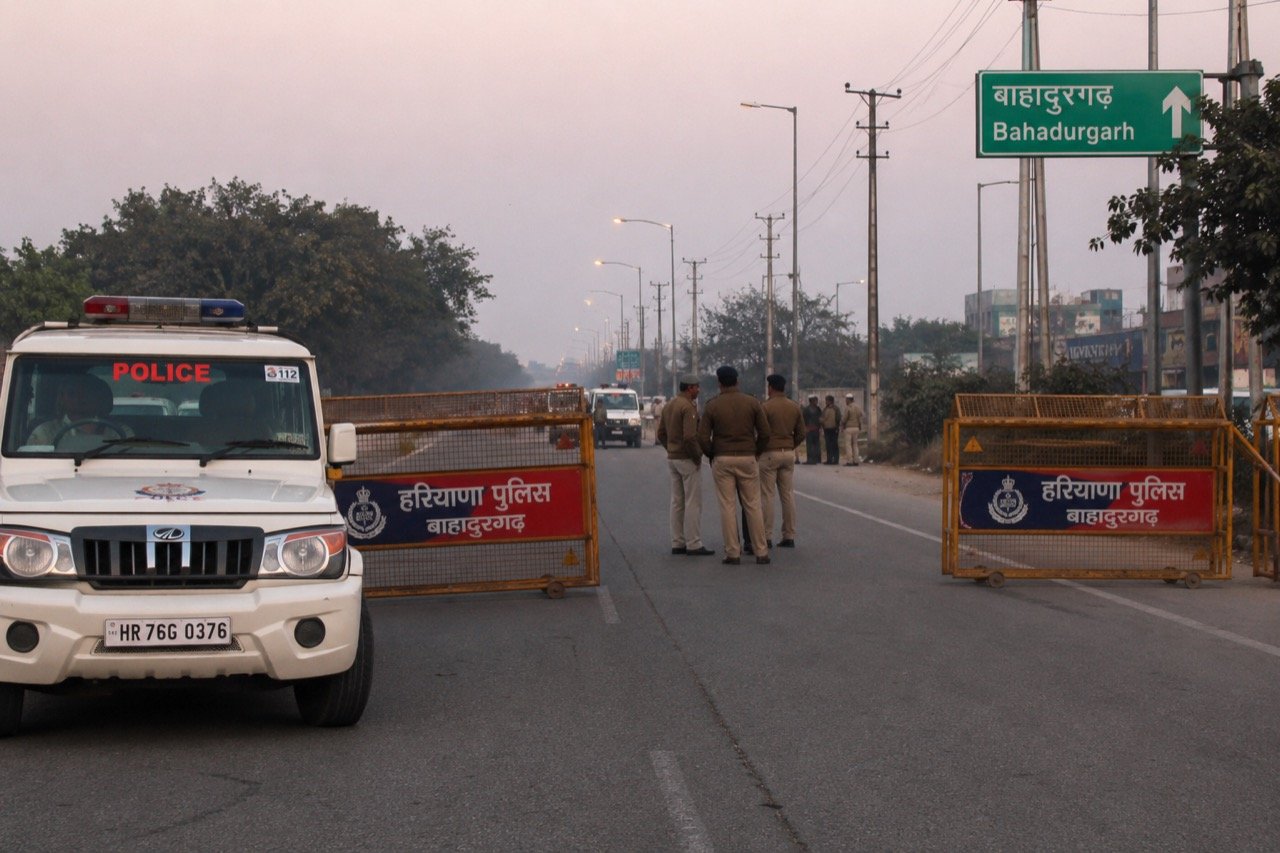
Bishnoi Gang Suspects Injured in Haryana Encounter as Police Tighten Net
A joint Haryana-Delhi Police operation in Bahadurgarh left two suspected Lawrence Bishnoi gang members injured, spotlighting the multi-state coordination now central to India's fight against organised crime networks.