Supreme Court Notes CBSE Policy for West Asia Class 12 Students, Disposes Plea
The Supreme Court closed a Saudi Arabia-based candidate's petition after the Centre cited a fresh CBSE policy to declare Class 12 results for West Asian students whose board exams were cancelled amid regional conflict.
Commentary & Analysis ·

The Supreme Court has disposed of a petition filed by a Class 12 private candidate based in Saudi Arabia after taking note of a fresh policy framed by the Central Board of Secondary Education for students in West Asian countries whose examinations were disrupted by the region's security crisis. The order brings a measure of clarity to thousands of families who had been left in limbo over when and how their children's results would be declared.
What the case was about
The dispute arose after CBSE examinations scheduled at several West Asian centres were cancelled because of the deteriorating security situation. With the exams scrapped, the question of how to declare results, and on what basis, became urgent for candidates whose academic and immigration timelines depended on them.
Earlier coverage reported that CBSE exams slated between March 16 and April 10, 2026, were cancelled across countries including Bahrain, Iran, Kuwait, Oman, Qatar, Saudi Arabia and the United Arab Emirates, affecting both regular and private candidates in a region with a large Indian expatriate population.
What unfolded in court
Solicitor General Tushar Mehta informed a bench of Justices SVN Bhatti and Vipul M Pancholi about the new policy being put in place to address the affected students, according to the Indian Express. Satisfied that a mechanism was being framed, the bench recorded the submission and disposed of the plea.
By taking the policy on record rather than issuing fresh directions, the court signalled confidence that the administrative process would deliver the results without further judicial intervention, while leaving the door open for aggrieved candidates should the policy fall short.
Why it matters for families abroad
For Indian families living in West Asia, a delayed or uncertain Class 12 result is far more than an inconvenience. It can derail college admissions in India and overseas, complicate improvement examinations, and disrupt migration-linked education plans that hinge on certified marks.
- Petition filed by a Saudi Arabia-based Class 12 private candidate.
- CBSE exams cancelled across several West Asian centres over security concerns.
- Affected countries reportedly included Bahrain, Iran, Kuwait, Oman, Qatar, Saudi Arabia and the UAE.
- Solicitor General Tushar Mehta told the bench a results policy is in progress.
- The court disposed of the plea after noting the policy.
The outcome offers reassurance to a community that often falls between national systems, but its real test will be in execution: how quickly CBSE notifies and applies the policy, and whether the declared results stand up to the admission and verification requirements that students abroad must meet. For now, the legal cloud over the cohort has lifted.
The NE Times View
A pragmatic outcome: a fresh CBSE policy let the court close the matter without prolonged litigation, sparing students caught between regional conflict and a stalled academic year. The episode is a quiet reminder that India's responsibility to its diaspora extends to schoolchildren abroad whose futures hinge on a result sheet. The better lesson is to build standing contingency rules, so the next crisis does not require a courtroom to deliver a fair answer.
This article is original commentary and analysis by The NE Times. Background facts were referenced from The Indian Express and NDTV.
You may also like to read
CBSE Issues Revised Class 12 Marksheets After Re-Evaluation: What Students Must Do
CBSE has directed schools to collect original Class 12 marksheets and issue revised documents to students whose scores changed after re-evaluation, a step with real stakes for admissions, scholarships and verification.
CBSE's Gulf Class 12 Assessment Formula Explained for Overseas Indian Students
With thousands of CBSE students in the Gulf, the board's assessment formula for Class 12 has drawn fresh attention over how marks are computed for schools outside India.
CBSE Three-Language Policy Reaches Supreme Court as Schools, Parents and Teachers Raise Practical Concerns
The Supreme Court is hearing challenges to CBSE's Class 9 three-language policy, balancing multilingual education with concerns over teachers, books, choice and implementation timelines.
Supreme Court Points West Bengal Ration-Linked SIR Plea Toward Calcutta High Court
The Supreme Court declined urgent listing of a plea alleging ration denial to people dropped from West Bengal voter lists after the SIR exercise, indicating the petitioner should approach the High Court.
More from this section
More
AICTE Industry Fellowship 2026: Rs 1.5 Lakh Scheme Closes July 5
The AICTE Industry Fellowship Programme 2026, which places technical-education faculty inside leading companies on a Rs 1.5 lakh monthly stipend, reached its application deadline on July 5.
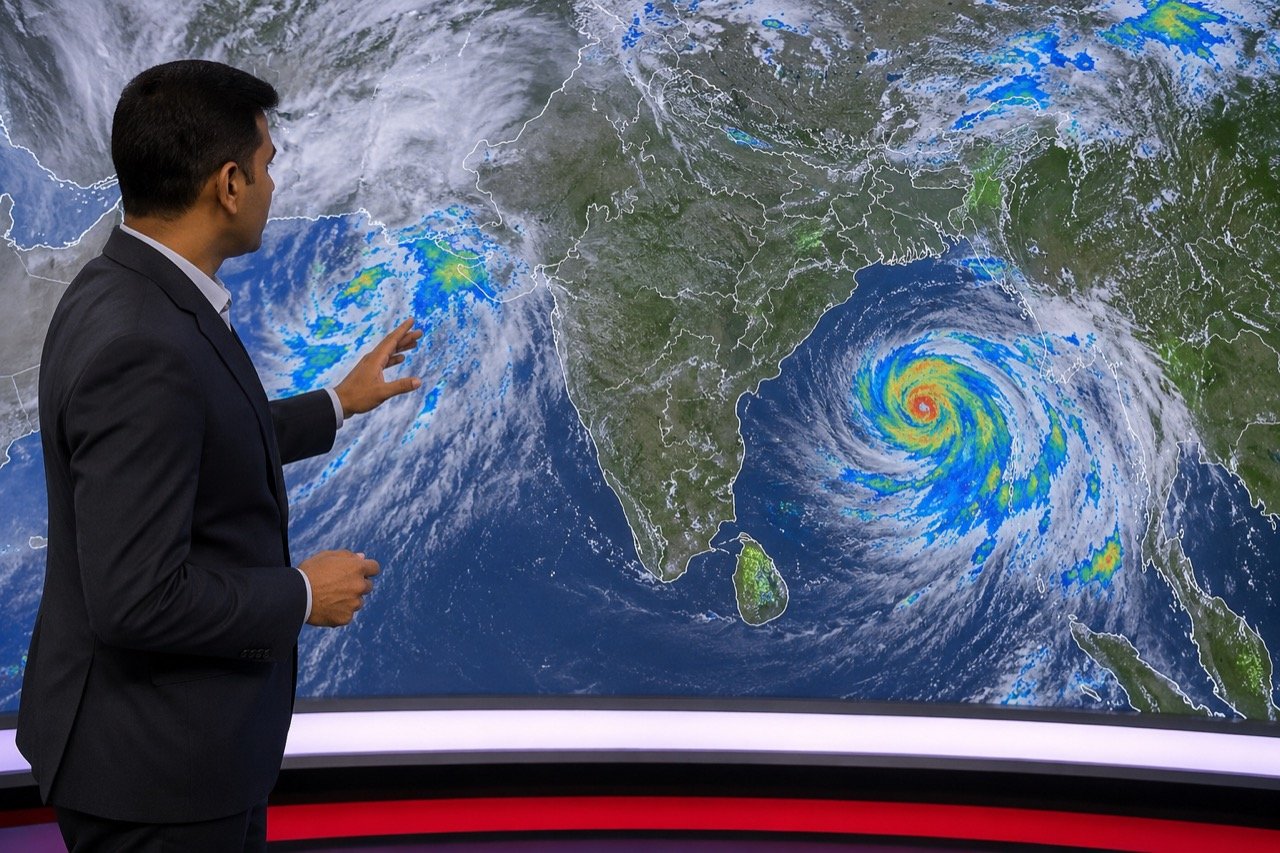
Bay of Bengal Low Pressure System Revives Monsoon Over Western India
A low-pressure system over the Bay of Bengal has pushed the monsoon back into an active phase, bringing steady heavy rain to Kerala, coastal Karnataka and Maharashtra, and putting Mumbai and Pune on preparedness watch.
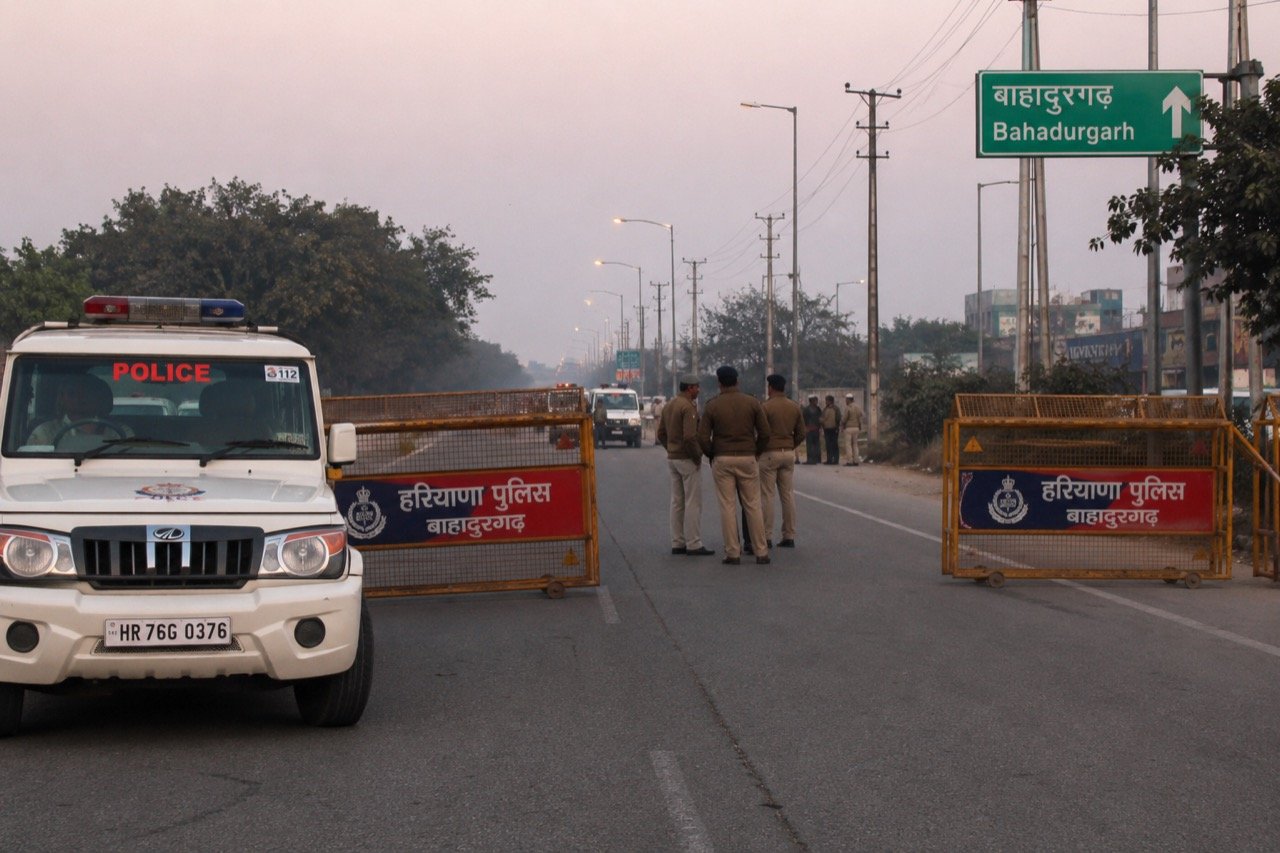
Bishnoi Gang Suspects Injured in Haryana Encounter as Police Tighten Net
A joint Haryana-Delhi Police operation in Bahadurgarh left two suspected Lawrence Bishnoi gang members injured, spotlighting the multi-state coordination now central to India's fight against organised crime networks.