Two-Term Board Exams and Curriculum Overhaul Reshape Indian Schooling in 2026
From a twice-a-year Class 10 board format to thinner, competency-based textbooks in several states, India's school system is entering its biggest assessment shift in years.
Commentary & Analysis ·
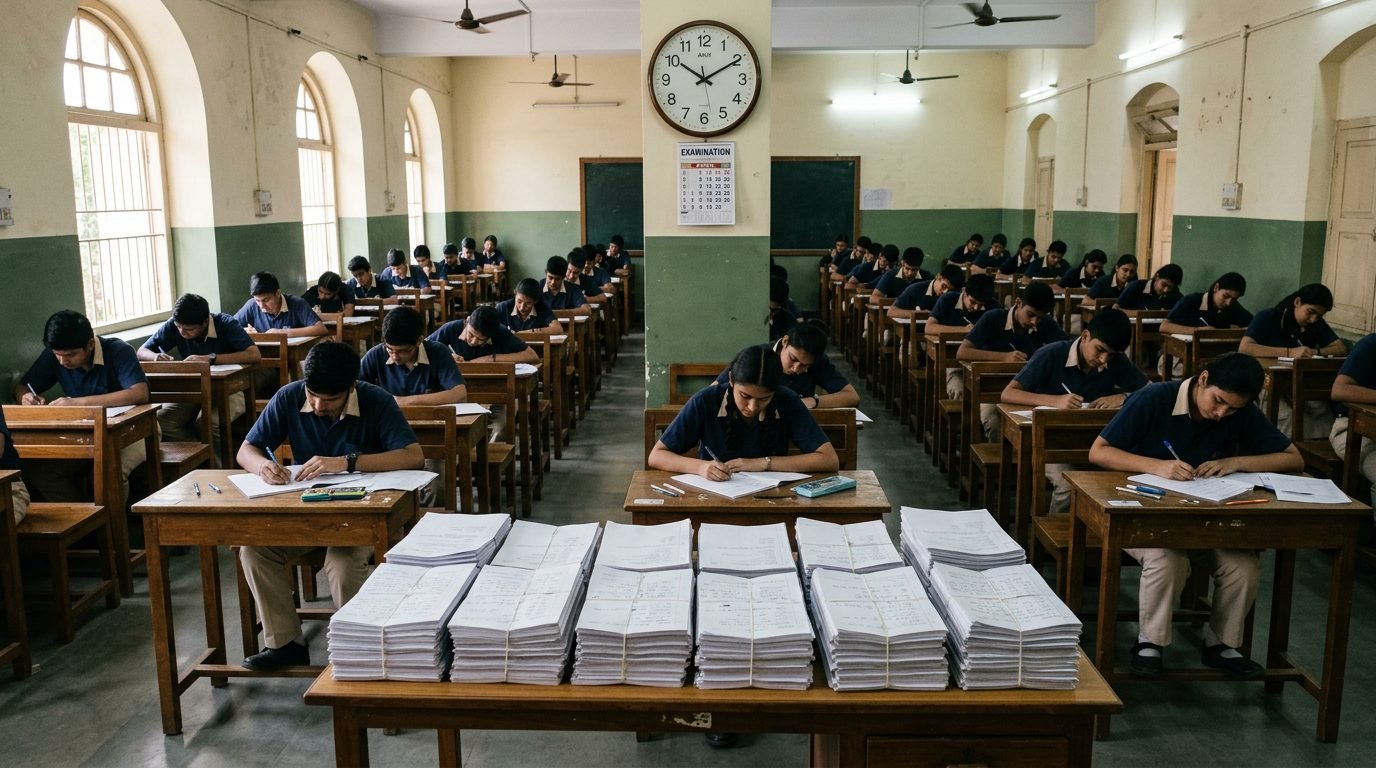
India's school education system is undergoing a structural shift this year as the Central Board of Secondary Education rolls out a two-term examination format for Class 10, part of a broader alignment with the National Education Policy 2020. The change splits the high-stakes board exam into two sittings, reworking an assessment that has long carried outsized weight in students' lives.
For generations, the Class 10 board exam has been a single, decisive event whose result can shape a student's academic path. Moving to two terms is therefore more than an administrative tweak; it is an attempt to recast the very nature of the exam, lowering the stakes of any single attempt and nudging the system away from one-shot, memory-driven testing.
How the new pattern works
Under the new pattern, students sit the first examination in the middle of the academic year and a second later, with the better-performing attempt counting toward results. The board has paired this with stricter attendance norms and the introduction of subjects such as science and mathematics at two difficulty levels.
Allowing the higher of the two scores to count is designed to take some of the pressure off any single exam day, giving students a second chance rather than a single make-or-break moment. Offering core subjects at two difficulty tiers, meanwhile, lets pupils pick a level that matches their strengths and intended path, easing the one-size-fits-all rigidity that has long defined board assessment.
States revise their frameworks
Beyond the central board, states are revising their own curriculum frameworks in line with the National Curriculum Framework's call to cut content load and move toward competency-based learning. States including Bihar, Rajasthan and Madhya Pradesh are seen as key test cases for how the reforms translate from policy into the classroom.
Because education is a shared responsibility between the centre and the states, a large share of Indian students study under state boards rather than the CBSE. That makes the parallel state-level revisions just as consequential as the central reforms - and the experience of large states will offer an early read on whether thinner, competency-focused syllabi can be delivered at scale.
A mixed reception
The reforms have drawn a mixed response. Supporters argue the changes ease exam anxiety and reward understanding over rote learning, while critics question whether schools, particularly in under-resourced areas, are equipped to deliver the new format without confusion during the transition.
The debate breaks along familiar lines:
- Supporters: a twice-a-year format reduces the pressure of one decisive exam
- Supporters: tiered subjects and competency-based learning reward understanding over memorisation
- Critics: under-resourced schools may struggle to deliver the new format smoothly
- Critics: students and parents face confusion during the transition period
The first full cycle under the new system will be its real test, watched closely by educators, parents and policymakers alike. Whether the two-term model and slimmer curricula deliver the intended shift - less anxiety, deeper learning - will depend heavily on how evenly schools across India's vastly different settings are able to implement them.
The NE Times View
Twice-yearly boards and competency-based textbooks aim squarely at India's exam-cramming culture, and the intent to test understanding over rote recall is sound. The risk lies in execution: two exam cycles can ease pressure or simply double it, depending on how schools and students adapt. Teacher training and equity across under-resourced schools will decide whether this reform liberates learning or deepens the gap between the prepared and the left-behind.
This article is original commentary and analysis by The NE Times. Background facts were referenced from Indian Express, Hindustan Times.
You may also like to read
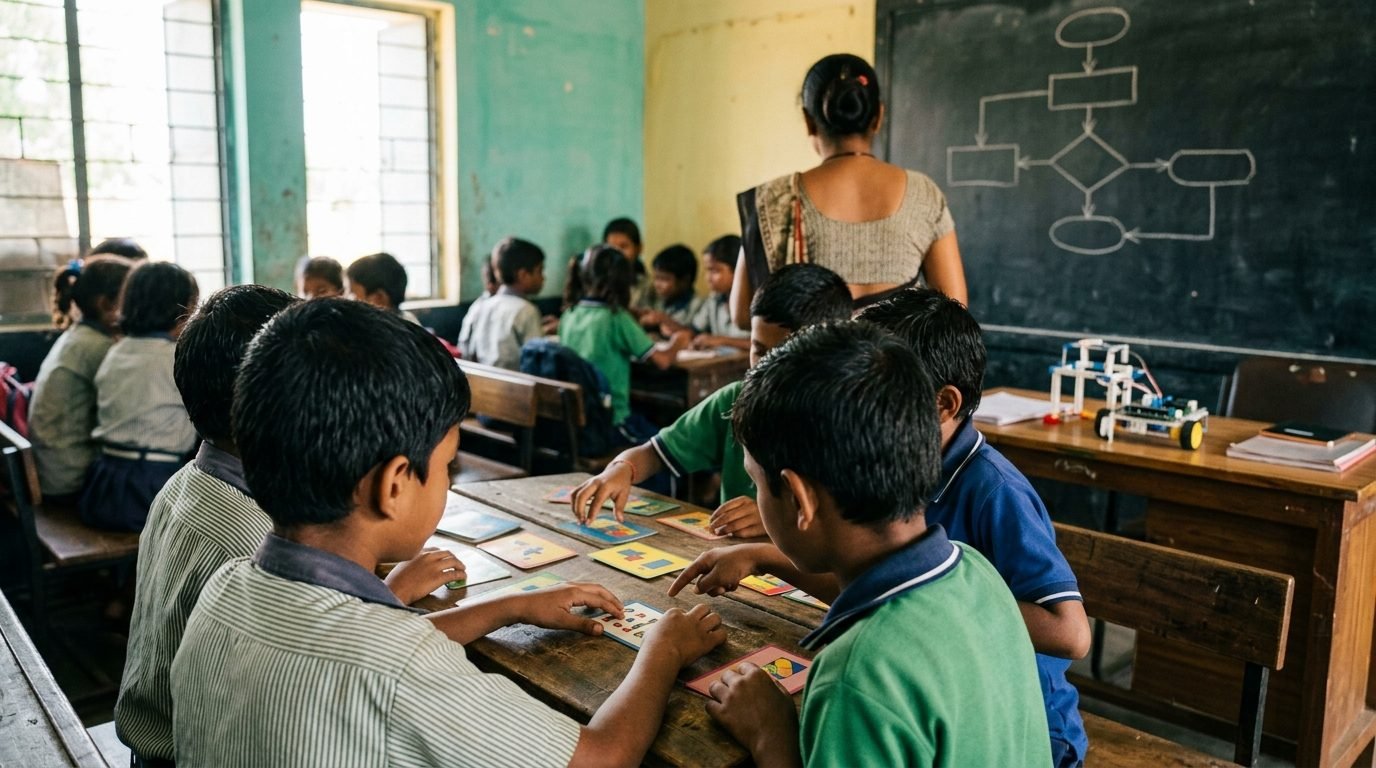
India to teach AI and computational thinking from Class 3 in new school curriculum
Under a curriculum drafted for Classes 3 to 12, students will begin with logic puzzles, pattern recognition and basic algorithmic thinking from the foundational stage, with the rollout for Classes 3 to 8 set for the 2026-27 academic year.

Supreme Court Notes CBSE Policy for West Asia Class 12 Students, Disposes Plea
The Supreme Court closed a Saudi Arabia-based candidate's petition after the Centre cited a fresh CBSE policy to declare Class 12 results for West Asian students whose board exams were cancelled amid regional conflict.
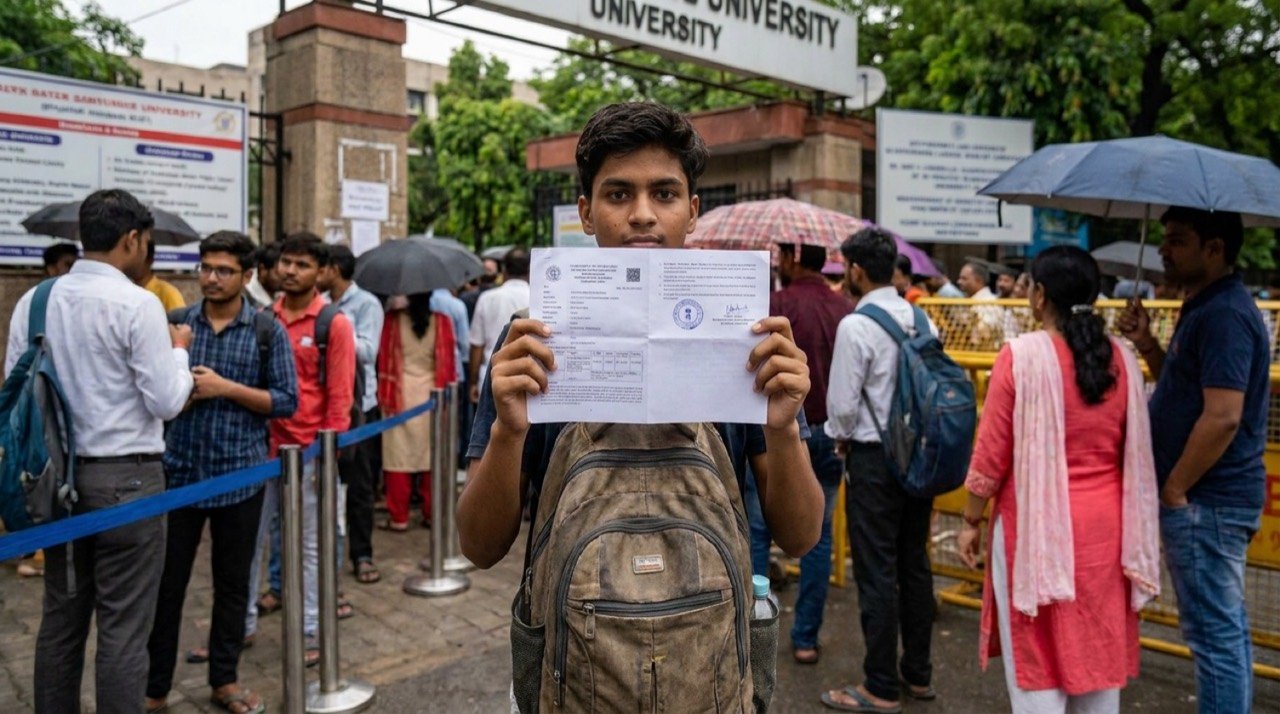
CBSE Issues Revised Class 12 Marksheets After Re-Evaluation: What Students Must Do
CBSE has directed schools to collect original Class 12 marksheets and issue revised documents to students whose scores changed after re-evaluation, a step with real stakes for admissions, scholarships and verification.
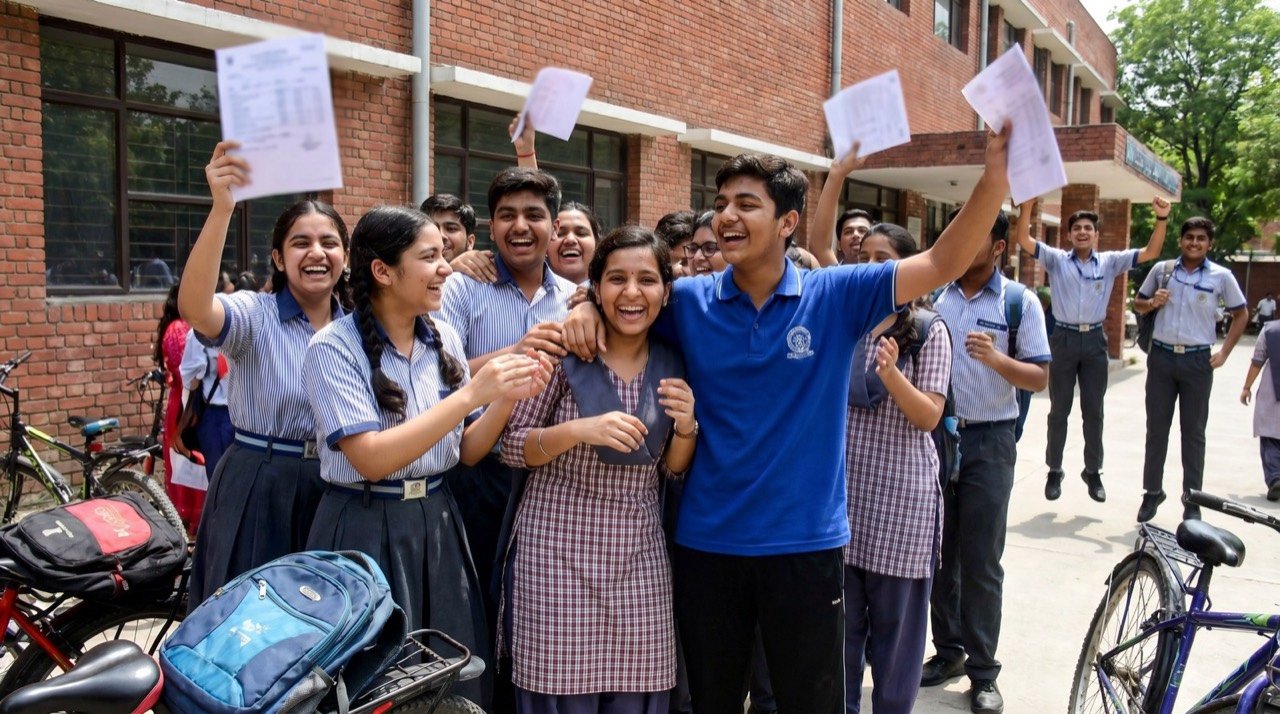
Exam Season Peaks as CBSE and CUET Results Near, NEET Looms
June marks a high point in India's academic calendar, with CBSE preparing to declare Class 10 second-board results, CUET-UG scores due shortly and the NEET undergraduate exam scheduled for later in the month.
More from this section
More
AICTE Industry Fellowship 2026: Rs 1.5 Lakh Scheme Closes July 5
The AICTE Industry Fellowship Programme 2026, which places technical-education faculty inside leading companies on a Rs 1.5 lakh monthly stipend, reached its application deadline on July 5.
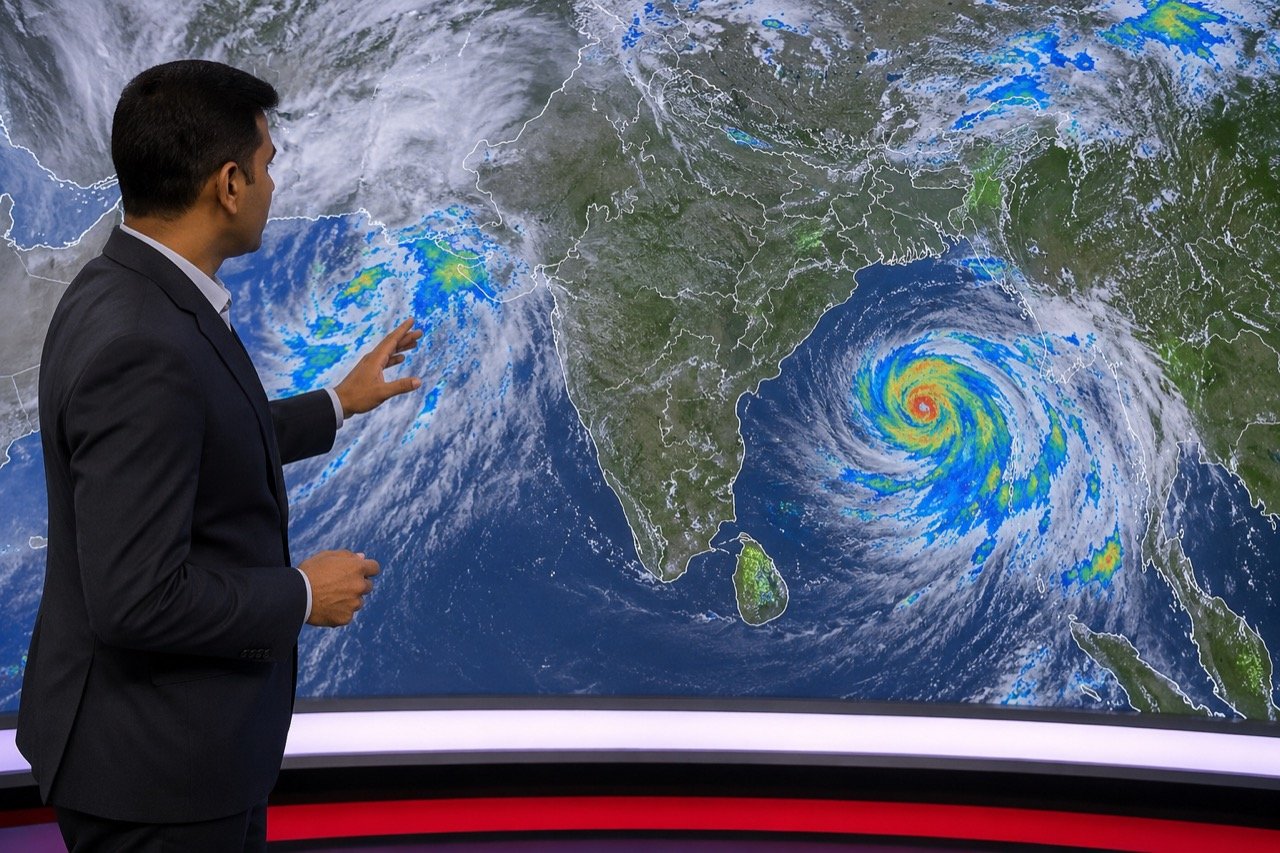
Bay of Bengal Low Pressure System Revives Monsoon Over Western India
A low-pressure system over the Bay of Bengal has pushed the monsoon back into an active phase, bringing steady heavy rain to Kerala, coastal Karnataka and Maharashtra, and putting Mumbai and Pune on preparedness watch.
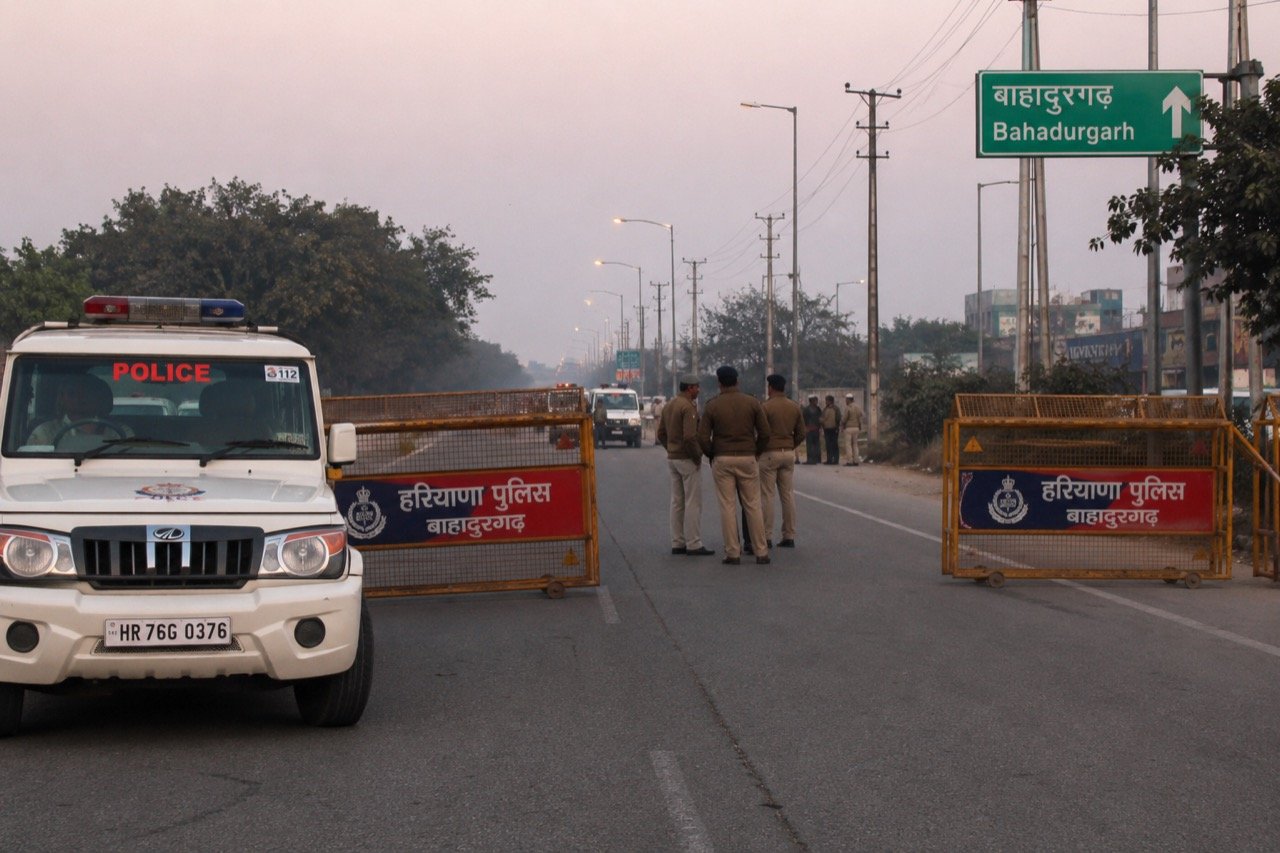
Bishnoi Gang Suspects Injured in Haryana Encounter as Police Tighten Net
A joint Haryana-Delhi Police operation in Bahadurgarh left two suspected Lawrence Bishnoi gang members injured, spotlighting the multi-state coordination now central to India's fight against organised crime networks.