India to teach AI and computational thinking from Class 3 in new school curriculum
Under a curriculum drafted for Classes 3 to 12, students will begin with logic puzzles, pattern recognition and basic algorithmic thinking from the foundational stage, with the rollout for Classes 3 to 8 set for the 2026-27 academic year.
Commentary & Analysis ·
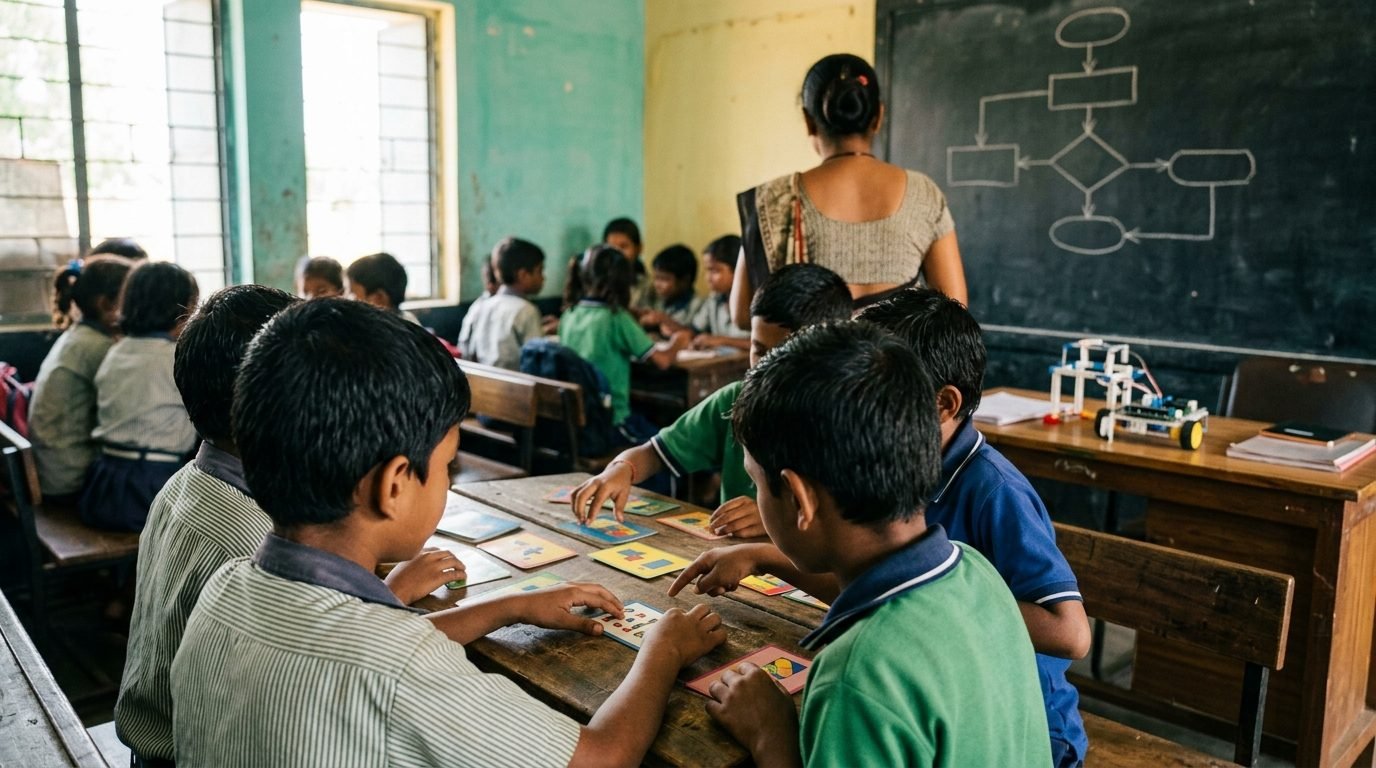
India's school system is preparing to introduce artificial intelligence and computational thinking as a regular part of the curriculum from Class 3 onwards, with the change set to begin in the 2026-27 academic year. The move extends structured exposure to computing concepts to children at the foundational stage of schooling, far earlier than such subjects have traditionally appeared.
The curriculum has been developed under the framework that guides school education in line with the national education policy, and it is designed to embed computational thinking organically rather than treat it as an isolated technical subject. The first phase covers Classes 3 to 8, with material extending up to Class 12 in the broader plan.
What the youngest students will learn
For the earliest grades, the emphasis is on thinking skills rather than coding or advanced technology. The curriculum for Classes 3 to 5 is built around activities such as logic puzzles, pattern recognition, breaking multi-step problems into smaller parts and basic algorithmic thinking.
- Logic puzzles to build reasoning skills
- Pattern recognition exercises
- Decomposing multi-step problems into manageable pieces
- Introduction to basic algorithmic thinking
The intention is to develop the underlying habits of structured problem-solving early, so that more advanced concepts in later grades rest on a familiar foundation. The framing of 'AI for public good' runs through the design, positioning the technology as a tool to be understood and used responsibly.
A staged rollout
The introduction of the new content is being phased rather than launched across all grades at once. Implementation for Classes 3 to 8 is set to begin in the 2026-27 academic year, with resource books for both students and teachers prepared and made available through official channels.
Circulars issued to schools have set out the introduction of the computational thinking and AI curriculum for the relevant classes and confirmed that student and teacher resource books have been published. The phased approach is intended to give schools time to adapt and to prepare teachers before the material reaches each grade.
Preparing teachers for the change
A central challenge in introducing AI and computational thinking at scale is equipping teachers to deliver unfamiliar content. Teacher training is being routed through the national platform for teacher development, supported by video-based learning resources, so that educators across the system can be brought up to speed.
The success of the rollout is widely seen as depending on this training effort, since many teachers will be encountering structured computational thinking content for the first time. Building their confidence and competence is regarded as essential to moving the curriculum from paper into the classroom.
Why introduce it so early
Supporters of the change argue that introducing computational thinking from the foundational stage helps students develop reasoning and problem-solving abilities that are increasingly relevant across subjects and careers. By starting with puzzles and patterns rather than technical jargon, the curriculum aims to make the concepts accessible to young children.
The broader curriculum also weaves in the idea of using AI for the public good, encouraging students to consider not only how the technology works but how it can be applied responsibly. This values-oriented framing sits alongside the skills-based content as the subject progresses through the grades.
What to watch as schools adapt
As the 2026-27 session approaches, attention turns to how schools across varied settings, from well-resourced urban institutions to schools with fewer facilities, manage the transition. The availability of resource books and digital materials is intended to support uniform delivery, but classroom realities will vary.
The rollout marks one of the more significant curriculum changes in recent years, and its early implementation in Classes 3 to 8 will offer the first evidence of how teaching computational thinking from a young age works in practice across the system.
The NE Times View
Teaching computational thinking from Class 3 is forward-looking, and starting with logic and patterns rather than buzzwords is the right pedagogy. The danger lies in execution: India's schools vary wildly in teacher training and infrastructure, and an AI curriculum that the best-resourced students master while others get nothing would widen, not narrow, the digital divide. Ambition is welcome; the harder, unglamorous work is making sure the rollout reaches every classroom equally.
This article is original commentary and analysis by The NE Times. Background facts were referenced from Drishti IAS and Careers360.
You may also like to read
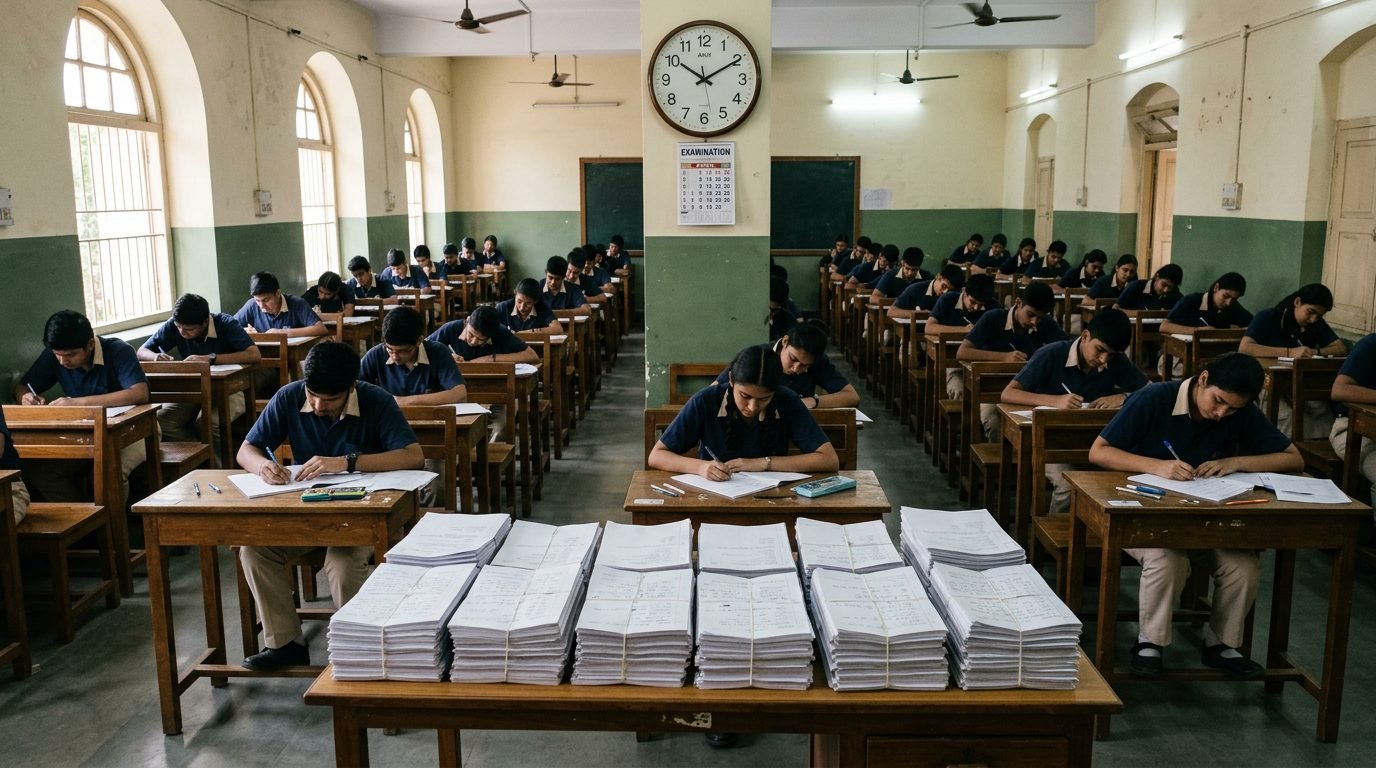
Two-Term Board Exams and Curriculum Overhaul Reshape Indian Schooling in 2026
From a twice-a-year Class 10 board format to thinner, competency-based textbooks in several states, India's school system is entering its biggest assessment shift in years.
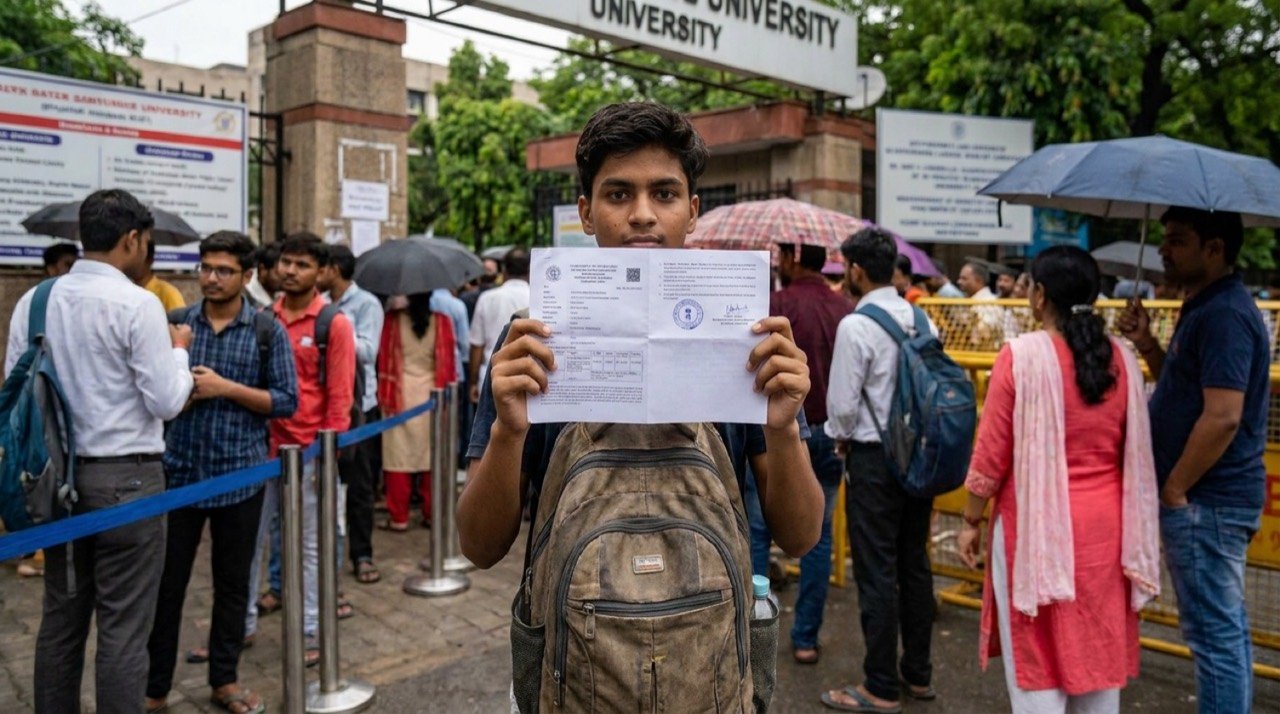
CBSE Issues Revised Class 12 Marksheets After Re-Evaluation: What Students Must Do
CBSE has directed schools to collect original Class 12 marksheets and issue revised documents to students whose scores changed after re-evaluation, a step with real stakes for admissions, scholarships and verification.

CBSE's Gulf Class 12 Assessment Formula Explained for Overseas Indian Students
With thousands of CBSE students in the Gulf, the board's assessment formula for Class 12 has drawn fresh attention over how marks are computed for schools outside India.

Exam Season Peaks as CBSE and CUET Results Near, NEET Looms
June marks a high point in India's academic calendar, with CBSE preparing to declare Class 10 second-board results, CUET-UG scores due shortly and the NEET undergraduate exam scheduled for later in the month.
More from this section
More
AICTE Industry Fellowship 2026: Rs 1.5 Lakh Scheme Closes July 5
The AICTE Industry Fellowship Programme 2026, which places technical-education faculty inside leading companies on a Rs 1.5 lakh monthly stipend, reached its application deadline on July 5.

Bay of Bengal Low Pressure System Revives Monsoon Over Western India
A low-pressure system over the Bay of Bengal has pushed the monsoon back into an active phase, bringing steady heavy rain to Kerala, coastal Karnataka and Maharashtra, and putting Mumbai and Pune on preparedness watch.
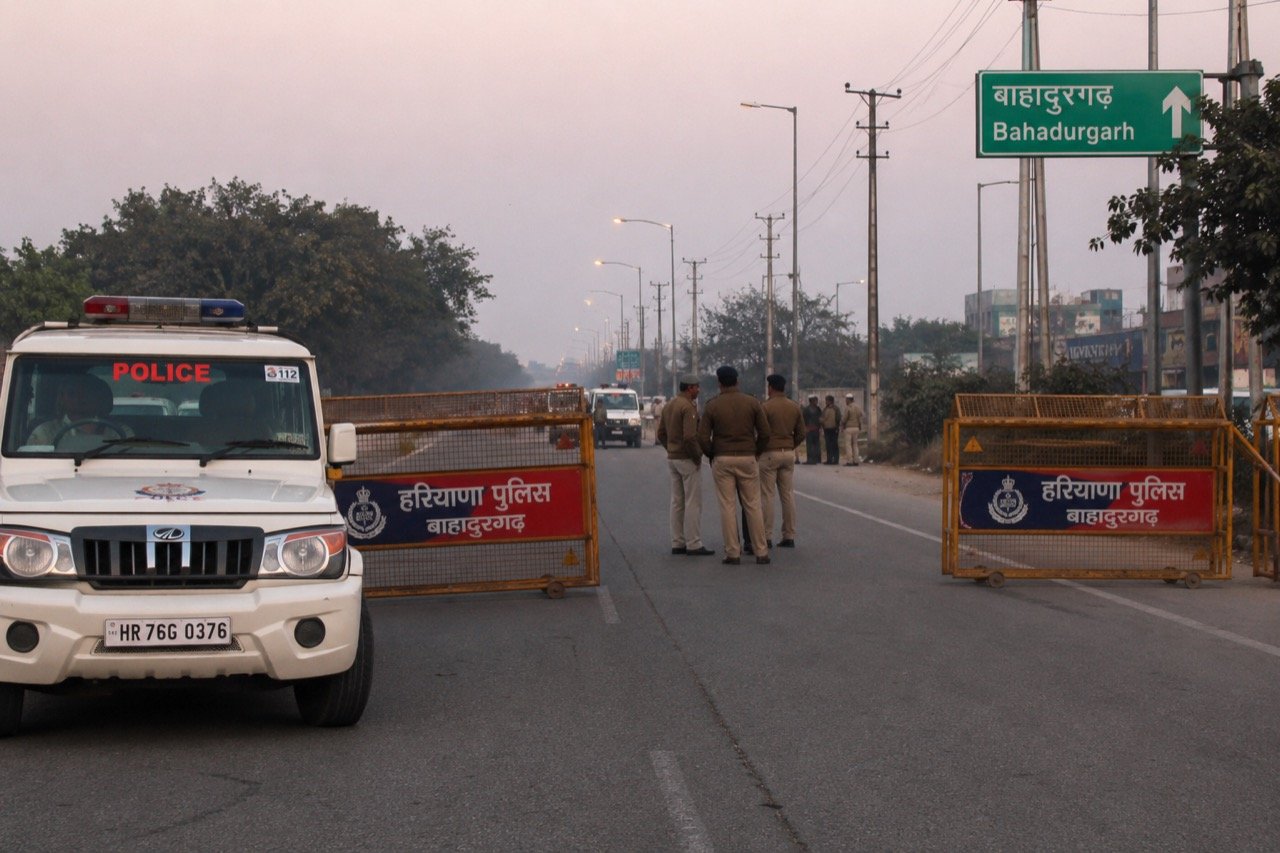
Bishnoi Gang Suspects Injured in Haryana Encounter as Police Tighten Net
A joint Haryana-Delhi Police operation in Bahadurgarh left two suspected Lawrence Bishnoi gang members injured, spotlighting the multi-state coordination now central to India's fight against organised crime networks.