Tamil Nadu Moves Supreme Court Over Thirupparankundram Deepam Order
The Tamil Nadu government has approached the Supreme Court against a Madras High Court order permitting a ceremonial Karthigai Deepam lamp on Thirupparankundram hill, reviving a sensitive land and faith dispute.
Commentary & Analysis ·
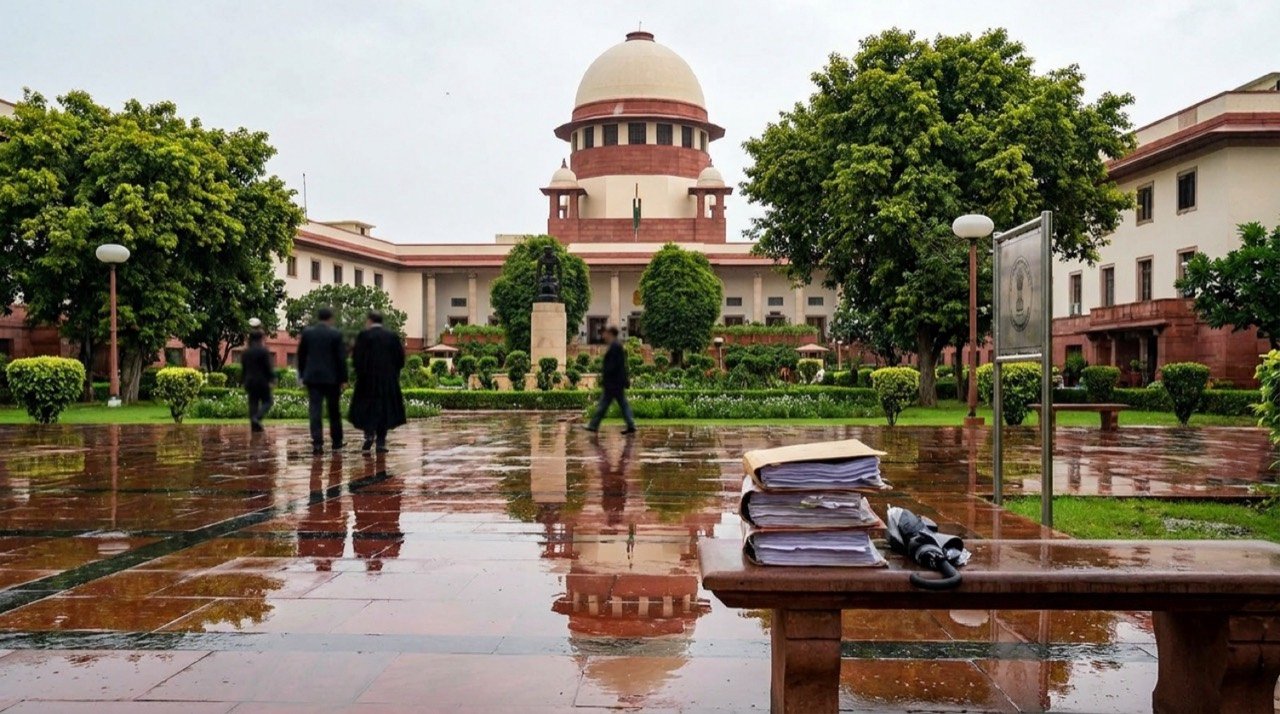
A long-simmering dispute over a single ceremonial lamp on a Madurai hillside has now reached the country's highest court. The Tamil Nadu government has moved the Supreme Court to challenge a Madras High Court order that allowed a lamp to be lit on Thirupparankundram hill during the Karthigai Deepam festival, a case that braids together questions of religious practice, land ownership and public order in a state long sensitive to all three.
What the High Court ruled
The state's petition, filed through its counsel, challenges the January 6 order of the Madurai bench, which had upheld an earlier single-judge direction permitting the ceremonial Deepam. In doing so, the High Court declined to block a practice that devotees regard as integral to the festival.
Central to the High Court's reasoning was the status of the land. The bench observed that the Deepathoon pillar stands on land belonging to the Sri Subramania Swamy Temple and that the Waqf Board presently has no locus over the spot, a finding that goes to the heart of the contest over who controls the site.
Why the state is appealing
For the Tamil Nadu administration, the calculation appears to rest heavily on public order. Festivals at contested sites can become flashpoints, and governments often prefer caution to confrontation, even when courts permit a practice.
By taking the matter to the Supreme Court, the state effectively asks the judiciary to weigh administrative concerns about peace and security against the High Court's view of religious entitlement and land title.
- Tamil Nadu has challenged the Madras High Court order in the Supreme Court
- The petition targets the January 6 order of the Madurai bench
- The High Court upheld an earlier single-judge direction on the Deepam
- The Deepathoon pillar was found to stand on Sri Subramania Swamy Temple land
- The Waqf Board was held to have no present locus over the spot
“The case asks the court to balance a recognised religious practice against the administration's duty to maintain public order at a contested site.”
— Constitutional law observer
The balance ahead
However the Supreme Court approaches the matter, its handling will be watched as a marker for how the judiciary reconciles competing claims around places of worship. The dispute touches temple land questions, festival traditions and the administrative instinct toward caution, each of which carries resonance well beyond Thirupparankundram.
For now, the practical question of whether the Deepam can be lit without controversy hangs on the outcome. The legal answer, when it comes, may set expectations for similar disputes where faith, land and order intersect across the country.
The NE Times View
Disputes over a single hill rarely stay about the hill. Thirupparankundram sits at the combustible intersection of land rights, competing faiths and electoral calculation, and moving it to the Supreme Court is partly an attempt to cool a local flashpoint with judicial distance. That can buy peace or merely defer it. The state's responsibility is to lower the temperature, not harvest it.
This article is original commentary and analysis by The NE Times. Background facts were referenced from NDTV and PTI.
You may also like to read

Supreme Court Notes CBSE Policy for West Asia Class 12 Students, Disposes Plea
The Supreme Court closed a Saudi Arabia-based candidate's petition after the Centre cited a fresh CBSE policy to declare Class 12 results for West Asian students whose board exams were cancelled amid regional conflict.
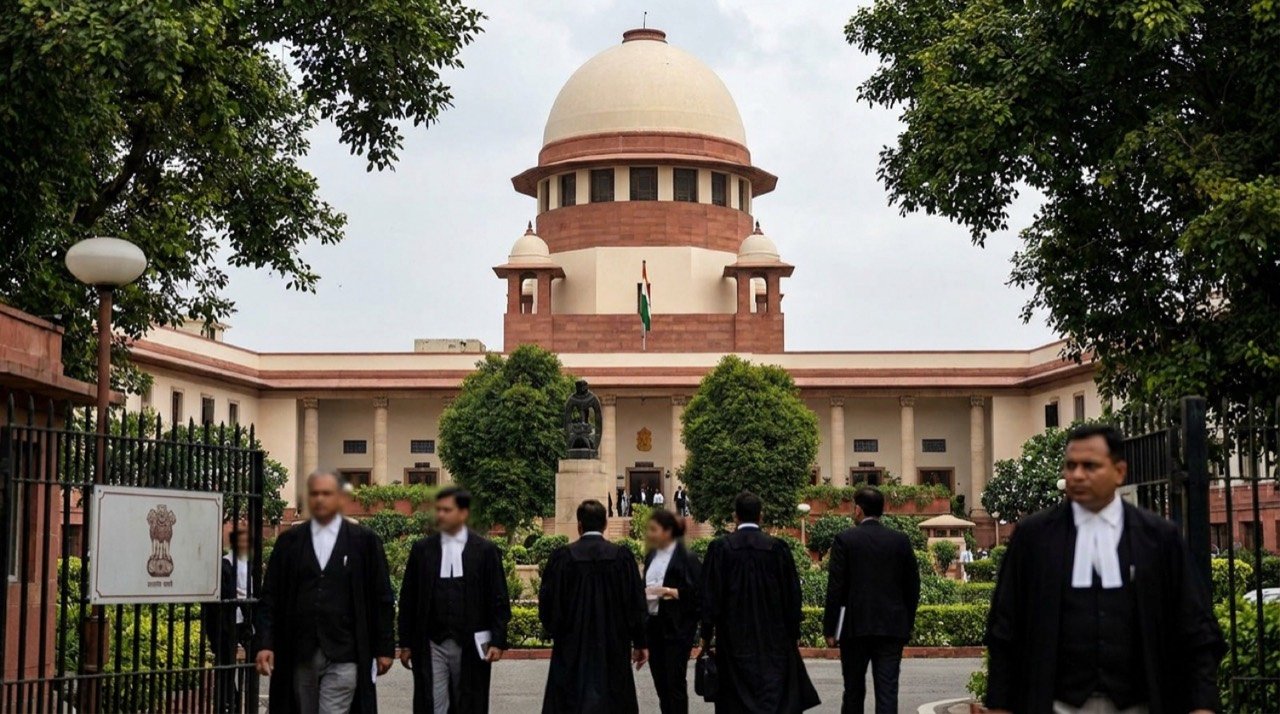
Supreme Court Pulls Up CARA Over Adoption Delays For Waiting Families
The Supreme Court has questioned an alleged obstructionist approach by the Central Adoption Resource Authority, spotlighting the long delays faced by children and prospective parents seeking permanent families.
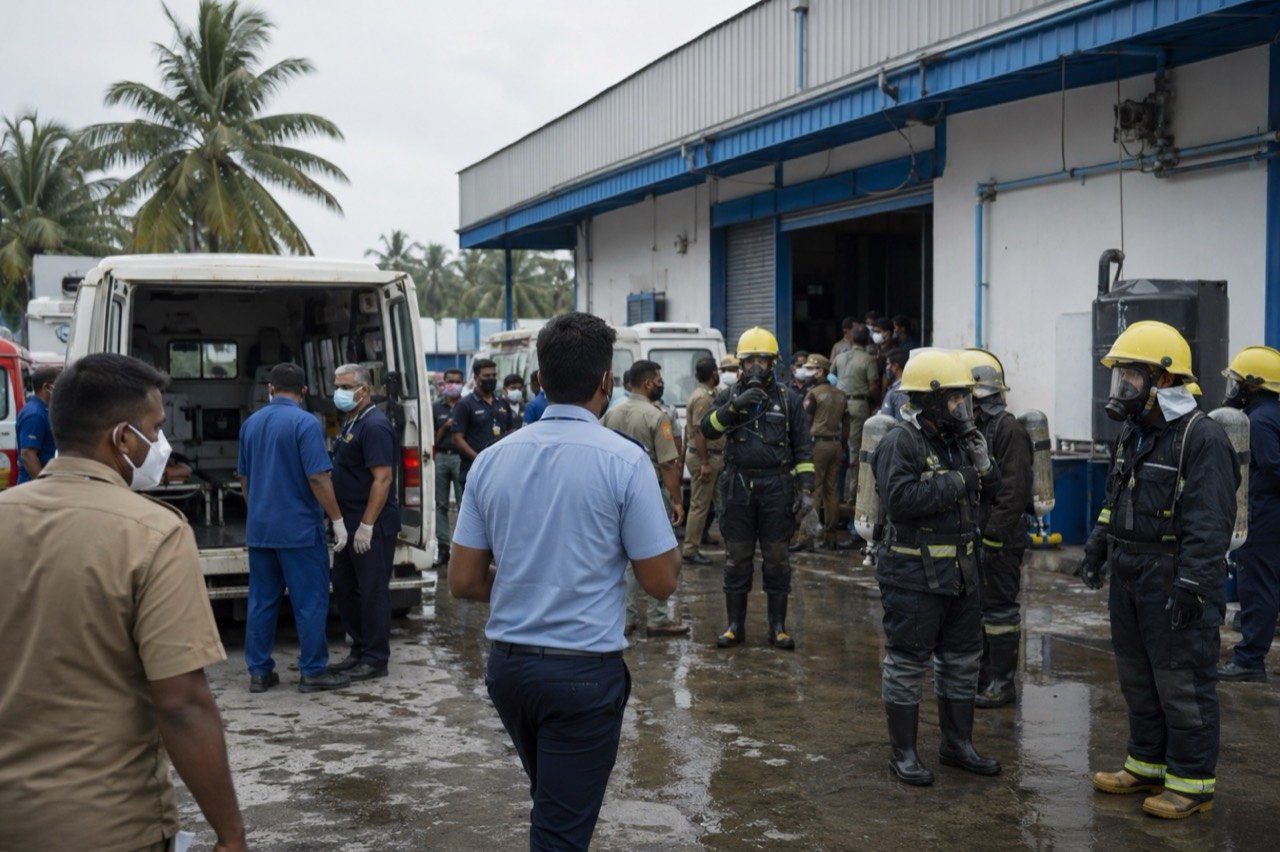
Tamil Nadu Ammonia Leak Death Toll Rises to Nine as Safety Questions Mount
Nine workers have now died after an ammonia gas leak at a Tamil Nadu seafood processing unit, reviving urgent scrutiny of industrial safety, refrigeration norms and emergency response in India's cold-chain sector.
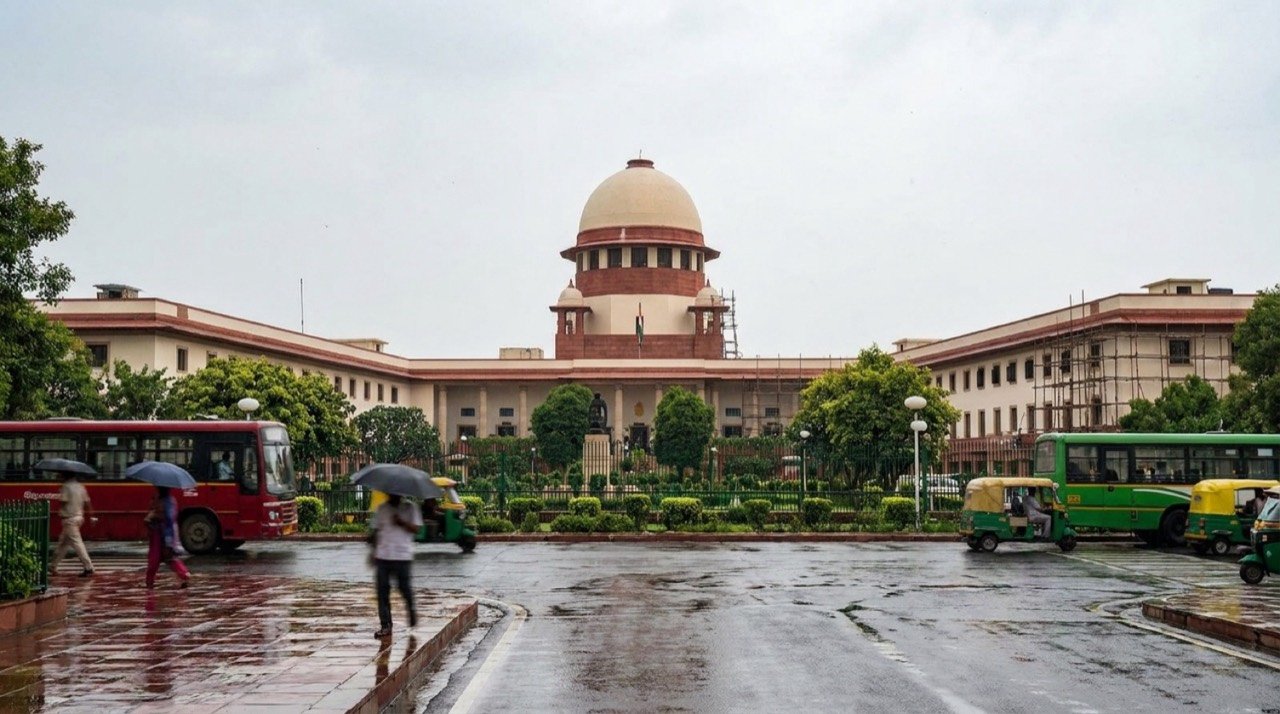
Supreme Court Draws a Line Around Collegium Scrutiny
A Supreme Court ruling that collegium recommendations are not ordinary records open to judicial scrutiny has sharpened India's long-running debate over transparency in judicial appointments.
More from this section
More
AICTE Industry Fellowship 2026: Rs 1.5 Lakh Scheme Closes July 5
The AICTE Industry Fellowship Programme 2026, which places technical-education faculty inside leading companies on a Rs 1.5 lakh monthly stipend, reached its application deadline on July 5.
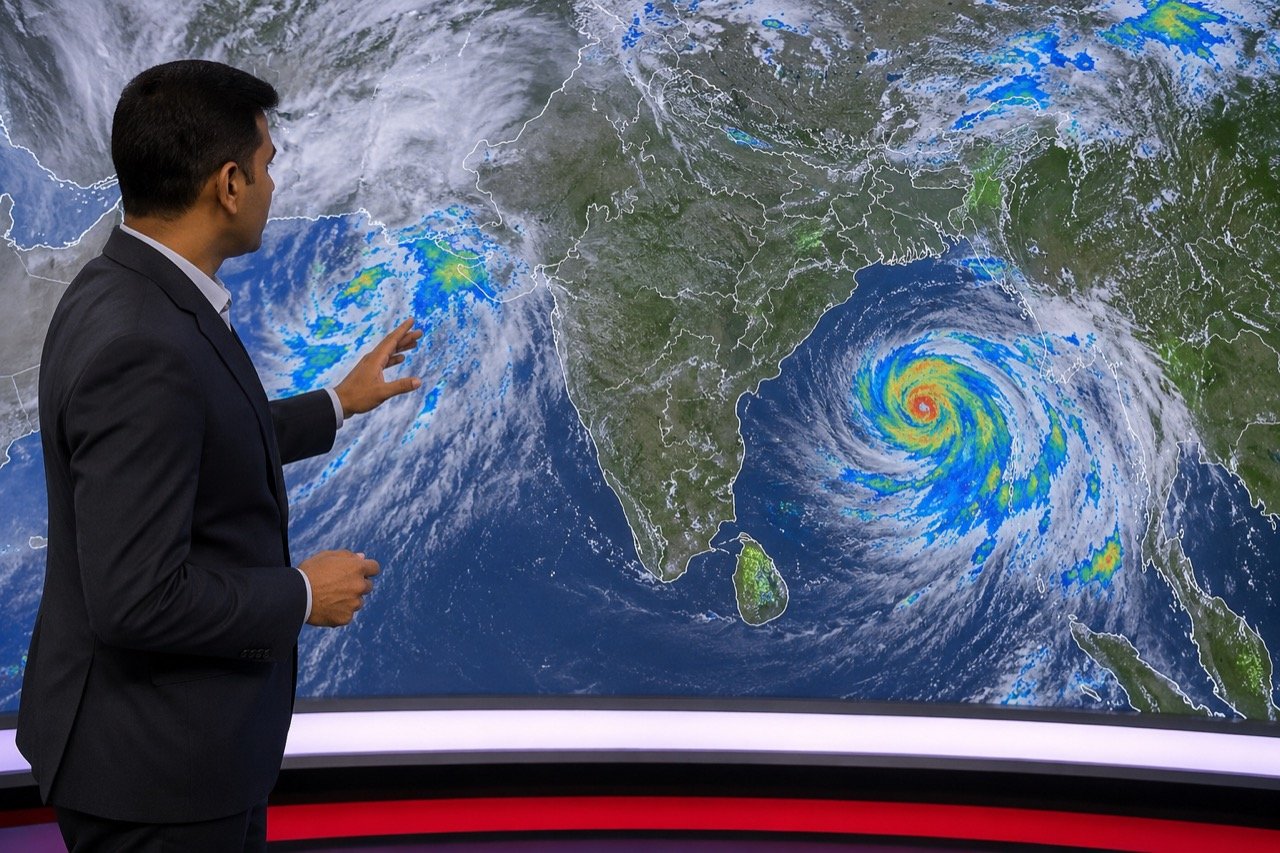
Bay of Bengal Low Pressure System Revives Monsoon Over Western India
A low-pressure system over the Bay of Bengal has pushed the monsoon back into an active phase, bringing steady heavy rain to Kerala, coastal Karnataka and Maharashtra, and putting Mumbai and Pune on preparedness watch.
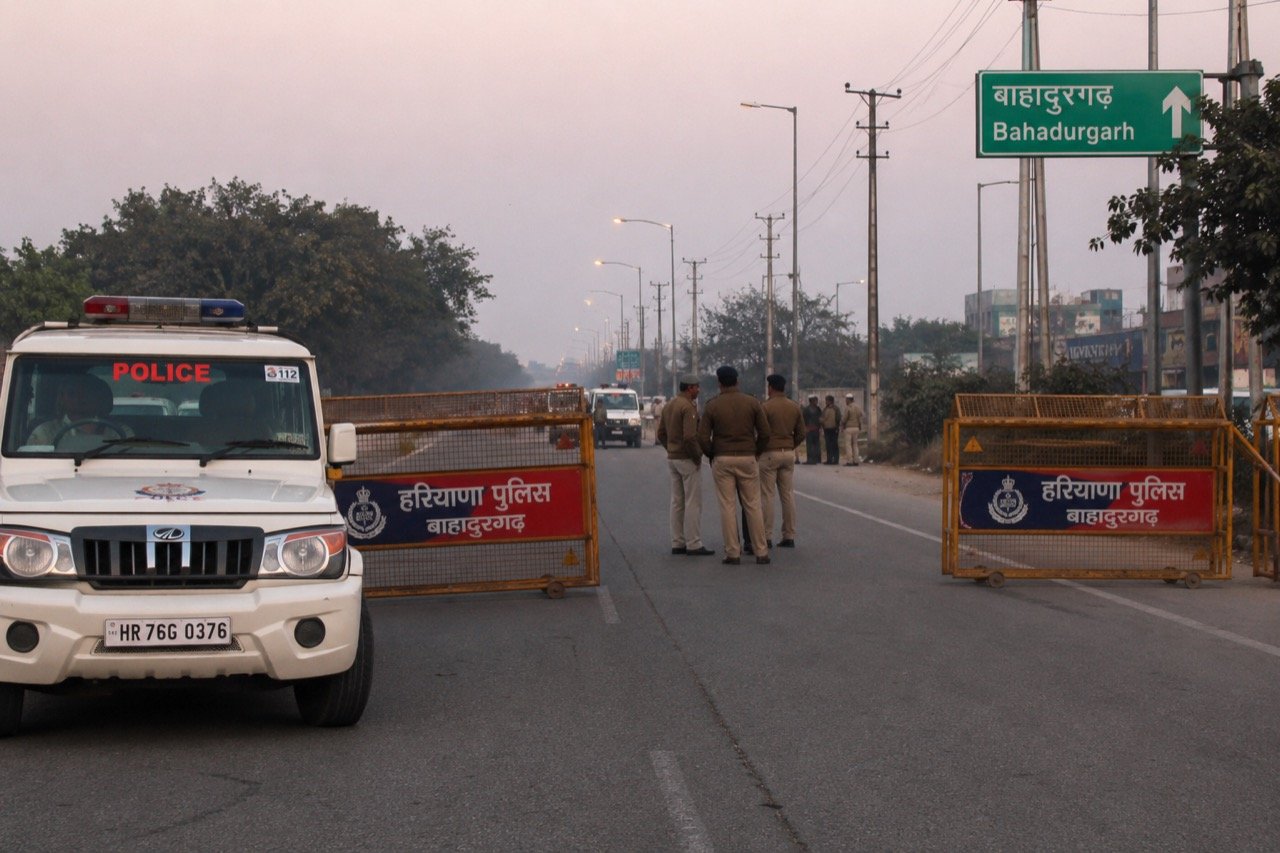
Bishnoi Gang Suspects Injured in Haryana Encounter as Police Tighten Net
A joint Haryana-Delhi Police operation in Bahadurgarh left two suspected Lawrence Bishnoi gang members injured, spotlighting the multi-state coordination now central to India's fight against organised crime networks.