Tamil Nadu Ammonia Leak Death Toll Rises to Nine as Safety Questions Mount
Nine workers have now died after an ammonia gas leak at a Tamil Nadu seafood processing unit, reviving urgent scrutiny of industrial safety, refrigeration norms and emergency response in India's cold-chain sector.
Commentary & Analysis ·
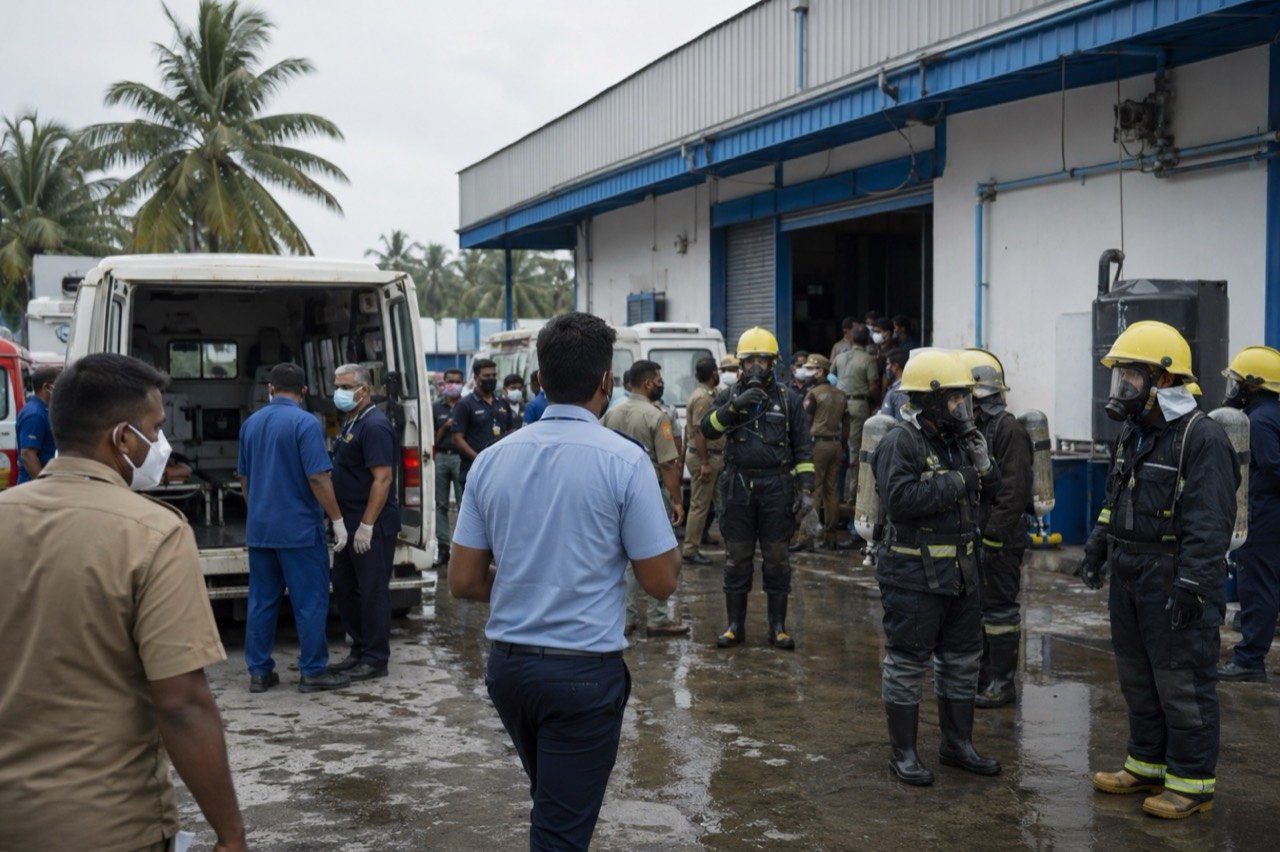
The death toll from an ammonia gas leak at a seafood processing unit in Tamil Nadu has risen to nine, turning what began as an industrial accident into one of the state's deadliest workplace disasters of the year. As families bury their dead and survivors recover in hospital, the tragedy has reopened a long-running debate about how India regulates the refrigeration gases that keep its vast cold-chain economy running.
How the leak unfolded
Ammonia is the workhorse refrigerant of the seafood and cold-storage industry, prized for its efficiency and low cost. But the same properties that make it useful make it lethal in confined spaces: even brief exposure to high concentrations can scorch the lungs and prove fatal within minutes. Investigators are now working to establish how the leak began, how quickly alarms were raised, and whether workers had any realistic route to escape.
The sequence of events matters because it will determine accountability. Early attention has focused on whether ventilation systems functioned, whether gas detectors were installed and maintained, and whether the unit had a rehearsed evacuation plan. In many processing units, low-wage workers operate close to refrigeration plant with little protective equipment and minimal training in what to do when a leak occurs.
A pattern of preventable accidents
India has seen a string of ammonia and chemical leaks at food-processing and storage facilities in recent years, many of them traced to ageing equipment, deferred maintenance and weak enforcement of existing rules. Safety experts argue that the regulations themselves are often adequate on paper but poorly inspected in practice, leaving the burden of risk on the people least able to bear it.
The economic stakes are significant. The cold-chain sector underpins India's seafood exports, dairy supply and a growing processed-food industry, and any tightening of safety norms will ripple across thousands of small and medium units. The challenge for regulators is to raise the floor on safety without pushing compliance costs beyond the reach of the smaller operators who employ most of the workforce.
Calls for accountability and compensation
For the families of the dead, the immediate questions are sharper: who is responsible, and what compensation will follow. State authorities have indicated that operations at the unit will not resume until investigators are satisfied that safety norms were met, and pressure is building for criminal liability where negligence is established.
- Establish the cause and timeline of the leak, including when alarms were triggered
- Audit ventilation, gas-detection and evacuation systems across comparable units
- Determine whether the plant complied with refrigeration and labour-safety norms
- Ensure compensation reaches affected families promptly
- Strengthen mandatory worker training on emergency response to gas leaks
“Ammonia is everywhere in our food economy, but the workers handling it are too often the least protected and the least prepared for an emergency.”
— Industrial safety analyst
Whether this disaster becomes a turning point or another statistic will depend on what follows the inquiry. A credible investigation, enforceable safety upgrades and genuine support for grieving families would mark a shift; a quiet return to business as usual would not. For now, nine deaths stand as a reminder that the gases cooling India's seafood carry a human cost when safety is treated as optional.
The NE Times View
Nine deaths from a single ammonia leak is not an accident so much as an indictment of how casually industrial safety is treated in India's processing units. The NE Times View: refrigeration norms, leak detection and worker training exist on paper; enforcement is the missing ingredient. Compensation will follow, inquiries will be ordered, and unless inspections acquire teeth, the next cold-chain tragedy is only a matter of time.
This article is original commentary and analysis by The NE Times. Background facts were referenced from The Hindu and India Today.
You may also like to read
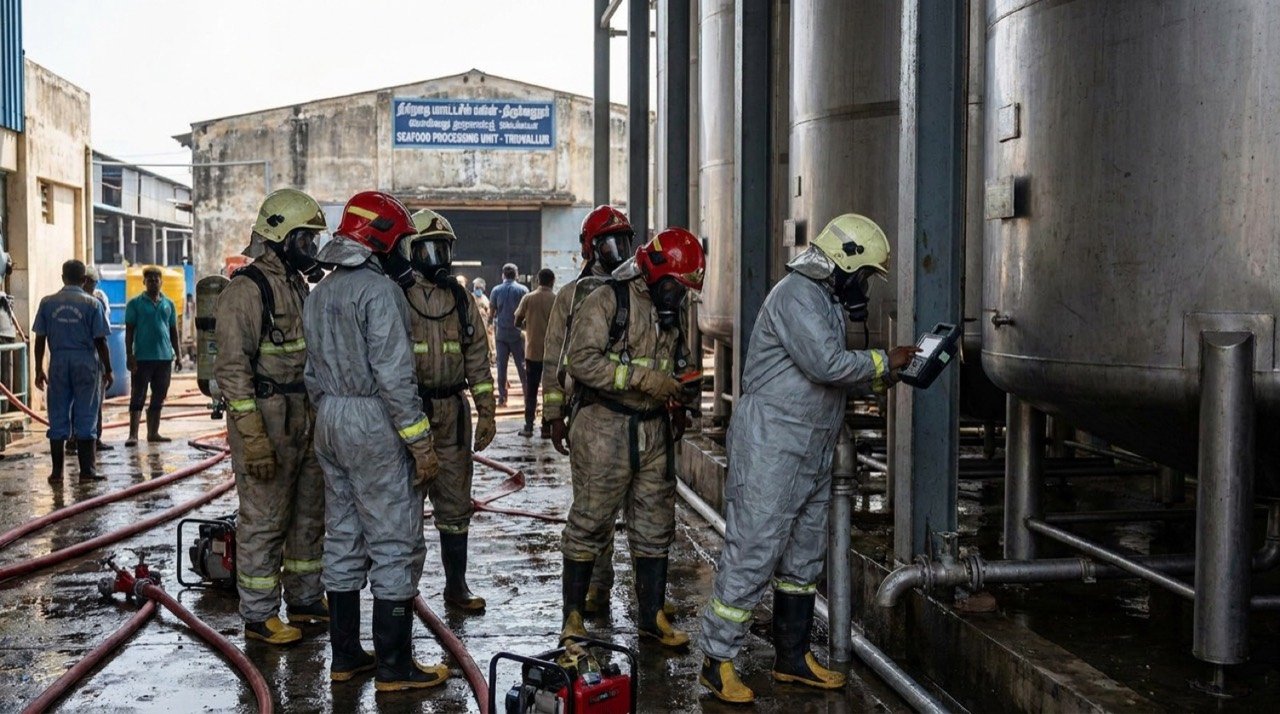
Tamil Nadu Ammonia Leak Toll Rises to Nine, All Women, as Worker Safety Comes Under Scrutiny
Nine women have died in an ammonia gas leak at a Tiruvallur seafood unit in Tamil Nadu, with dozens still in treatment and the NHRC seeking a report, putting industrial safety in sharp focus.
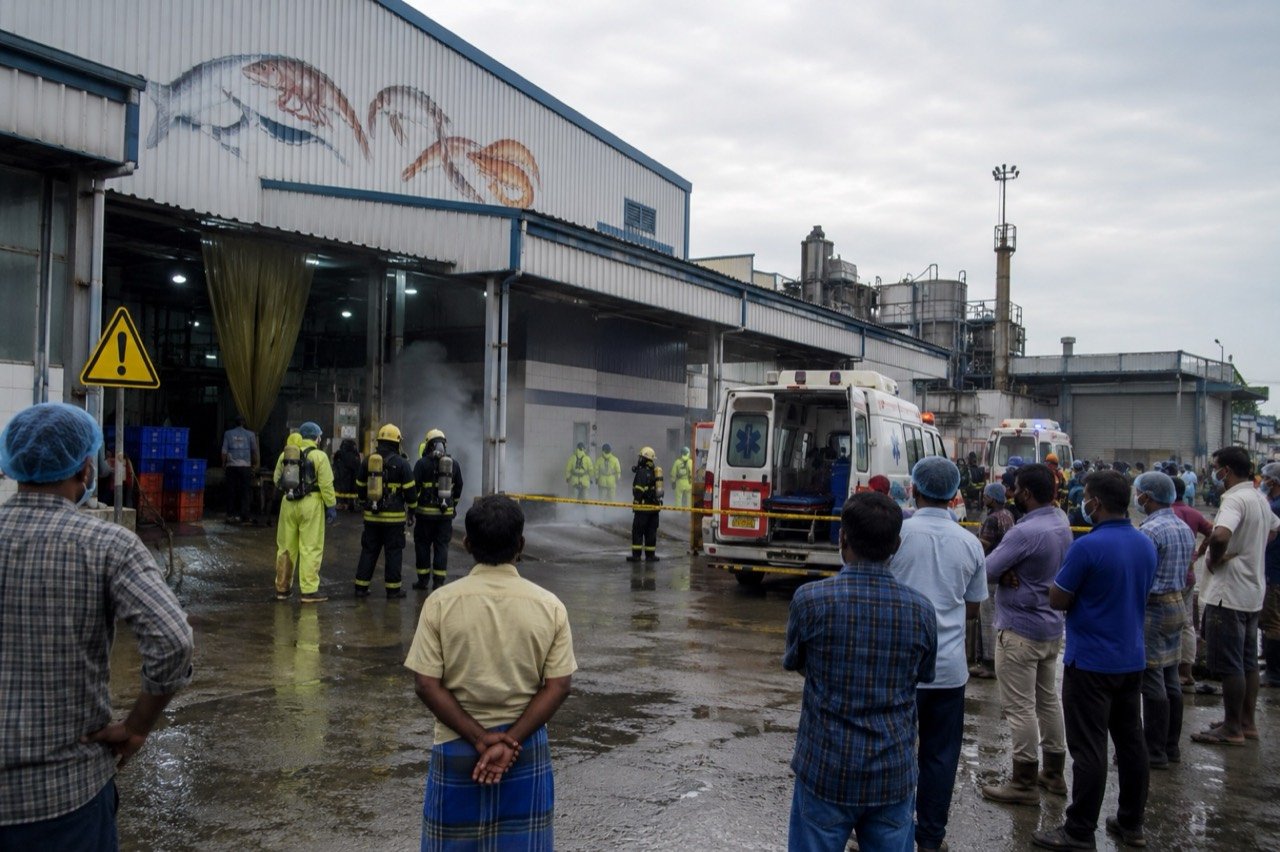
Tiruvallur Ammonia Leak Puts Tamil Nadu Seafood Factory Safety Under Scrutiny
A deadly ammonia leak at a Tiruvallur seafood unit has killed seven and hospitalised dozens, forcing a hard look at industrial safety, migrant housing and chemical emergency preparedness across Tamil Nadu.
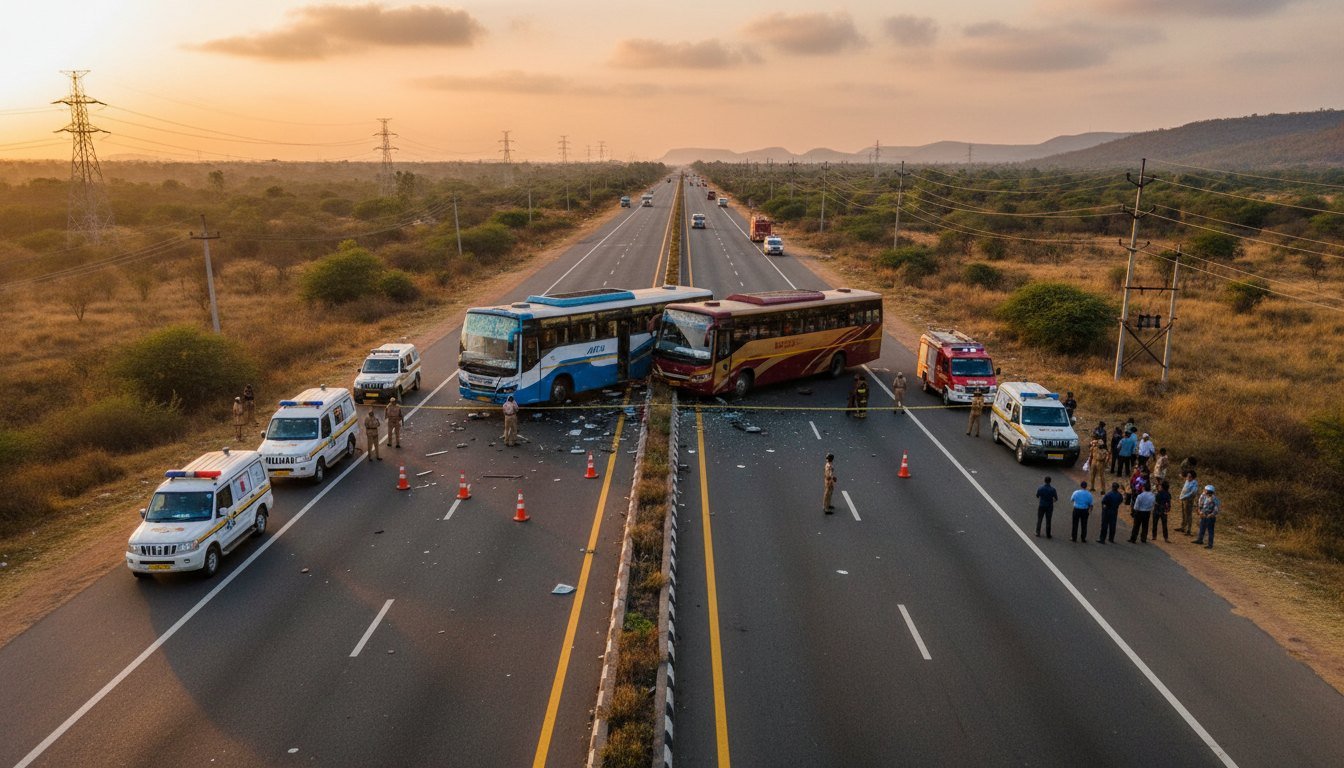
Madurai Bus Collision Leaves Six Dead and 41 Injured, Renewing Questions About Tamil Nadu Road Safety
A deadly collision near Kottampatti has brought grief to families and placed intercity bus safety, driver fatigue and emergency response back under scrutiny.
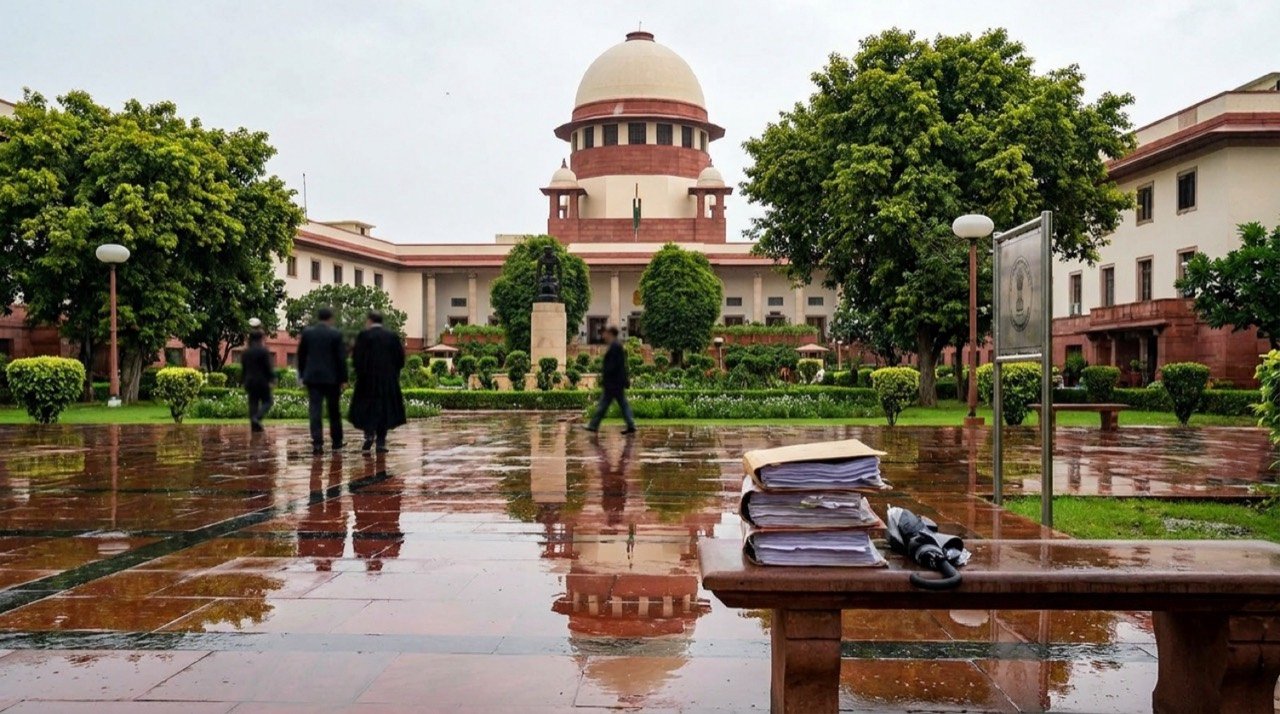
Tamil Nadu Moves Supreme Court Over Thirupparankundram Deepam Order
The Tamil Nadu government has approached the Supreme Court against a Madras High Court order permitting a ceremonial Karthigai Deepam lamp on Thirupparankundram hill, reviving a sensitive land and faith dispute.
More from this section
More
AICTE Industry Fellowship 2026: Rs 1.5 Lakh Scheme Closes July 5
The AICTE Industry Fellowship Programme 2026, which places technical-education faculty inside leading companies on a Rs 1.5 lakh monthly stipend, reached its application deadline on July 5.
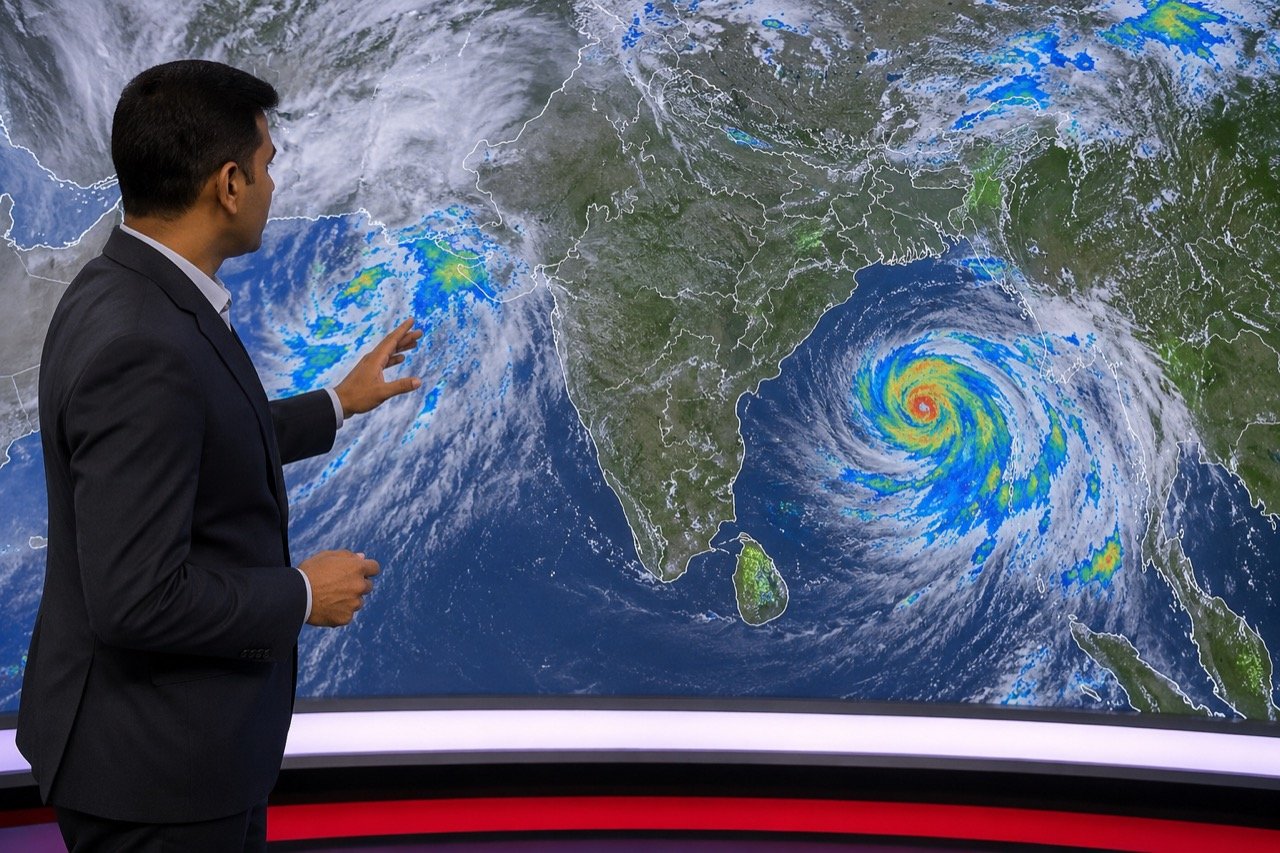
Bay of Bengal Low Pressure System Revives Monsoon Over Western India
A low-pressure system over the Bay of Bengal has pushed the monsoon back into an active phase, bringing steady heavy rain to Kerala, coastal Karnataka and Maharashtra, and putting Mumbai and Pune on preparedness watch.
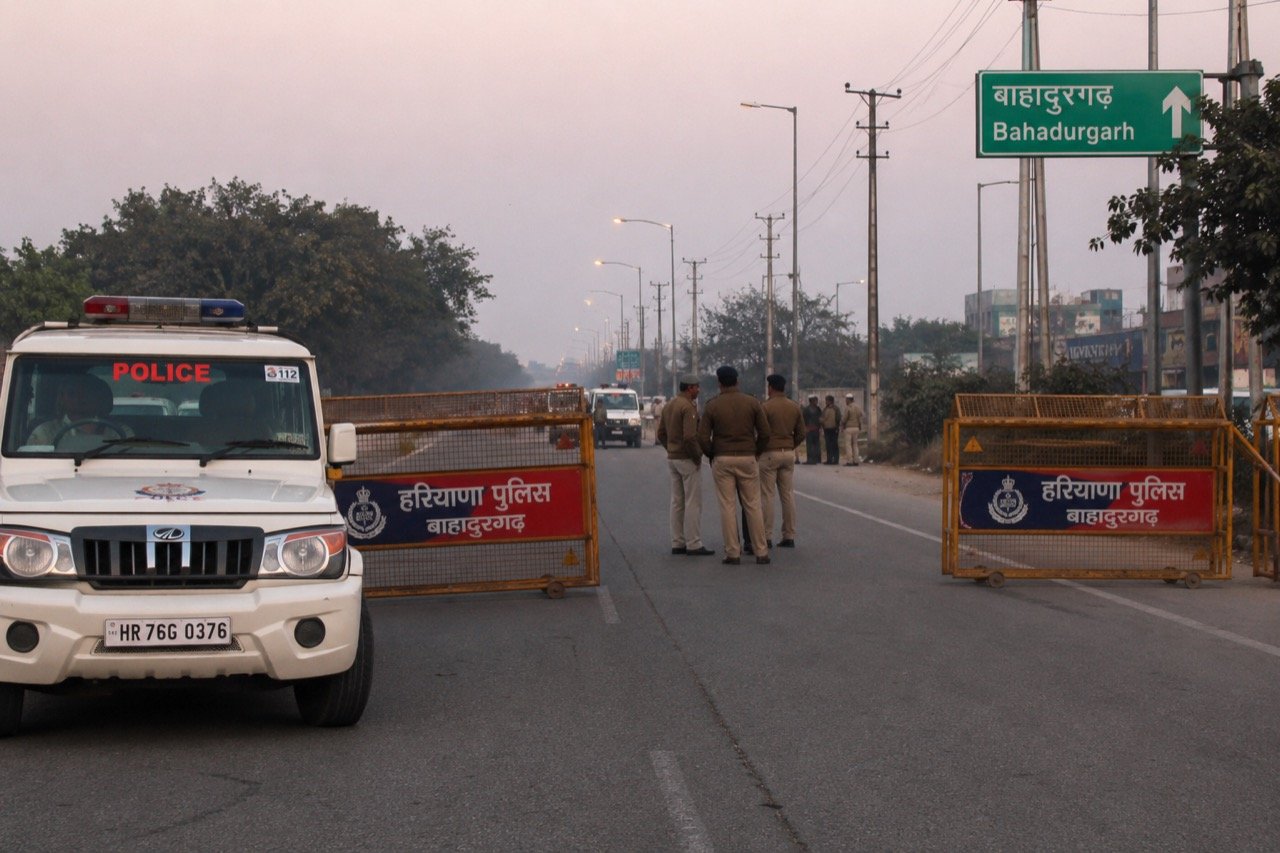
Bishnoi Gang Suspects Injured in Haryana Encounter as Police Tighten Net
A joint Haryana-Delhi Police operation in Bahadurgarh left two suspected Lawrence Bishnoi gang members injured, spotlighting the multi-state coordination now central to India's fight against organised crime networks.