Tiruvallur Ammonia Leak Puts Tamil Nadu Seafood Factory Safety Under Scrutiny
A deadly ammonia leak at a Tiruvallur seafood unit has killed seven and hospitalised dozens, forcing a hard look at industrial safety, migrant housing and chemical emergency preparedness across Tamil Nadu.
Commentary & Analysis ·
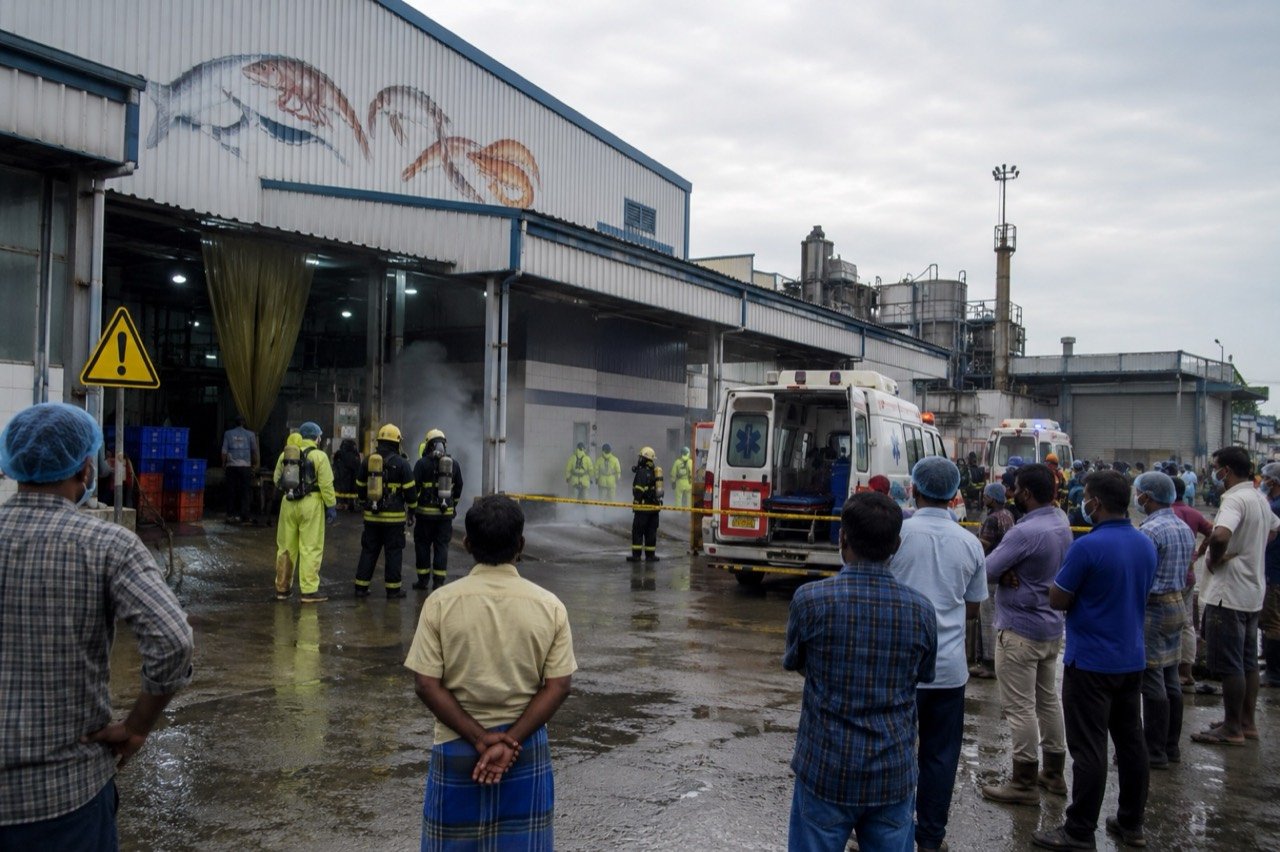
A deadly ammonia leak at a seafood processing unit in Tamil Nadu's Tiruvallur district has once again pushed industrial safety, migrant worker housing and chemical emergency preparedness to the centre of public debate. The toll rose to seven as the gas spread through factory premises where many migrant labourers were living, with dozens more hospitalised and several reported to be in critical condition.
What happened at the plant
The leak involved ammonia, a colourless gas widely used as a refrigerant in seafood and cold-chain operations because it is efficient and inexpensive. In a controlled system it poses little risk, but a sudden release in a confined, poorly ventilated space can be lethal within minutes, attacking the eyes, airways and lungs. Workers reported a sharp, choking smell before the gas filled the shop floor and the adjoining quarters where labourers slept.
State authorities have announced a probe into the incident and, according to local reporting, a wider audit of thousands of hazardous industrial units across Tamil Nadu. The central question is whether safety drills, ventilation, gas-detection sensors and evacuation routes were adequate before the leak, or whether routine maintenance and inspection had lapsed.
Why migrant workers bore the brunt
Many of the dead and injured were migrant workers from states such as Assam, Odisha and Jharkhand, who had travelled south for steady wages in the export-driven seafood trade. To cut costs and stay close to night shifts, such workers often live on or beside the factory premises. That arrangement turned an industrial accident into a housing catastrophe, exposing people to the gas while they were resting rather than only those on the active shift.
The tragedy underlines a structural feature of India's seafood export economy, which depends heavily on round-the-clock refrigeration, tightly packed worksites and a mobile, often informal, labour force with limited bargaining power over their living conditions.
What a credible inquiry must establish
Beyond assigning immediate blame, investigators will need to reconstruct the chain of failures that allowed a routine refrigerant to become a mass-casualty event, and to determine whether the plant met statutory norms for storing and handling hazardous chemicals.
- The technical cause of the leak and the condition of the refrigeration and ammonia-handling systems.
- Whether gas sensors, alarms, ventilation and emergency exits were installed and functional.
- Maintenance and inspection records, and whether mandated safety drills were conducted.
- The legality of on-site worker housing and its proximity to hazardous equipment.
- Accountability for managers and owners, plus compensation and medical care for victims and families.
“When the place where people work is also the place where they sleep, a single equipment failure can wipe out an entire community of workers in one night.”
— Industrial safety analyst
For families now mourning relatives who left home in search of work, the immediate need is transparent accountability, fair compensation and proper treatment for the injured. The broader test for Tamil Nadu is whether the promised audit of hazardous units translates into enforceable standards on ventilation, sensors, training and worker accommodation, so that the Tiruvallur leak becomes a turning point rather than another entry in a long list of preventable industrial disasters.
The NE Times View
Industrial India keeps treating worker safety as a cost to be minimised rather than a duty to be met. Seven deaths in a seafood unit point to gaps in chemical handling, emergency drills and the cramped housing where migrant labour lives beside the hazard. Tamil Nadu's manufacturing ambitions are admirable, but they ring hollow if factory inspections remain a formality and lives stay this cheap.
This article is original commentary and analysis by The NE Times. Background facts were referenced from Times of India and The Wire.
You may also like to read
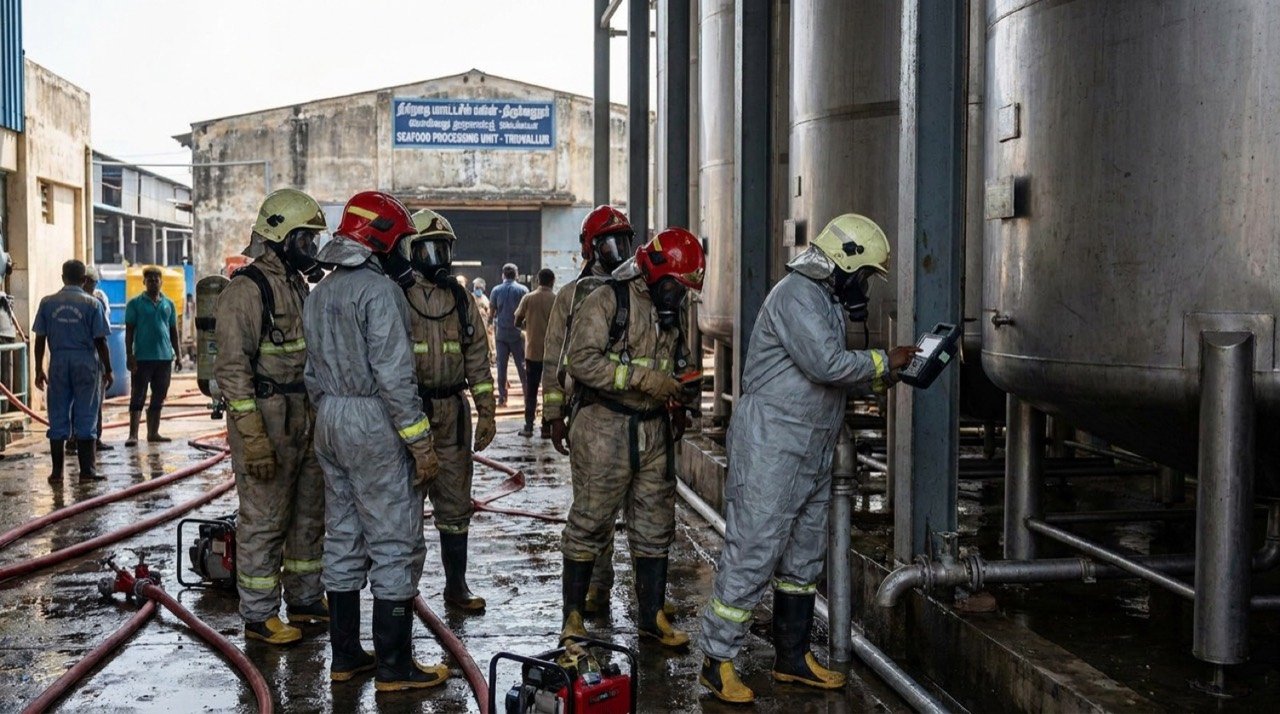
Tamil Nadu Ammonia Leak Toll Rises to Nine, All Women, as Worker Safety Comes Under Scrutiny
Nine women have died in an ammonia gas leak at a Tiruvallur seafood unit in Tamil Nadu, with dozens still in treatment and the NHRC seeking a report, putting industrial safety in sharp focus.
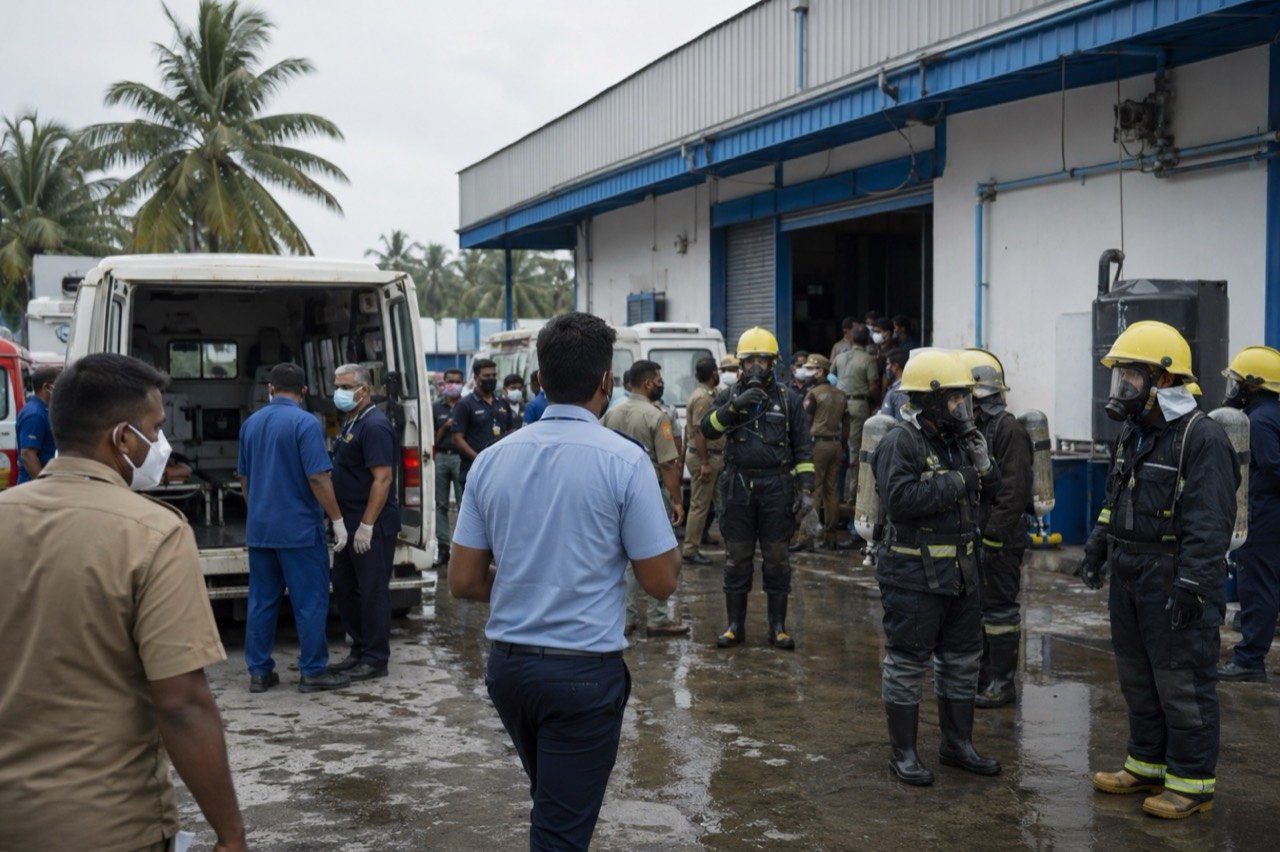
Tamil Nadu Ammonia Leak Death Toll Rises to Nine as Safety Questions Mount
Nine workers have now died after an ammonia gas leak at a Tamil Nadu seafood processing unit, reviving urgent scrutiny of industrial safety, refrigeration norms and emergency response in India's cold-chain sector.
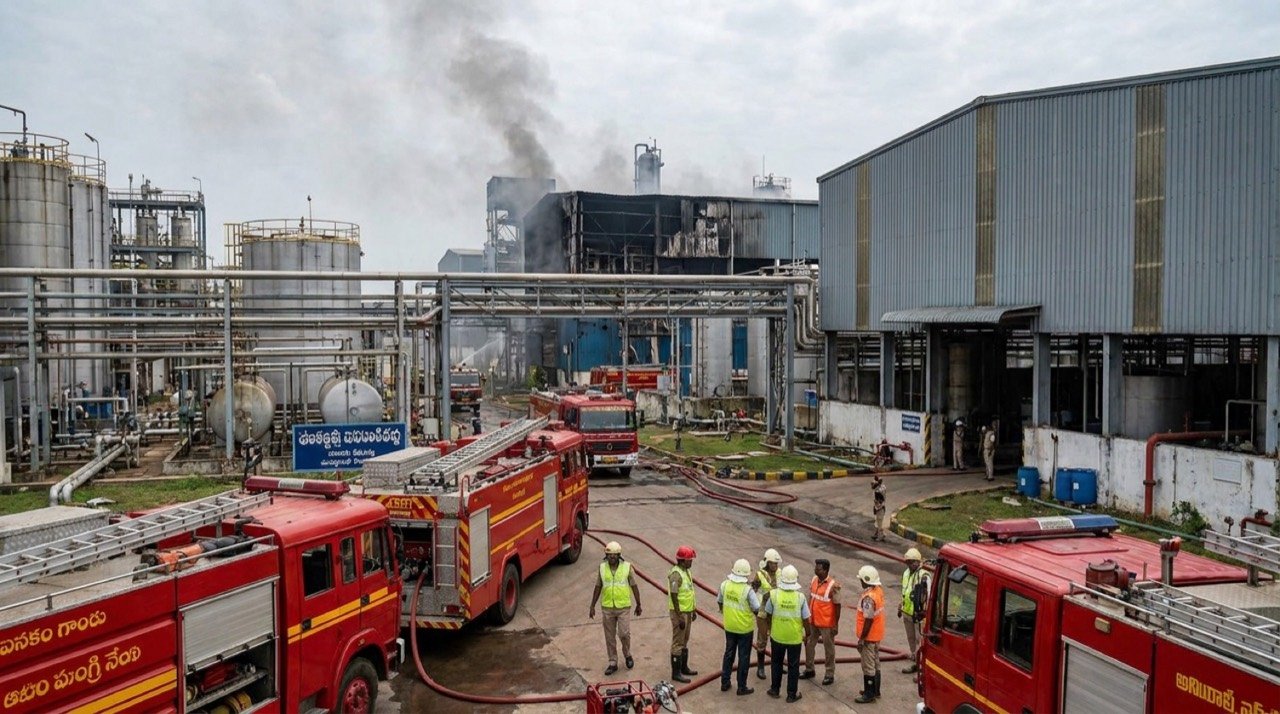
Anakapalli Pharma-City Fire Puts Andhra Pradesh Industrial Safety Back Under the Lens
A deadly fire at a unit in Andhra Pradesh's Anakapalli pharma-city has reignited scrutiny of industrial safety, compliance and worker protection across one of the state's key manufacturing belts.
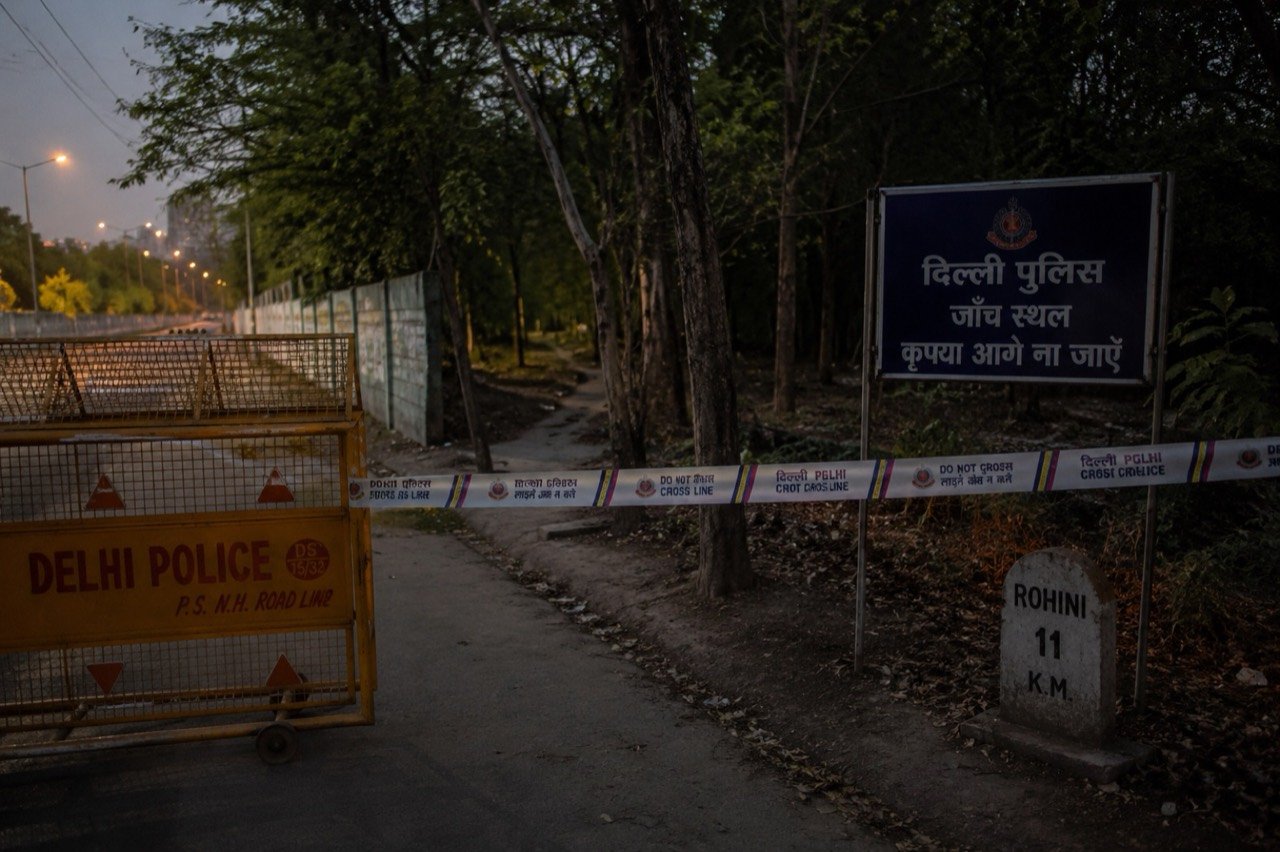
Delhi Child Murder Case Puts Footpath Safety and Fast Policing Under Scrutiny
The killing of a 10-year-old girl sleeping on a Delhi footpath, with an arrest made within hours, has forced hard questions about pavement dwellers, night-time safety and the speed of missing-child response.
More from this section
More
AICTE Industry Fellowship 2026: Rs 1.5 Lakh Scheme Closes July 5
The AICTE Industry Fellowship Programme 2026, which places technical-education faculty inside leading companies on a Rs 1.5 lakh monthly stipend, reached its application deadline on July 5.
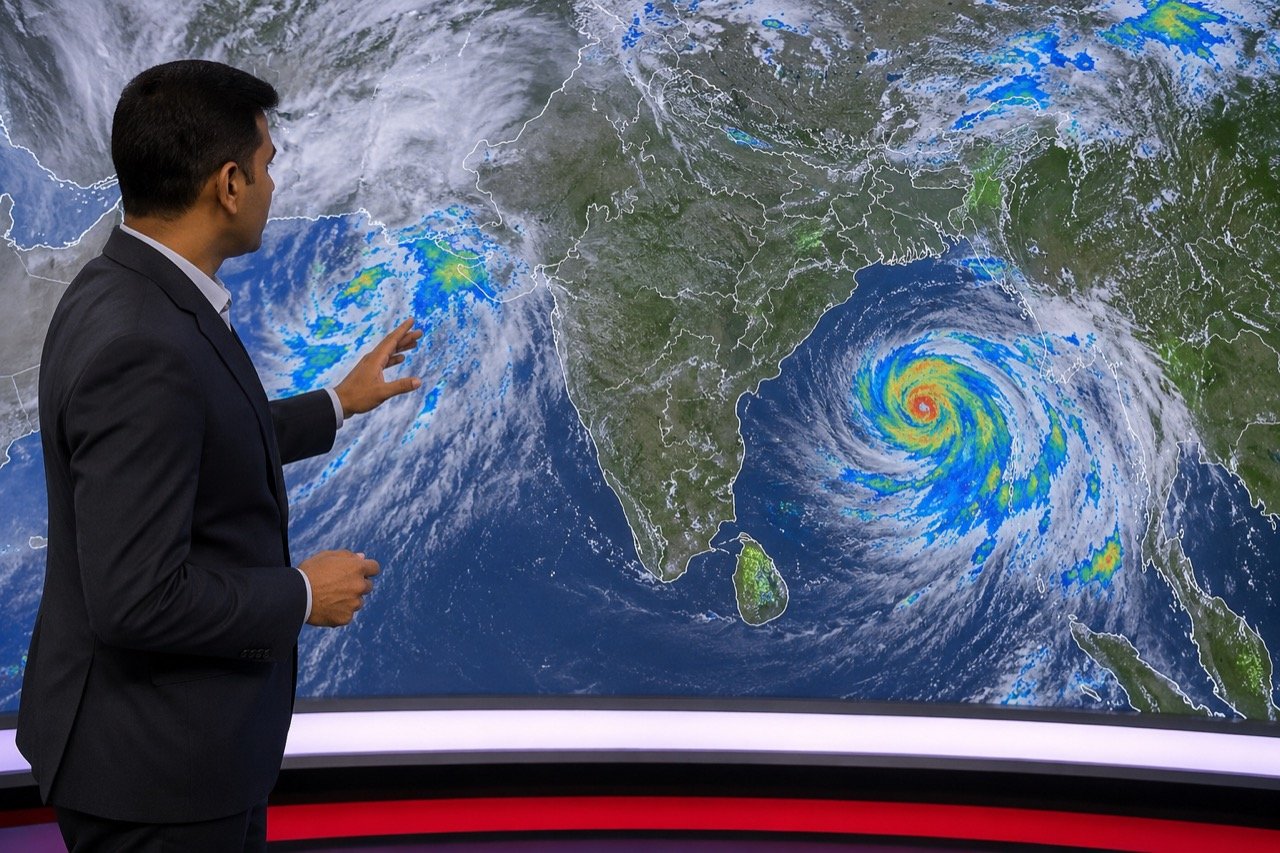
Bay of Bengal Low Pressure System Revives Monsoon Over Western India
A low-pressure system over the Bay of Bengal has pushed the monsoon back into an active phase, bringing steady heavy rain to Kerala, coastal Karnataka and Maharashtra, and putting Mumbai and Pune on preparedness watch.
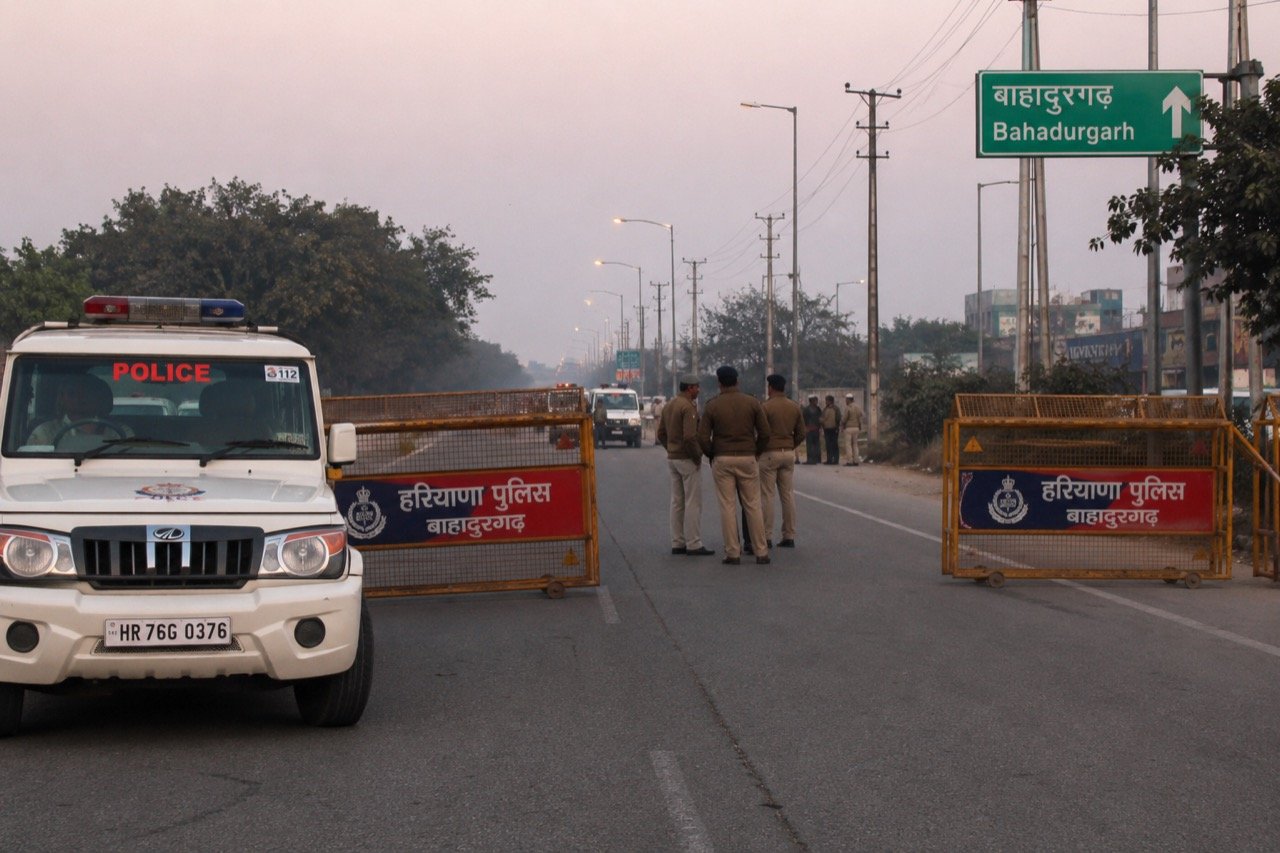
Bishnoi Gang Suspects Injured in Haryana Encounter as Police Tighten Net
A joint Haryana-Delhi Police operation in Bahadurgarh left two suspected Lawrence Bishnoi gang members injured, spotlighting the multi-state coordination now central to India's fight against organised crime networks.