Supreme Court Lays Down Nationwide Victim Protection Plan In Trafficking Case
In the long-running Prajwala matter, the Supreme Court has issued a comprehensive Victim Protection Plan covering every stage from rescue to rehabilitation and prosecution.
Commentary & Analysis ·
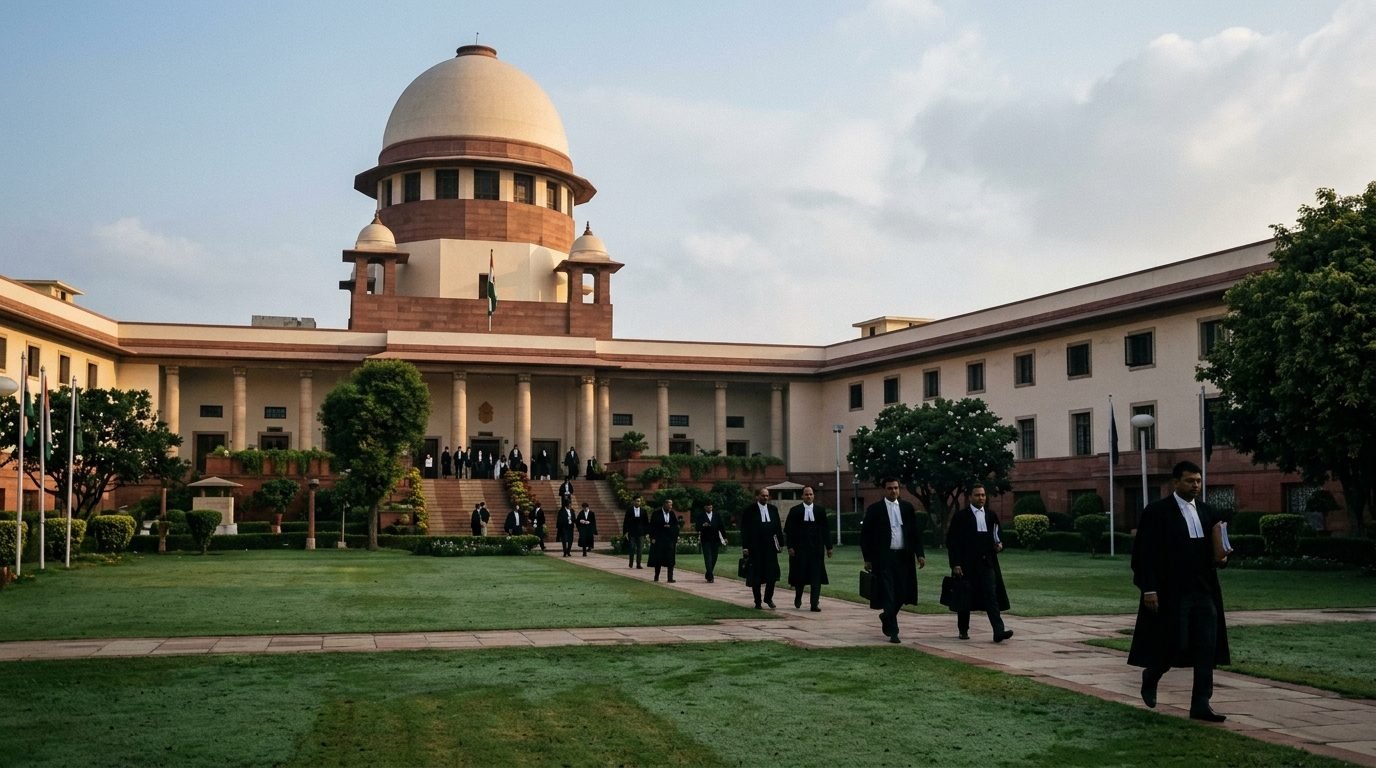
The Supreme Court has handed down a sweeping set of directions in the long-running Prajwala v. Union of India case, laying out a structured Victim Protection Plan that governs how survivors of human trafficking are to be treated at every stage of the process. The ruling, among the most significant on the issue in years, seeks to convert scattered guidelines into an enforceable framework binding on states and central agencies alike. That distinction, between guidance that can be quietly ignored and a scheme the court expects to be followed, is the quiet significance of this judgment, and it is worth pausing on why courts have felt compelled to step into a space that is, in principle, the executive's job to administer.
A stage-by-stage framework
The plan spans the pre-rescue, rescue, post-rescue, rehabilitation, reintegration and prosecution stages, treating each as a distinct phase with its own obligations on authorities. The court underlined that protection cannot end the moment a survivor is removed from exploitation, but must extend through the legal process and back into community life. This is a meaningful conceptual shift. Anti-trafficking work in India has historically been organised around the moment of rescue, the raid, the recovery, the photograph of a survivor being led to safety, because that moment is visible, dramatic and easy to report on. What happens afterwards, the months and years in which a survivor must rebuild a life, testify in court, find housing and work, and avoid being re-trafficked, has received far less institutional attention. By explicitly naming reintegration and prosecution as phases owed the same seriousness as the rescue itself, the court is trying to correct an imbalance that has left many survivors safe from their original traffickers but abandoned by the state soon after.
Protecting identity, dignity and testimony
The directions place fresh emphasis on shielding the identity and dignity of survivors, ensuring they are not re-traumatised during investigation and trial, and on coordinated action between police, welfare departments and civil society organisations that run shelter homes. This addresses one of the most persistent complaints from survivors and their advocates: that the criminal justice process itself can become a second ordeal. Repeated statements to different police officers, public identification, cross-examination without adequate support, and prolonged stays in under-resourced shelters have all been documented as sources of secondary trauma. A framework that insists on dignity and confidentiality as enforceable requirements, rather than aspirational language in a manual, gives survivors and the lawyers representing them something concrete to invoke when procedures fall short.
Why the ruling stands out
Campaigners have long argued that trafficking survivors fall through institutional gaps, rescued in one jurisdiction but left without support in another, and pressured into testimony without adequate protection. By framing a continuous plan, the court has tried to close those gaps and give survivors a clearer set of entitlements. The plan covers pre-rescue through to reintegration and prosecution. Survivor identity and dignity are to be protected throughout. States and central agencies are bound to coordinate support. Rehabilitation must extend beyond the immediate rescue. Shelter homes and welfare departments face clearer obligations. Each of these elements, taken alone, might sound unremarkable; India's anti-trafficking discourse has used similar language for years. What is different here is the attempt to bind these commitments together into a single, sequential obligation that follows the survivor across state lines and across the different arms of government that touch their case, from the police station to the welfare department to the shelter home to the courtroom. Jurisdictional handoffs have historically been where survivors are most likely to lose support, and it is precisely that seam the court is trying to stitch shut.
What it means on the ground
The real test, lawyers say, will be implementation. India already has anti-trafficking statutes and standard operating procedures on paper, but enforcement varies widely between states. The court's framing of the plan as a binding scheme is intended to give survivors and their advocates a firmer basis to demand compliance. Welfare officials will now have to align state-level protocols with the court's directions, and monitoring of compliance is likely to feature in further hearings. For survivors, the ruling offers the prospect of a more predictable and humane journey through a system that has often failed them. In practical terms, this means state governments will need to audit their existing shelter home capacity, staff training and inter-departmental coordination mechanisms against the standard the court has now set, rather than against whatever informal practice has developed locally. Civil society organisations that run shelter homes, often operating with limited funding and inconsistent state support, will likely look to this ruling as leverage in their dealings with welfare departments. An anti-trafficking advocate put the underlying philosophy plainly: rescue is the beginning, not the end; the law must walk with the survivor all the way back to a normal life. That framing captures precisely what the court appears to be trying to institutionalise.
The wider stakes for survivors and the state
Beyond the immediate legal mechanics, this ruling touches on a broader question about how the Indian state treats people who have already been failed once, by traffickers, and often by the very systems meant to protect them before exploitation occurred. A binding, stage-by-stage plan is an implicit acknowledgment that good intentions and existing statutes have not been enough. It also shifts some of the burden of accountability toward the judiciary itself, since the Supreme Court has signalled that it intends to keep monitoring compliance through further hearings rather than issuing the directions and moving on. That is a meaningful commitment, because judicial oversight of implementation is rare and resource-intensive, but it is also the only mechanism that has historically forced reluctant state machinery to act on paper commitments. Whether the court sustains that attention over years, rather than months, will likely determine whether this judgment becomes a genuine turning point or another well-intentioned framework that fades from active enforcement once public attention moves elsewhere.
The NE Times View
A nationwide plan spanning rescue to rehabilitation finally treats trafficking survivors as people needing sustained support, not just case files to be closed. The framework's ambition is commendable; its fate rests on funding and state-level execution. India has no shortage of well-drafted protections that wither in implementation, so the court's real test will be whether it monitors compliance long after the headlines fade. The most useful thing the court can now do is exactly what it has signalled: keep the case alive, keep asking states to report back, and make clear that a Victim Protection Plan is not a symbolic document but a standard against which future failures will be measured.
Key takeaways
- The Supreme Court's Victim Protection Plan in Prajwala v. Union of India covers pre-rescue, rescue, post-rescue, rehabilitation, reintegration and prosecution as distinct, binding phases.
- The ruling emphasises protecting survivor identity and dignity throughout investigation and trial, and requires coordination between police, welfare departments and shelter-running civil society organisations.
- It aims to close jurisdictional gaps that have historically left survivors rescued in one state without support in another.
- Implementation depends on states aligning their protocols with the court's directions, with compliance monitoring expected in further hearings.
- The framework's ultimate impact will hinge on sustained funding and state-level execution rather than the strength of the judgment's language alone.
You may also like to read
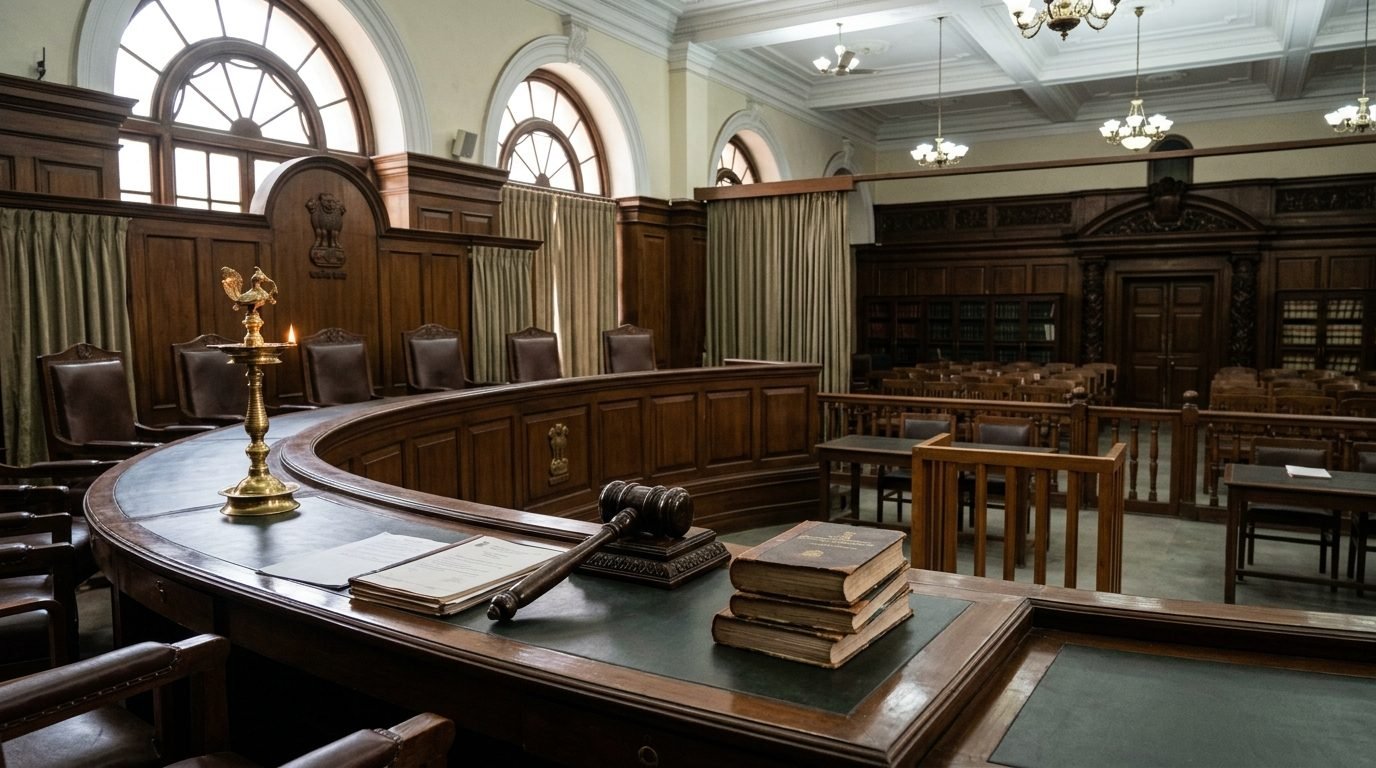
Supreme Court Strength Rises To 37 As Five New Judges Take Oath
The Centre has notified the appointment of five new judges to the Supreme Court, lifting its working strength to 37 and including a rare direct elevation from the Bar.
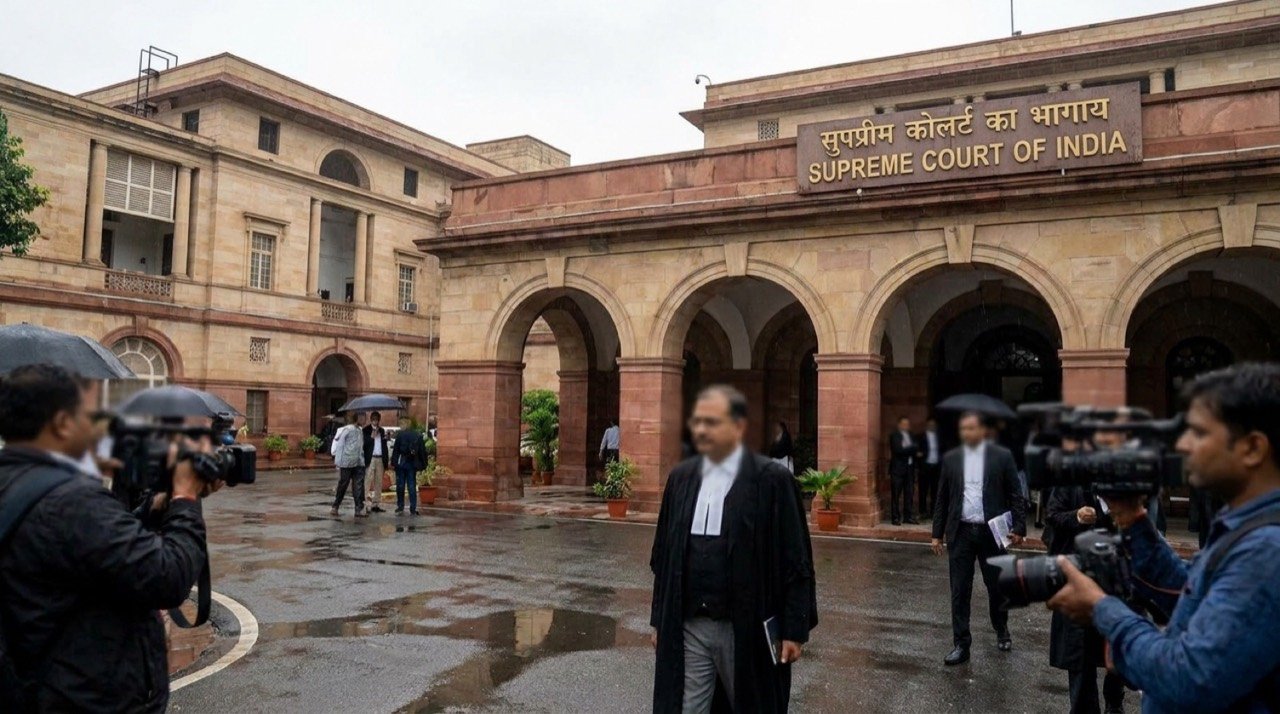
Supreme Court Fines Chhattisgarh Rs 2 Lakh in Decades-Old Land Compensation Case
The Supreme Court has fined the Chhattisgarh government Rs 2 lakh and upheld compensation with interest for landowners whose plot was taken for a road in 1986 without payment.
Supreme Court Issues Notice on Bail Plea in Zubeen Garg Death Case
The Supreme Court has issued notice on a bail plea tied to the probe into singer Zubeen Garg's death, reviving an emotionally charged case that has gripped Assam for months.
Supreme Court to Weigh Ethanol Allocation Row Hitting 20% Goal
The Supreme Court will examine a challenge to a Karnataka High Court order reopening the 2025-26 ethanol allocation process, a dispute that could ripple through India's 20 percent petrol blending programme.
More from this section
More
AICTE Industry Fellowship 2026: Rs 1.5 Lakh Scheme Closes July 5
The AICTE Industry Fellowship Programme 2026, which places technical-education faculty inside leading companies on a Rs 1.5 lakh monthly stipend, reached its application deadline on July 5.

Bay of Bengal Low Pressure System Revives Monsoon Over Western India
A low-pressure system over the Bay of Bengal has pushed the monsoon back into an active phase, bringing steady heavy rain to Kerala, coastal Karnataka and Maharashtra, and putting Mumbai and Pune on preparedness watch.
Bishnoi Gang Suspects Injured in Haryana Encounter as Police Tighten Net
A joint Haryana-Delhi Police operation in Bahadurgarh left two suspected Lawrence Bishnoi gang members injured, spotlighting the multi-state coordination now central to India's fight against organised crime networks.