Supreme Court Points West Bengal Ration-Linked SIR Plea Toward Calcutta High Court
The Supreme Court declined urgent listing of a plea alleging ration denial to people dropped from West Bengal voter lists after the SIR exercise, indicating the petitioner should approach the High Court.
Commentary & Analysis ·
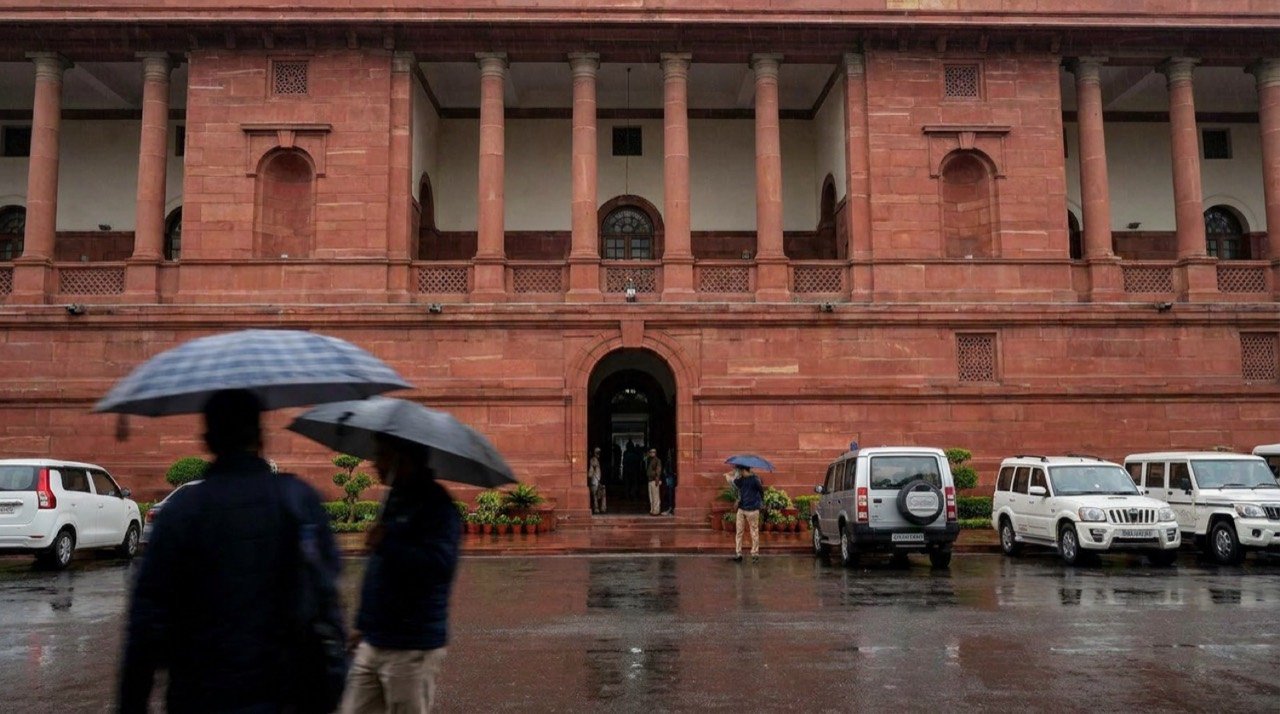
The Supreme Court on Tuesday declined to grant urgent listing to a petition challenging the alleged denial of ration benefits to people excluded from West Bengal's voter lists following the Special Intensive Revision (SIR) exercise. Rather than take up the matter itself, the court indicated that the petitioner should approach the Calcutta High Court, steering a fact-heavy dispute toward the state's first appropriate forum. The order is narrow in its scope, yet the questions it leaves open are anything but small, touching as they do on the basic entitlement of food security and the administrative machinery that decides who counts as a recognised voter.
What the court did and did not decide
The significance of Tuesday's order lies as much in what the bench did not do as in what it did. It did not rule on the merits of the ration claim, nor did it determine whether any benefits were wrongly withheld from any household. What it addressed was the question of forum, directing the litigant toward the High Court, which ordinarily hears the first round of evidence-heavy challenges to state action. This procedural posture is routine in India's judicial hierarchy, where the apex court frequently asks petitioners to exhaust remedies at the High Court before seeking its intervention. Such deference to hierarchy is not a comment on the strength or weakness of the underlying case; it is a statement about sequencing. The substance of the allegation, that ration access was disrupted because of voter-list exclusion, remains entirely open and untested, and will now have to be established, if at all, through evidence placed before a different bench altogether.
Where welfare meets electoral rolls
The plea links two distinct systems that are not supposed to intersect: the public distribution of subsidised ration, a basic entitlement for many households, and the periodic revision of electoral rolls through the SIR exercise. The petition's concern is that exclusion from a voter list may have spilled over into the denial of food-security benefits, an administrative overlap that can unsettle vulnerable residents who depend on both systems for very different reasons. Welfare access and voter-list revision are governed by separate processes and separate authorities, one rooted in electoral law and the other in food-security statute, and any perceived bleed between them raises sensitive questions about how citizens' identities are verified and recorded across schemes. If ration databases and electoral databases are in practice cross-referenced, even informally, then an error or omission in one register could ripple into the other, with consequences for people who may have no idea why their entitlement has been disrupted.
Why the overlap matters beyond this one case
This is precisely why the underlying allegation resonates well beyond the specific petitioners named in this case. India's welfare architecture increasingly relies on layered identity documentation, and any suggestion that electoral status could function as a gatekeeper for food access cuts against the design of both systems. The right to subsidised ration flows from food-security legislation and is meant to be assessed on eligibility criteria tied to income and household status, not on whether a person's name currently appears on an electoral roll. If the two are becoming entangled in practice, even inadvertently, that has implications far beyond West Bengal, since SIR-style revisions and ration verification drives are recurring features of governance across states. A finding either way in the Calcutta High Court could therefore carry weight as a reference point for how administrators elsewhere handle the same intersection.
The stakes for residents
For households that depend on monthly ration, even a temporary disruption carries real hardship, which is why the issue resonates beyond the courtroom and beyond the technicalities of jurisdiction. A delayed or denied ration entitlement is not an abstract administrative inconvenience for the people affected; it can mean missed meals in the interim, particularly for families with limited alternative resources. The political and social stakes remain substantial, even as the legal process settles which court should examine the facts first. State authorities, the petitioners, and civil society groups watching the SIR process will all have an interest in how quickly the High Court is able to take up the matter once it is properly filed, since prolonged uncertainty serves no one well, least of all the residents whose access to food security hangs in the balance.
What happens next
The next meaningful step now depends on whether the petition is formally filed before the Calcutta High Court and what evidence is placed on record there. The Supreme Court's order does not foreclose relief; it redirects the venue where that relief, if warranted, will first be considered. Until then, the question of whether voter-list exclusion actually translated into ration denial remains a claim awaiting scrutiny rather than an established fact. The High Court will need to examine documentary evidence linking the two systems, including how ration databases are updated, whether SIR-driven exclusions were in fact communicated to ration authorities, and whether any denial notices cited electoral status as a reason. Much will turn on the quality and specificity of the evidence the petitioner is able to produce, and on how promptly the High Court schedules the matter given its urgency for affected households.
The NE Times View
The Supreme Court is procedurally correct to route the plea to the High Court, but the underlying allegation, that voters dropped from rolls are being denied rations, is too grave to lose in jurisdictional ping-pong. The NE Times View: electoral status must never gate access to food security, which is a separate statutory right resting on its own eligibility framework. Whichever court hears it, the matter demands urgency, because hunger does not wait for cause lists. Institutions administering both systems would do well to clarify, independent of this litigation, that the two registers are not to be treated as interchangeable proxies for one another. A prompt and thorough hearing at the Calcutta High Court, rather than further procedural delay, is what the situation now calls for.
Key takeaways
- The Supreme Court declined urgent listing and directed the petitioner to the Calcutta High Court rather than ruling on the ration claim itself.
- No decision has been made on the merits; the allegation that SIR-linked voter-list exclusion led to ration denial remains untested.
- The case highlights a sensitive overlap between electoral roll revision and food-security welfare administration in West Bengal.
- Outcome now depends on formal filing before the Calcutta High Court and the evidence placed on record there.
- The NE Times View holds that electoral status must never be allowed to gate access to food security, and that the matter warrants urgent hearing wherever it proceeds.
You may also like to read
Supreme Court Issues Notice on Bail Plea in Zubeen Garg Death Case
The Supreme Court has issued notice on a bail plea tied to the probe into singer Zubeen Garg's death, reviving an emotionally charged case that has gripped Assam for months.

Supreme Court Notes CBSE Policy for West Asia Class 12 Students, Disposes Plea
The Supreme Court closed a Saudi Arabia-based candidate's petition after the Centre cited a fresh CBSE policy to declare Class 12 results for West Asian students whose board exams were cancelled amid regional conflict.
Supreme Court Fines Chhattisgarh Rs 2 Lakh in Decades-Old Land Compensation Case
The Supreme Court has fined the Chhattisgarh government Rs 2 lakh and upheld compensation with interest for landowners whose plot was taken for a road in 1986 without payment.
Supreme Court to Weigh Ethanol Allocation Row Hitting 20% Goal
The Supreme Court will examine a challenge to a Karnataka High Court order reopening the 2025-26 ethanol allocation process, a dispute that could ripple through India's 20 percent petrol blending programme.
More from this section
More
AICTE Industry Fellowship 2026: Rs 1.5 Lakh Scheme Closes July 5
The AICTE Industry Fellowship Programme 2026, which places technical-education faculty inside leading companies on a Rs 1.5 lakh monthly stipend, reached its application deadline on July 5.
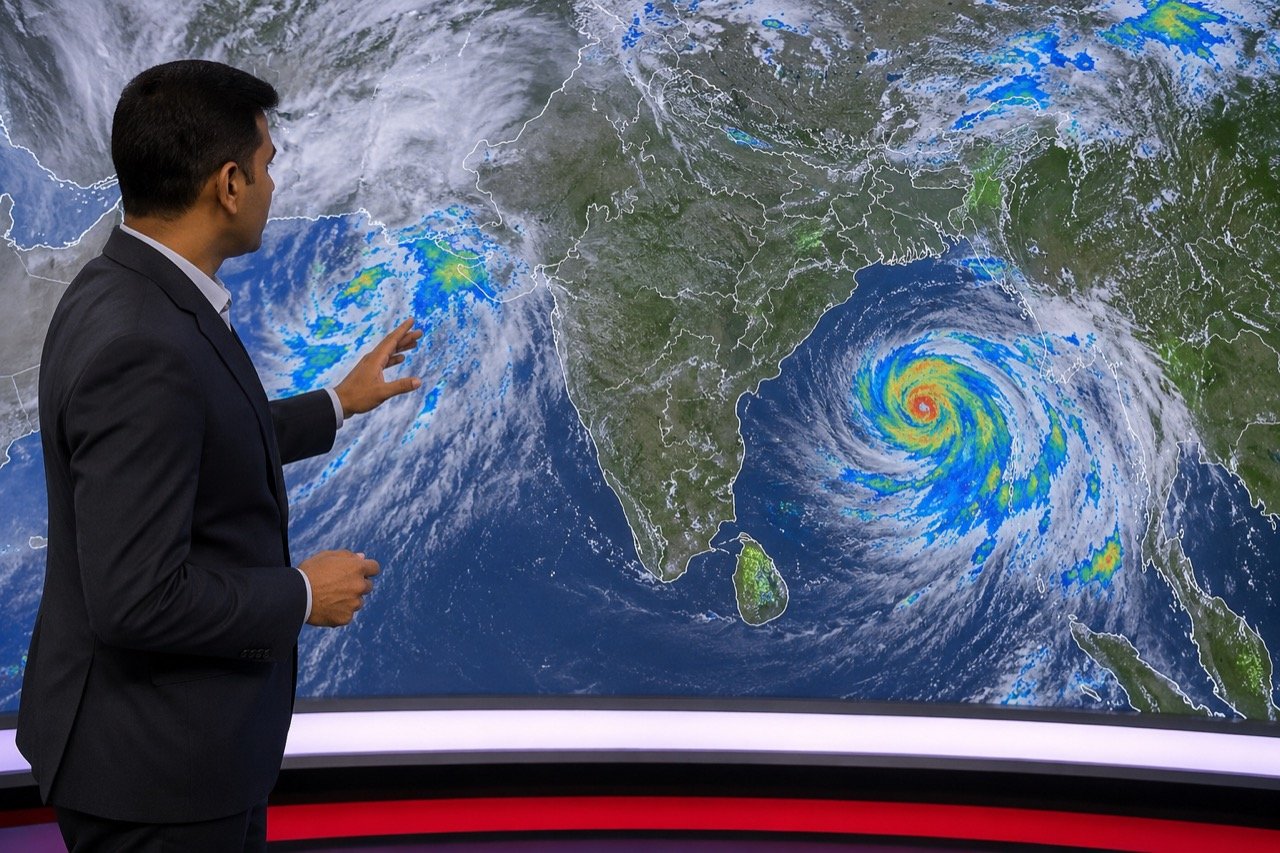
Bay of Bengal Low Pressure System Revives Monsoon Over Western India
A low-pressure system over the Bay of Bengal has pushed the monsoon back into an active phase, bringing steady heavy rain to Kerala, coastal Karnataka and Maharashtra, and putting Mumbai and Pune on preparedness watch.
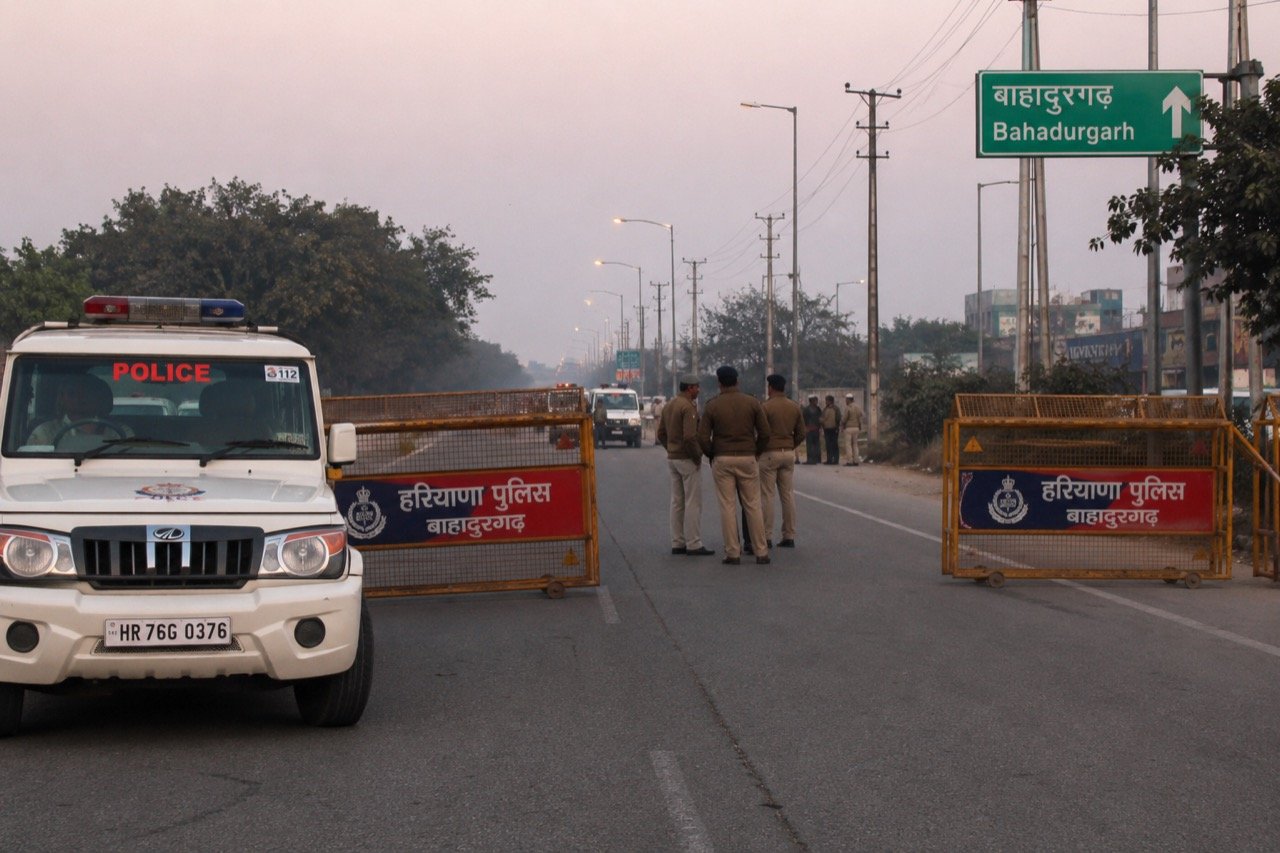
Bishnoi Gang Suspects Injured in Haryana Encounter as Police Tighten Net
A joint Haryana-Delhi Police operation in Bahadurgarh left two suspected Lawrence Bishnoi gang members injured, spotlighting the multi-state coordination now central to India's fight against organised crime networks.