Supreme Court Fines Chhattisgarh Rs 2 Lakh in Decades-Old Land Compensation Case
The Supreme Court has fined the Chhattisgarh government Rs 2 lakh and upheld compensation with interest for landowners whose plot was taken for a road in 1986 without payment.
Commentary & Analysis ·
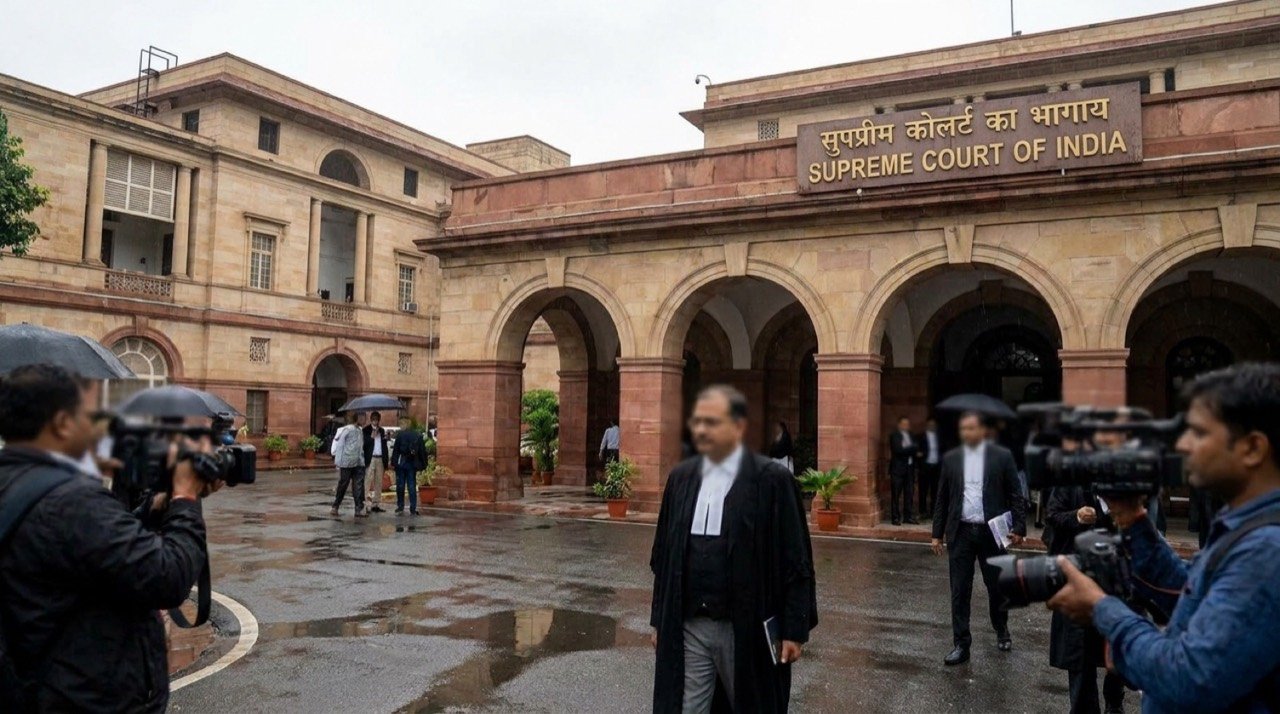
The Supreme Court has fined the Chhattisgarh government Rs 2 lakh after dismissing its plea in a case where private land had been occupied for a road since 1986 without compensation. In upholding the compensation and interest owed to the landowners, the court delivered a pointed rebuke to a state that had prolonged a dispute stretching back nearly four decades.
A dispute almost forty years in the making
At the heart of the case is a simple but enduring grievance: private land was taken and used to build a public road in 1986, yet the owners were never paid for it. For decades the matter wound through the system, with the owners pressing for the compensation that the law entitled them to.
The Supreme Court's order brings that long wait closer to resolution, affirming that the state cannot occupy private property indefinitely without honouring its obligation to compensate.
Why the court imposed a fine
The court did more than uphold the dues; it fined the state government Rs 2 lakh, observing that its petition had caused further harassment to the landowners. By penalising the state for continuing to litigate, the bench signalled that drawn-out appeals against legitimate claims carry a cost.
Affirming both compensation and interest underscores that delay does not diminish what is owed, and that the passage of time can in fact add to the liability through accrued interest.
Implications for land acquisition
The ruling reinforces a principle with wide resonance in India, where disputes over land acquired for public projects are common and often protracted. It serves as a reminder to government bodies that occupying land for infrastructure carries a binding duty to pay fair compensation promptly.
- Land was occupied for a road in 1986 without any compensation paid.
- The Supreme Court dismissed Chhattisgarh's plea and imposed a Rs 2 lakh fine.
- Compensation along with interest to the landowners was upheld.
- The court found the state's petition caused further harassment to owners.
- The order reaffirms the state's duty to pay fairly for acquired land.
“Occupying private property for public use without payment is not a technicality the state can outlast; the obligation to compensate endures.”
— Legal observer
For the landowners, the judgment represents long-delayed justice. More broadly, it strengthens the message that authorities cannot use prolonged litigation to wear down citizens with valid claims. As infrastructure expands across the country, the case stands as a caution that fair and timely compensation is not optional but a legal duty the courts are prepared to enforce.
The NE Times View
A landowner waiting since 1986 for payment on land taken for a road is a damning indictment of how the state can treat its own citizens. The Supreme Court's fine and interest-laden compensation are welcome, if overdue, justice. The NE Times view is that the deeper lesson is for every government acquiring land: pay promptly and fairly, because decades of delay do not just cost interest, they corrode the public's faith in the bargain between citizen and state.
This article is original commentary and analysis by The NE Times. Background facts were referenced from Times of India and the Supreme Court of India.
You may also like to read
Supreme Court Recall of Ban on Retrospective Green Clearances Sparks Pollution-Law Debate
A 2-1 majority recall of the 2025 verdict outlawing ex post facto environmental clearances has reopened a fierce debate over whether penalties can substitute for prior approval on major projects.
Supreme Court Strength Rises To 37 As Five New Judges Take Oath
The Centre has notified the appointment of five new judges to the Supreme Court, lifting its working strength to 37 and including a rare direct elevation from the Bar.
Supreme Court calls homemakers 'nation builders', fixes Rs 30,000 monthly value for domestic care
In a judgment recognising the economic worth of unpaid domestic work, the court set a benchmark notional income for assessing the loss of a homemaker's contribution in motor accident claims.
Supreme Court Issues Notice on Bail Plea in Zubeen Garg Death Case
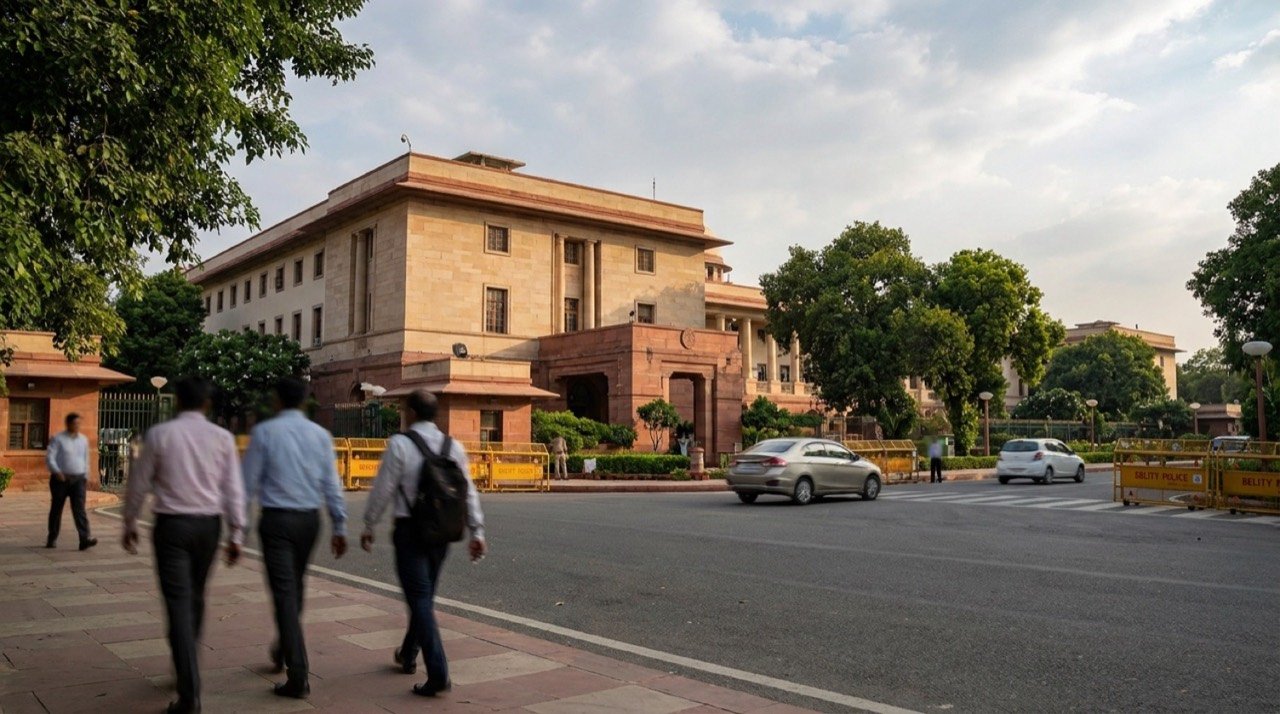
The Supreme Court has issued notice on a bail plea tied to the probe into singer Zubeen Garg's death, reviving an emotionally charged case that has gripped Assam for months.
More from this section
More
AICTE Industry Fellowship 2026: Rs 1.5 Lakh Scheme Closes July 5
The AICTE Industry Fellowship Programme 2026, which places technical-education faculty inside leading companies on a Rs 1.5 lakh monthly stipend, reached its application deadline on July 5.

Bay of Bengal Low Pressure System Revives Monsoon Over Western India
A low-pressure system over the Bay of Bengal has pushed the monsoon back into an active phase, bringing steady heavy rain to Kerala, coastal Karnataka and Maharashtra, and putting Mumbai and Pune on preparedness watch.
Bishnoi Gang Suspects Injured in Haryana Encounter as Police Tighten Net
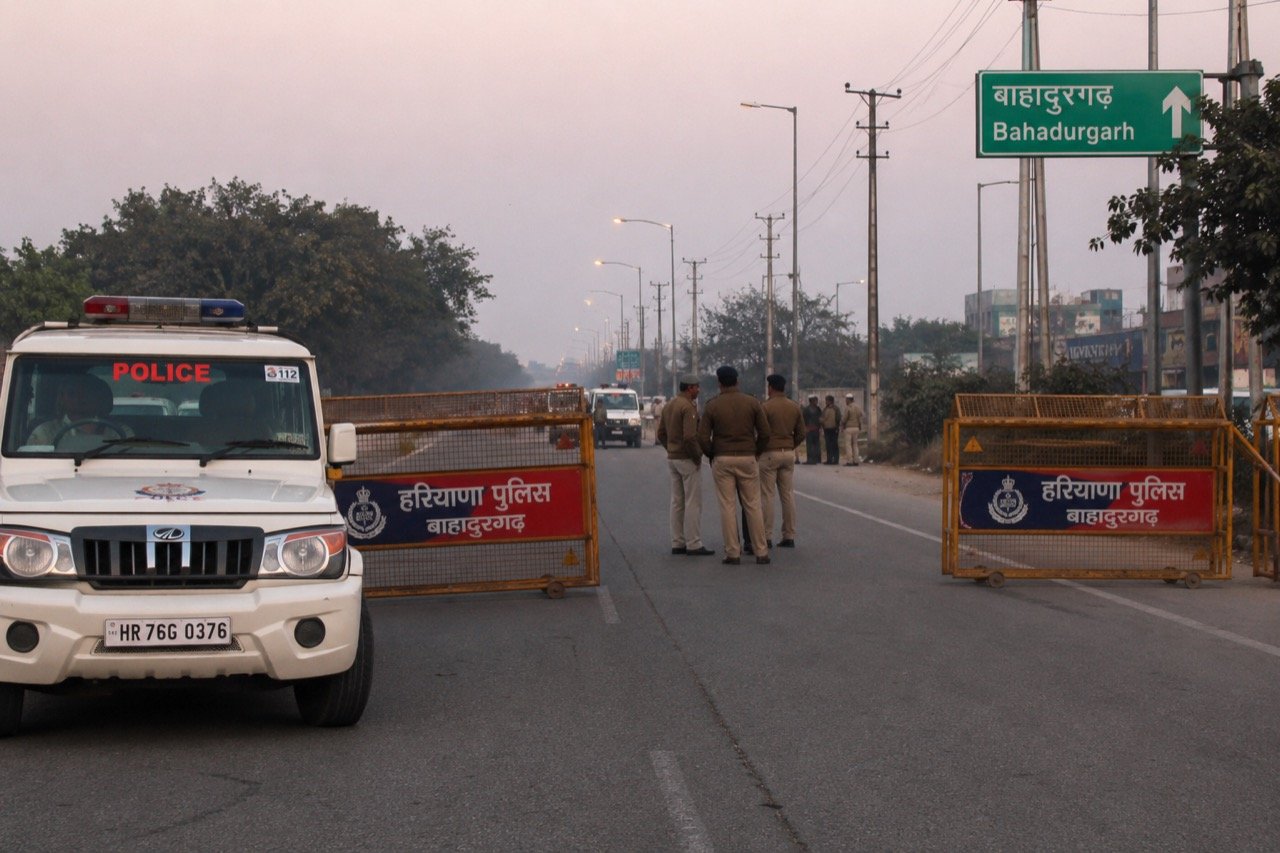
A joint Haryana-Delhi Police operation in Bahadurgarh left two suspected Lawrence Bishnoi gang members injured, spotlighting the multi-state coordination now central to India's fight against organised crime networks.