Supreme Court Stays Early Release of 1993 Bowbazar Blast Convict
The Supreme Court has stayed a Delhi High Court order directing the premature release of Mohammed Rashid Khan, a life convict in the 1993 Bowbazar blasts that killed 69 people in Kolkata.
Commentary & Analysis ·
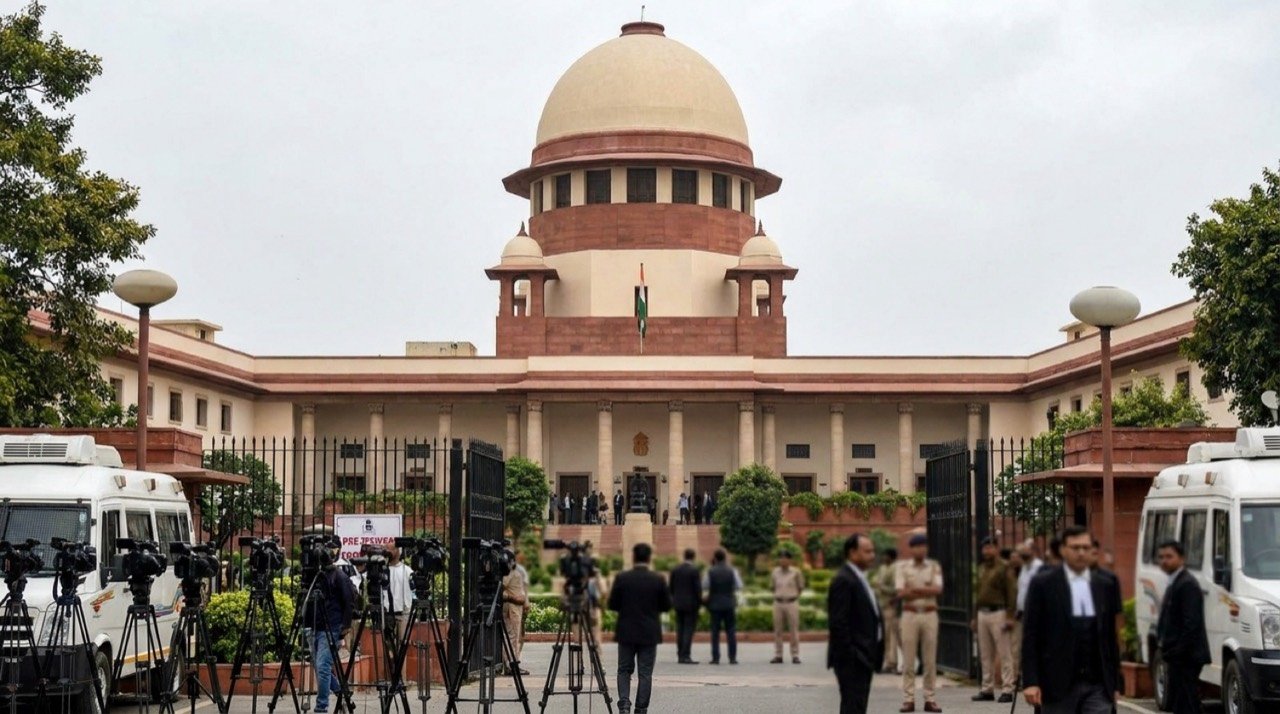
The Supreme Court on Tuesday stayed a Delhi High Court order that had directed the premature release of Mohammed Rashid Khan, a life-term convict in the 1993 Bowbazar blasts case in Kolkata, reopening one of the city's gravest terror prosecutions. The explosions killed 69 people, and the West Bengal government had moved the top court to challenge the release.
What the stay means
By staying the High Court's directive, the apex court has ensured that Khan remains in custody while it examines the competing legal questions at the heart of the dispute. The matter will now stay before the Supreme Court, which must weigh the principles governing remission against the gravity of a mass-casualty crime.
The case has revived attention on the legal standards for releasing prisoners convicted in attacks that caused large loss of life, an area where courts have repeatedly grappled with the balance between rehabilitation and public protection.
The 1993 blasts and their toll
The Bowbazar explosions of 1993 remain among the deadliest incidents in Kolkata's recent history, with 69 lives lost. For survivors and the families of those killed, the prospect of an early release reopened wounds that the passage of decades had not closed, and the state government's challenge reflects that continuing sensitivity.
West Bengal argued that the seriousness of the offence and the scale of the casualties weighed against premature release, framing the appeal around victims' memory and public safety as much as legal doctrine.
The remission debate
At the centre of the litigation is the tension between long incarceration and the doctrine of remission, under which long-serving convicts may seek early release. Courts must decide how much weight to give the original crime when a prisoner has already spent many years behind bars, and where the line falls for offences that killed dozens.
- The Supreme Court stayed the Delhi High Court's release order on Tuesday.
- Mohammed Rashid Khan is a life convict in the 1993 Bowbazar blasts case.
- The explosions in Kolkata killed 69 people.
- West Bengal challenged the premature release before the top court.
- Questions of remission, long incarceration and public safety remain to be examined.
“The matter will remain before the top court while competing questions of remission, victims' memory and public safety are examined.”
— Supreme Court proceedings
The eventual ruling is likely to be read closely by courts, prosecutors and prisoners' rights advocates alike, since it will help clarify how the justice system treats remission pleas in cases involving mass casualties. For now, the stay keeps both the convict and the underlying legal questions firmly within the Supreme Court's purview.
The NE Times View
The stay is a reminder that premature release of life convicts in mass-casualty terror cases cannot be treated as routine sentence administration. With 69 dead, the public interest in finality is unusually heavy, and the apex court was right to pause and examine the High Court's reasoning. The NE Times View: remission policy must balance reform against the gravity of the crime, and that calculus tilts sharply when the offence struck at public safety itself.
This article is original commentary and analysis by The NE Times. Background facts were referenced from Indian Express and Tribune India.
You may also like to read

Supreme Court Notes CBSE Policy for West Asia Class 12 Students, Disposes Plea
The Supreme Court closed a Saudi Arabia-based candidate's petition after the Centre cited a fresh CBSE policy to declare Class 12 results for West Asian students whose board exams were cancelled amid regional conflict.
Supreme Court Pulls Up CARA Over Adoption Delays For Waiting Families
The Supreme Court has questioned an alleged obstructionist approach by the Central Adoption Resource Authority, spotlighting the long delays faced by children and prospective parents seeking permanent families.
Supreme Court Draws a Line Around Collegium Scrutiny
A Supreme Court ruling that collegium recommendations are not ordinary records open to judicial scrutiny has sharpened India's long-running debate over transparency in judicial appointments.
Supreme Court calls homemakers 'nation builders', fixes Rs 30,000 monthly value for domestic care
In a judgment recognising the economic worth of unpaid domestic work, the court set a benchmark notional income for assessing the loss of a homemaker's contribution in motor accident claims.
More from this section
More
AICTE Industry Fellowship 2026: Rs 1.5 Lakh Scheme Closes July 5
The AICTE Industry Fellowship Programme 2026, which places technical-education faculty inside leading companies on a Rs 1.5 lakh monthly stipend, reached its application deadline on July 5.
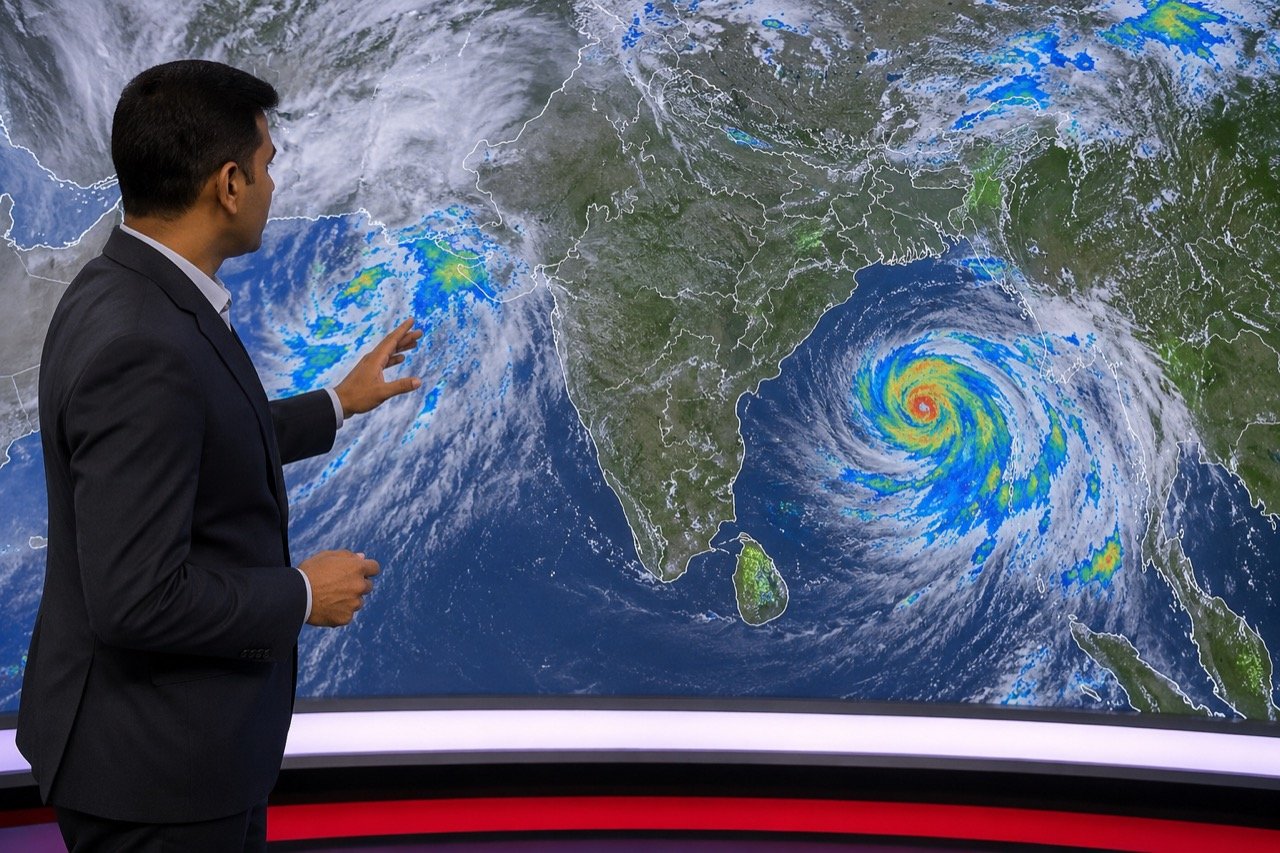
Bay of Bengal Low Pressure System Revives Monsoon Over Western India
A low-pressure system over the Bay of Bengal has pushed the monsoon back into an active phase, bringing steady heavy rain to Kerala, coastal Karnataka and Maharashtra, and putting Mumbai and Pune on preparedness watch.
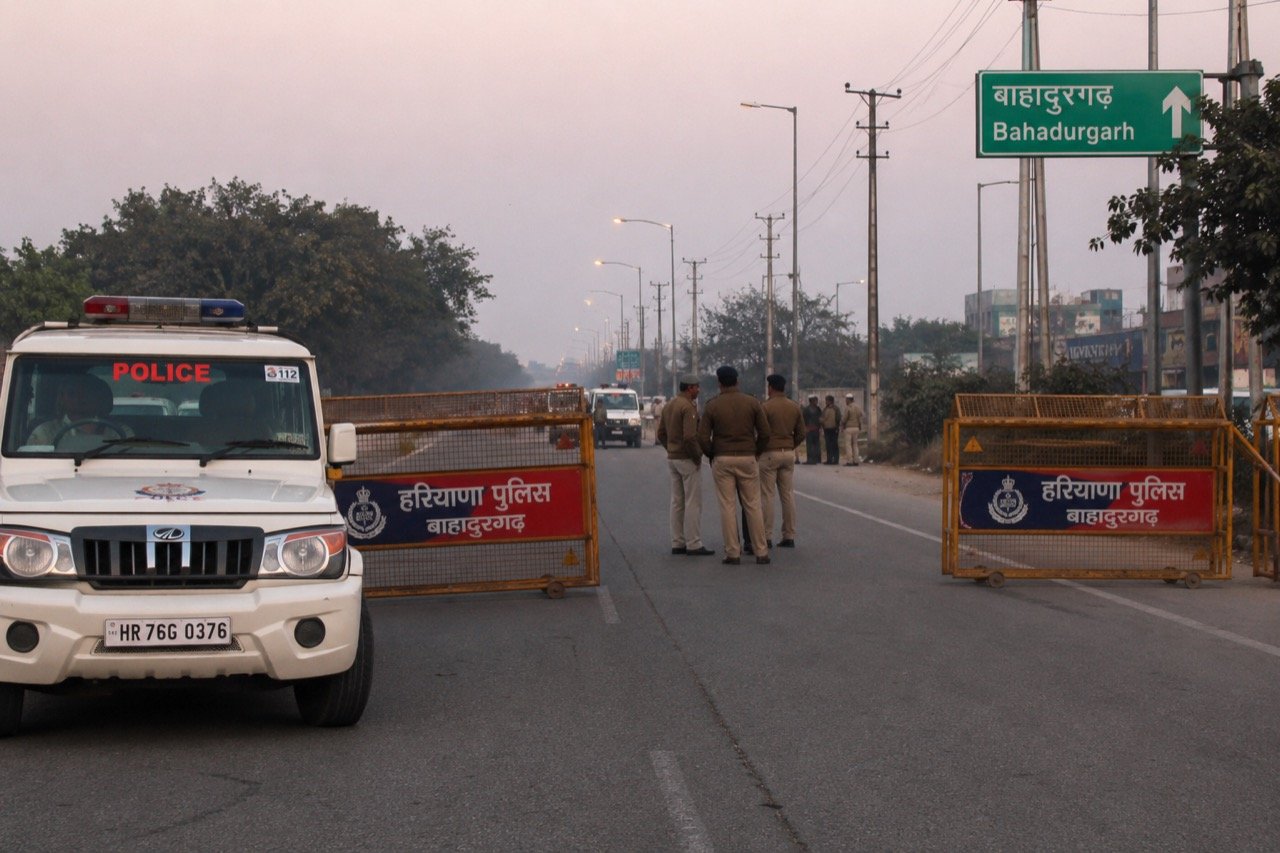
Bishnoi Gang Suspects Injured in Haryana Encounter as Police Tighten Net
A joint Haryana-Delhi Police operation in Bahadurgarh left two suspected Lawrence Bishnoi gang members injured, spotlighting the multi-state coordination now central to India's fight against organised crime networks.