General Dwivedi's Tenure Puts Drones and New Battle Formations in Focus
As Army Chief General Upendra Dwivedi nears the end of his tenure on June 30, his legacy is being weighed through accelerated doctrine, drones and reorganised battle formations.
Commentary & Analysis ·
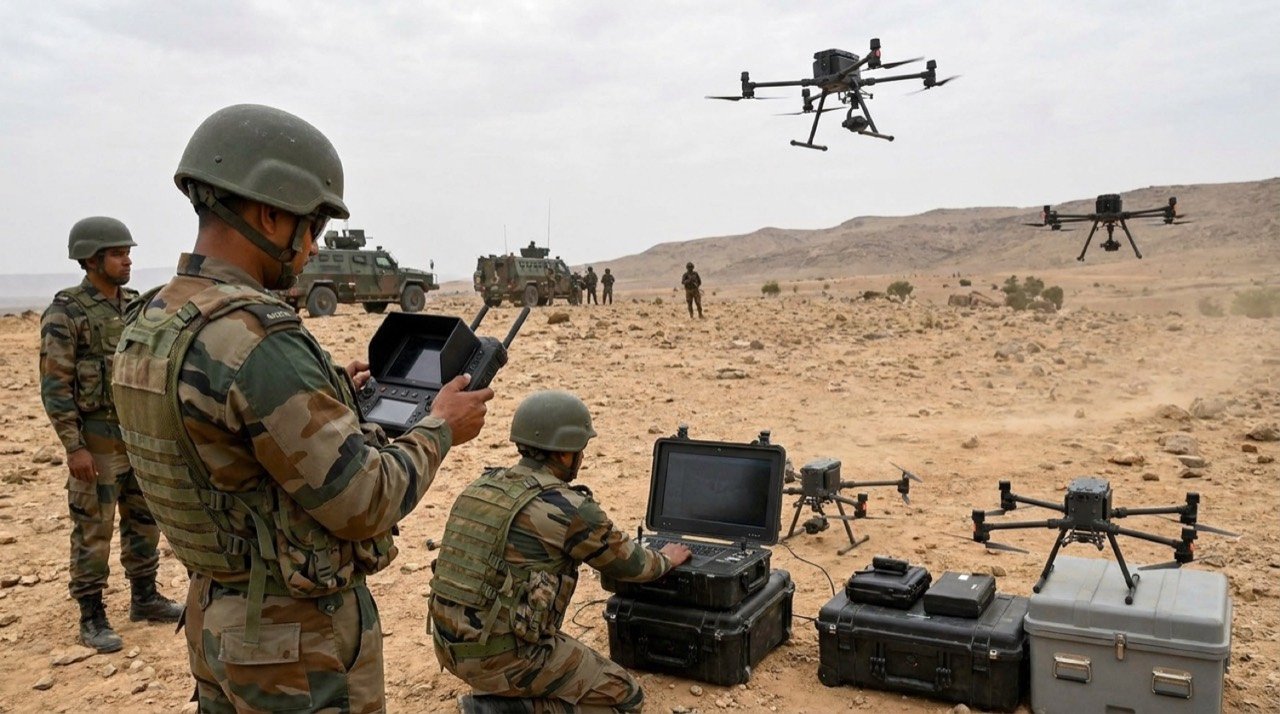
As Army Chief General Upendra Dwivedi approaches the end of his tenure on June 30, attention is turning to how his time in command will be remembered. Much of that assessment, as reported by NDTV, runs through a single thread: accelerated doctrinal change built around drones, networked operations and the redrawing of traditional battle formations. His period in office has been framed as one in which the Indian Army pushed harder on technology and absorbed lessons drawn from recent conflict environments.
More than buying equipment
Military modernisation is often reduced in public debate to procurement headlines, but the harder work lies elsewhere. Reform of this kind involves training, command structures, logistics and battlefield communications, and above all the ability to absorb new tools without confusing units on the front line. A new system that frontline soldiers cannot use confidently under pressure adds little real capability.
That is why the Dwivedi years have been described less in terms of single weapons and more in terms of how the force fights as a whole. Drones, sensors and networked command posts only deliver an advantage when they are woven into the way the Army scouts, strikes, defends and coordinates with the Air Force and other services.
Drones and flexible formations
The clearest emblems of the shift are unmanned systems and the move toward more flexible formations. Drones change reconnaissance and strike options, letting commanders see and act across longer distances at lower risk, while reorganised formations are meant to make units quicker to adapt and harder to predict.
These changes also reflect a reading of contemporary warfare in which speed, sensing and integration increasingly decide outcomes. The intent has been to ensure the Army is not preparing for the last war but for the contested, technology-saturated environment it is more likely to face.
The test of permanence
The central question raised by the coming transition is whether these reforms become permanent institutional habits or remain tied to one chief's tenure. Doctrine that depends on the personal drive of a single commander risks slowing once that commander departs.
- Accelerated doctrinal change, not just new hardware, defines the period.
- Drones, sensors and networked command posts reshape scouting and strike.
- New battle formations aim for greater flexibility and adaptability.
- Training, logistics and communications underpin any lasting gains.
- The handover will test whether reforms outlast a single chief.
“Modernisation succeeds only when new tools become routine habits for the soldier on the ground, not showpieces for the parade square.”
— Defence commentator
As the change of command nears, the lasting measure of General Dwivedi's tenure will be whether the Army's embrace of drones, networks and new formations has been institutionalised deeply enough to carry forward. The transition itself will offer an early signal of how durable the past few years of reform have proven to be.
The NE Times View
Leadership transitions are the right moment to judge whether modernisation is structural or cosmetic. Drones and reorganised formations matter only if procurement, training and doctrine outlast any one chief's tenure. The real test is institutional continuity: India's land warfare is being reshaped by cheap, attritable systems, and the Army cannot afford reforms that stall the moment leadership changes hands.
This article is original commentary and analysis by The NE Times. Background facts were referenced from NDTV and Rajan Thind.
You may also like to read
Lt Gen Dhiraj Seth Named Next Army Chief, To Take Charge June 30
The government has appointed Lieutenant General Dhiraj Seth, currently Vice Chief of the Army Staff, as the next Chief of the Army Staff. He will assume office on June 30.
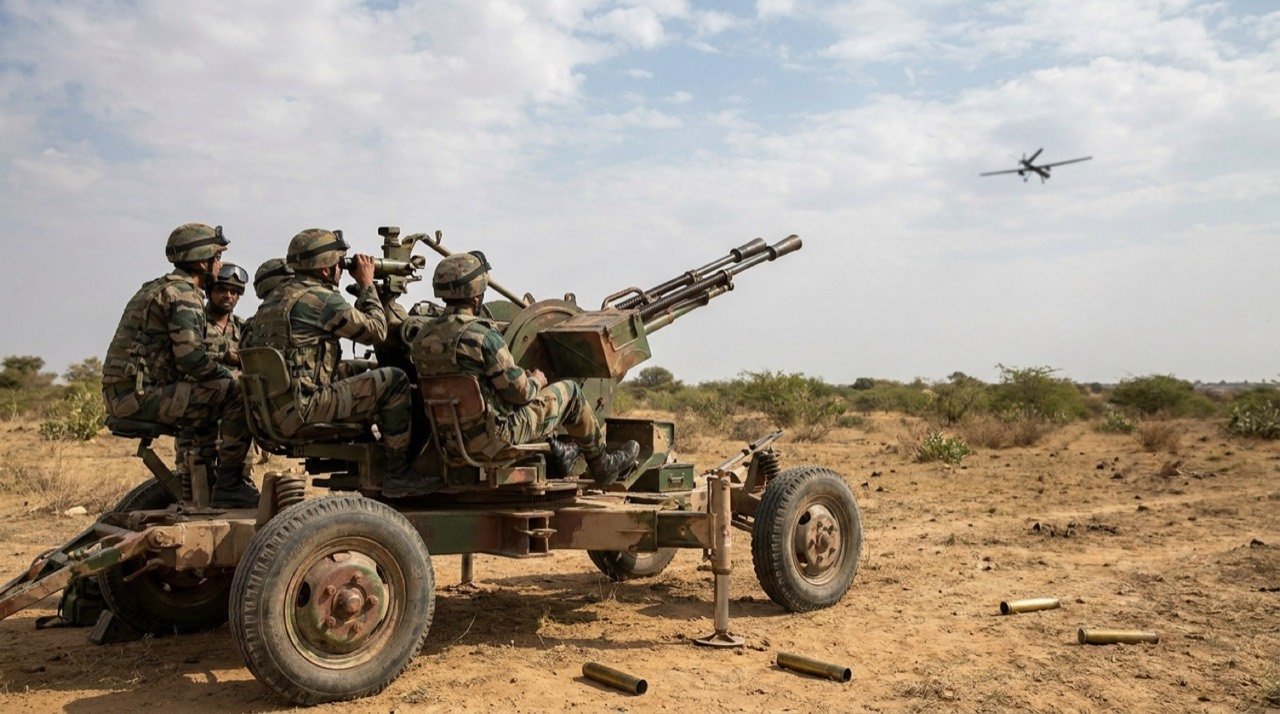
Army Air Defence Training Upgrade Targets Drone and Missile Threats
The Indian Army is acquiring new target systems that simulate drone swarms, helicopters and missile-like threats, sharpening air-defence training for an era of unmanned and smart weapons.
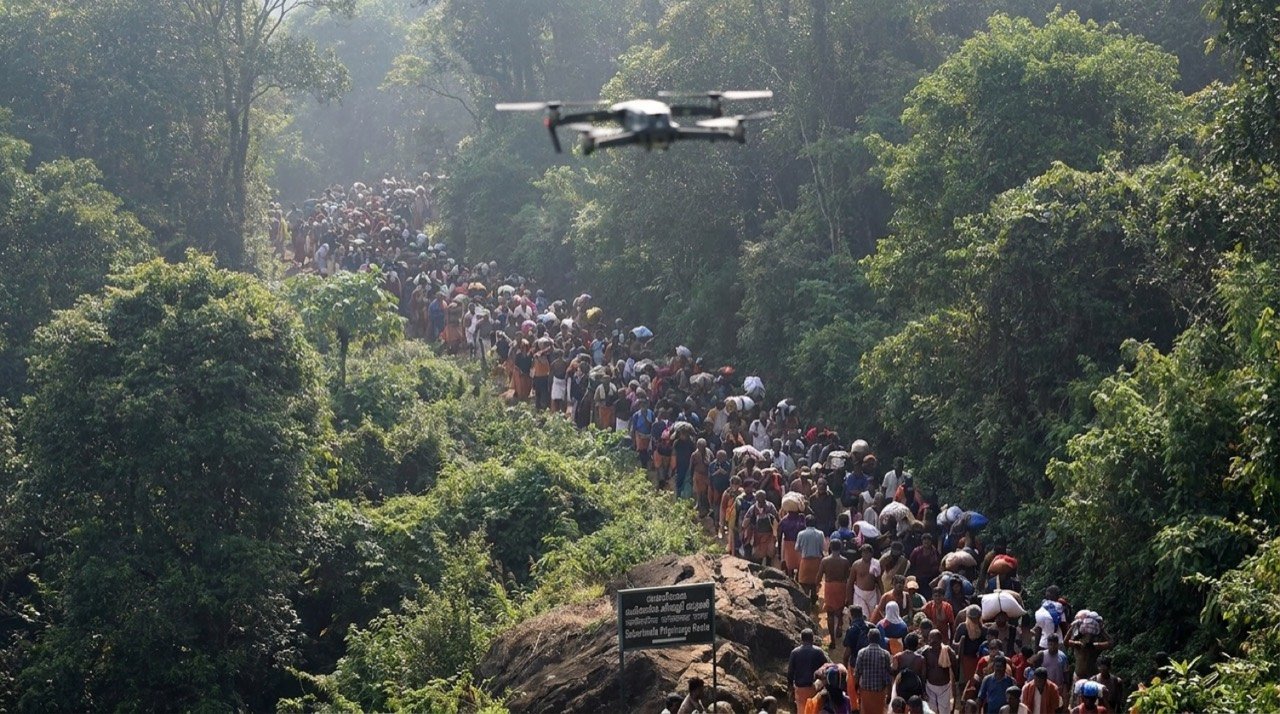
Sabarimala Plans Drones and AI Systems for Pilgrimage Crowd Safety
Kerala's Sabarimala temple administration is preparing to deploy artificial intelligence, drones and predictive systems to manage pilgrim crowds and improve safety during the coming pilgrimage season.
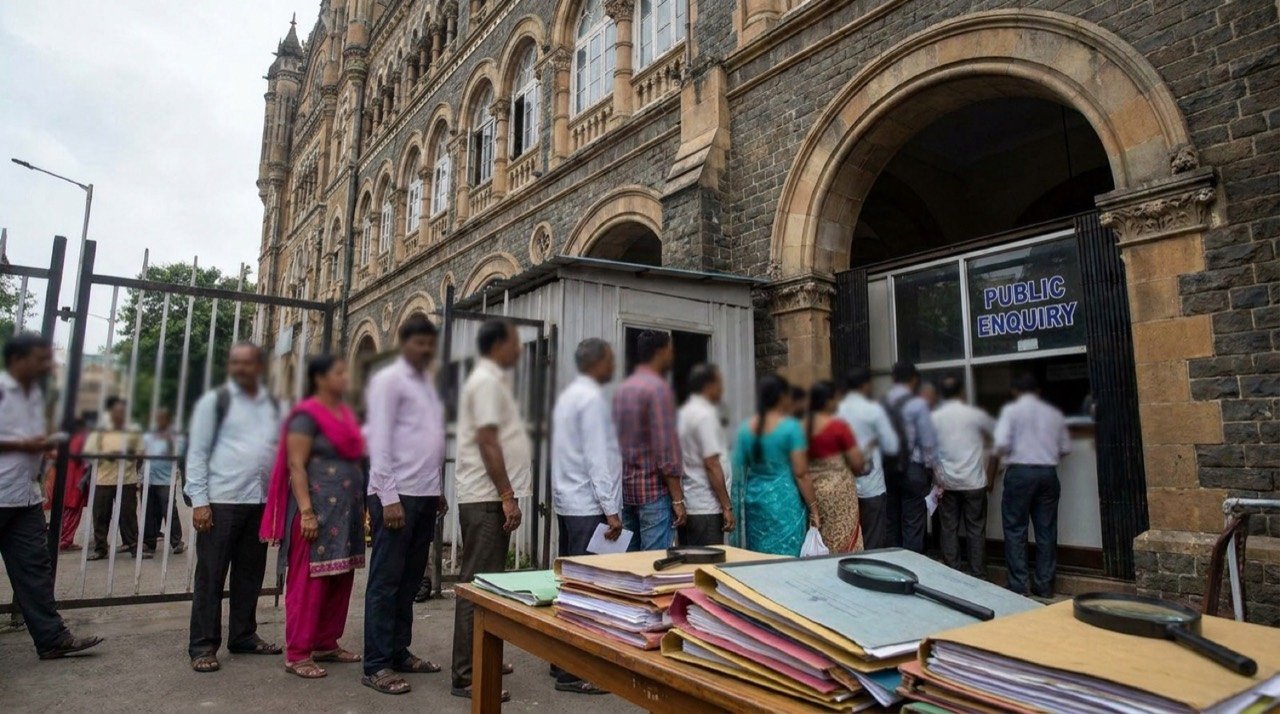
Mumbai AIMIM Corporator's Disqualification Puts Caste-Certificate Scrutiny in Focus
The reported disqualification of an AIMIM corporator in Mumbai after a caste certificate was invalidated has reopened debate over reserved-seat verification in India's urban local bodies.
More from this section
More
AICTE Industry Fellowship 2026: Rs 1.5 Lakh Scheme Closes July 5
The AICTE Industry Fellowship Programme 2026, which places technical-education faculty inside leading companies on a Rs 1.5 lakh monthly stipend, reached its application deadline on July 5.
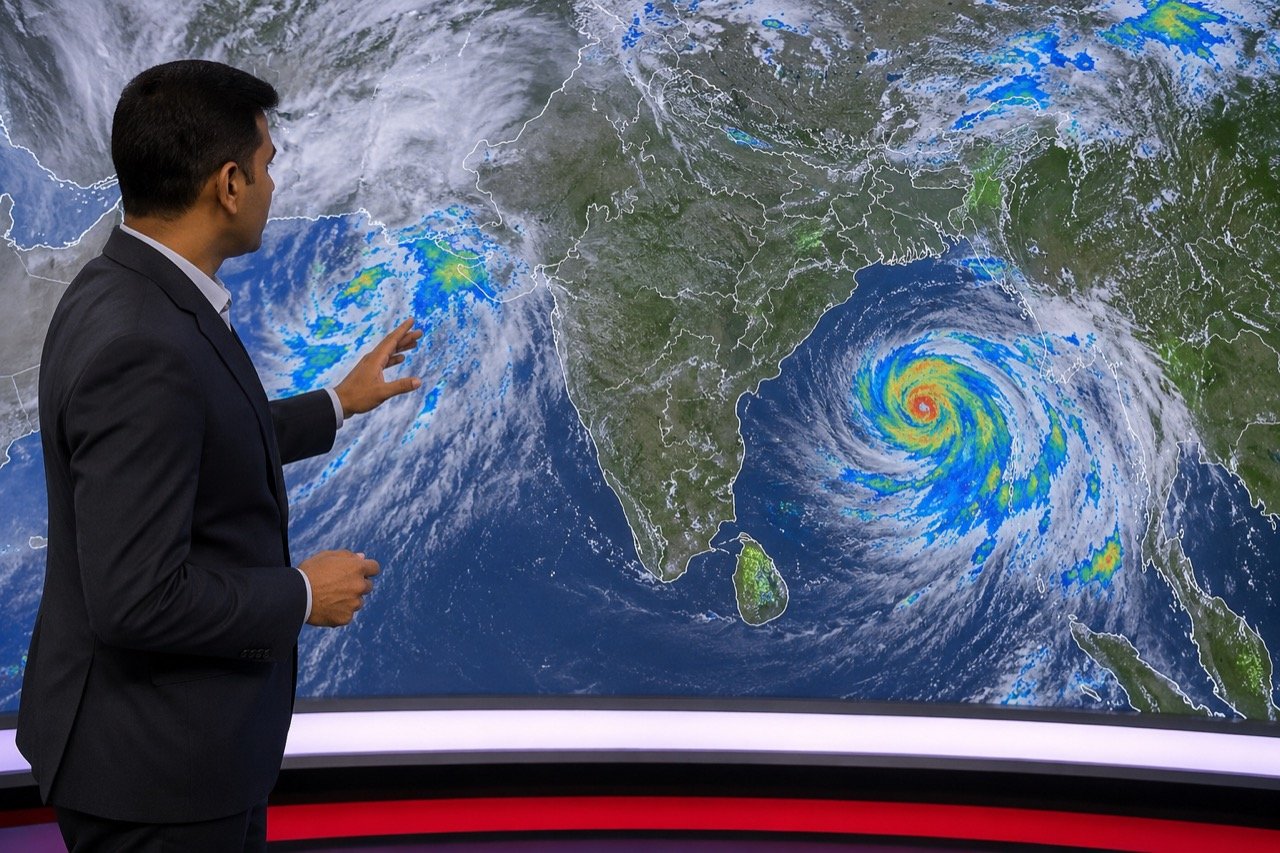
Bay of Bengal Low Pressure System Revives Monsoon Over Western India
A low-pressure system over the Bay of Bengal has pushed the monsoon back into an active phase, bringing steady heavy rain to Kerala, coastal Karnataka and Maharashtra, and putting Mumbai and Pune on preparedness watch.
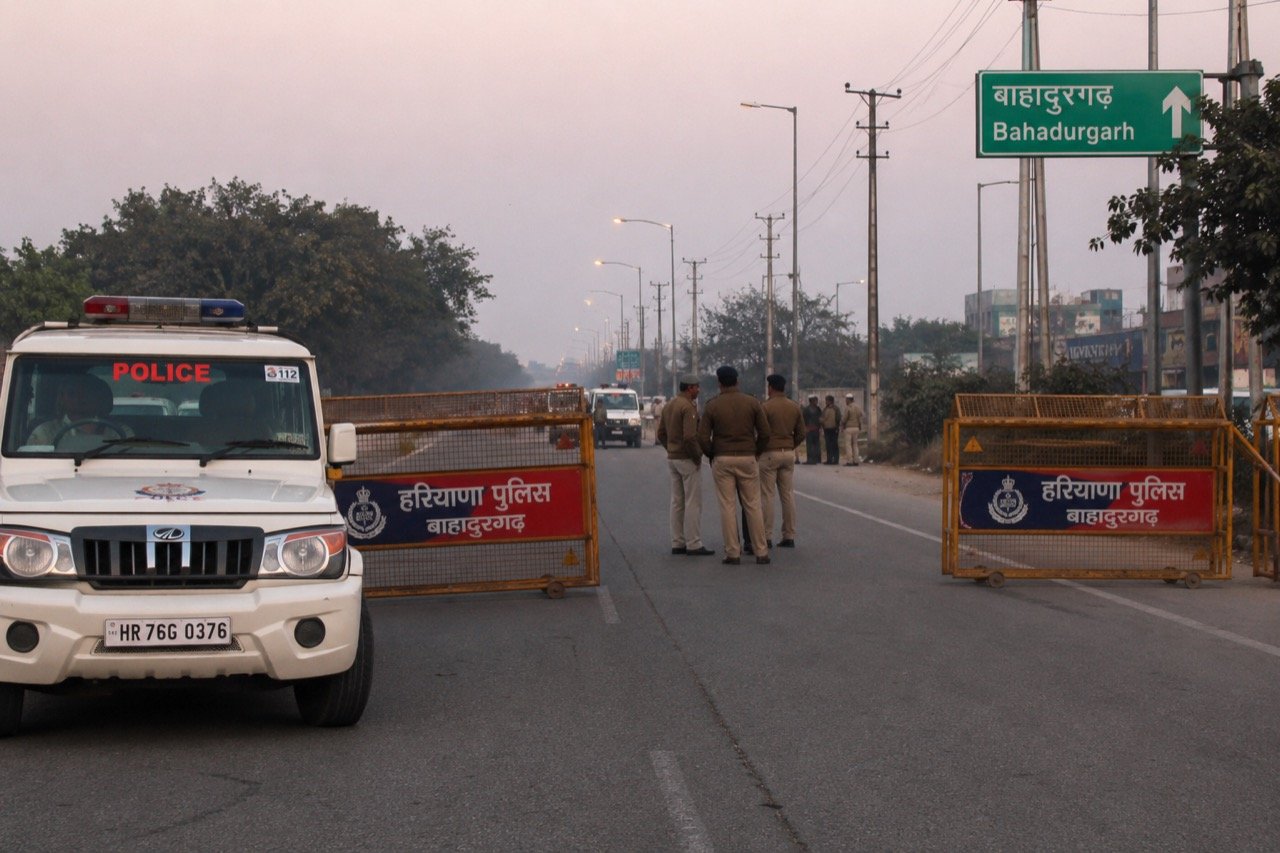
Bishnoi Gang Suspects Injured in Haryana Encounter as Police Tighten Net
A joint Haryana-Delhi Police operation in Bahadurgarh left two suspected Lawrence Bishnoi gang members injured, spotlighting the multi-state coordination now central to India's fight against organised crime networks.