Sabarimala Plans Drones and AI Systems for Pilgrimage Crowd Safety
Kerala's Sabarimala temple administration is preparing to deploy artificial intelligence, drones and predictive systems to manage pilgrim crowds and improve safety during the coming pilgrimage season.
Commentary & Analysis ·
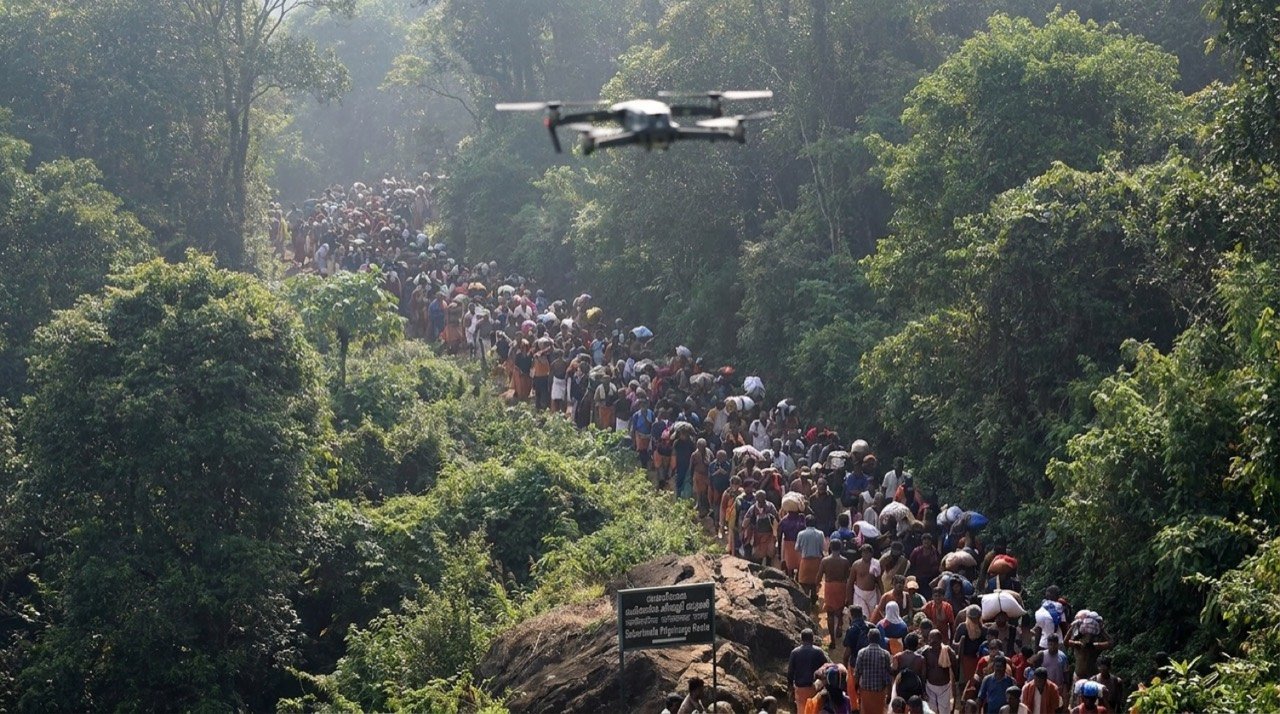
Kerala's Sabarimala temple administration is preparing to harness artificial intelligence tools, drones and predictive systems to manage the vast crowds of devotees expected during the coming pilgrimage season. The plan aims to anticipate congestion before it builds, sharpen route monitoring and help officials respond more quickly when crowd pressure mounts on the temple's challenging hill approaches.
Why Sabarimala Poses a Unique Challenge
Sabarimala draws enormous numbers of pilgrims who travel through forested hill routes to reach the shrine, a setting that makes crowd flow, weather, transport and emergency coordination unusually demanding. The terrain leaves limited room for manoeuvre, so even small surges in footfall can create serious congestion.
Against this backdrop, technology that offers earlier warning of bottlenecks could prove valuable, giving managers time to redirect movement and pre-position resources before situations escalate.
What the Technology Can and Cannot Do
According to the Indian Express, the plan envisages AI-driven analysis, aerial drone surveillance and predictive modelling working together to give officials better visibility across the pilgrimage corridor. Drones can survey stretches of route that are hard to observe from the ground, while predictive systems can flag where pressure is likely to build.
Yet the administration is clear that technology cannot replace trained ground staff. Sensors and software provide information; it is people on the ground who must act on it, manage queues and respond to emergencies.
The Test of Trust and Privacy
The key test, observers note, will be whether these data systems are used transparently, respectfully and with robust privacy safeguards. Surveillance of devotees, however well intentioned, raises questions about how footage and data are stored, who can access them and how long they are retained.
- Sabarimala plans AI tools, drones and predictive systems for the next season.
- The aim is to anticipate congestion and speed up emergency response.
- Forested hill routes make crowd flow and coordination especially difficult.
- Technology supplements but does not replace trained ground staff.
- Transparency and privacy safeguards will be central to public trust.
“Technology cannot replace ground staff, but it can give managers earlier warnings and better visibility.”
— On the Sabarimala crowd-management plan
If implemented thoughtfully, the initiative could become a model for managing large religious gatherings across India, where seasonal pilgrimages routinely test the limits of conventional crowd control. Its success, however, will hinge less on the sophistication of the technology than on how carefully it is integrated with human judgement and how seriously privacy concerns are addressed.
The NE Times View
After repeated stampede tragedies at Indian shrines, applying AI and drones to crowd safety is sensible and long overdue. Technology, though, manages symptoms; the underlying problem is infrastructure straining under devotion at scale. Predictive systems will only help if temple authorities act on the warnings and invest in physical capacity. Done well, Sabarimala could become a template; done as a gadget showcase, it risks giving false confidence before the next surge.
This article is original commentary and analysis by The NE Times. Background facts were referenced from Indian Express and GoodReturns.
You may also like to read
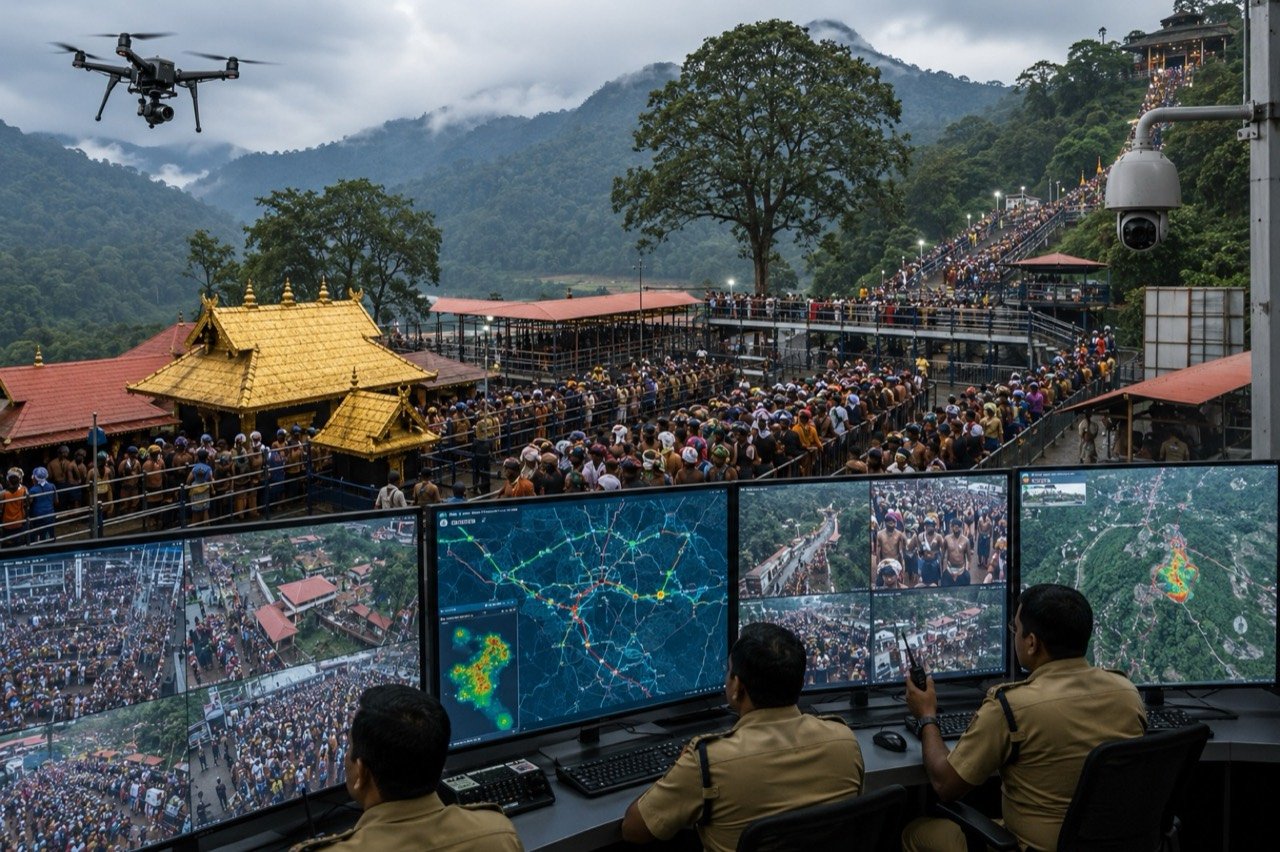
Sabarimala to Get AI-Powered Crowd Control for 2026 Pilgrimage Season
Kerala temple authorities are readying an AI-enabled system of smart cameras, drones and GIS mapping to monitor crowds and predict congestion at Sabarimala ahead of the busy pilgrimage season.
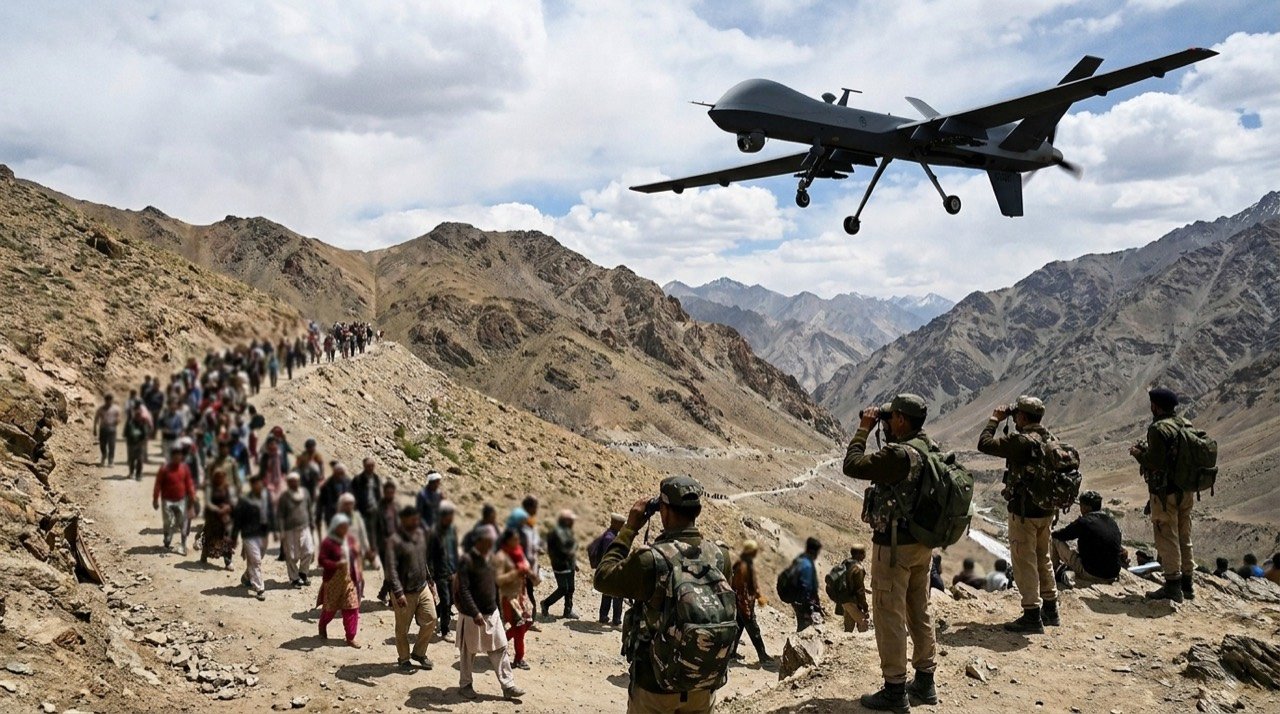
Project Hawk Eye: AI, Drones and Snipers to Guard the Amarnath Yatra
Anantnag police have unveiled Project Hawk Eye, a layered surveillance net of drones, facial recognition, hundreds of CCTV cameras and sniper teams to secure the 2026 Amarnath Yatra beginning 3 July.
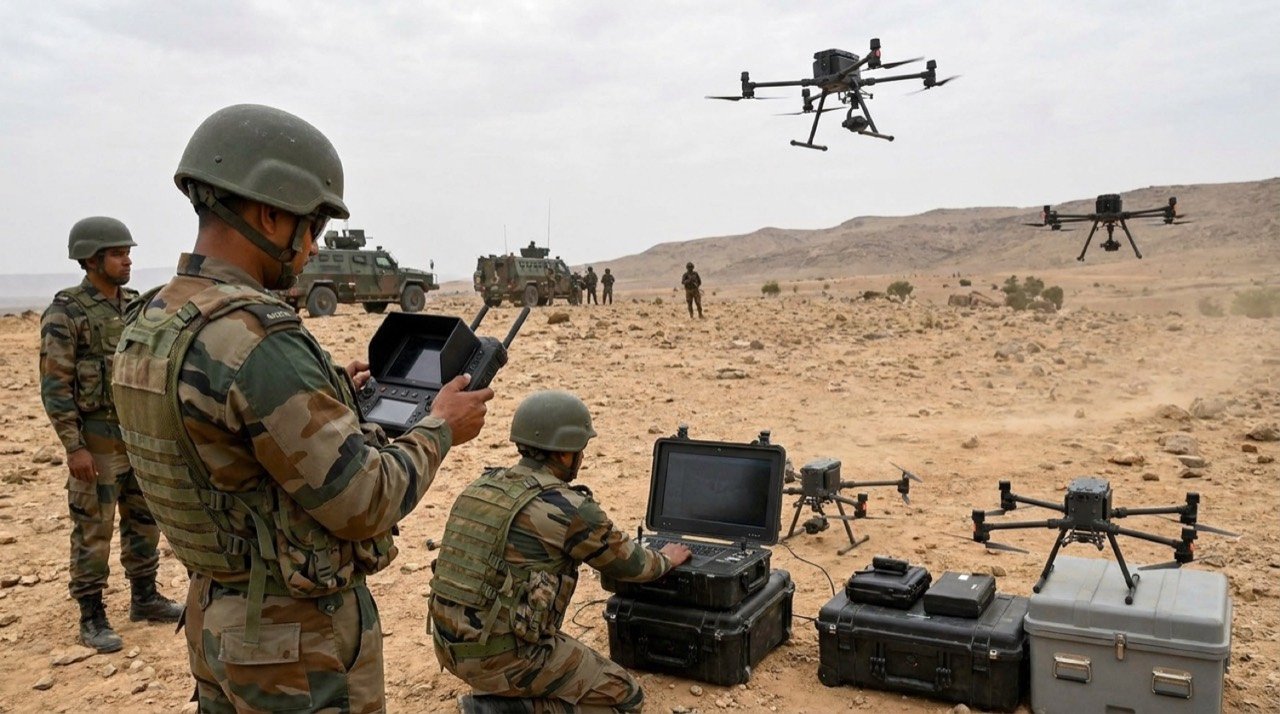
General Dwivedi's Tenure Puts Drones and New Battle Formations in Focus
As Army Chief General Upendra Dwivedi nears the end of his tenure on June 30, his legacy is being weighed through accelerated doctrine, drones and reorganised battle formations.
Khatu Shyamji Rail Connectivity Plan Could Ease Rajasthan Pilgrimage Pressure
A rail-connectivity push for Rajasthan's high-footfall Khatu Shyamji could reshape how pilgrims travel, easing road congestion and supporting local businesses if delivered well.
More from this section
More
AICTE Industry Fellowship 2026: Rs 1.5 Lakh Scheme Closes July 5
The AICTE Industry Fellowship Programme 2026, which places technical-education faculty inside leading companies on a Rs 1.5 lakh monthly stipend, reached its application deadline on July 5.
Bay of Bengal Low Pressure System Revives Monsoon Over Western India
A low-pressure system over the Bay of Bengal has pushed the monsoon back into an active phase, bringing steady heavy rain to Kerala, coastal Karnataka and Maharashtra, and putting Mumbai and Pune on preparedness watch.
Bishnoi Gang Suspects Injured in Haryana Encounter as Police Tighten Net
A joint Haryana-Delhi Police operation in Bahadurgarh left two suspected Lawrence Bishnoi gang members injured, spotlighting the multi-state coordination now central to India's fight against organised crime networks.