Lt Gen Dhiraj Seth Named Next Army Chief, To Take Charge June 30
The government has appointed Lieutenant General Dhiraj Seth, currently Vice Chief of the Army Staff, as the next Chief of the Army Staff. He will assume office on June 30.
Commentary & Analysis ·
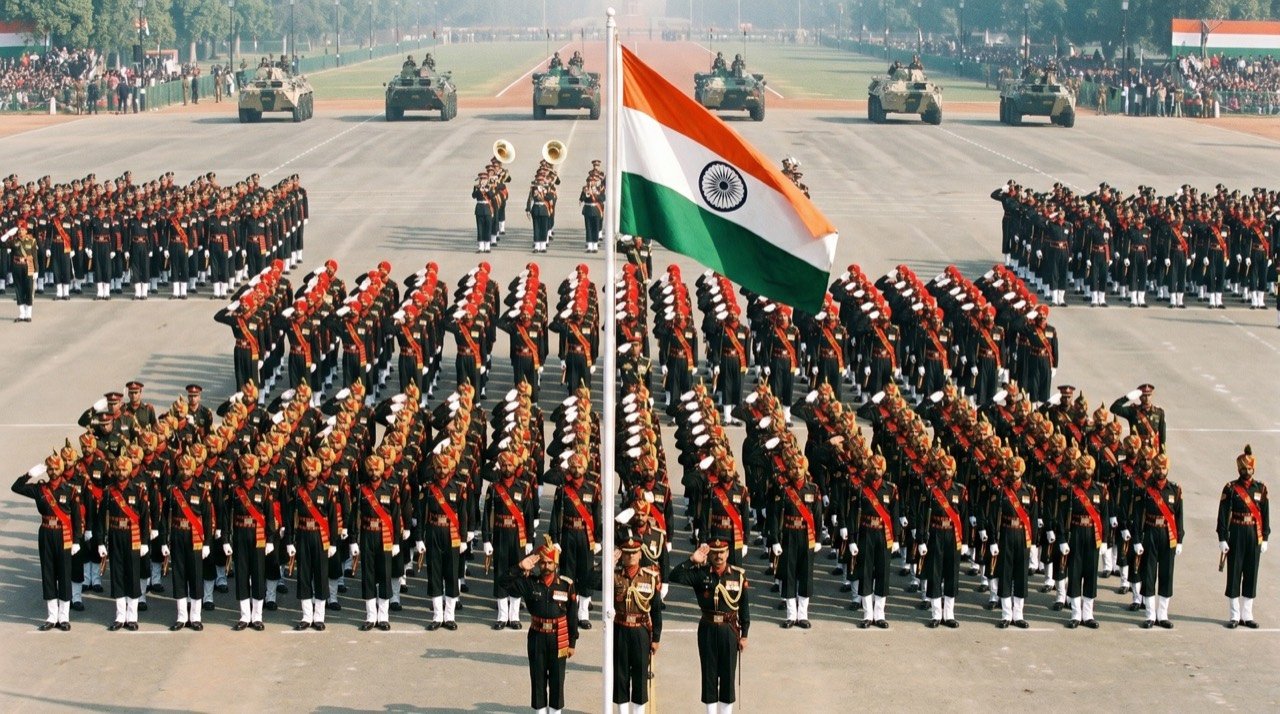
The central government has announced that Lieutenant General Dhiraj Seth will be the next Chief of the Army Staff, taking over the leadership of the Indian Army on the afternoon of June 30. He currently serves as the Vice Chief of the Army Staff, the second-most senior appointment in the force and a role that carries day-to-day responsibility for planning, procurement and the running of Army Headquarters.
His elevation comes at a moment when the Army is balancing several long-running priorities at once, from modernising its equipment and doctrine to managing security along sensitive borders. The decision draws a clear line of succession at the top of one of the world's largest standing armies and sets the tone for the institution's direction over the coming years.
A planned handover
The appointment coincides with the retirement of the present chief, General Upendra Dwivedi, who demits office on the same day. Such overlapping dates are characteristic of how the Army manages leadership transitions: the outgoing chief hands over charge in a formal ceremony, and the incoming officer assumes command without a gap, preserving continuity of command at the apex of the force.
Lt Gen Seth will become the 31st officer to hold the post. The position of Chief of the Army Staff carries responsibility for the operational readiness, training, administration and morale of the entire Army, and the holder is a key military adviser to the government on land-warfare matters.
A four-decade career
An alumnus of the National Defence Academy in Khadakwasla, Lt Gen Seth was commissioned into the Armoured Corps in December 1986. The Armoured Corps is the Army's mechanised, tank-centric arm, and officers from this background bring an emphasis on mobility, firepower and combined-arms manoeuvre to senior command.
Over a service spanning nearly four decades, he has held assignments across operational, strategic, capability-development and institutional roles. That breadth, spanning frontline command, the shaping of future capabilities and the running of large organisations, is the kind of profile the Army typically looks for in its most senior appointments, where a chief must move fluidly between battlefield judgement and long-term institution-building.
The agenda ahead
The defence ministry framed the appointment squarely in terms of the challenges facing the force. The Army is in the middle of a sustained push to modernise its arsenal, indigenise procurement and adapt its structures to a changing security environment, while also pursuing greater integration across the services.
“His appointment comes as the Army works through capability modernisation, theatre-level integration and evolving requirements along the country's borders.”
— Defence ministry statement
Theatre-level integration, a recurring theme in recent years, refers to organising military assets along geographic commands that pool the resources of the Army, Navy and Air Force, rather than running them in separate silos. Progress on that reform, alongside the steady absorption of new equipment, is likely to define much of the workload that lands on the new chief's desk.
Outlook
With a clear and orderly handover scheduled for June 30, the focus now turns to how Lt Gen Seth carries forward the modernisation and integration agenda set in motion under his predecessor. His Armoured Corps background and wide span of staff and command experience position him to keep that momentum, while the evolving picture along the borders ensures readiness will remain a constant priority for the leadership ahead.
The NE Times View
A smooth, seniority-based handover from Vice Chief to Chief signals continuity at a time of live borders and an ongoing modernisation drive. The new chief inherits unfinished business: theatre-command integration, indigenisation targets and a two-front readiness posture. Continuity is reassuring, but the test of any tenure is whether reform momentum survives the change of command.
This article is original commentary and analysis by The NE Times. Background facts were referenced from the Press Information Bureau and Business Standard.
You may also like to read
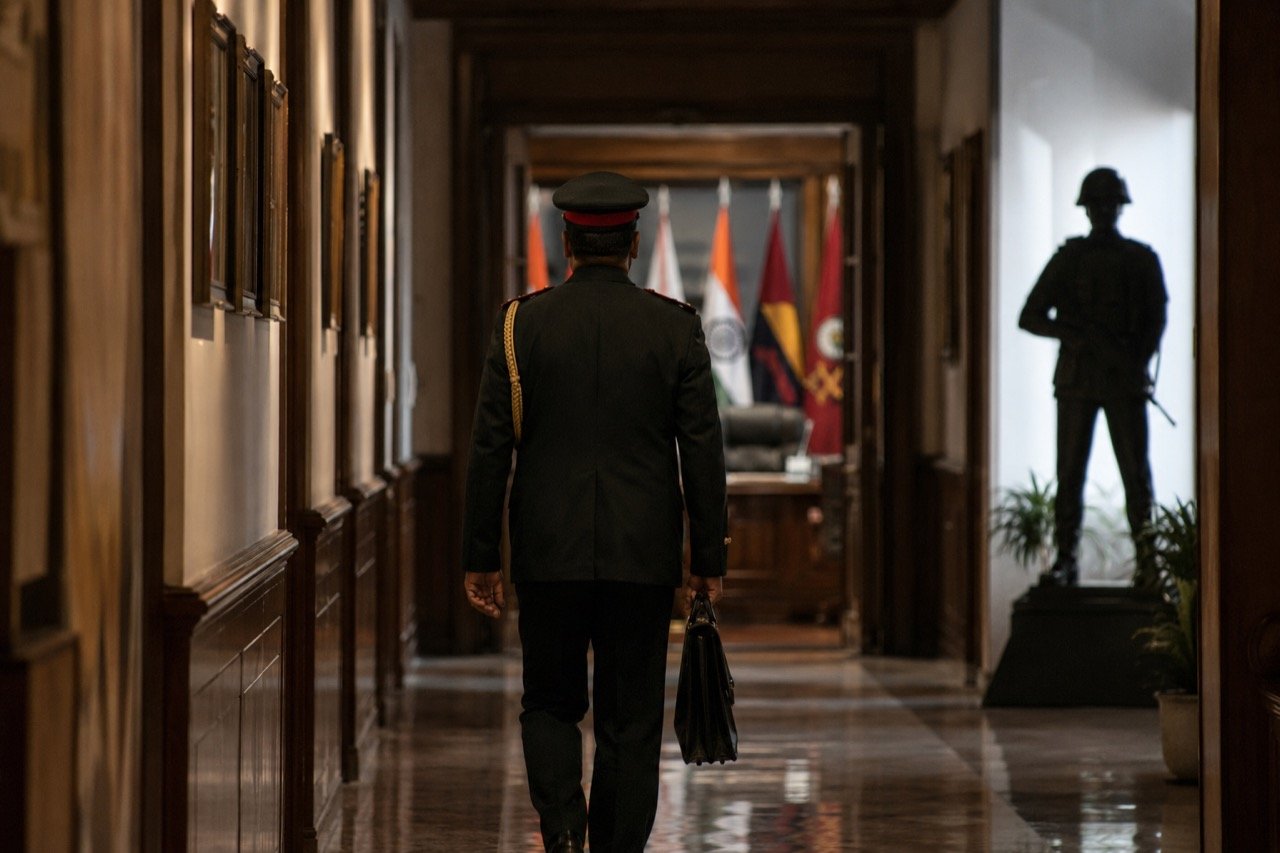
Gen Seth Set to Take Charge as Indian Army Chief: What It Means
General Seth is poised to assume command of the Indian Army at a moment defined by modernisation drives, jointness reforms, active border sensitivities and a push for faster technology induction.
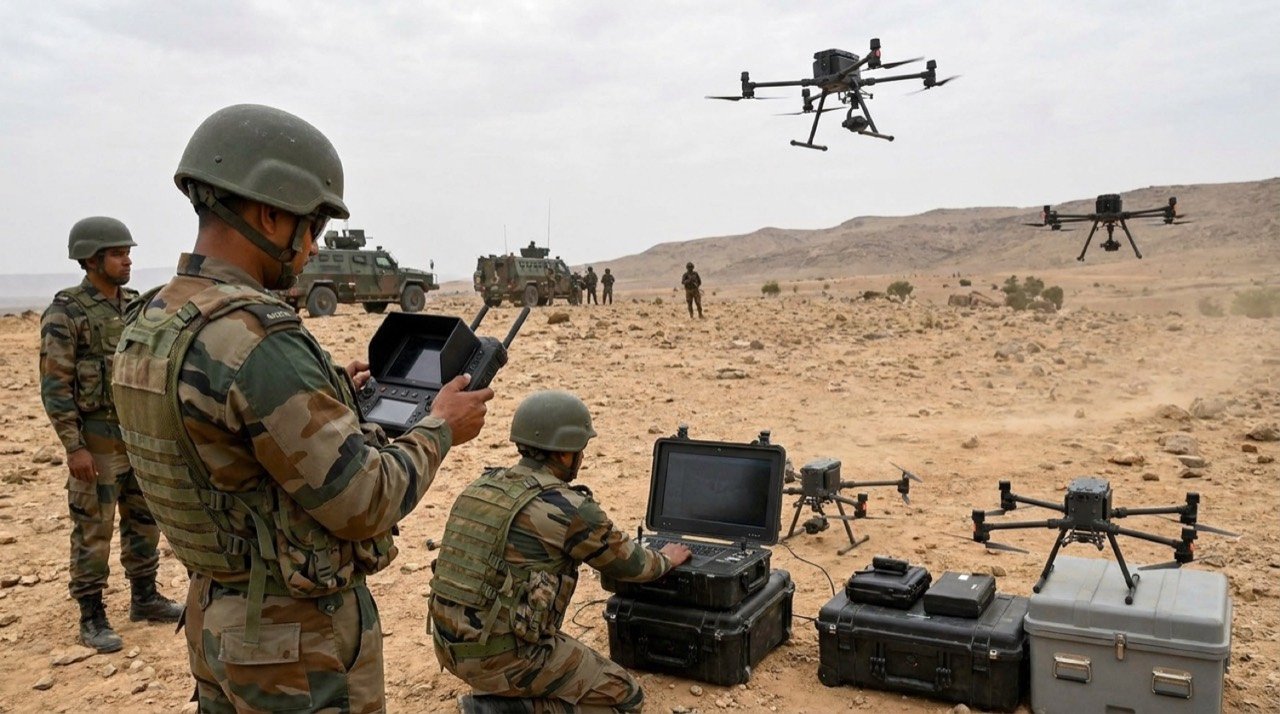
General Dwivedi's Tenure Puts Drones and New Battle Formations in Focus
As Army Chief General Upendra Dwivedi nears the end of his tenure on June 30, his legacy is being weighed through accelerated doctrine, drones and reorganised battle formations.
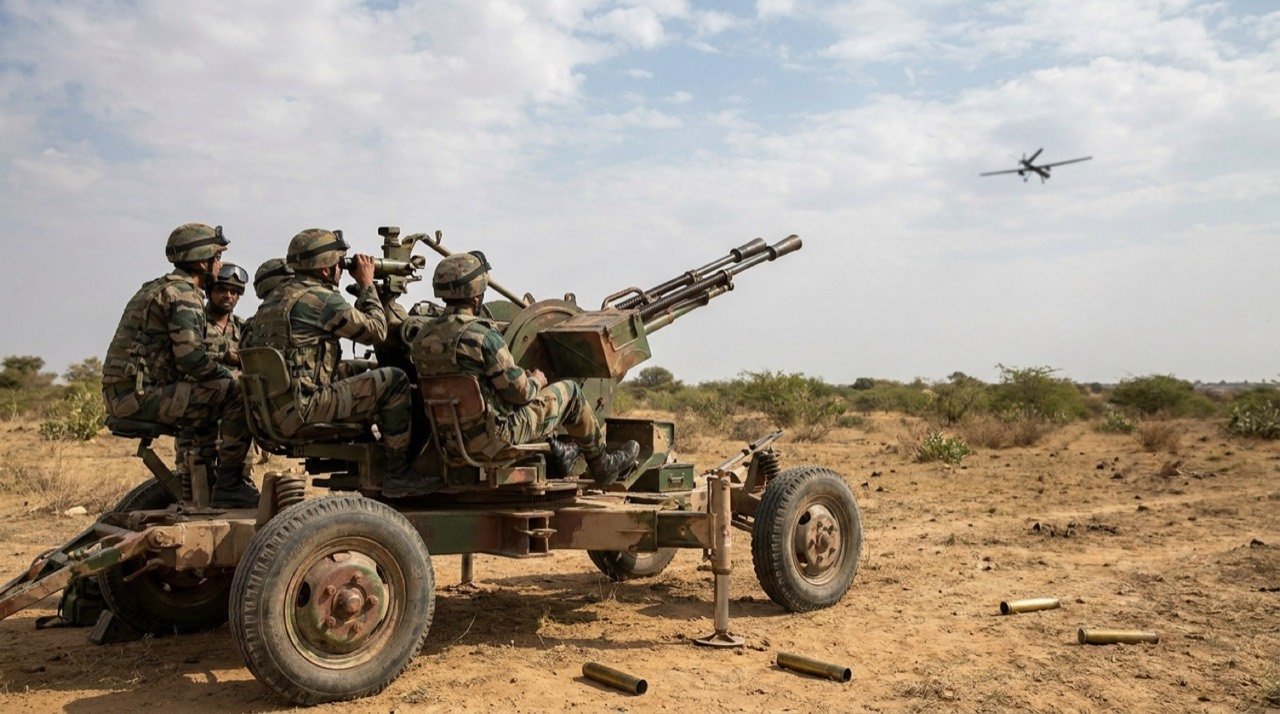
Army Air Defence Training Upgrade Targets Drone and Missile Threats
The Indian Army is acquiring new target systems that simulate drone swarms, helicopters and missile-like threats, sharpening air-defence training for an era of unmanned and smart weapons.
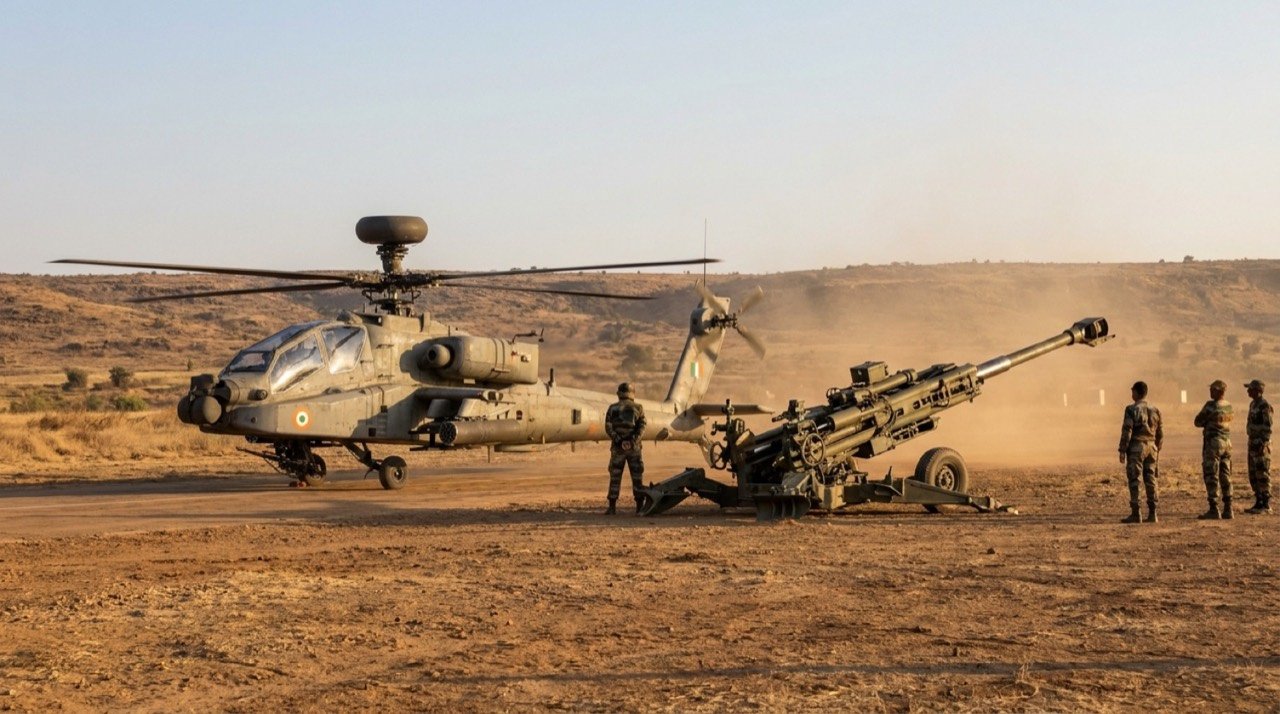
US Clears Sustainment Package for India's Apache Helicopters and M777 Guns
Washington has notified a Foreign Military Sales package worth up to $482 million covering logistics, spares, training and engineering for India's AH-64E Apaches and M777A2 howitzers.
More from this section
More
AICTE Industry Fellowship 2026: Rs 1.5 Lakh Scheme Closes July 5
The AICTE Industry Fellowship Programme 2026, which places technical-education faculty inside leading companies on a Rs 1.5 lakh monthly stipend, reached its application deadline on July 5.
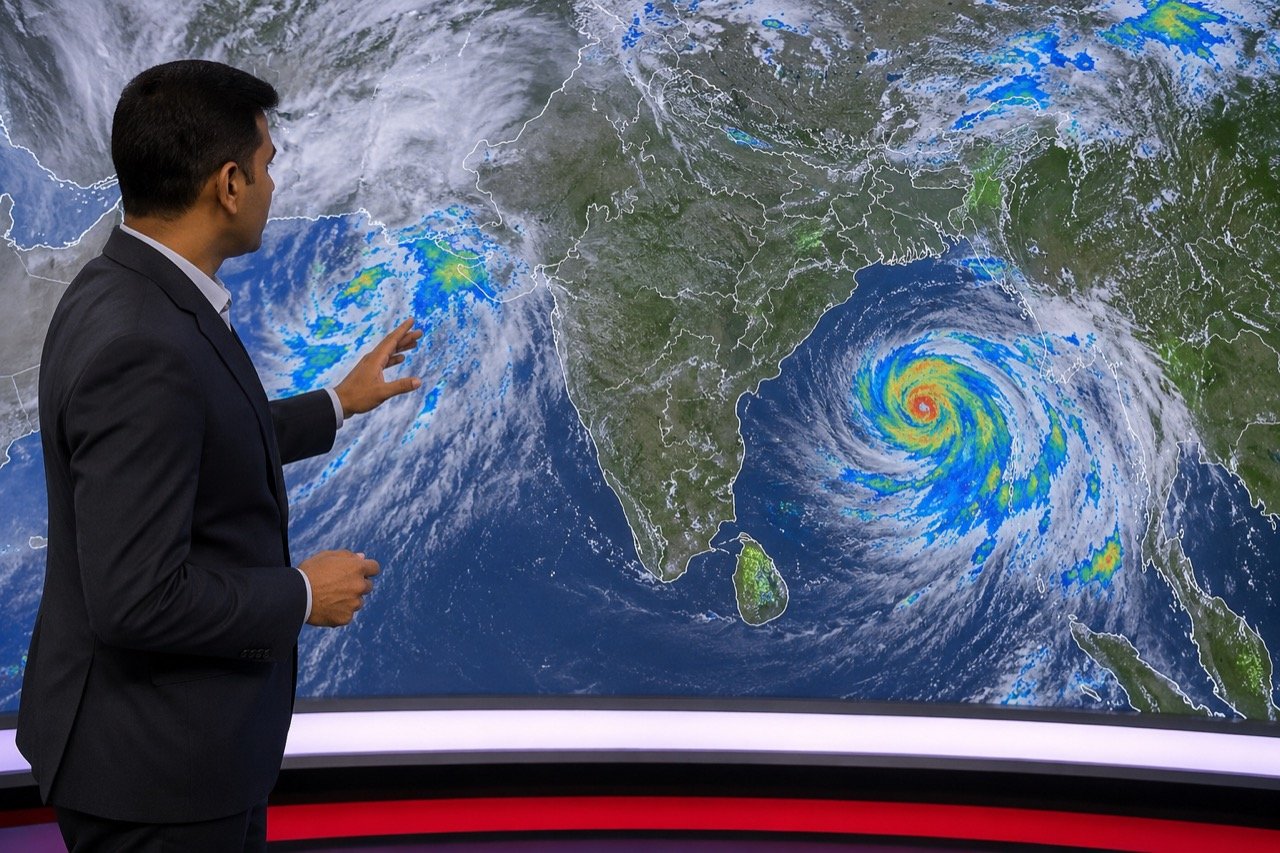
Bay of Bengal Low Pressure System Revives Monsoon Over Western India
A low-pressure system over the Bay of Bengal has pushed the monsoon back into an active phase, bringing steady heavy rain to Kerala, coastal Karnataka and Maharashtra, and putting Mumbai and Pune on preparedness watch.
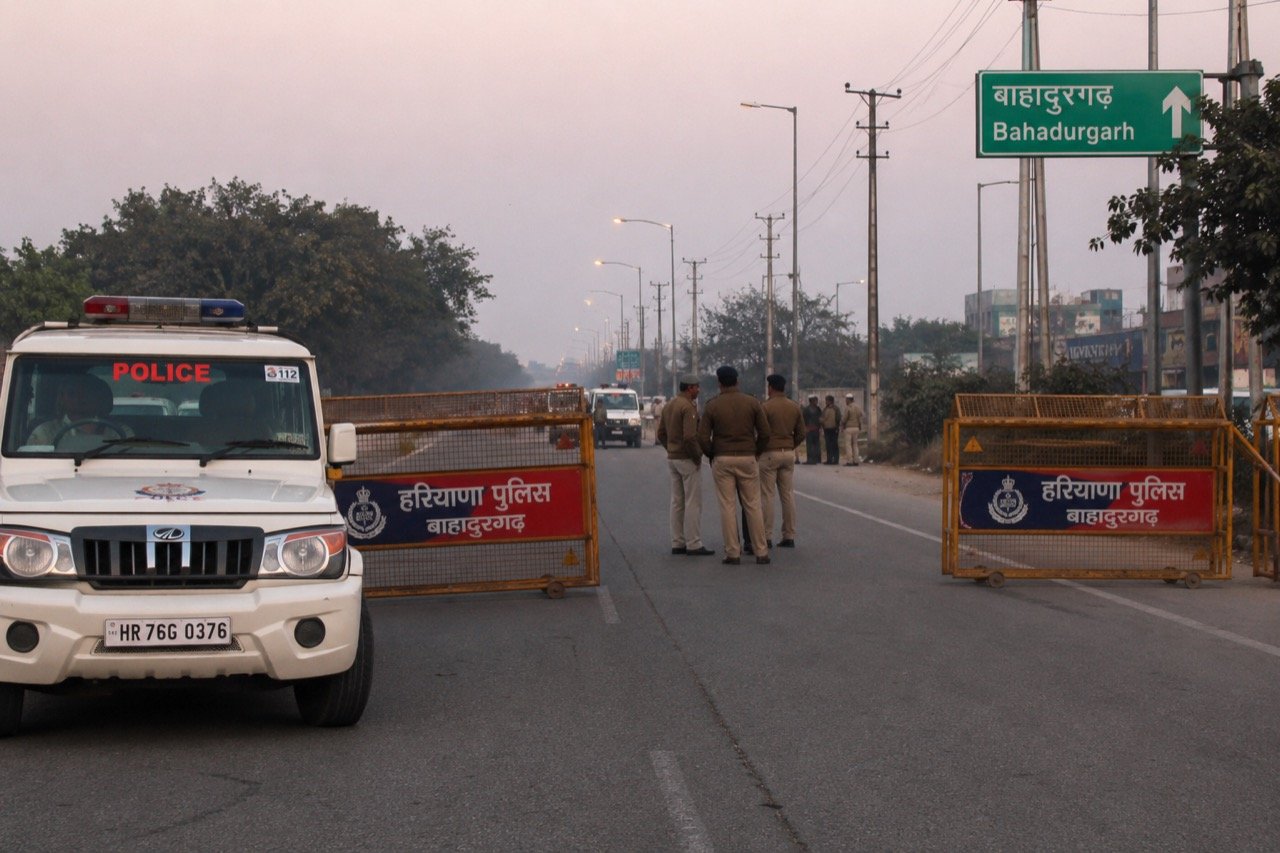
Bishnoi Gang Suspects Injured in Haryana Encounter as Police Tighten Net
A joint Haryana-Delhi Police operation in Bahadurgarh left two suspected Lawrence Bishnoi gang members injured, spotlighting the multi-state coordination now central to India's fight against organised crime networks.