US Clears Support Package for India's Apache Helicopters and M777 Howitzers
A proposed US package covering spares, training and maintenance for India's Apache attack helicopters and M777A2 howitzers signals a sharper focus on long-term defence readiness over headline arms buys.
Commentary & Analysis ·
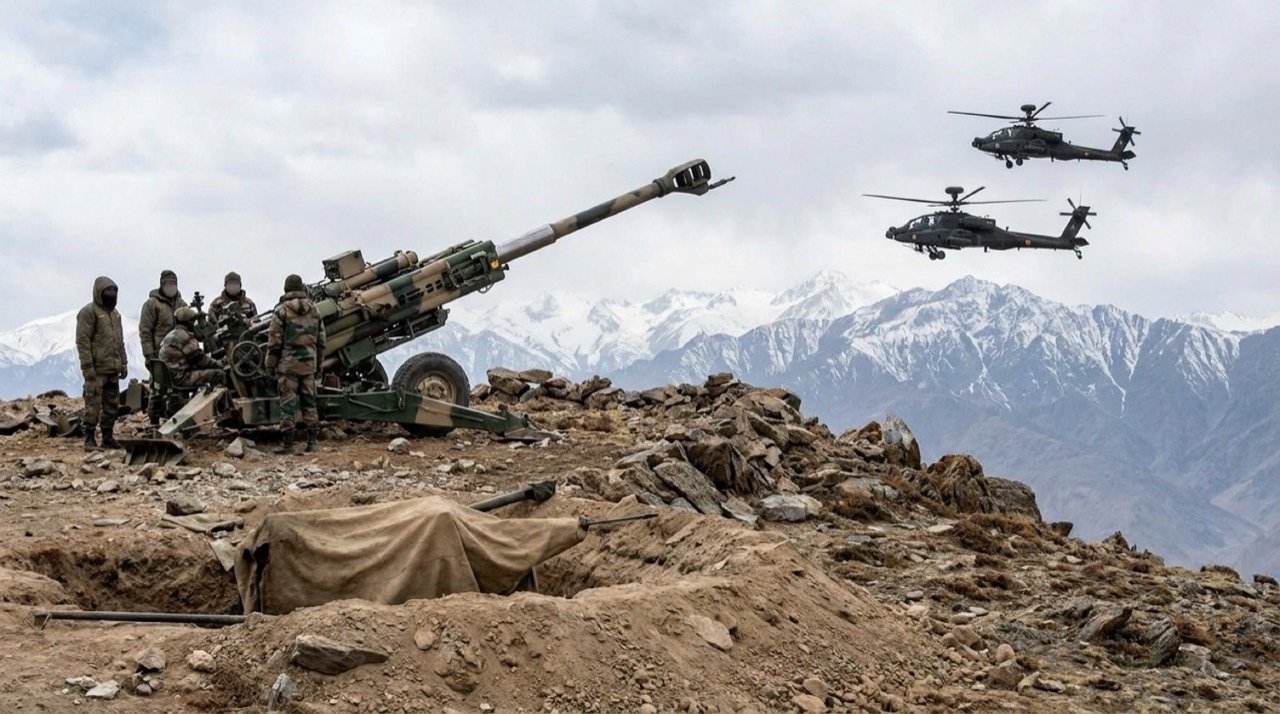
A proposed United States support package for India, covering its fleet of Apache attack helicopters and M777A2 ultra-light howitzers, has cleared a key procedural step, drawing attention less for any new weapon than for what it represents: a deliberate shift toward sustaining the high-end American-origin systems the Indian armed forces already operate. The package bundles maintenance, spares, training and technical assistance intended to keep these platforms combat-ready over the long term.
Why sustainment, not new platforms
Imported frontline equipment is only as useful as the supply chain that keeps it flying and firing. High-end systems such as the Apache and the M777 depend on a steady flow of spare parts, qualified technicians and periodic upgrades; without them, availability rates fall and expensive assets sit idle. By prioritising sustainment, the deal addresses a chronic vulnerability in defence imports rather than simply expanding the inventory.
The estimated value of the package, reported at roughly $93 million, is modest by the standards of major arms sales, but its strategic weight is disproportionate. Sustainment spending protects investments already made and ensures that capability gaps do not open up at moments of operational stress.
What the platforms do
The Apache, India's primary heavy attack helicopter, is built for armed reconnaissance, anti-armour strikes and close battlefield support. The M777A2, a towed 155mm ultra-light howitzer, can be airlifted by helicopter into high-altitude and rapid-deployment scenarios, making it central to artillery operations along India's northern mountain frontiers.
Both systems are workhorses in terrain where mobility and reliability matter most, and both are sensitive to maintenance lapses given their advanced electronics and precision components.
A widening defence partnership
The package also reflects the steady deepening of India-US defence cooperation, which has moved from one-off purchases toward longer-term support frameworks, co-production discussions and interoperability. For New Delhi, locking in dependable after-sales support reduces the risk that geopolitics or supplier bottlenecks could disrupt readiness.
- Maintenance and repair support to lift fleet availability
- Spare parts and components to reduce grounding times
- Training for crews and technical personnel
- Technical assistance to extend platform service life
- Continuity in India-US defence engagement
“Sustainment is the quiet half of defence readiness; a platform that cannot be kept serviceable is a capability only on paper.”
— Defence analyst
Looking ahead, the package is likely to be read as part of a broader pattern in which India seeks not just to buy advanced platforms but to guarantee their long-term operability. If sustainment becomes the norm in future deals, it could reshape how India measures the real value of its defence imports, shifting the conversation from acquisition headlines to enduring readiness.
The NE Times View
A sustainment package for kit India already owns is, quietly, more important than the next big arms announcement. Spares, training and maintenance determine whether platforms actually fly and fire when needed, the unglamorous arithmetic of readiness. It also deepens India's dependence on US logistics chains, a strategic trade-off worth watching. Buying weapons is easy; keeping them combat-ready is where defence policy is really tested.
This article is original commentary and analysis by The NE Times. Background facts were referenced from Business Standard and the Defense Security Cooperation Agency.
You may also like to read
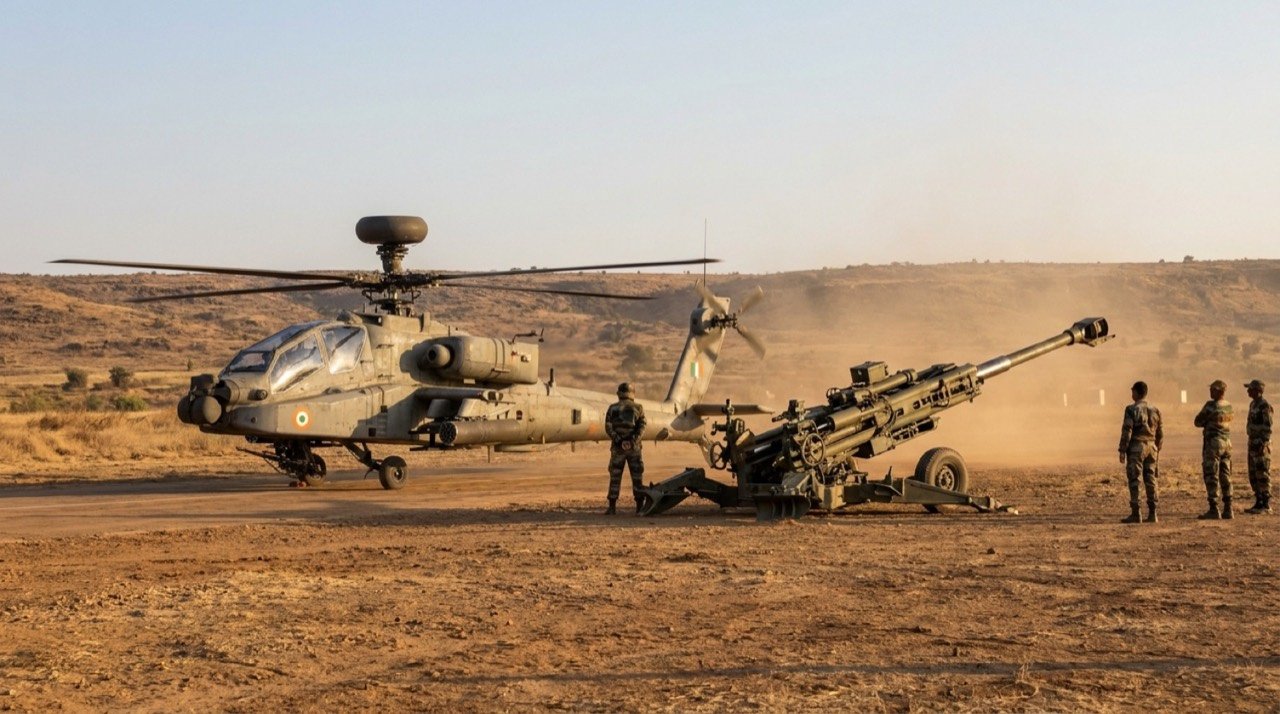
US Clears Sustainment Package for India's Apache Helicopters and M777 Guns
Washington has notified a Foreign Military Sales package worth up to $482 million covering logistics, spares, training and engineering for India's AH-64E Apaches and M777A2 howitzers.
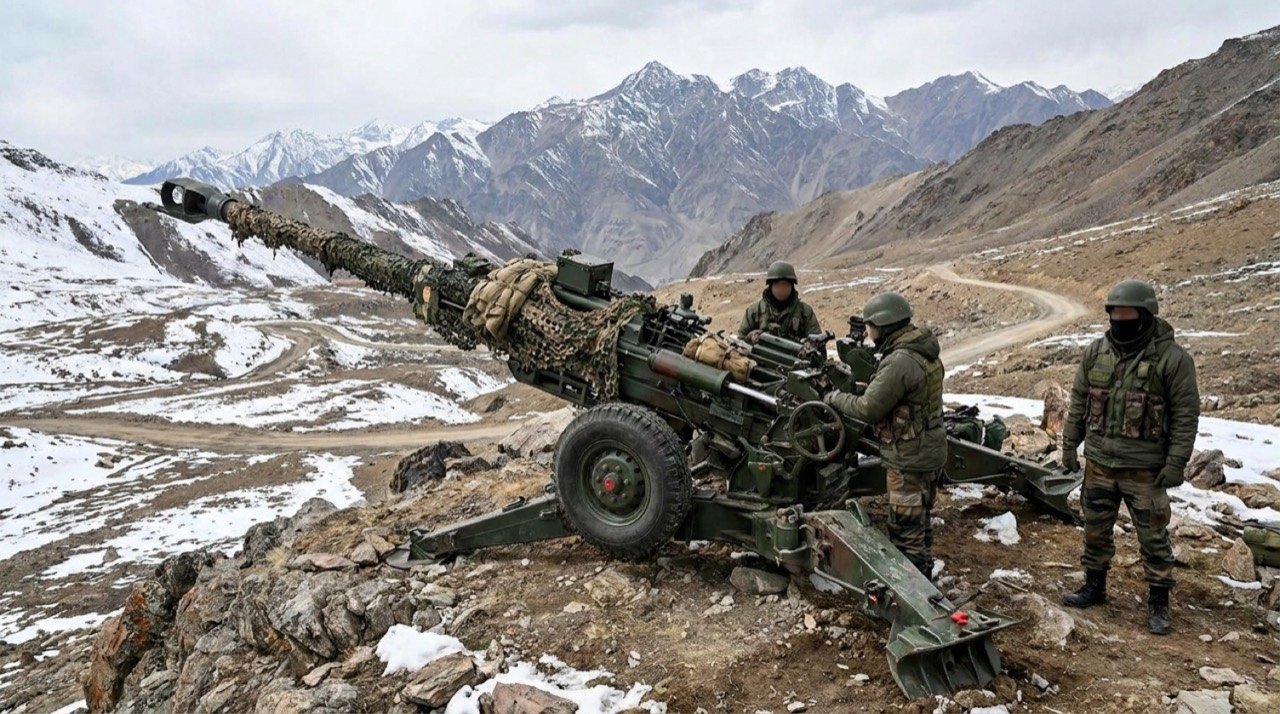
US Set to Conclude $230 Million M777 Howitzer Support Package for India
Washington is finalising a proposed $230 million sustainment package for India's M777A2 ultra-light howitzers, deepening defence ties through maintenance, spare parts and long-term operational readiness.
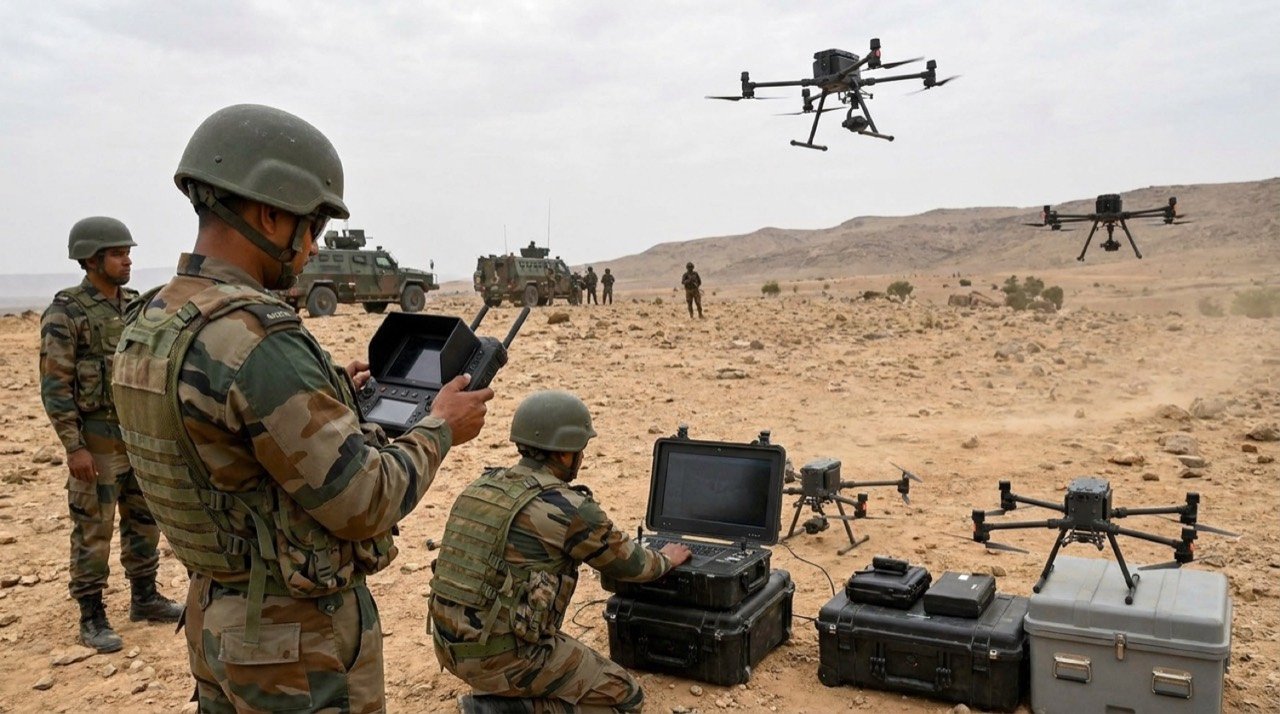
General Dwivedi's Tenure Puts Drones and New Battle Formations in Focus
As Army Chief General Upendra Dwivedi nears the end of his tenure on June 30, his legacy is being weighed through accelerated doctrine, drones and reorganised battle formations.
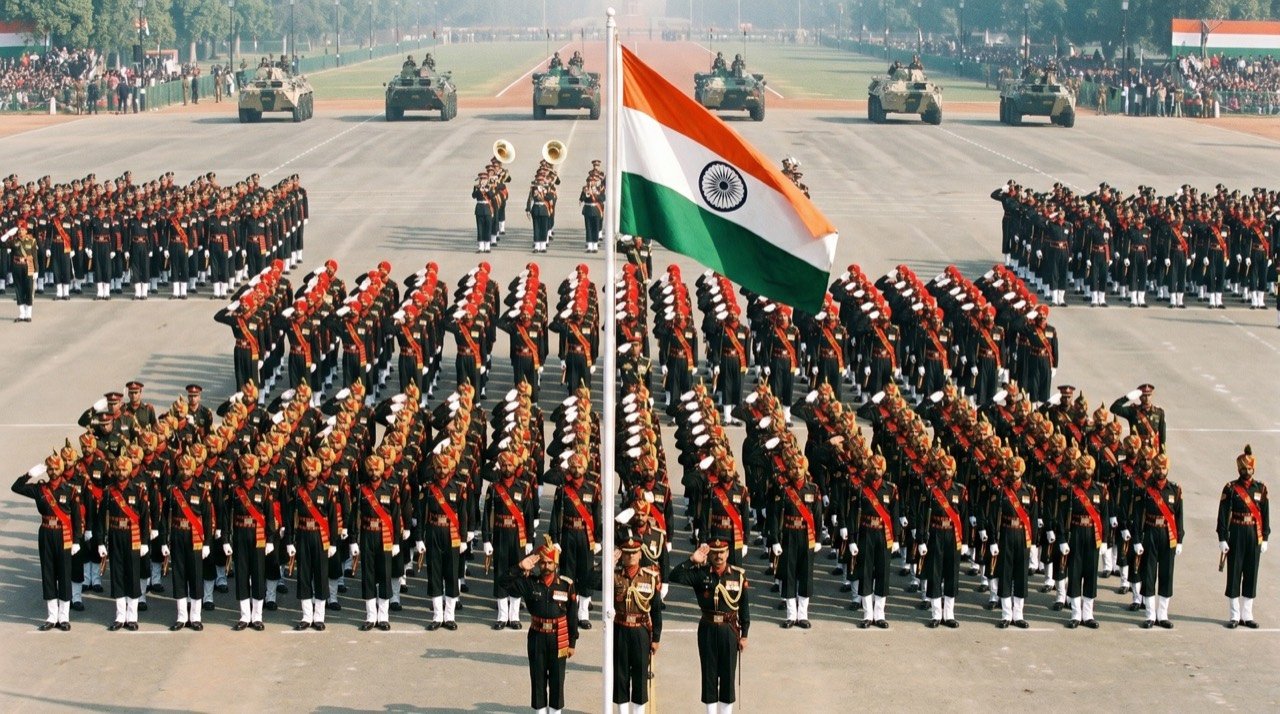
Lt Gen Dhiraj Seth Named Next Army Chief, To Take Charge June 30
The government has appointed Lieutenant General Dhiraj Seth, currently Vice Chief of the Army Staff, as the next Chief of the Army Staff. He will assume office on June 30.
More from this section
More
AICTE Industry Fellowship 2026: Rs 1.5 Lakh Scheme Closes July 5
The AICTE Industry Fellowship Programme 2026, which places technical-education faculty inside leading companies on a Rs 1.5 lakh monthly stipend, reached its application deadline on July 5.
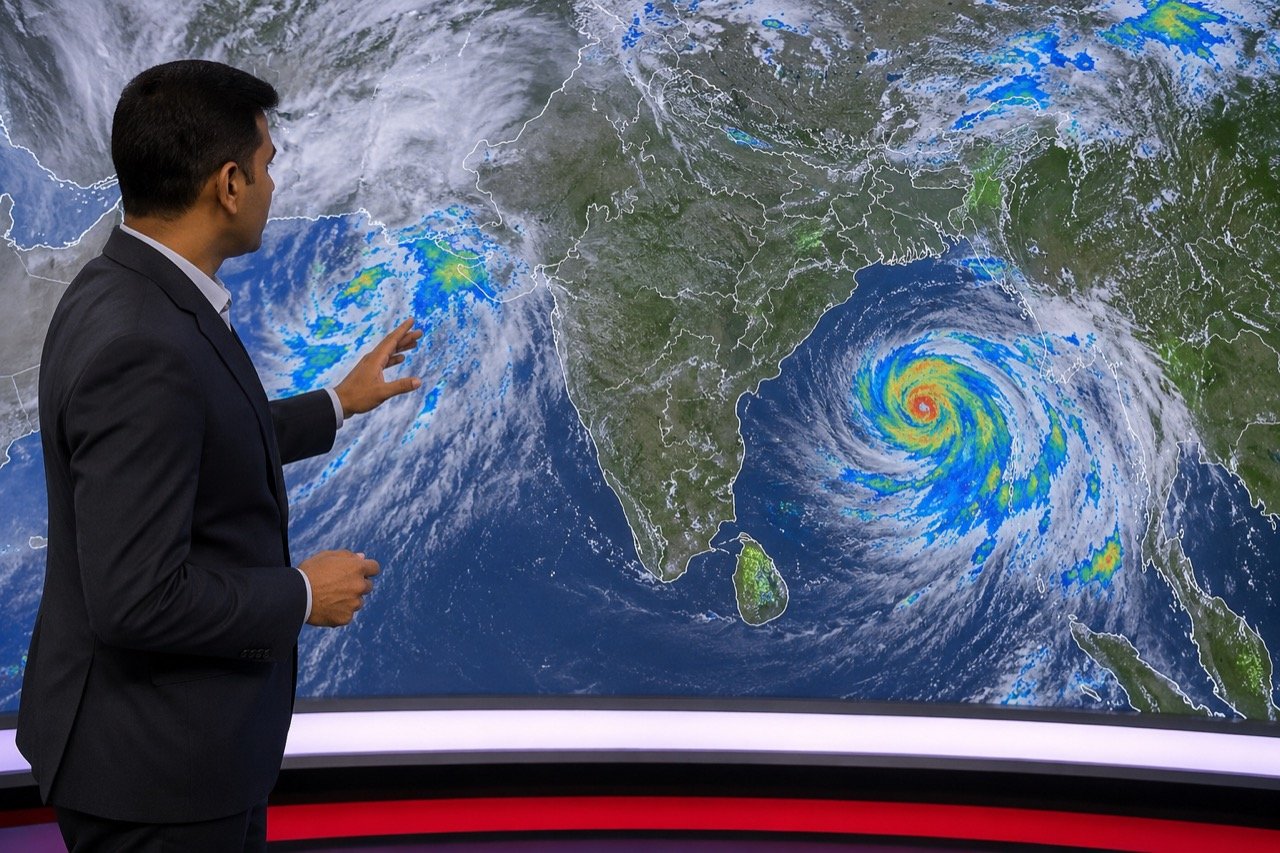
Bay of Bengal Low Pressure System Revives Monsoon Over Western India
A low-pressure system over the Bay of Bengal has pushed the monsoon back into an active phase, bringing steady heavy rain to Kerala, coastal Karnataka and Maharashtra, and putting Mumbai and Pune on preparedness watch.
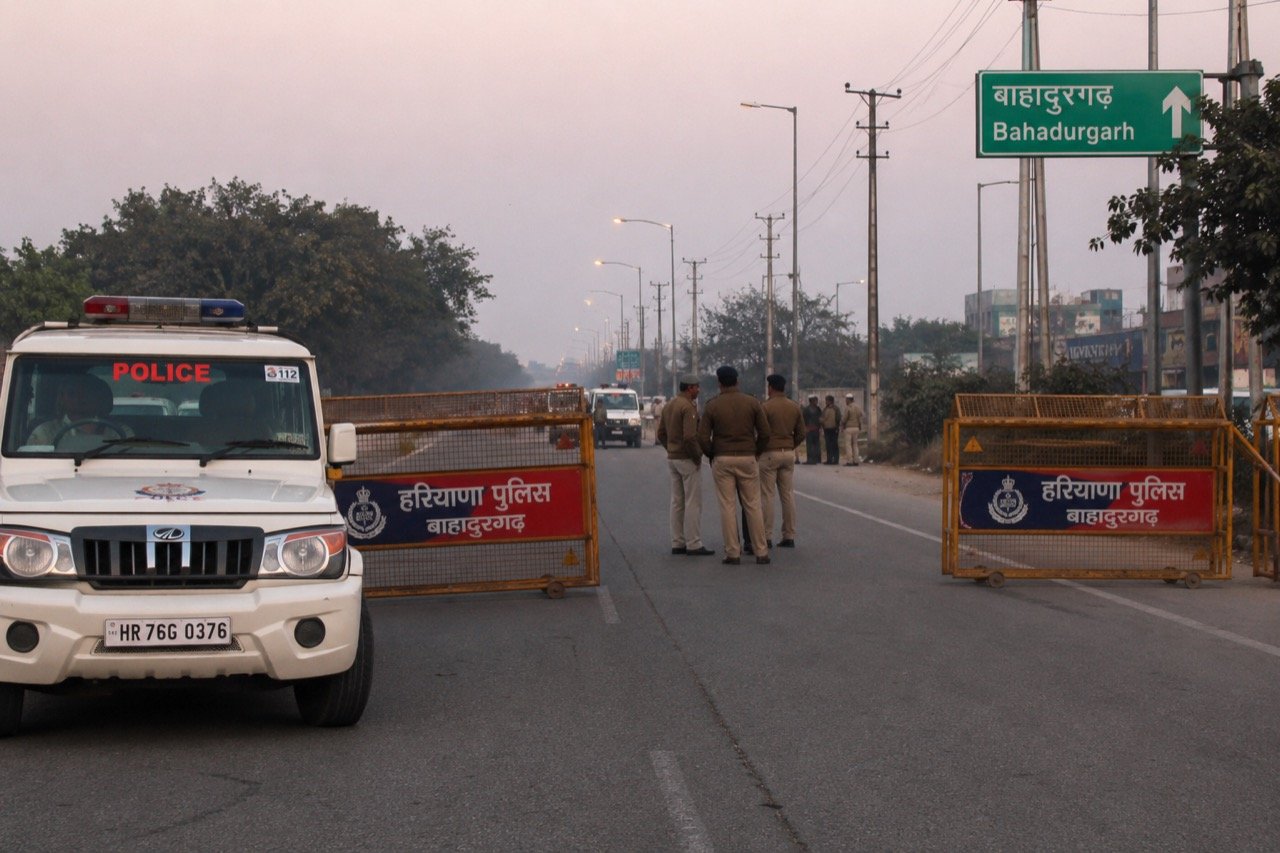
Bishnoi Gang Suspects Injured in Haryana Encounter as Police Tighten Net
A joint Haryana-Delhi Police operation in Bahadurgarh left two suspected Lawrence Bishnoi gang members injured, spotlighting the multi-state coordination now central to India's fight against organised crime networks.