WTO Sets Up Panel in China's Challenge to India's Solar and IT Goods Tariffs
A World Trade Organization dispute panel will now examine China's complaint against Indian duties on solar cells, modules and IT goods, testing New Delhi's tariff policy space.
Commentary & Analysis ·
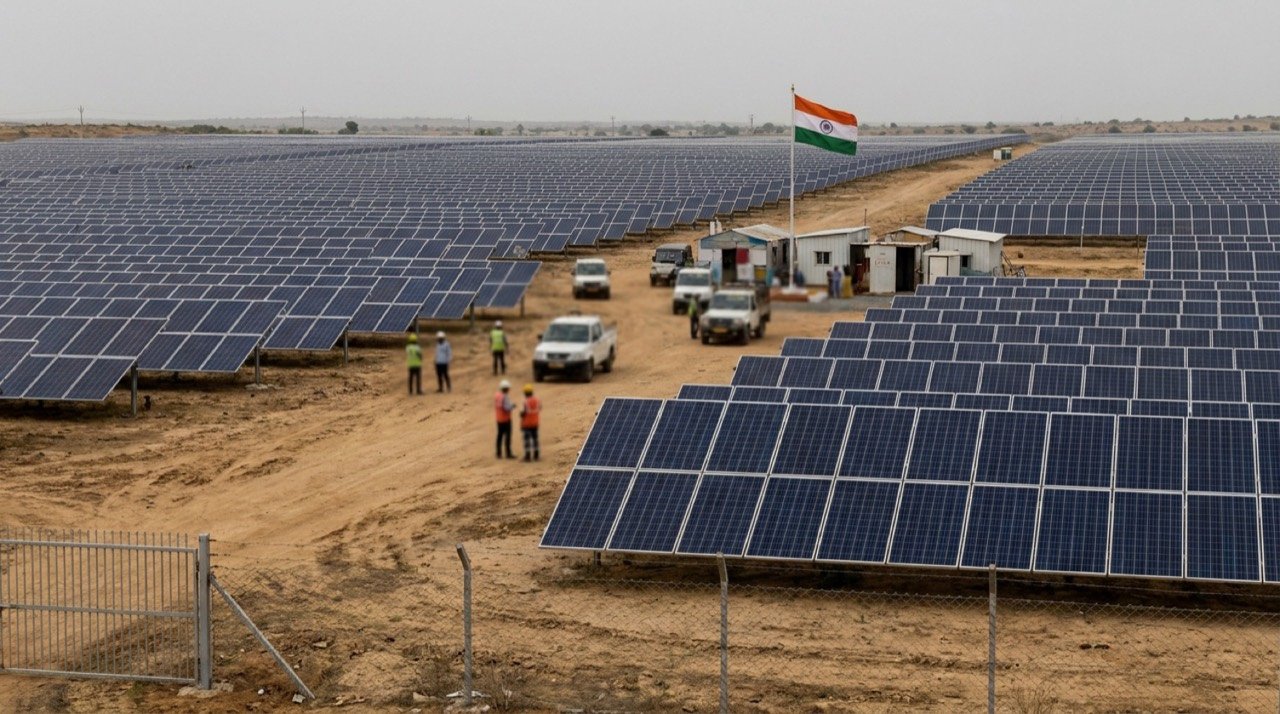
A World Trade Organization dispute settlement panel has been established to examine China's challenge to Indian import duties on solar cells, solar modules and a range of information technology goods. The move advances a long-running trade friction between Asia's two largest economies into a formal adjudication phase, where the legality of New Delhi's tariff choices under global trade rules will be scrutinised in detail.
The creation of a panel does not decide who is right. Rather, it marks the procedural point at which the dispute moves from consultations into structured legal examination, with submissions, hearings and eventually a published report. For India, the proceedings carry weight well beyond the specific duties in question, touching the country's clean-energy ambitions, its electronics manufacturing drive and the broader policy room it claims to design import tariffs.
What China Is Disputing
Beijing argues that the contested measures restrict market access for Chinese exporters and are inconsistent with India's commitments at the WTO. China is a dominant global supplier of solar cells and modules, and Indian buyers have historically sourced a large share of their photovoltaic components from Chinese manufacturers, making the duties commercially significant.
The IT goods element of the dispute is equally sensitive. India has applied customs duties on several categories of electronic and telecom products, and trading partners have repeatedly questioned whether such levies square with India's obligations on information technology products. China contends that the cumulative effect of these measures distorts trade in goods central to digital and energy infrastructure.
India's Defence and Policy Stakes
New Delhi is expected to defend the tariffs as legitimate instruments of industrial and revenue policy. Indian officials have consistently framed import duties on solar equipment as a means of nurturing domestic manufacturing capacity, reducing dependence on a single foreign supplier and protecting strategic supply chains. The duties also dovetail with production-linked incentive schemes designed to build local capability in cells, modules and electronics.
The case lands at a delicate moment for India's energy transition. The country has set ambitious renewable capacity targets, and the cost and availability of solar components directly shape how quickly developers can build new projects. A ruling that constrains India's freedom to levy such duties could complicate the balance between encouraging domestic production and keeping clean-energy equipment affordable.
Why the Outcome Matters
Beyond the immediate parties, the dispute could shape how India designs import-duty regimes in sectors tied to its economic priorities. A panel finding either way would offer guidance on the limits of tariff policy in industries where strategic, environmental and commercial considerations overlap, and could influence how other trading partners view India's protective measures.
- The duties cover solar cells, solar modules and several information technology goods.
- Panel establishment formalises legal examination but does not deliver an immediate verdict.
- China frames the measures as barriers to market access for its exporters.
- India is likely to defend them as industrial and revenue policy tools.
- The result could shape future import-duty design in energy and electronics.
“The panel stage formalises the legal path for assessing whether the duties fit India's WTO commitments, without deciding the result immediately.”
— Trade policy summary of the dispute
Dispute panels typically take many months to issue findings, and any report can be appealed, though the WTO's appellate function has faced its own constraints in recent years. For now, both sides will prepare detailed legal arguments, while Indian manufacturers, solar developers and electronics importers watch closely for signals on the durability of the duties that have reshaped their cost calculations.
The NE Times View
This panel matters beyond solar and chips: it probes how much room India has to protect strategic manufacturing under WTO rules. The NE Times View: New Delhi should defend its tariff space vigorously, but the smarter long game is building cost-competitive domestic capacity so that disputes over duties become less central to whether Indian solar and electronics can actually compete.
This article is original commentary and analysis by The NE Times. Background facts were referenced from Reuters and the World Trade Organization.
You may also like to read

India Targets $1 Trillion in FY26 Exports as Trade Push Widens
The commerce ministry has reaffirmed a $1 trillion export goal for FY26 at a Board of Trade meeting led by Piyush Goyal, leaning on a seven-point action plan spanning merchandise, services and defence exports.

Chhattisgarh Biogas Policy 2026: Farm Waste to Clean Fuel and Jobs
Chhattisgarh has approved a compressed biogas policy for 2026 that aims to convert agricultural residue, cattle dung and organic waste into clean fuel while opening up new employment opportunities across rural districts.
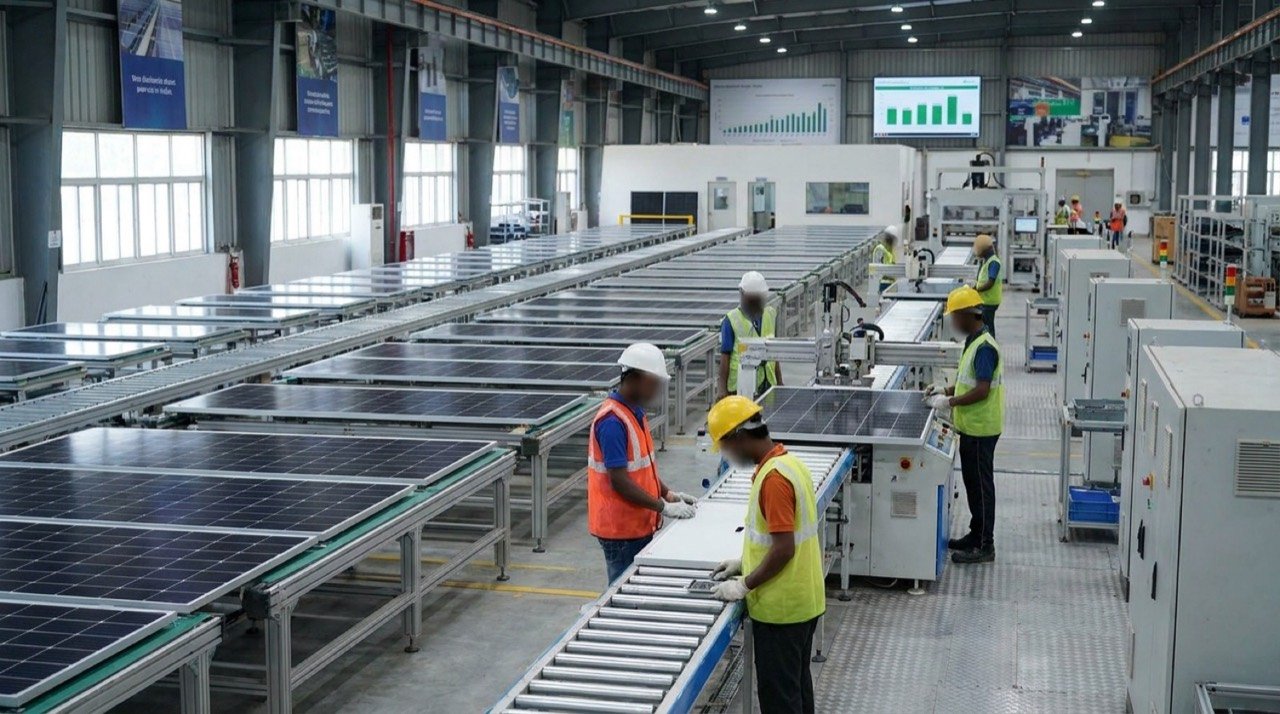
India Extends ALMM Solar Manufacturing Rules to Wafers and Ingots From 2028
New Delhi will widen its Approved List of Models and Manufacturers framework to cover solar wafers and ingots from June 2028, pushing deeper into the supply chain to cut reliance on China.
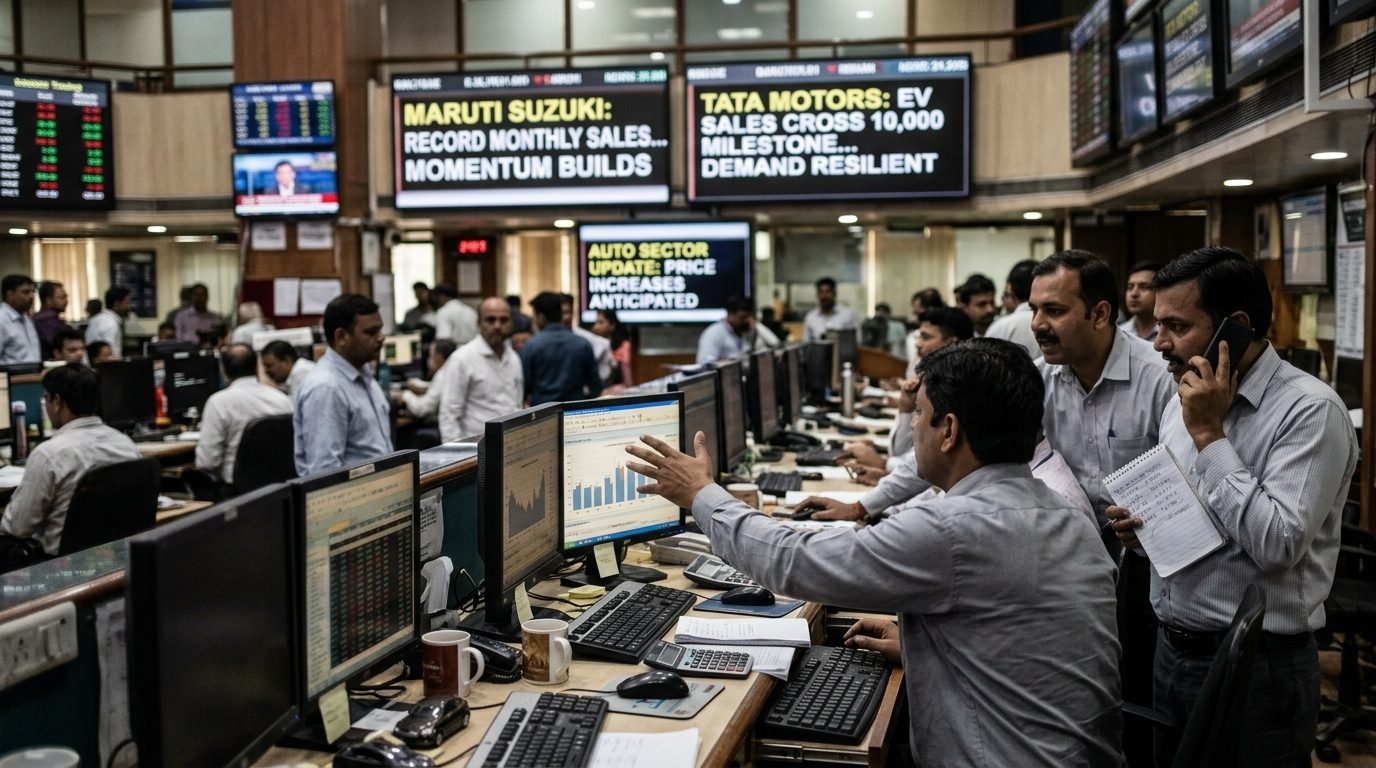
Maruti sets a record and Tata's EVs cross 10,000 as India's car market holds momentum
May's sales numbers showed resilient demand and an electric milestone for Tata, even as carmakers prepare buyers for fresh price increases.
More from this section
More
Adani Case: US DOJ Pushes for Permanent Dismissal of Charges
The US Department of Justice has urged a judge to permanently dismiss charges against Gautam Adani, calling the case legally flawed — a reversal with consequences for markets, diplomacy and cross-border enforcement.

Akasa Air Inducts 40th Aircraft in Indian Aviation Scale-Up
Akasa Air's 40th aircraft, ferried to Bengaluru via Seattle, Reykjavik and Cairo, marks a fleet milestone for the young carrier and a fresh signal that India's aviation market remains firmly in expansion mode.
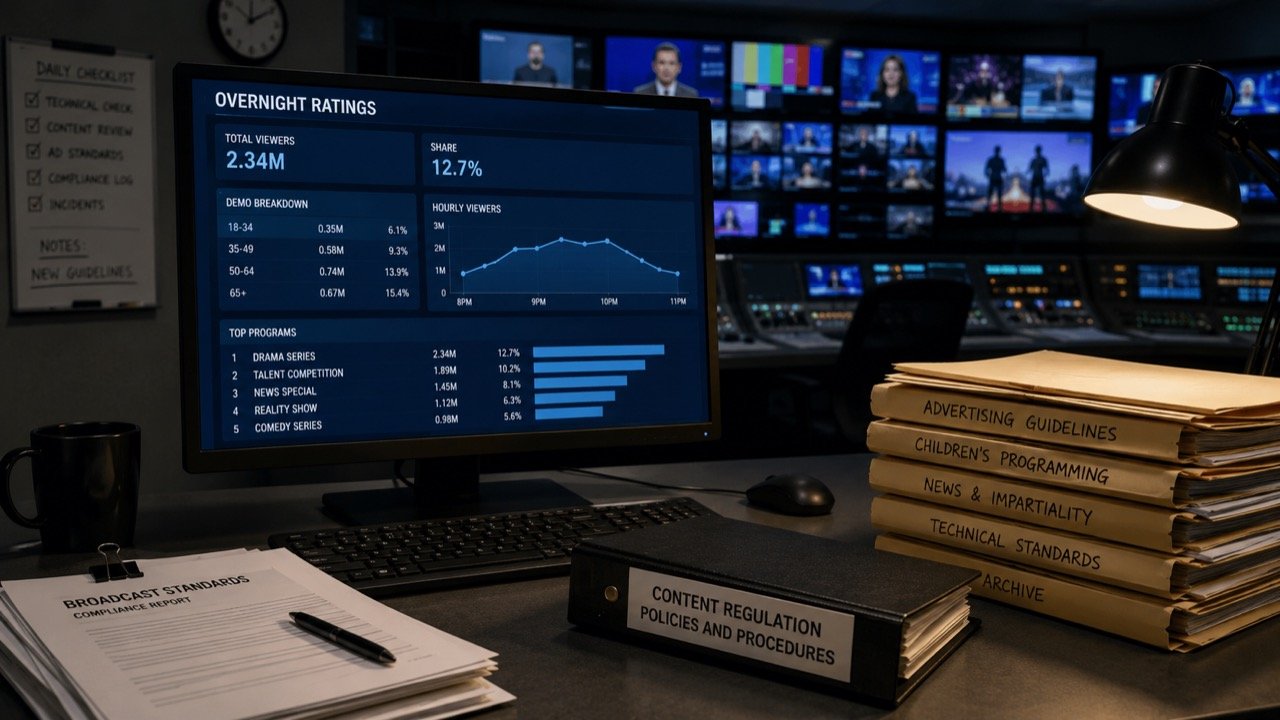
BARC Ratings Suspension Leaves Indian TV Industry Flying Blind
BARC's pause on television ratings has put India's broadcast measurement system under fresh scrutiny, leaving broadcasters, advertisers and media planners without the weekly audience data that anchors the TV economy.