India-US Interim Trade Deal Enters Final Stretch Ahead of July Tariff Deadline
With a July tariff deadline looming, New Delhi and Washington are racing to seal an interim trade pact that shields sensitive sectors while securing predictable access to India's largest export market.
Commentary & Analysis ·
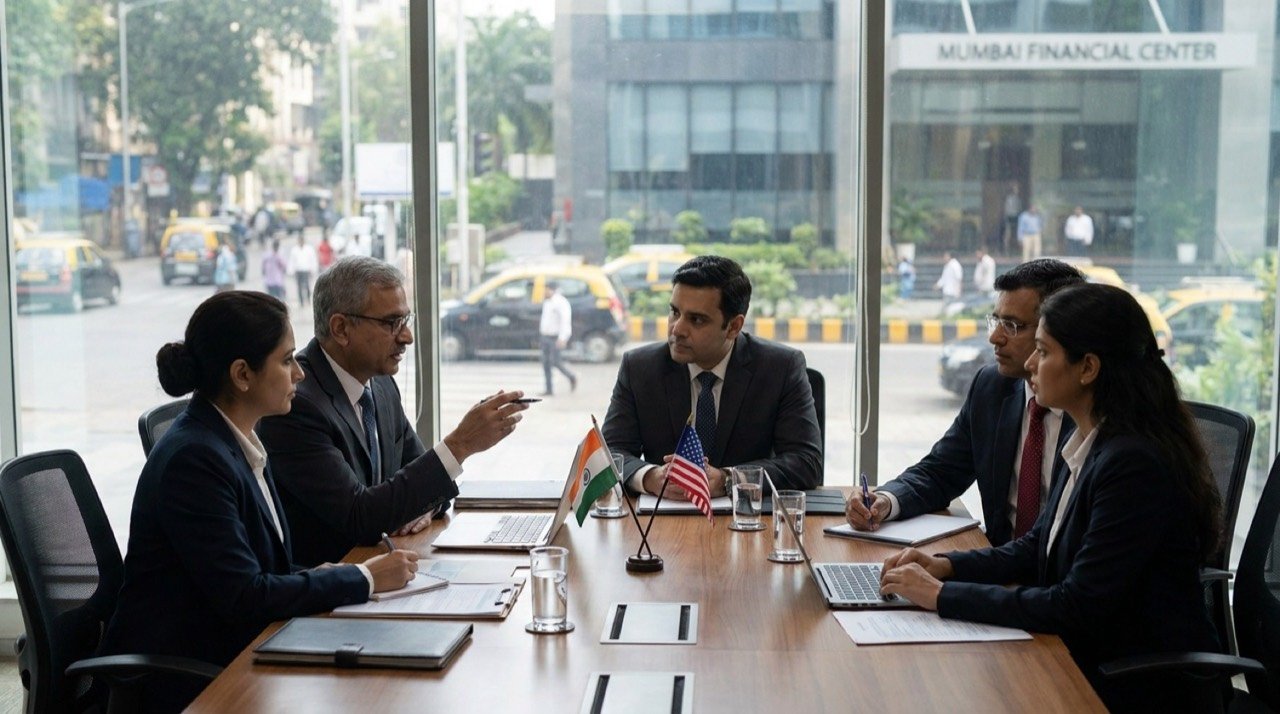
India and the United States have entered the final, most delicate phase of negotiations on an interim trade arrangement, with officials on both sides working against a July deadline tied to the threat of fresh tariffs. The talks, watched closely by exporters and policymakers in New Delhi, are testing how far the two democracies can reconcile competing domestic pressures while preserving a partnership both governments describe as strategic.
Why the deadline matters
The clock is the central feature of the current round. A limited agreement reached before the cut-off could spare a swathe of Indian goods from punitive duties and remove a cloud of uncertainty that has hung over shipments to the country's biggest single export destination. Miss the window, and exporters from textiles to engineering goods could face sudden cost shocks that ripple back to factories and farms.
Reports indicate that US Trade Representative Jamieson Greer and Commerce and Industry Minister Piyush Goyal are expected to meet as negotiators try to close gaps on the toughest files. For New Delhi, the calculation is to lock in stability without conceding ground that domestic constituencies would find unacceptable.
The hardest files on the table
Agriculture remains the most politically charged issue. Indian negotiators have long resisted broad concessions on farm and dairy access, mindful of the millions of smallholders whose livelihoods the sector supports. Autos, industrial goods, digital trade rules and the scope of tariff concessions round out a complex agenda where each chapter carries its own coalition of winners and losers.
For Washington, the priority is market opening and a narrowing of the trade imbalance. For India, the goal is a calibrated deal that protects sensitive sectors while delivering predictable, rules-based access for its exporters.
What is at stake for India
A clean interim arrangement would offer breathing room for exporters and signal that the broader relationship can absorb commercial friction. But a deal seen as rushed risks a domestic backlash from farmers, manufacturers and political stakeholders who will scrutinise every line.
- Exporters in textiles, engineering and pharmaceuticals gain tariff predictability in their largest market.
- Farm and dairy groups remain wary of any opening on agriculture access.
- The auto sector watches duty changes that could reshape component trade flows.
- Digital trade provisions could affect how Indian technology firms operate cross-border.
- A credible pact strengthens the wider India-US strategic and investment partnership.
“Trade policy now sits at the intersection of economics, strategic partnership and domestic politics, and any interim deal will be judged on how well it balances all three.”
— Trade analysts tracking the negotiations
The coming weeks will reveal whether negotiators can convert momentum into a durable interim framework, or whether unresolved sensitivities push the hardest questions into a later, fuller agreement. Either way, the outcome will set the tone for India's trade strategy with its most important Western partner.
The NE Times View
Deadline diplomacy favours the impatient, and a rushed interim pact risks locking India into terms it would refuse with more time. Predictable access to the US market matters enormously, but not at the cost of conceding ground on agriculture or data. The NE Times' view: New Delhi should sign what protects its sensitive sectors and walk from anything that trades long-term leverage for a July headline.
This article is original commentary and analysis by The NE Times. Background facts were referenced from The Indian Express and Reuters.
You may also like to read
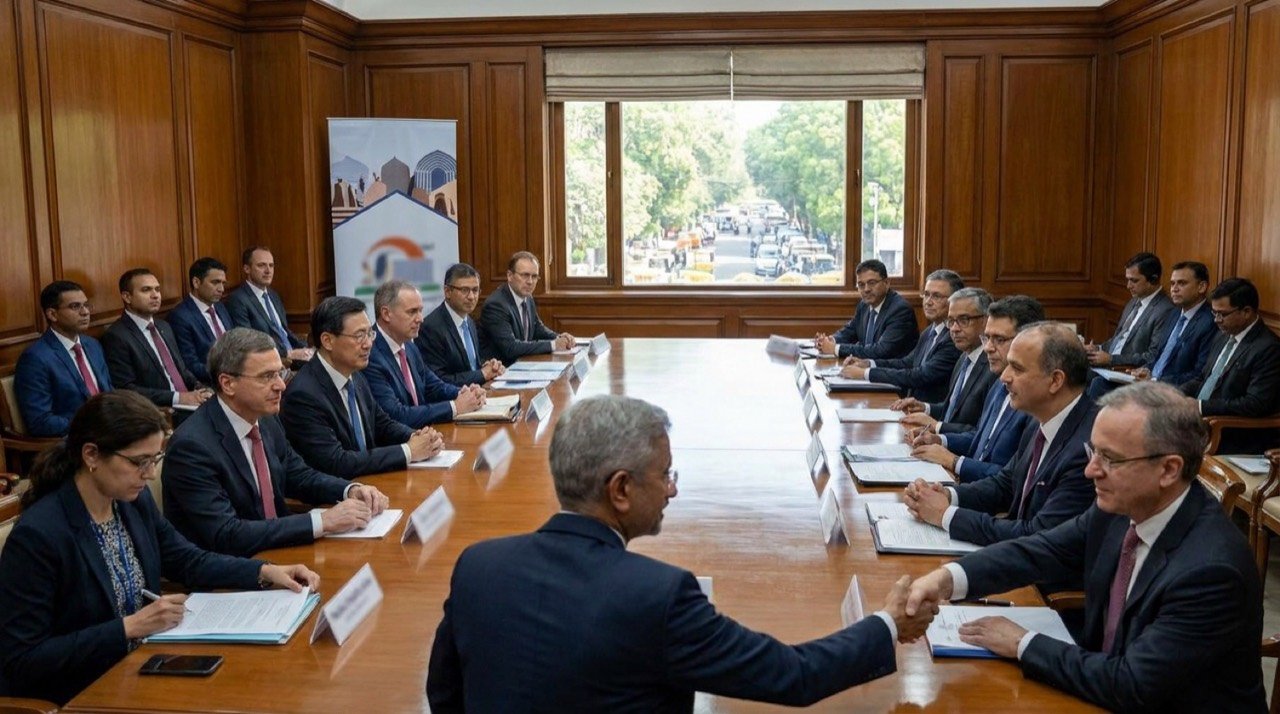
India-US Ministerial Trade Talks Open in New Delhi as Both Sides Chase a Tariff Deal
Commerce Minister Piyush Goyal and US Trade Representative Jamieson Greer have begun ministerial-level talks in New Delhi, aiming to narrow gaps on tariffs, agriculture and digital trade before a possible bilateral package.
India-US Trade Talks Enter Final Lap as Limited Deal Takes Shape
Negotiators in New Delhi and Washington push toward a limited trade pact that could ease tariffs and widen market access for India's textiles, gems, engineering goods and farm exports.
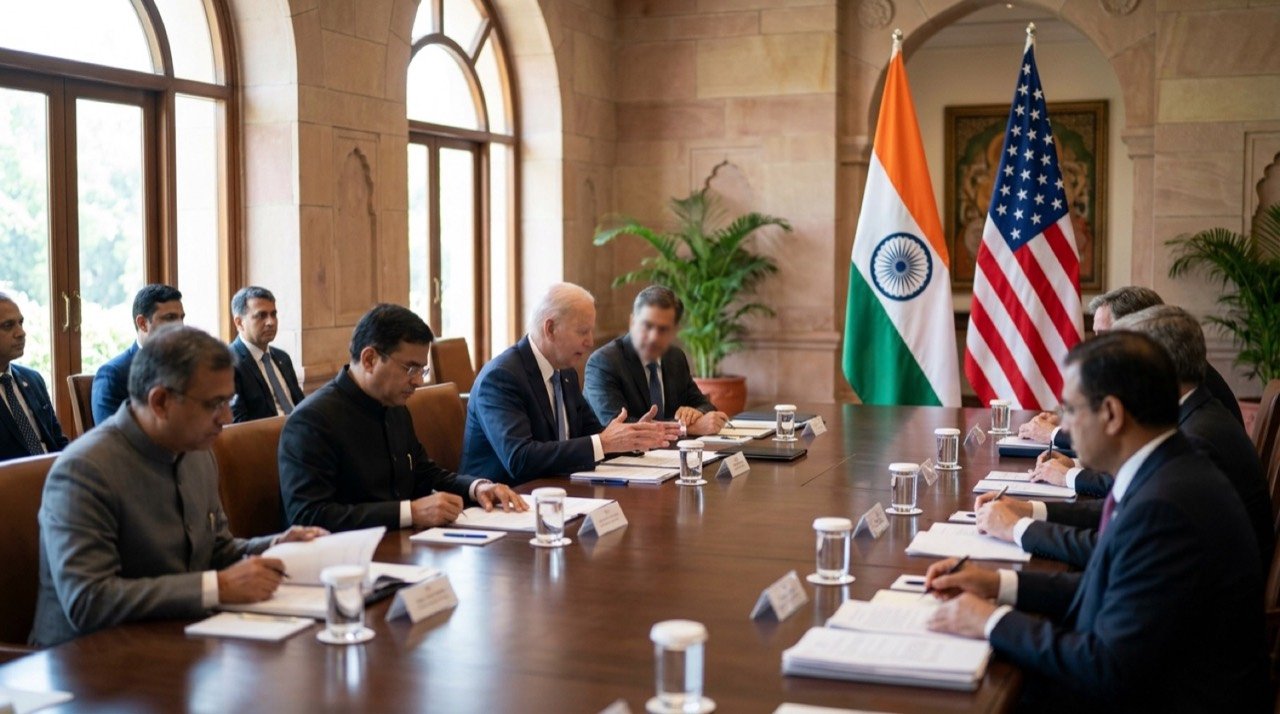
India-US Trade Talks Resume in Delhi as Exporters Seek a Competitive Edge
Piyush Goyal and US Trade Representative Jamieson Greer have begun a fresh round of negotiations on an interim deal, with India pressing for terms that hand its exporters a clear advantage over rivals.
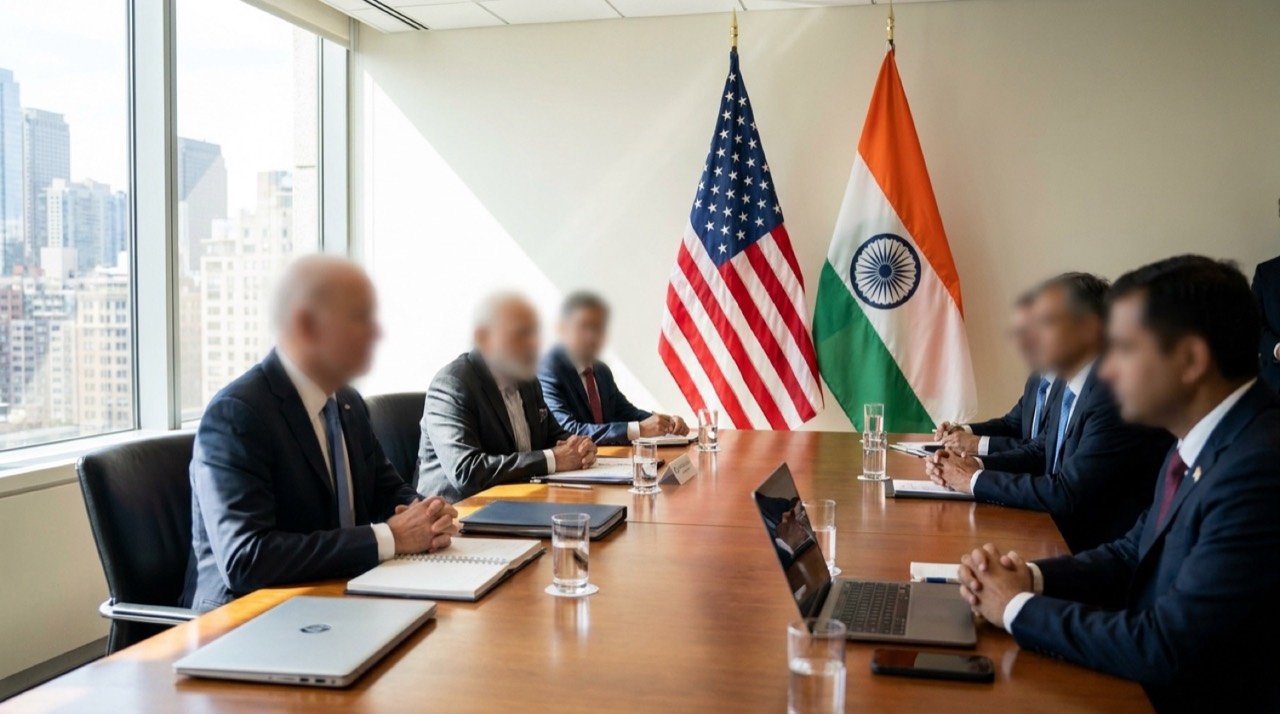
US Trade Chief Greer's India Visit Puts First Tranche of Trade Deal in Focus
USTR Jamieson Greer's New Delhi talks with Piyush Goyal have pushed the long-stalled India-US trade agreement into a decisive phase, with tariffs, market access and an early package on the table.
More from this section
More
Adani Case: US DOJ Pushes for Permanent Dismissal of Charges
The US Department of Justice has urged a judge to permanently dismiss charges against Gautam Adani, calling the case legally flawed — a reversal with consequences for markets, diplomacy and cross-border enforcement.

Akasa Air Inducts 40th Aircraft in Indian Aviation Scale-Up
Akasa Air's 40th aircraft, ferried to Bengaluru via Seattle, Reykjavik and Cairo, marks a fleet milestone for the young carrier and a fresh signal that India's aviation market remains firmly in expansion mode.
BARC Ratings Suspension Leaves Indian TV Industry Flying Blind
BARC's pause on television ratings has put India's broadcast measurement system under fresh scrutiny, leaving broadcasters, advertisers and media planners without the weekly audience data that anchors the TV economy.