India-US Ministerial Trade Talks Open in New Delhi as Both Sides Chase a Tariff Deal
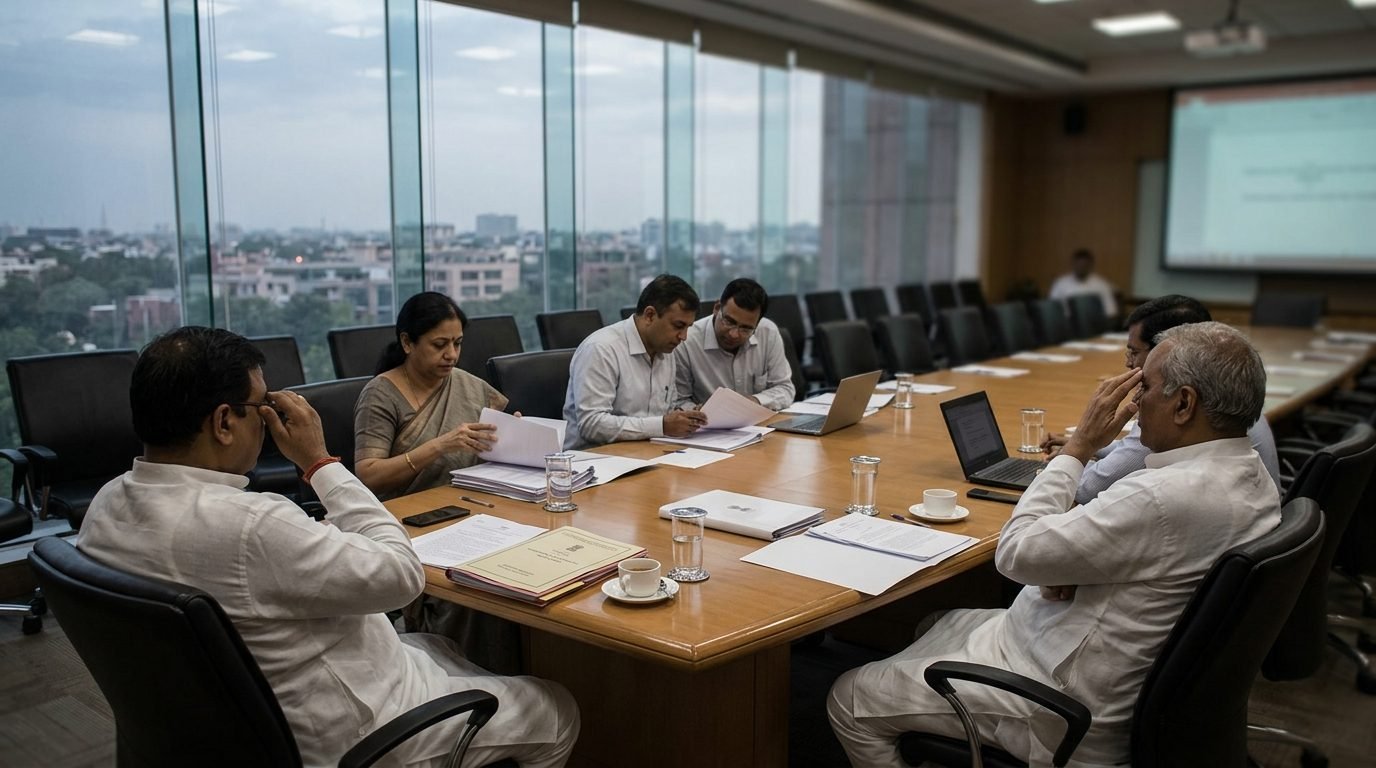
Commerce Minister Piyush Goyal and US Trade Representative Jamieson Greer have begun ministerial-level talks in New Delhi, aiming to narrow gaps on tariffs, agriculture and digital trade before a possible bilateral package.
Commentary & Analysis ·
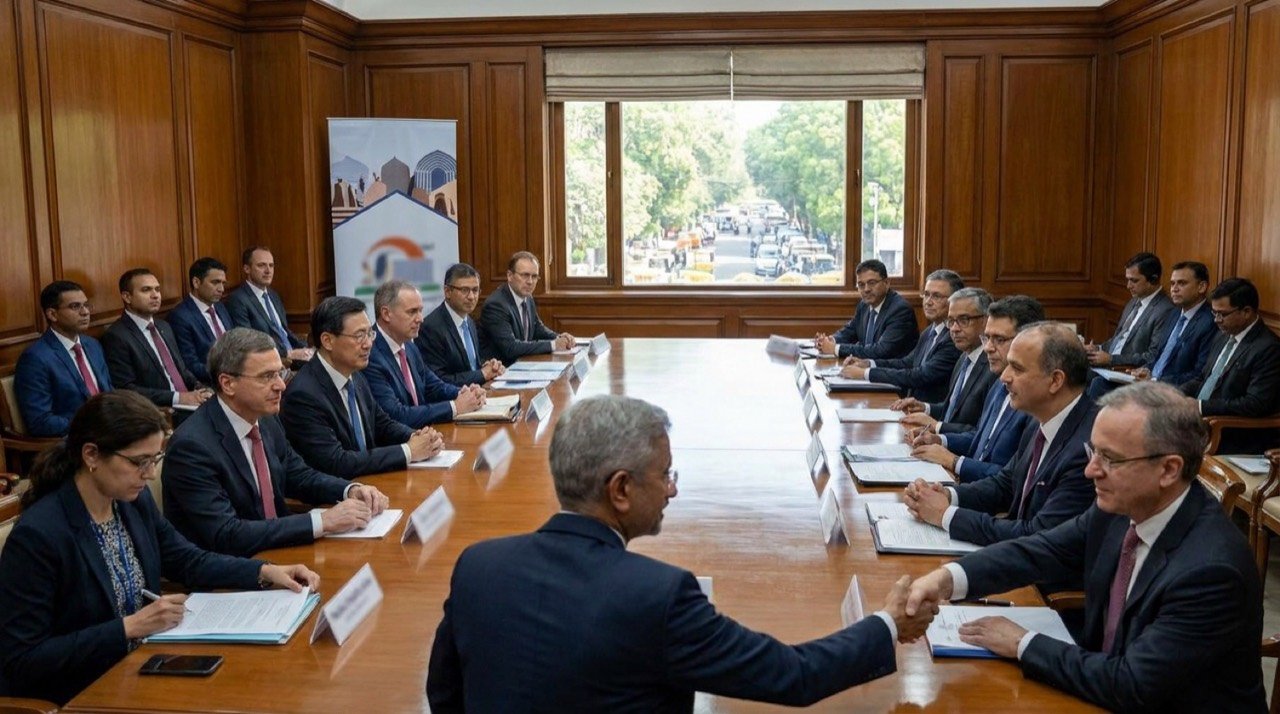
India and the United States have opened a fresh round of ministerial-level trade talks in New Delhi, a meeting that both governments hope can narrow long-standing differences and clear the path toward a bilateral trade package. With Commerce and Industry Minister Piyush Goyal sitting across from US Trade Representative Jamieson Greer, the discussions carry weight far beyond the negotiating room, touching exporters, factory owners and ordinary consumers alike.
What is on the table
According to reports on the talks, the agenda spans the most contentious pillars of the relationship: tariffs on industrial and farm goods, market access for each side's companies, agriculture, digital trade rules, technical standards and supply-chain resilience. These are precisely the areas where past rounds have stalled, and where even modest movement could reset duties on a wide range of products.
For India, the priority is securing predictable access for labour-intensive exports such as textiles, gems, jewellery and engineering goods, while protecting sensitive farm and dairy sectors that employ tens of millions. Washington, in turn, has pressed for lower Indian tariffs and easier entry for its agricultural produce and technology services.
Why the timing matters
The ministerial format signals that both sides want to move beyond technical-level exchanges and take politically difficult decisions. A negotiated outcome, even a limited one, could influence the investment climate at a moment when global firms are rethinking supply chains and weighing India as a manufacturing alternative.
Officials on both sides have framed the talks as an attempt to build durable rules rather than a one-off bargain, with supply-chain resilience emerging as a shared interest amid global uncertainty.
What is at stake for India
The stakes are concrete. Tariff lines decide whether Indian goods stay competitive abroad and whether imported inputs cost more at home. A favourable package could lift exporters; an unbalanced one could squeeze domestic producers.
- Exporters in textiles, gems, jewellery and engineering watch closely for duty relief in the US market.
- Indian farmers and dairy producers seek protection from a sudden surge in subsidised imports.
- Manufacturers want cheaper, predictable access to components and raw materials.
- Technology and services firms track digital-trade and data rules that shape cross-border business.
- Investors read the talks as a signal on policy stability and India's manufacturing pitch.
“Even limited progress on tariffs and market access can move the needle for exporters and shape how global investors view India.”
— Trade analyst
Negotiators have cautioned that complex trade deals rarely conclude in a single sitting, and several sensitive chapters may need further rounds. Still, the decision to elevate the talks to ministerial level suggests both capitals see room to convert months of groundwork into tangible commitments. The coming weeks will reveal whether New Delhi and Washington can translate intent into a workable agreement.
The NE Times View
That talks have reached ministerial level signals both sides want a deal, but the sticking points, agriculture and digital trade, are exactly where domestic politics bites hardest. The NE Times View: India should not trade away protections for its farmers or its data-localisation leverage for a quick tariff win. A durable package balances market access with safeguards; a rushed one will unravel the moment either capital's politics shift.
This article is original commentary and analysis by The NE Times. Background facts were referenced from NDTV Profit and Business Standard.
You may also like to read
India-US Trade Talks Enter Final Lap as Limited Deal Takes Shape
Negotiators in New Delhi and Washington push toward a limited trade pact that could ease tariffs and widen market access for India's textiles, gems, engineering goods and farm exports.
India-US Interim Trade Deal Enters Final Stretch Ahead of July Tariff Deadline
With a July tariff deadline looming, New Delhi and Washington are racing to seal an interim trade pact that shields sensitive sectors while securing predictable access to India's largest export market.
India-US Trade Talks Resume in Delhi as Exporters Seek a Competitive Edge
Piyush Goyal and US Trade Representative Jamieson Greer have begun a fresh round of negotiations on an interim deal, with India pressing for terms that hand its exporters a clear advantage over rivals.
India-US Trade Deal '99% Done' as Modi-Trump G7 Meeting Looms
Negotiators wrapped a four-day round in New Delhi with most of a bilateral pact settled, but agriculture and dairy access remain the stubborn final hurdle.
More from this section
More
Adani Case: US DOJ Pushes for Permanent Dismissal of Charges
The US Department of Justice has urged a judge to permanently dismiss charges against Gautam Adani, calling the case legally flawed — a reversal with consequences for markets, diplomacy and cross-border enforcement.

Akasa Air Inducts 40th Aircraft in Indian Aviation Scale-Up
Akasa Air's 40th aircraft, ferried to Bengaluru via Seattle, Reykjavik and Cairo, marks a fleet milestone for the young carrier and a fresh signal that India's aviation market remains firmly in expansion mode.
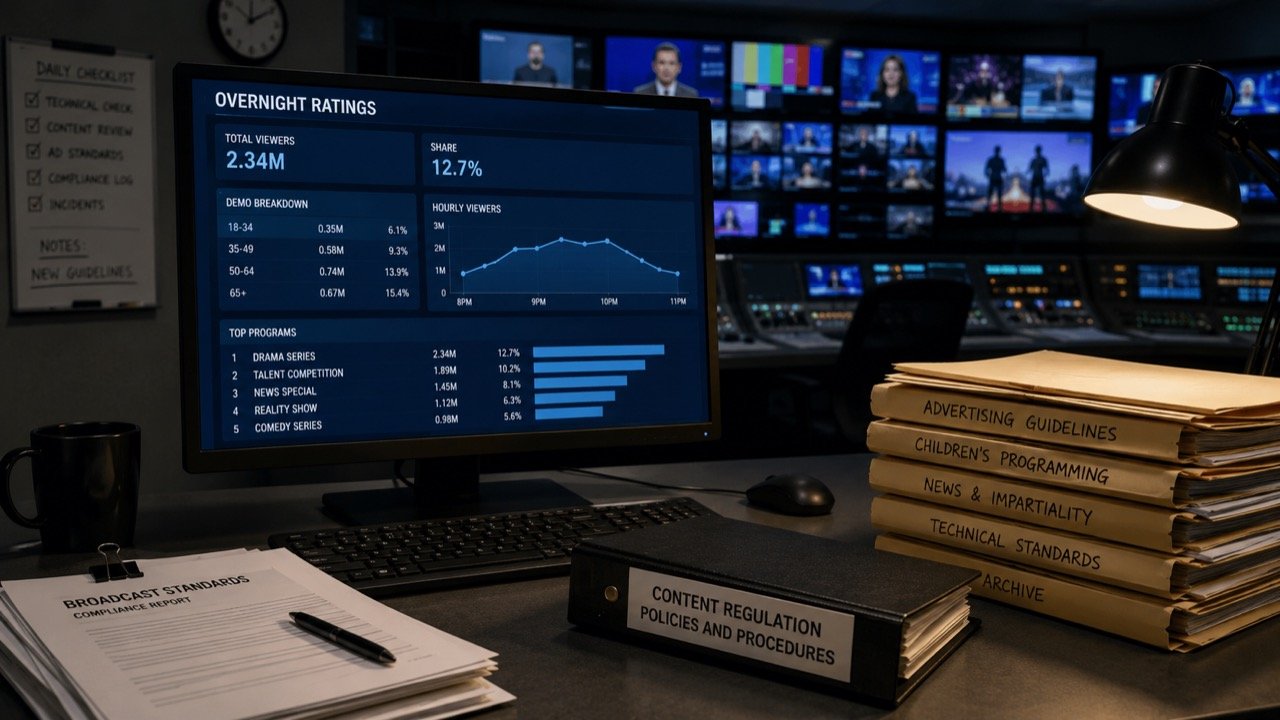
BARC Ratings Suspension Leaves Indian TV Industry Flying Blind
BARC's pause on television ratings has put India's broadcast measurement system under fresh scrutiny, leaving broadcasters, advertisers and media planners without the weekly audience data that anchors the TV economy.