India-US Trade Talks Resume in Delhi as Exporters Seek a Competitive Edge
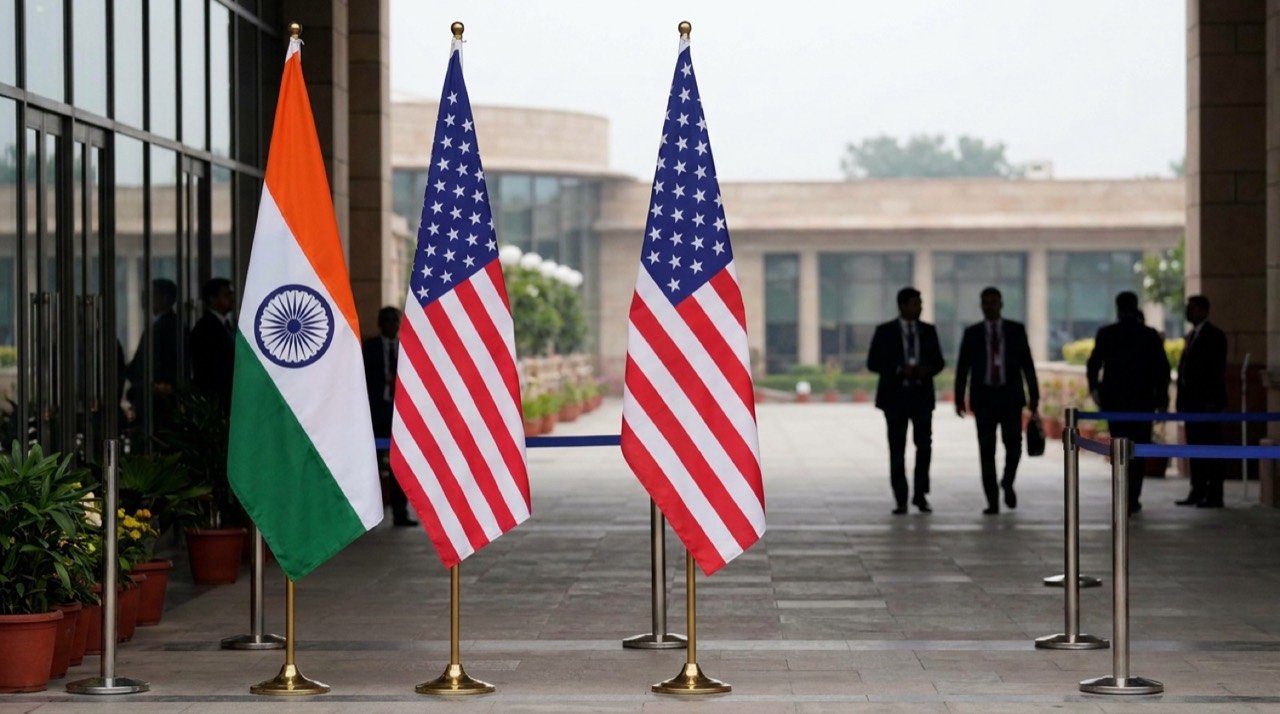
Piyush Goyal and US Trade Representative Jamieson Greer have begun a fresh round of negotiations on an interim deal, with India pressing for terms that hand its exporters a clear advantage over rivals.
Commentary & Analysis ·
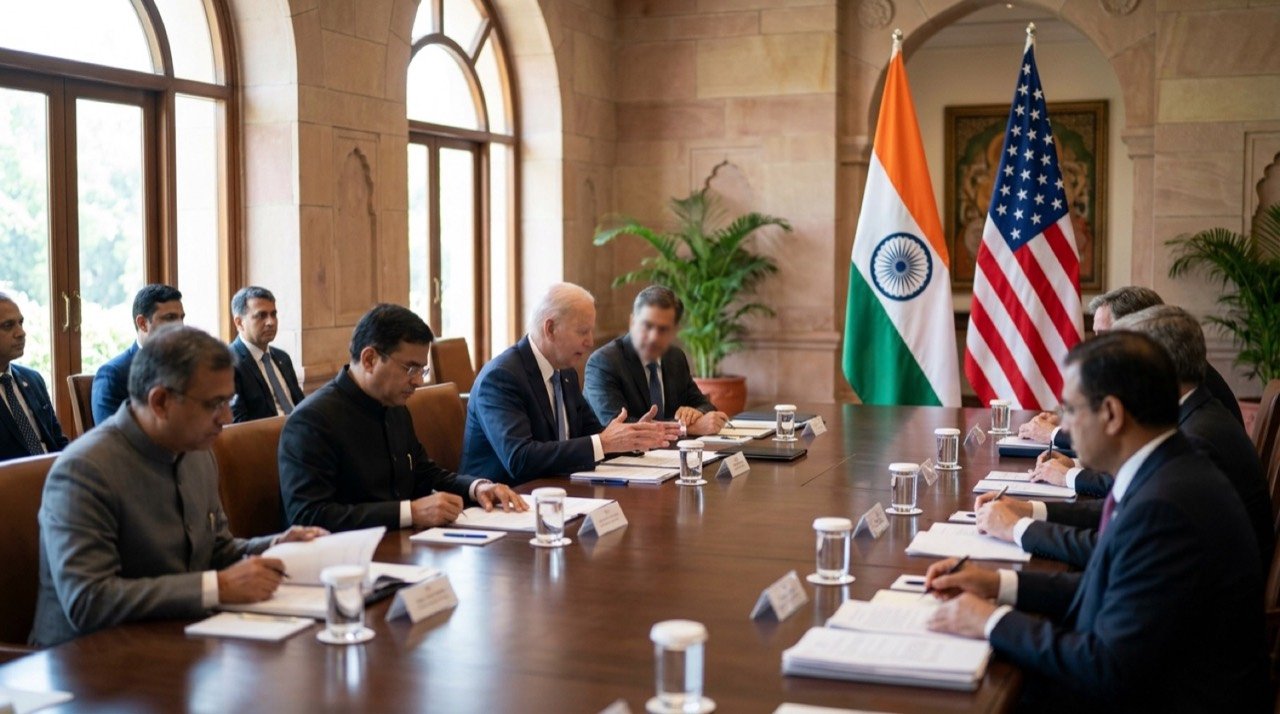
Commerce and Industry Minister Piyush Goyal and US Trade Representative Jamieson Greer have entered a fresh round of trade talks in New Delhi, reviving negotiations on an interim agreement and a broader bilateral trade package. The discussions build on the India-US joint statement issued by Prime Minister Narendra Modi and President Donald Trump in February 2025, and carry real weight for swathes of Indian industry.
What is on the table
At the core of the talks is an interim deal that could be sealed relatively quickly, followed by a more comprehensive bilateral framework. Indian negotiators are pushing for terms that improve market access for domestic producers while securing a comparative advantage over competitor economies that supply similar goods to the United States.
The agenda spans tariff treatment, customs facilitation, non-tariff barriers and investment signals. Each of these levers can shift the competitiveness of Indian goods almost overnight, which is why officials are weighing concessions carefully rather than rushing to a headline figure.
Sectors with the most at stake
The outcome will ripple across textiles and apparel, engineering goods, agriculture and the fast-growing technology services sector. For labour-intensive industries such as textiles, even modest tariff relief can translate into thousands of jobs and a stronger foothold in the world's largest consumer market. Engineering exporters, meanwhile, are watching customs procedures and standards recognition that determine how smoothly products clear the border.
Goyal has signalled urgency, framing a quicker conclusion as the better outcome for India provided the terms deliver a genuine edge for exporters rather than a symbolic accord.
Balancing ambition against caution
India enters the talks confident but careful. New Delhi has resisted pressure in past negotiations to open sensitive areas such as agriculture and dairy too widely, mindful of domestic livelihoods. The challenge is to extract better access in US markets without conceding ground that could hurt Indian farmers or small manufacturers.
- Talks led by Piyush Goyal and USTR Jamieson Greer in New Delhi
- Focus on an interim deal plus a wider bilateral trade framework
- Key issues: tariffs, customs facilitation, non-tariff barriers, investment
- Sectors in focus include textiles, engineering goods, agriculture and tech services
- India seeking market access that gives exporters an edge over competitors
“The faster the better, as long as the deal gives India a real advantage.”
— Piyush Goyal, Union Commerce and Industry Minister
The road ahead remains uncertain, with both sides expected to trade offers across several rounds before any text is finalised. Yet the resumption itself signals momentum, and Indian exporters will be hoping the negotiators convert goodwill into concrete gains that sharpen their standing in a fiercely competitive global market.
The NE Times View
Reopened talks are an opportunity, but chasing a decisive edge over rivals is the wrong frame for an interim deal. India's leverage lies in market size and supply-chain diversification, not in extracting one-sided terms Washington will resist. A durable, balanced agreement that locks in tariff certainty serves exporters better than a headline win. Negotiators should prize predictability over the optics of having outmanoeuvred a partner.
This article is original commentary and analysis by The NE Times. Background facts were referenced from Mint and the Times of India.
You may also like to read
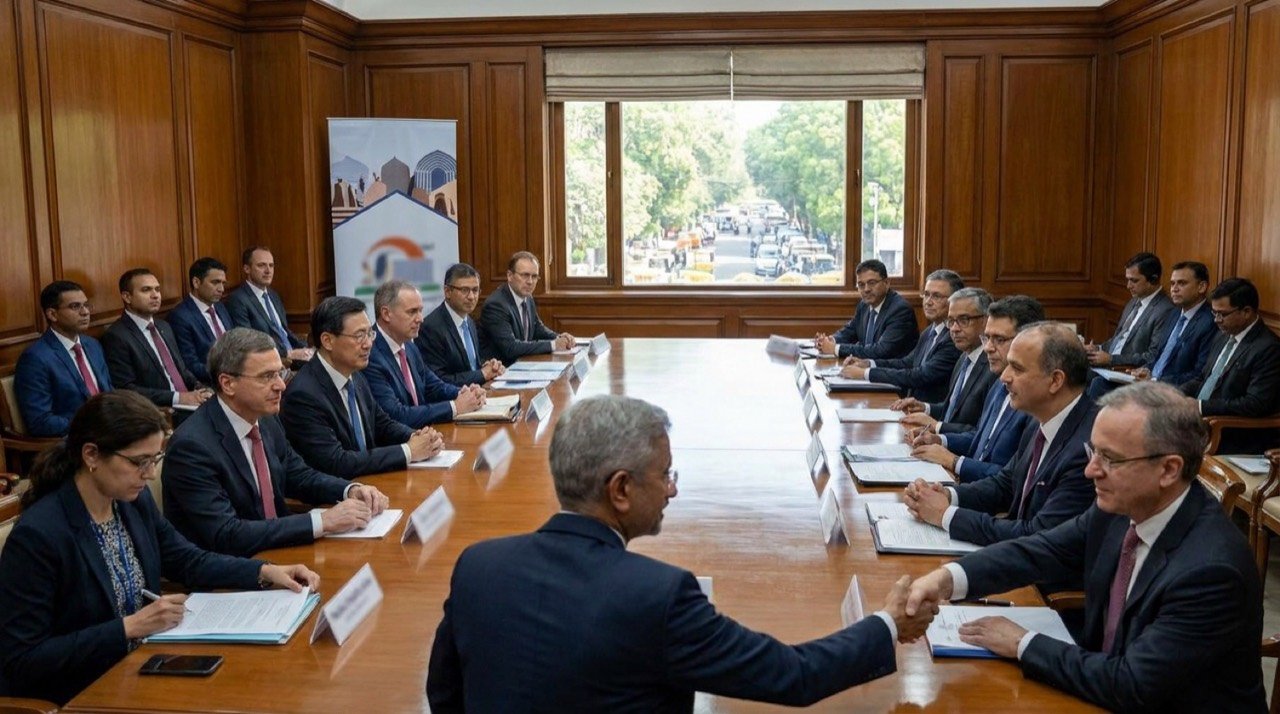
India-US Ministerial Trade Talks Open in New Delhi as Both Sides Chase a Tariff Deal
Commerce Minister Piyush Goyal and US Trade Representative Jamieson Greer have begun ministerial-level talks in New Delhi, aiming to narrow gaps on tariffs, agriculture and digital trade before a possible bilateral package.
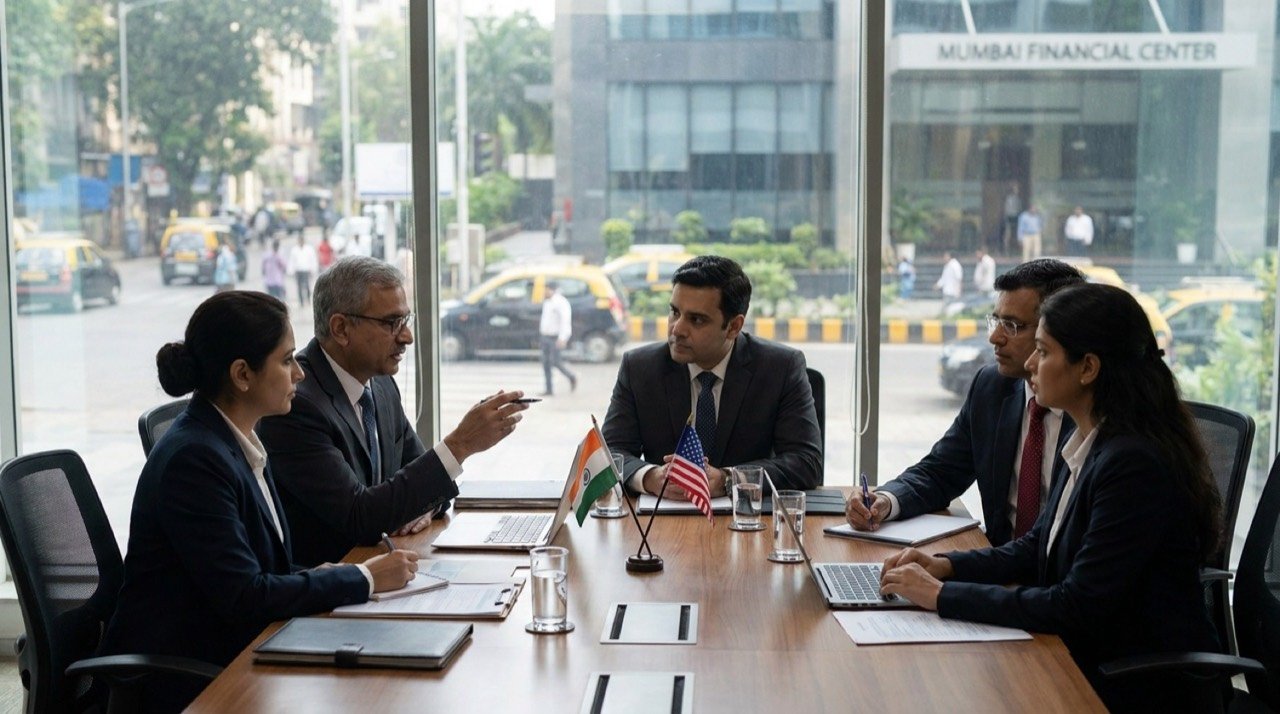
India-US Interim Trade Deal Enters Final Stretch Ahead of July Tariff Deadline
With a July tariff deadline looming, New Delhi and Washington are racing to seal an interim trade pact that shields sensitive sectors while securing predictable access to India's largest export market.
India-US Trade Talks Enter Final Lap as Limited Deal Takes Shape
Negotiators in New Delhi and Washington push toward a limited trade pact that could ease tariffs and widen market access for India's textiles, gems, engineering goods and farm exports.
India and US Resume High-Level Trade Talks in Delhi to Finalise First Phase of Pact
Commerce Minister Piyush Goyal says his US counterpart is in Delhi for ministerial talks, with reports naming USTR Jamieson Greer for two days of negotiations on tariffs and market access.
More from this section
More
Adani Case: US DOJ Pushes for Permanent Dismissal of Charges
The US Department of Justice has urged a judge to permanently dismiss charges against Gautam Adani, calling the case legally flawed — a reversal with consequences for markets, diplomacy and cross-border enforcement.

Akasa Air Inducts 40th Aircraft in Indian Aviation Scale-Up
Akasa Air's 40th aircraft, ferried to Bengaluru via Seattle, Reykjavik and Cairo, marks a fleet milestone for the young carrier and a fresh signal that India's aviation market remains firmly in expansion mode.
BARC Ratings Suspension Leaves Indian TV Industry Flying Blind
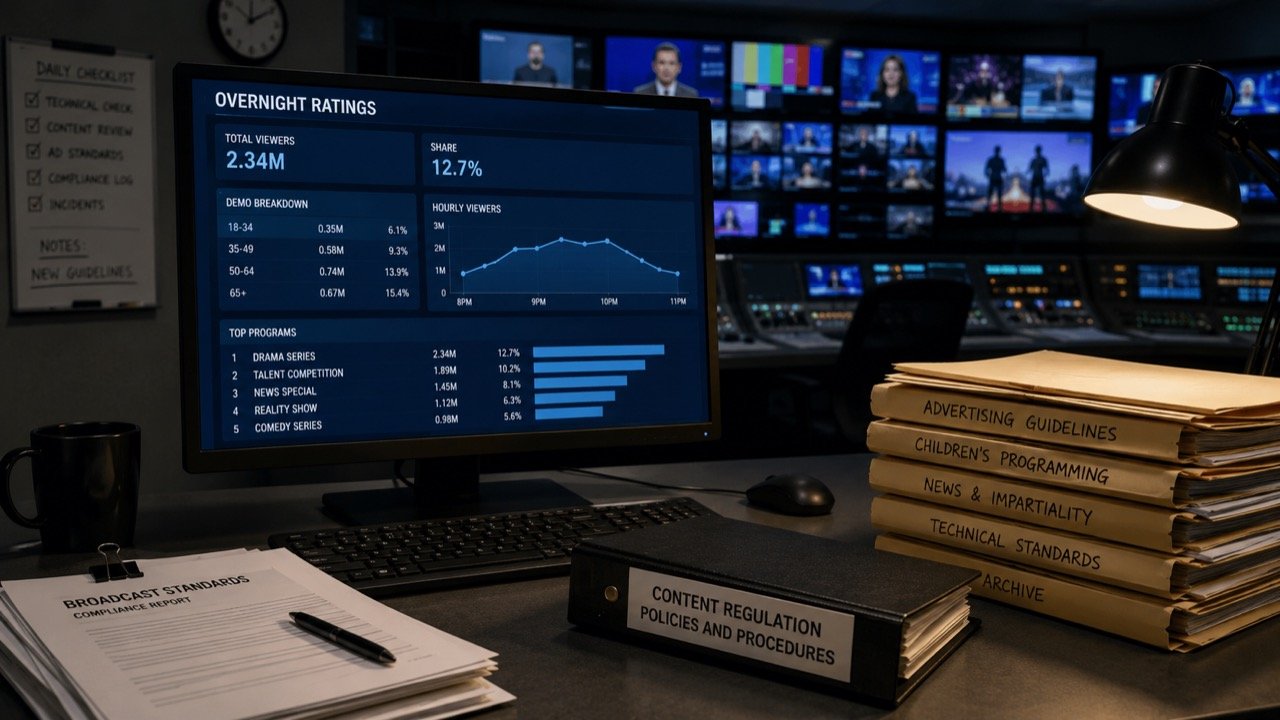
BARC's pause on television ratings has put India's broadcast measurement system under fresh scrutiny, leaving broadcasters, advertisers and media planners without the weekly audience data that anchors the TV economy.