India-US Trade Talks Enter Final Lap as Limited Deal Takes Shape
Negotiators in New Delhi and Washington push toward a limited trade pact that could ease tariffs and widen market access for India's textiles, gems, engineering goods and farm exports.
Commentary & Analysis ·
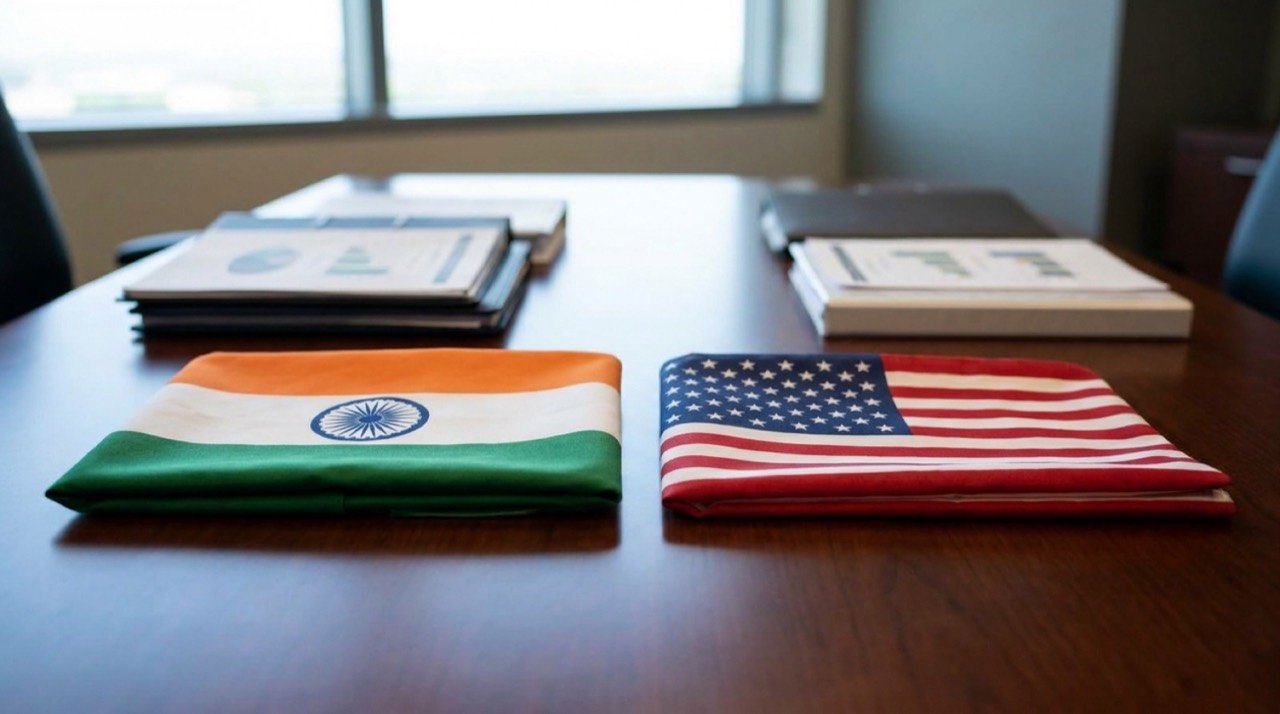
India and the United States are back in the spotlight as their trade negotiators close in on a limited agreement that could ease the tariff pressure weighing on bilateral commerce and improve access for Indian goods in one of the world's largest consumer markets. With US Trade Representative Jamieson Greer and senior officials signalling continued engagement, the talks have entered what negotiators describe as a final, sensitive lap where the toughest political questions remain to be settled.
What is on the table
A practical, scaled-down deal would matter most for sectors where India has both scale and ambition: textiles and apparel, gems and jewellery, engineering goods and a fast-growing digital services industry. These segments employ millions and depend heavily on predictable access to the American market, where tariff swings can quickly erode thin margins for exporters.
For New Delhi, the central challenge is to lock in stable, predictable terms without exposing vulnerable producers, particularly in agriculture, to a flood of competitive imports. Farm trade has long been the most politically charged element of any India-US conversation, and officials are wary of concessions that could draw protests from a sensitive rural constituency.
Washington's calculation
For the United States, the test is whether a workable arrangement with India can be folded neatly into its broader tariff agenda. American negotiators are seeking improved access for their own exporters while balancing domestic pressures, and a deal with a major emerging economy carries both economic and strategic weight at a time of shifting global supply chains.
The balancing act for India
Indian policymakers are framing the negotiations as an exercise in protecting national interest while seizing export opportunity. The aim is to convert tariff relief into tangible gains for labour-intensive industries without conceding ground on areas considered strategically or politically untouchable. Striking that balance, officials acknowledge, is easier described than delivered.
- Textiles and apparel: a large, jobs-heavy export sector sensitive to US tariff levels.
- Gems and jewellery: among India's highest-value shipments to American buyers.
- Engineering goods: a growing category seeking steadier market access.
- Digital services: an expanding interest area in any modern trade framework.
- Agriculture: the most politically guarded element, with farmer interests front and centre.
“A deal is only as good as the predictability it offers; exporters need certainty, not one-off relief.”
— Trade policy analyst
How the final lap plays out will shape India's export momentum and the tone of one of its most consequential economic relationships. If negotiators can bridge the remaining gaps, a limited pact could provide breathing room for exporters; if they cannot, the uncertainty that has shadowed bilateral trade is likely to persist into the months ahead.
The NE Times View
A limited deal is the pragmatic shape for a relationship long stalled by maximalist ambitions on both sides. Easing tariffs on textiles, gems and engineering goods would deliver real gains to sectors that employ millions. But narrow pacts can also lock in awkward compromises and defer the thorny issues, agriculture, data, digital rules, that genuinely test the partnership. The win is real; whether it is a foundation or a ceiling is the open question.
This article is original commentary and analysis by The NE Times. Background facts were referenced from Business Standard and The Economic Times.
You may also like to read
India-US Ministerial Trade Talks Open in New Delhi as Both Sides Chase a Tariff Deal
Commerce Minister Piyush Goyal and US Trade Representative Jamieson Greer have begun ministerial-level talks in New Delhi, aiming to narrow gaps on tariffs, agriculture and digital trade before a possible bilateral package.
India-US Interim Trade Deal Enters Final Stretch Ahead of July Tariff Deadline
With a July tariff deadline looming, New Delhi and Washington are racing to seal an interim trade pact that shields sensitive sectors while securing predictable access to India's largest export market.
India-US Trade Talks Resume in Delhi as Exporters Seek a Competitive Edge
Piyush Goyal and US Trade Representative Jamieson Greer have begun a fresh round of negotiations on an interim deal, with India pressing for terms that hand its exporters a clear advantage over rivals.
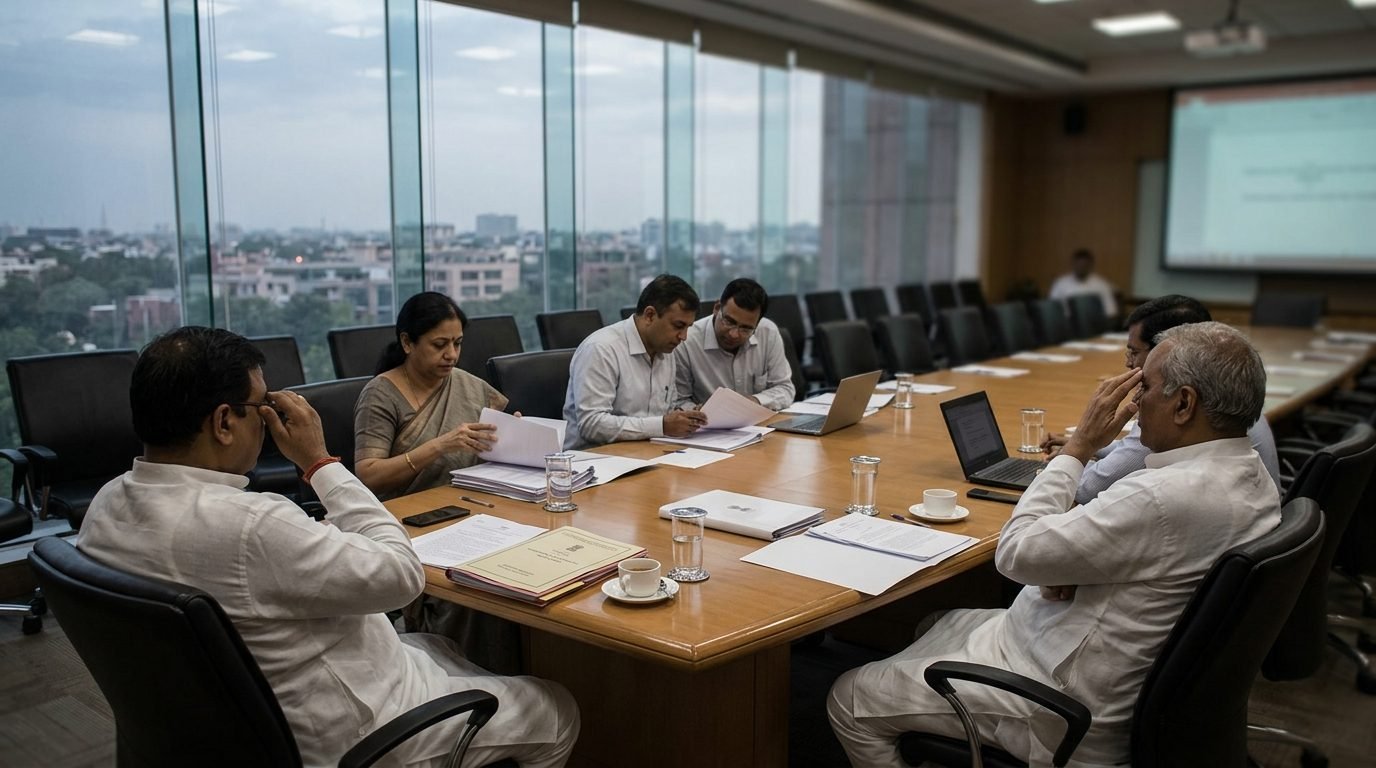
India-US Trade Deal '99% Done' as Modi-Trump G7 Meeting Looms
Negotiators wrapped a four-day round in New Delhi with most of a bilateral pact settled, but agriculture and dairy access remain the stubborn final hurdle.
More from this section
More
Adani Case: US DOJ Pushes for Permanent Dismissal of Charges
The US Department of Justice has urged a judge to permanently dismiss charges against Gautam Adani, calling the case legally flawed — a reversal with consequences for markets, diplomacy and cross-border enforcement.

Akasa Air Inducts 40th Aircraft in Indian Aviation Scale-Up
Akasa Air's 40th aircraft, ferried to Bengaluru via Seattle, Reykjavik and Cairo, marks a fleet milestone for the young carrier and a fresh signal that India's aviation market remains firmly in expansion mode.
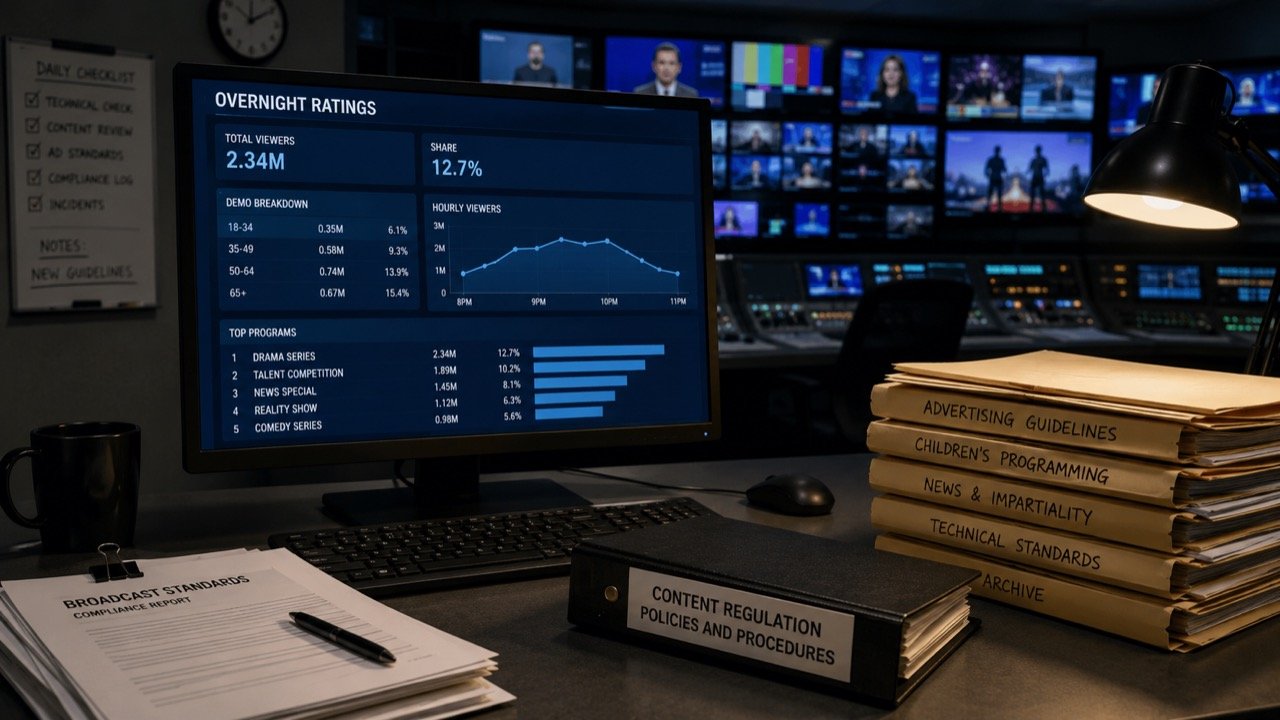
BARC Ratings Suspension Leaves Indian TV Industry Flying Blind
BARC's pause on television ratings has put India's broadcast measurement system under fresh scrutiny, leaving broadcasters, advertisers and media planners without the weekly audience data that anchors the TV economy.