US Trade Chief Greer's India Visit Puts First Tranche of Trade Deal in Focus
USTR Jamieson Greer's New Delhi talks with Piyush Goyal have pushed the long-stalled India-US trade agreement into a decisive phase, with tariffs, market access and an early package on the table.
Commentary & Analysis ·
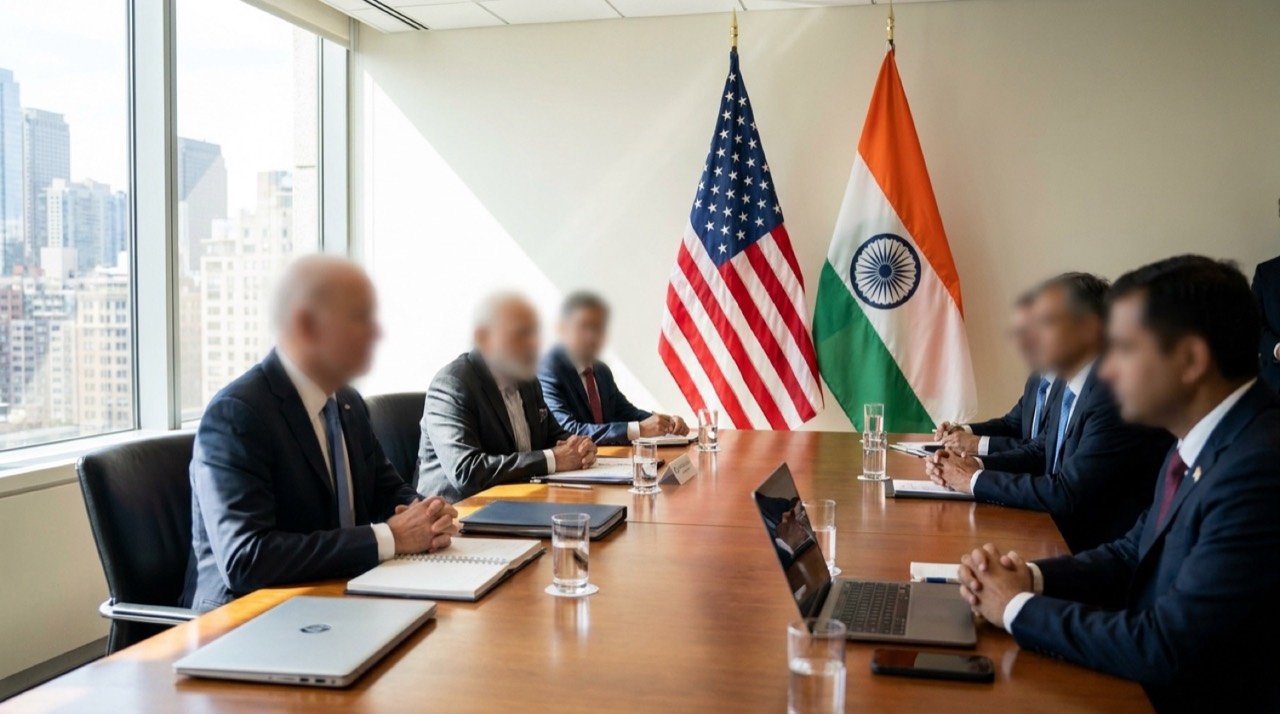
A visit to New Delhi by United States Trade Representative Jamieson Greer has pushed the proposed India-US trade agreement into what officials describe as a decisive phase. With Greer scheduled for multiple working sessions alongside Commerce and Industry Minister Piyush Goyal, attention has narrowed sharply to whether the two sides can finalise a first tranche of a broader bilateral pact.
A negotiation that has run for more than a year
Talks between the two economies have stretched on for over a year amid recurring trade frictions, making the prospect of even a limited early agreement politically significant. The arrival of the USTR in person is being read as a signal that Washington wants to convert months of technical discussion into a concrete deliverable.
For India, the stakes are considerable. The United States is among its largest trading partners, and a predictable framework would benefit exporters across sectors from textiles and pharmaceuticals to technology services.
What is on the table
The discussions span a wide agenda: tariffs, market access, treatment of agricultural and industrial goods, digital commerce, and the broader question of investor confidence. Agriculture in particular has long been one of the most sensitive areas, given the political weight of India's farm sector.
Negotiators are understood to be weighing a phased structure in which an initial package addresses the least contentious items first, leaving thornier issues for later rounds. Even a narrow opening agreement could reset the tone of the relationship.
Why a first tranche matters
For Indian exporters, the key question is whether the visit produces stable, predictable rules and reduces uncertainty in a market central to their growth plans. Clarity on tariffs and standards can shape investment decisions far beyond the headline numbers of any single deal.
- Tariff lines and which sectors gain improved access
- Treatment of sensitive agricultural and industrial goods
- Rules governing digital commerce and data flows
- Signals on investment protection and dispute resolution
- Whether a phased structure can break the year-long deadlock
Trade watchers caution that the symbolism of the visit should not be mistaken for a finished agreement. Many of the hardest trade-offs, especially on farm goods and digital rules, are likely to be deferred to later phases even if an early package is announced.
Should the two governments emerge with a first tranche, it would mark the most tangible progress in the relationship in years and offer Indian businesses a clearer view of the rules ahead. If they do not, the visit will still have sharpened the agenda and narrowed the gaps that remain.
The NE Times View
Greer's visit signals both sides want momentum, and an early tranche is a pragmatic way to bank progress while thornier issues simmer. The risk is that a slimmed-down first package becomes a substitute for the comprehensive deal rather than a step toward it. India should take the quick wins on tariffs and access without letting the hard files, agriculture and digital rules, slide off the table. The test is durability, not the photo-op of a signing.
This article is original commentary and analysis by The NE Times. Background facts were referenced from Deccan Herald and The Indian Express.
You may also like to read
India Pushes for Tariff Advantage Over Rivals in US Trade Deal, Says Goyal
India is seeking a US trade agreement that gives its exporters a comparative tariff edge over rival economies, Commerce Minister Piyush Goyal said, even as talks run long over the central question of tariff treatment.
India and US Resume High-Level Trade Talks in Delhi to Finalise First Phase of Pact
Commerce Minister Piyush Goyal says his US counterpart is in Delhi for ministerial talks, with reports naming USTR Jamieson Greer for two days of negotiations on tariffs and market access.
India-US Interim Trade Deal Enters Final Stretch Ahead of July Tariff Deadline
With a July tariff deadline looming, New Delhi and Washington are racing to seal an interim trade pact that shields sensitive sectors while securing predictable access to India's largest export market.
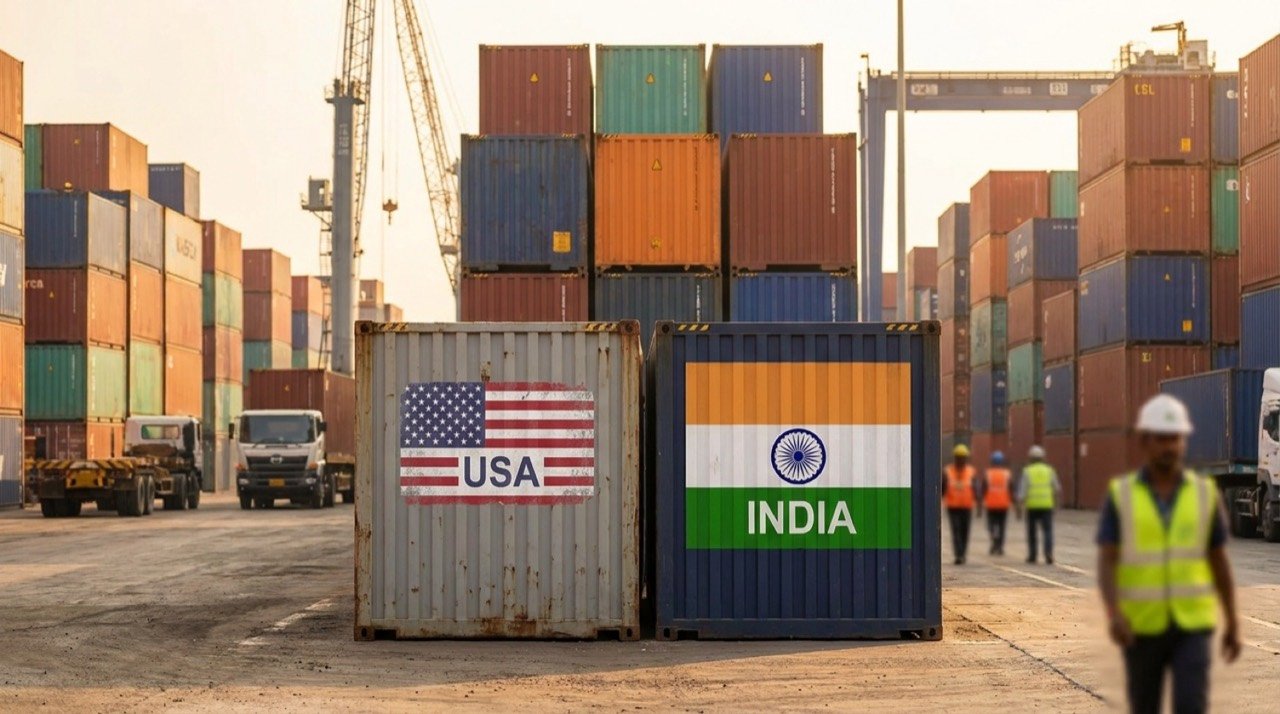
India Seeks Preferential Market Access in US Trade Talks, Says Goyal
Commerce Minister Piyush Goyal says India wants a US trade deal that hands its exporters a competitive edge, with market access, tariff lines and rules of origin now at the heart of negotiations.
More from this section
More
Adani Case: US DOJ Pushes for Permanent Dismissal of Charges
The US Department of Justice has urged a judge to permanently dismiss charges against Gautam Adani, calling the case legally flawed — a reversal with consequences for markets, diplomacy and cross-border enforcement.

Akasa Air Inducts 40th Aircraft in Indian Aviation Scale-Up
Akasa Air's 40th aircraft, ferried to Bengaluru via Seattle, Reykjavik and Cairo, marks a fleet milestone for the young carrier and a fresh signal that India's aviation market remains firmly in expansion mode.
BARC Ratings Suspension Leaves Indian TV Industry Flying Blind
BARC's pause on television ratings has put India's broadcast measurement system under fresh scrutiny, leaving broadcasters, advertisers and media planners without the weekly audience data that anchors the TV economy.