NCR Plan 2041 Proposes Four Namo Cities Around Rapid Rail
The draft regional blueprint envisions four transit-led Namo Cities along Namo Bharat rail corridors to absorb the National Capital Region's surging population.
Commentary & Analysis ·
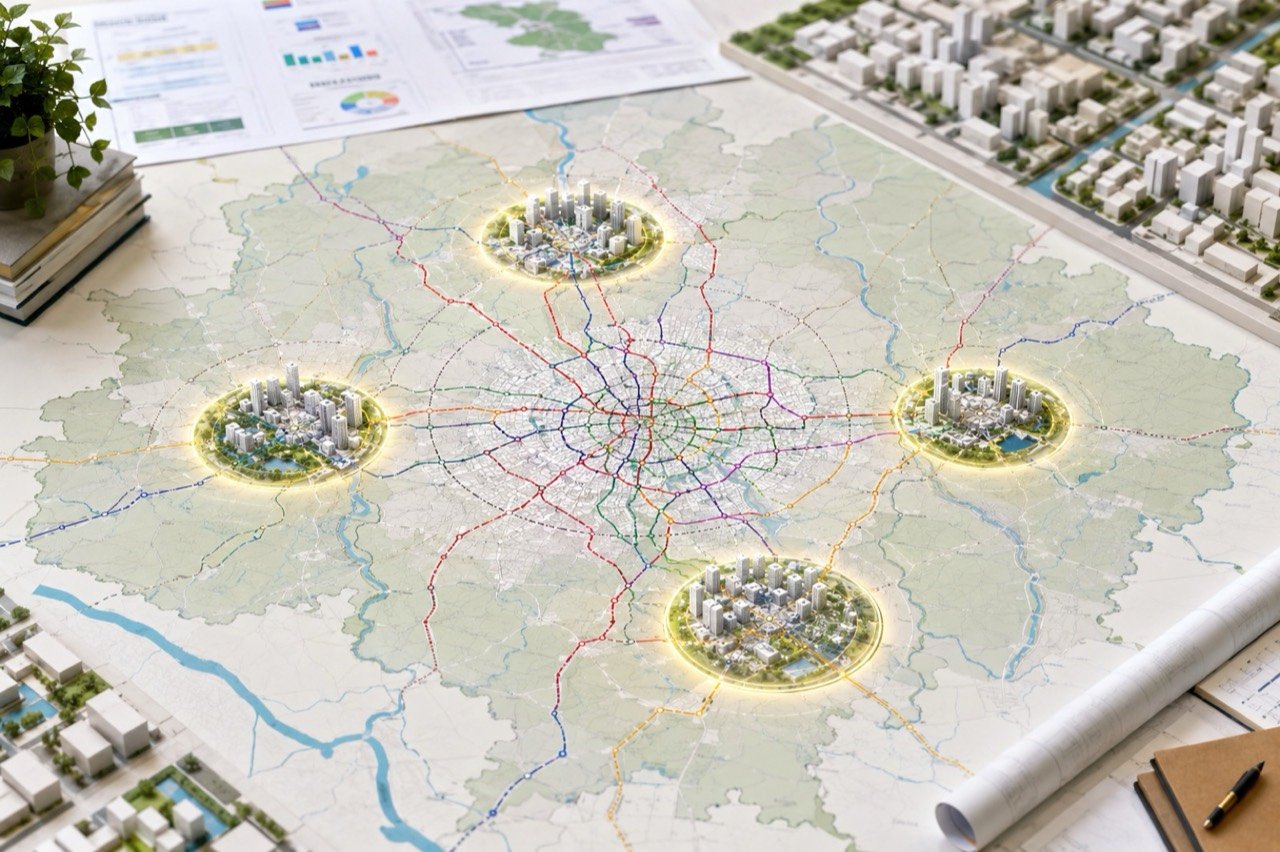
The draft NCR Regional Plan 2041 proposes building four semi-greenfield Namo Cities clustered around existing and planned Namo Bharat rapid rail stations, in one of the more ambitious attempts yet to reshape how the National Capital Region grows. The blueprint, discussed at a meeting of the National Capital Region Planning Board, ties new urban hubs directly to high-speed transit rather than letting settlements sprawl outward from Delhi.
Cities built around the train
The core idea is transit-oriented development: locating housing, jobs, services and transport close together so that residents can live, work and travel within compact, well-connected districts. By anchoring the Namo Cities to the Regional Rapid Transit System, planners hope to make fast rail the spine of daily life instead of an afterthought bolted onto already congested towns.
The term semi-greenfield signals that the cities would rise largely on relatively undeveloped land, giving authorities room to design road networks, utilities and green cover from the outset rather than retrofitting them into existing urban fabric.
A response to relentless growth
The proposal is framed against projections of a much larger NCR population by 2041, with some estimates pointing to a near-doubling. The Board's discussions also covered incentives to draw investment and residents, and measures to protect green cover so that expansion does not come at the cost of the region's ecology.
Supporters argue that planned hubs could relieve pressure on Delhi and the older satellite cities of Gurugram, Noida, Ghaziabad and Faridabad, which have absorbed decades of unplanned growth and now strain under traffic, housing costs and stretched services.
The execution challenge
The harder questions lie in delivery. Assembling large parcels of land, securing funding, and coordinating across the states that make up the NCR are persistent obstacles to inter-state urban projects. Keeping the new hubs genuinely affordable, rather than allowing them to become enclaves for higher-income buyers, will test the credibility of the plan.
Environmental promises will face equal scrutiny, with planners needing to show that green cover and sustainable design survive the pressures of construction and commercial interest.
- Four semi-greenfield Namo Cities proposed under the draft NCR Regional Plan 2041.
- Each city to be anchored to Namo Bharat rapid rail stations.
- Focus on transit-oriented, mixed-use development linking homes, jobs and transport.
- Board also discussed incentives and protection of green cover.
- NCR population projected to rise sharply by 2041.
“The promise is thirty-minute living, but the test will be land, funding and keeping it affordable.”
— Regional planning expert
If realised, the Namo Cities could mark a shift from reactive expansion to planned, rail-led urbanism in India's largest urban region. Whether the proposal moves beyond the drawing board will depend on how quickly states align on land and finance, and on whether early phases deliver the affordability and green credentials the plan promises.
The NE Times View
Transit-led satellite cities are exactly the right idea for an NCR straining under population and sprawl; building around rapid rail beats letting the car decide urban form. The NE Times View: branding is easy, execution is brutal. India's record on planned cities is mixed, and land acquisition, water and governance will determine whether Namo Cities become livable hubs or stalled blueprints. Watch the delivery timelines, not the renderings.
This article is original commentary and analysis by The NE Times. Background facts were referenced from NDTV and the Press Information Bureau.
You may also like to read
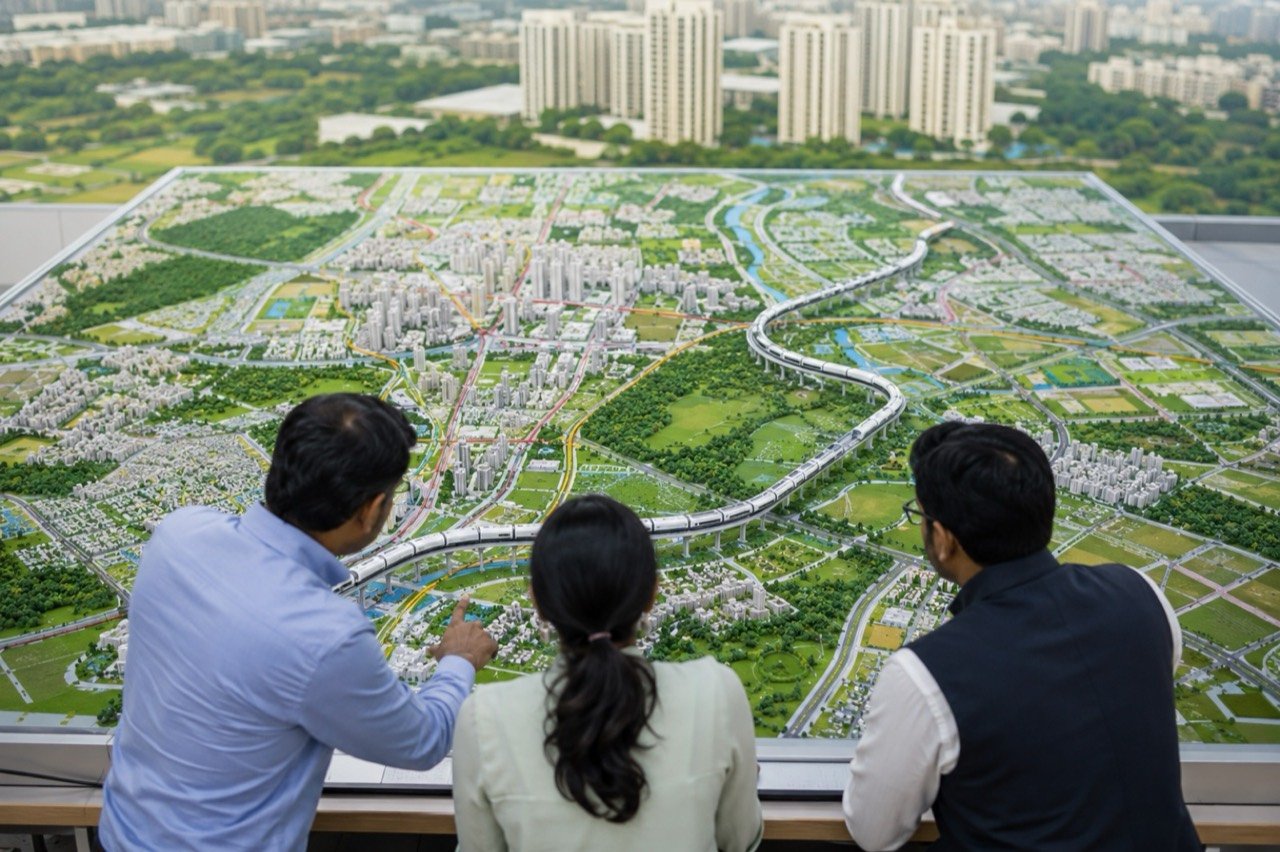
NCR Regional Plan 2041 Puts Four Namo Cities and Faster Corridors on the Map
The draft NCR Regional Plan 2041 proposes four greenfield Namo cities and new transit corridors to cut travel times as Delhi's urban cluster heads towards 11 crore people.
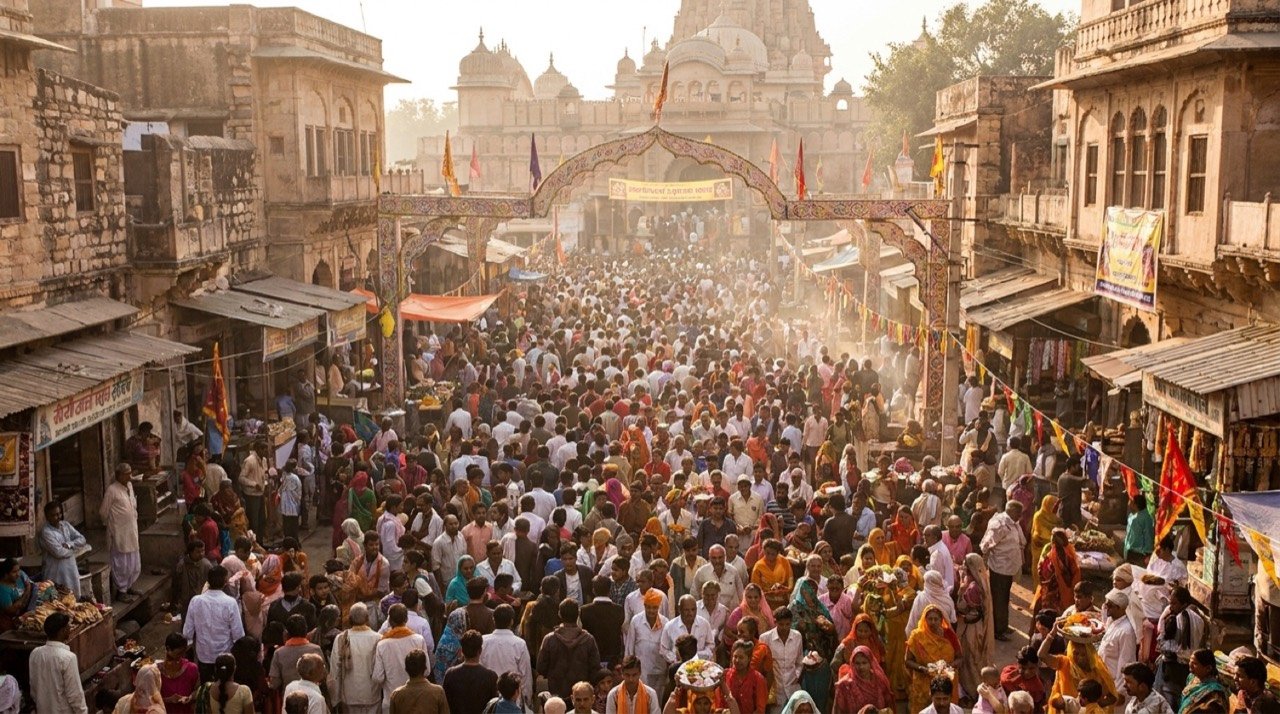
Khatu Shyamji Rail Connectivity Plan Could Ease Rajasthan Pilgrimage Pressure
A rail-connectivity push for Rajasthan's high-footfall Khatu Shyamji could reshape how pilgrims travel, easing road congestion and supporting local businesses if delivered well.
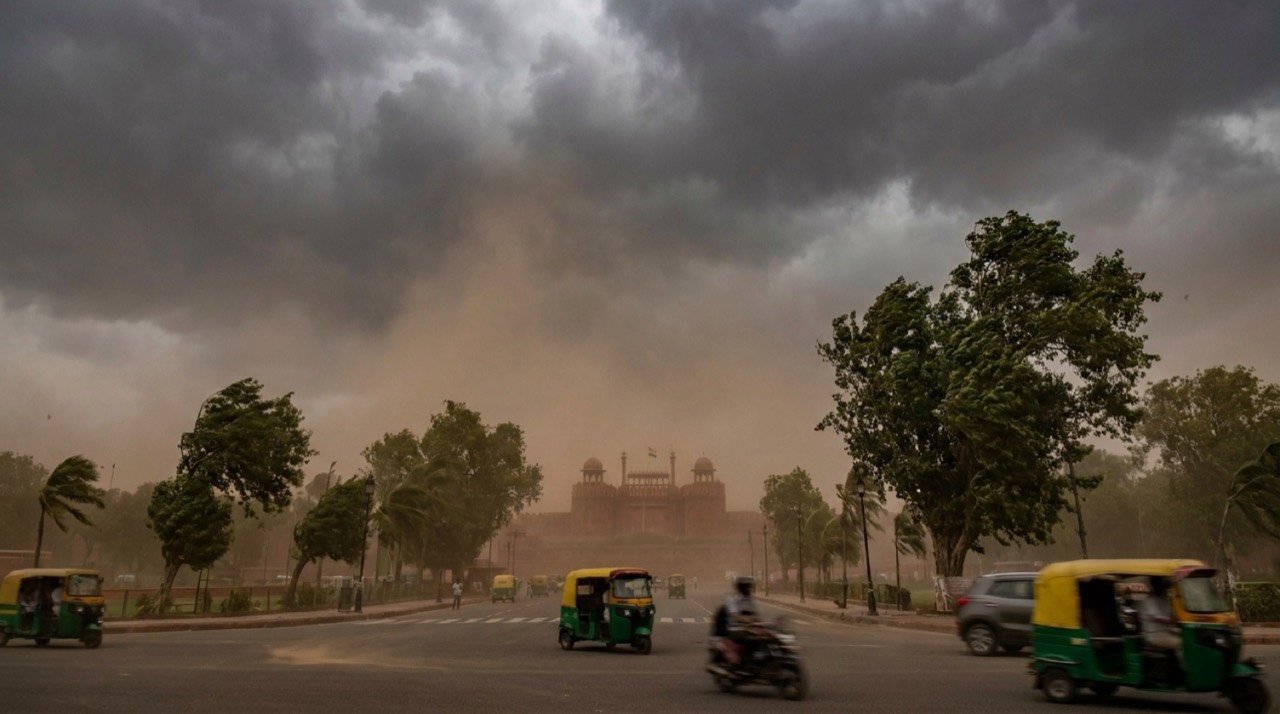
Delhi Red Alert: Dust Storms, Lightning and Rain Sweep the National Capital Region
Delhi moved under a short-term red weather alert on June 23 as dust storms, strong winds and severe thunderstorms threatened traffic, flights, power supply and outdoor safety across the National Capital Region.
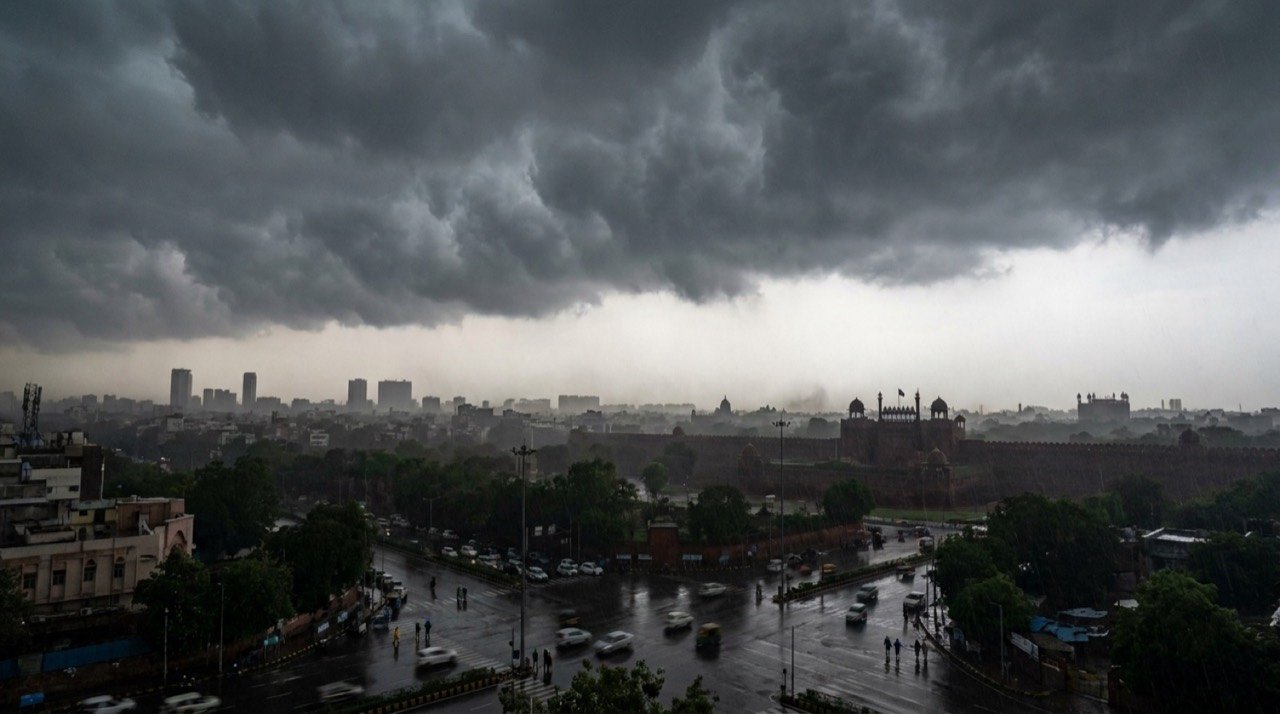
Delhi-NCR Weather Alert: Thunderstorms, Lightning and Strong Winds Forecast Across Capital Region
The India Meteorological Department has placed Delhi-NCR under a heightened weather watch, warning of thunderstorms, lightning, gusty winds and rain that could disrupt traffic, flights and power supply.
More from this section
More
AICTE Industry Fellowship 2026: Rs 1.5 Lakh Scheme Closes July 5
The AICTE Industry Fellowship Programme 2026, which places technical-education faculty inside leading companies on a Rs 1.5 lakh monthly stipend, reached its application deadline on July 5.
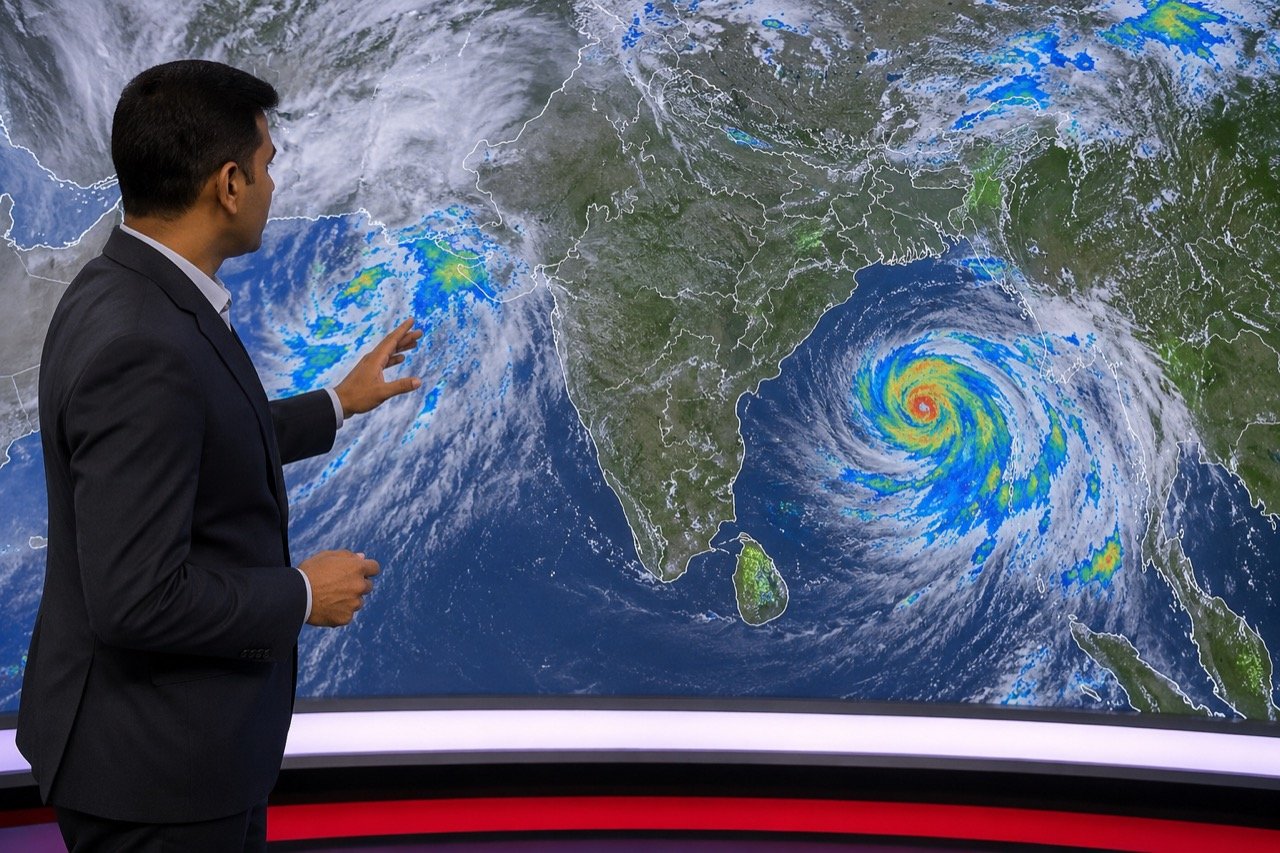
Bay of Bengal Low Pressure System Revives Monsoon Over Western India
A low-pressure system over the Bay of Bengal has pushed the monsoon back into an active phase, bringing steady heavy rain to Kerala, coastal Karnataka and Maharashtra, and putting Mumbai and Pune on preparedness watch.
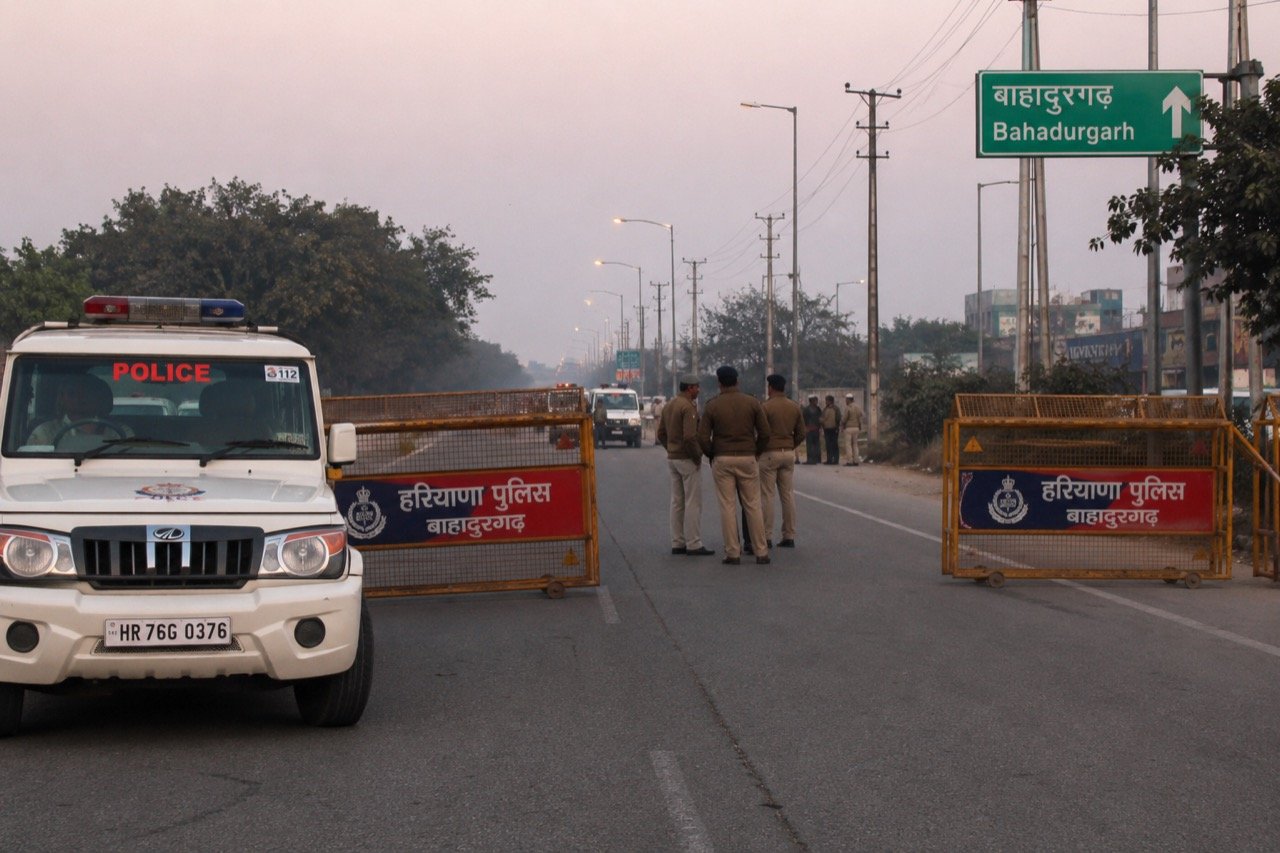
Bishnoi Gang Suspects Injured in Haryana Encounter as Police Tighten Net
A joint Haryana-Delhi Police operation in Bahadurgarh left two suspected Lawrence Bishnoi gang members injured, spotlighting the multi-state coordination now central to India's fight against organised crime networks.