Delhi-NCR Weather Alert: Thunderstorms, Lightning and Strong Winds Forecast Across Capital Region
The India Meteorological Department has placed Delhi-NCR under a heightened weather watch, warning of thunderstorms, lightning, gusty winds and rain that could disrupt traffic, flights and power supply.
Commentary & Analysis ·
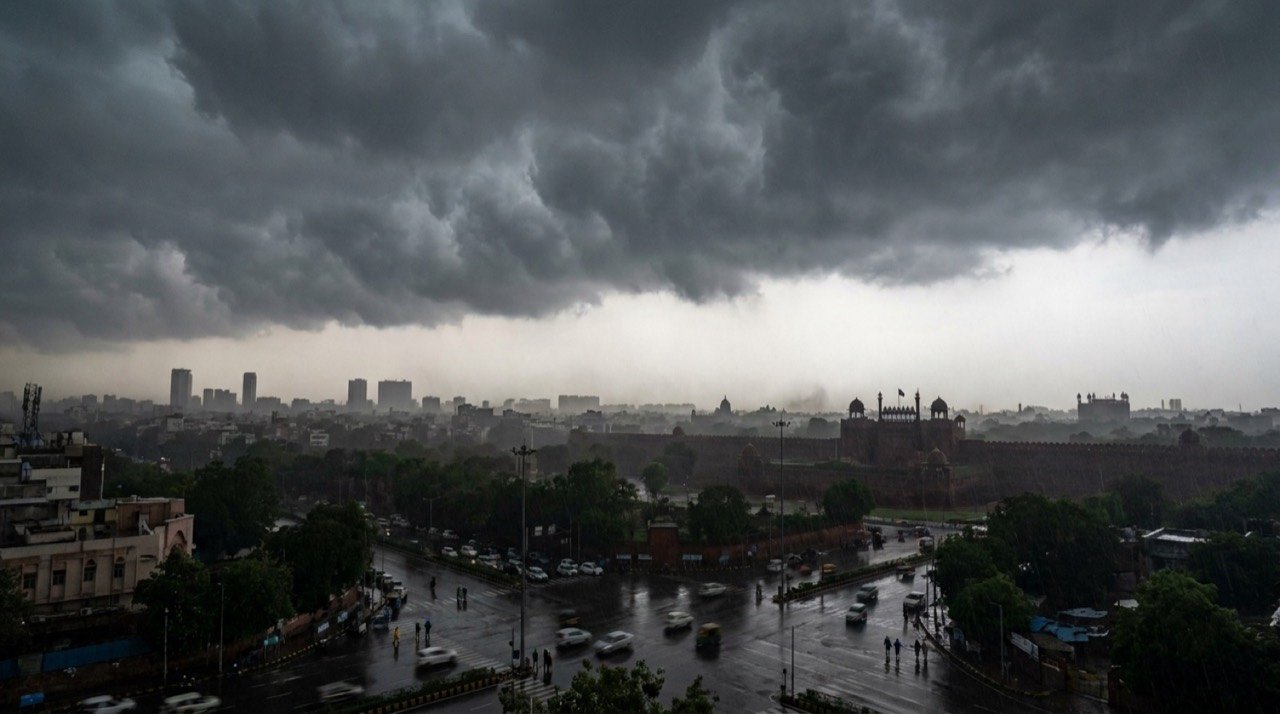
Delhi and the wider National Capital Region have been placed under a heightened weather watch after forecasters warned of thunderstorms, lightning, strong surface winds and intermittent rain. The advisory, issued as north India navigates a volatile monsoon transition, underscores how quickly the capital's skies can swing from oppressive heat and dust to sudden, intense bursts of stormy weather.
What the forecast warns
The India Meteorological Department flagged the possibility of short but sharp weather events that can pack a disproportionate punch. Even when rainfall totals are modest or unevenly distributed across the region, accompanying lightning and gusty winds carry real risks for people outdoors and for fragile urban infrastructure.
Such episodes are characteristic of this time of year, when shifting wind patterns and rising humidity create unstable conditions. The result is weather that can change within hours, leaving little time for residents and commuters to adjust their plans.
Why it matters for the capital
The significance of the alert lies less in the volume of rain and more in the cascade of disruptions a brief storm can trigger. Traffic snarls, waterlogging at known choke points, flight delays at Indira Gandhi International Airport, localised power outages and interrupted outdoor work are all common consequences when squalls sweep through the densely built metropolis.
For a region that houses tens of millions of people and serves as the nerve centre of national governance and commerce, even a short-lived weather event can ripple outwards into measurable economic and logistical strain.
Safety advice for residents
Authorities have urged the public to treat the warning seriously and to follow official advisories rather than informal forecasts circulating online. The emphasis is on simple, preventive precautions that reduce exposure during the most dangerous phases of a storm.
- Follow official IMD advisories and avoid non-essential travel during active storm windows.
- Do not shelter under trees or near hoardings during lightning; move indoors where possible.
- Secure loose outdoor objects such as signboards, scaffolding and balcony items.
- Allow extra travel time and anticipate slow-moving or diverted traffic.
- Keep emergency contacts and a charged phone handy in case of power cuts.
“Short, intense weather events can disrupt traffic, flights, power supply and outdoor work even when rainfall totals are uneven.”
— Weather advisory summary
The wider monsoon picture
For civic agencies, the priority shifts to drainage readiness, traffic management, emergency response and clear public communication. The episode is also a reminder of how monsoon transitions in north India can oscillate sharply between heat, dust, humidity and abrupt storms, testing the capital's preparedness each season.
Forecasters expect such instability to recur through the coming weeks as the monsoon establishes itself, making sustained vigilance and timely civic coordination essential. Residents are advised to keep checking updated bulletins as conditions evolve.
The NE Times View
IMD's improving short-range forecasts are only as useful as the city's ability to act on them, and Delhi-NCR's record on waterlogging, power cuts and flight chaos suggests the warning will outrun the response. The recurring story is not the weather but the infrastructure that buckles under predictable monsoon stress. A red alert should trigger pre-positioned drainage and grid crews, not just an advisory to stay indoors.
This article is original commentary and analysis by The NE Times. Background facts were referenced from India Meteorological Department and Hindustan Times.
You may also like to read
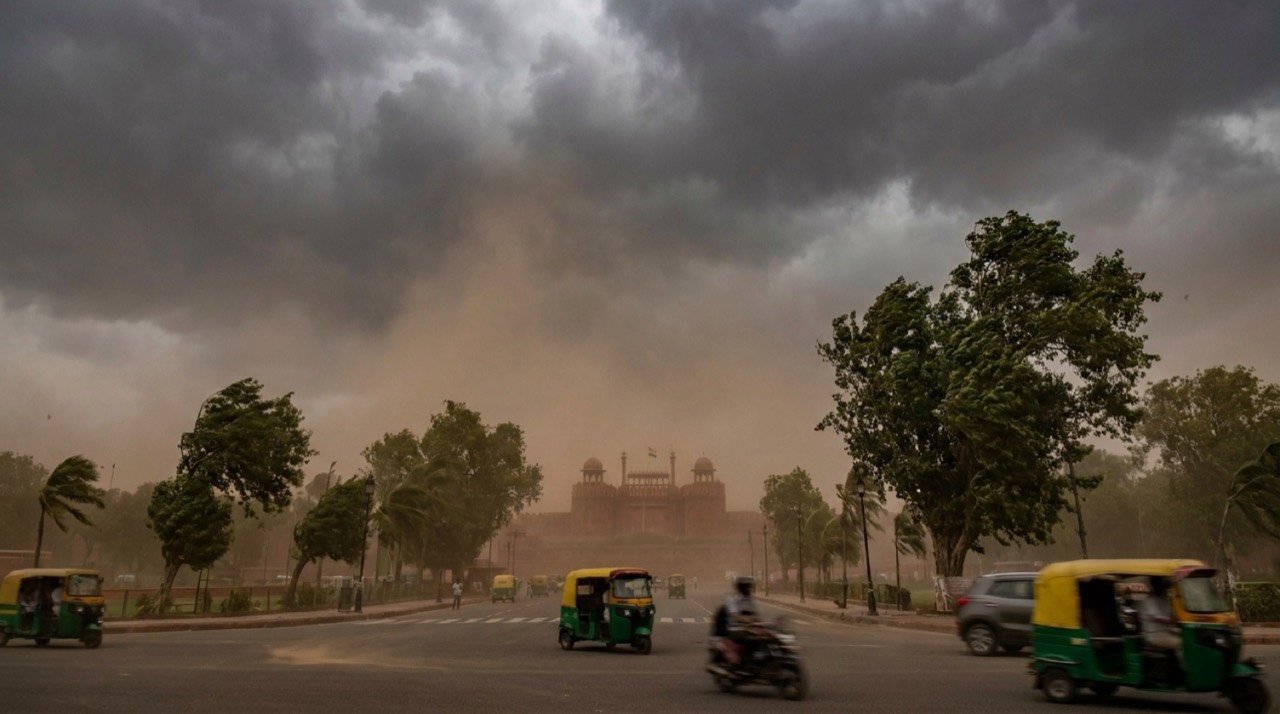
Delhi Red Alert: Dust Storms, Lightning and Rain Sweep the National Capital Region
Delhi moved under a short-term red weather alert on June 23 as dust storms, strong winds and severe thunderstorms threatened traffic, flights, power supply and outdoor safety across the National Capital Region.
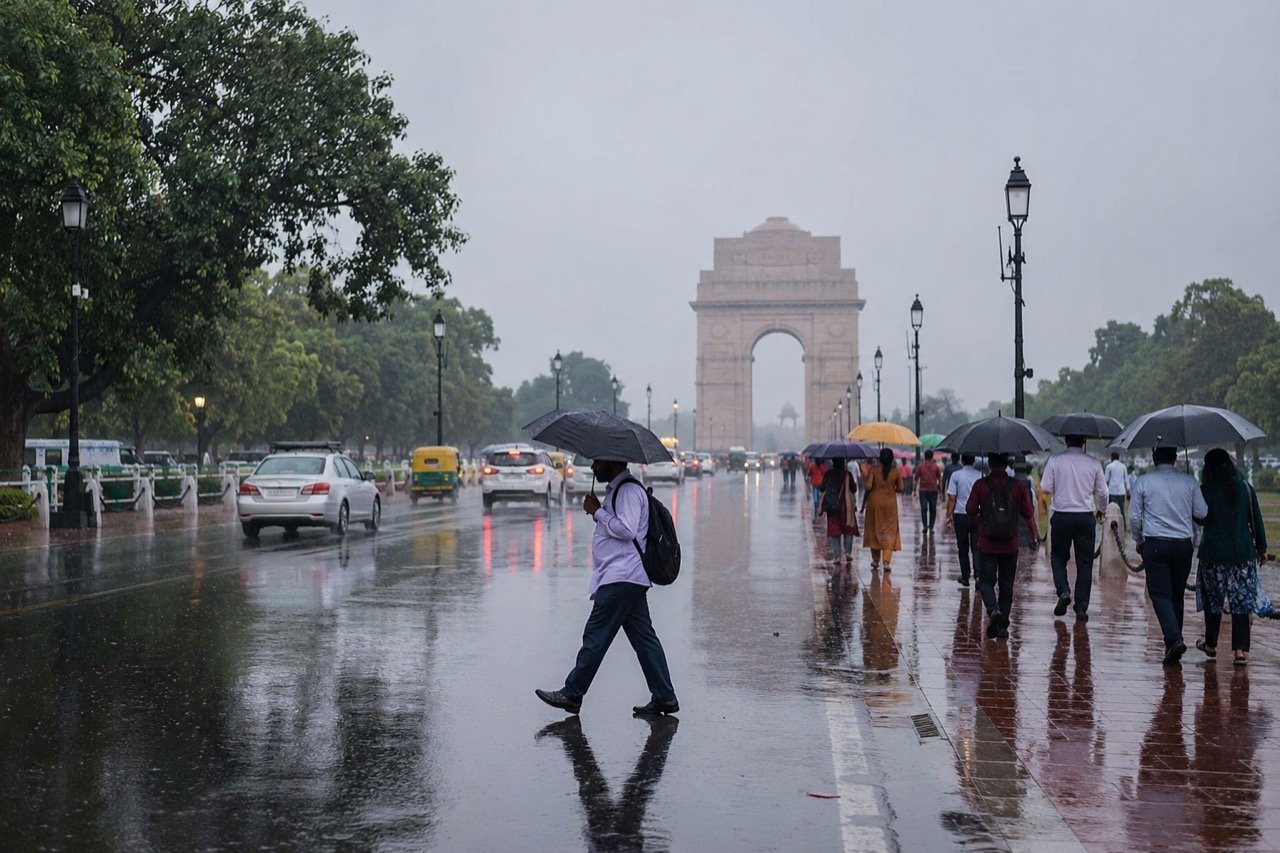
Delhi Weather: Warmest July Day in Two Years, Orange Rain Alert Next
Delhi's maximum temperature climbed to 38.6 degrees Celsius on Sunday, its warmest July day in two years, even as the IMD issued an orange alert for moderate rain on Monday.
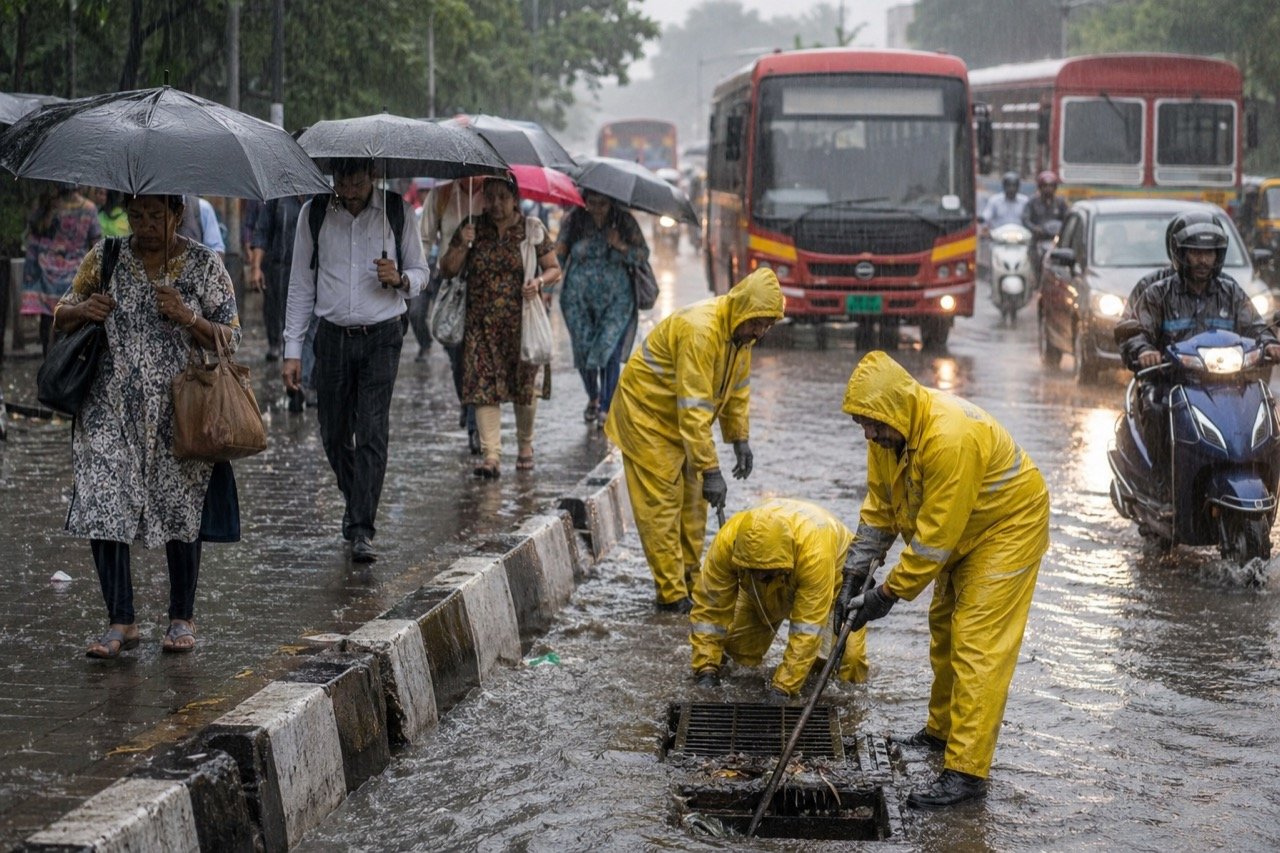
Mumbai and Thane on Alert as IMD Warns of Very Heavy Weekend Rain
The IMD has forecast heavy to very heavy rainfall with isolated extremely heavy spells over Mumbai and Thane on July 4 and 5, putting transport, drainage and emergency systems on weekend watch.
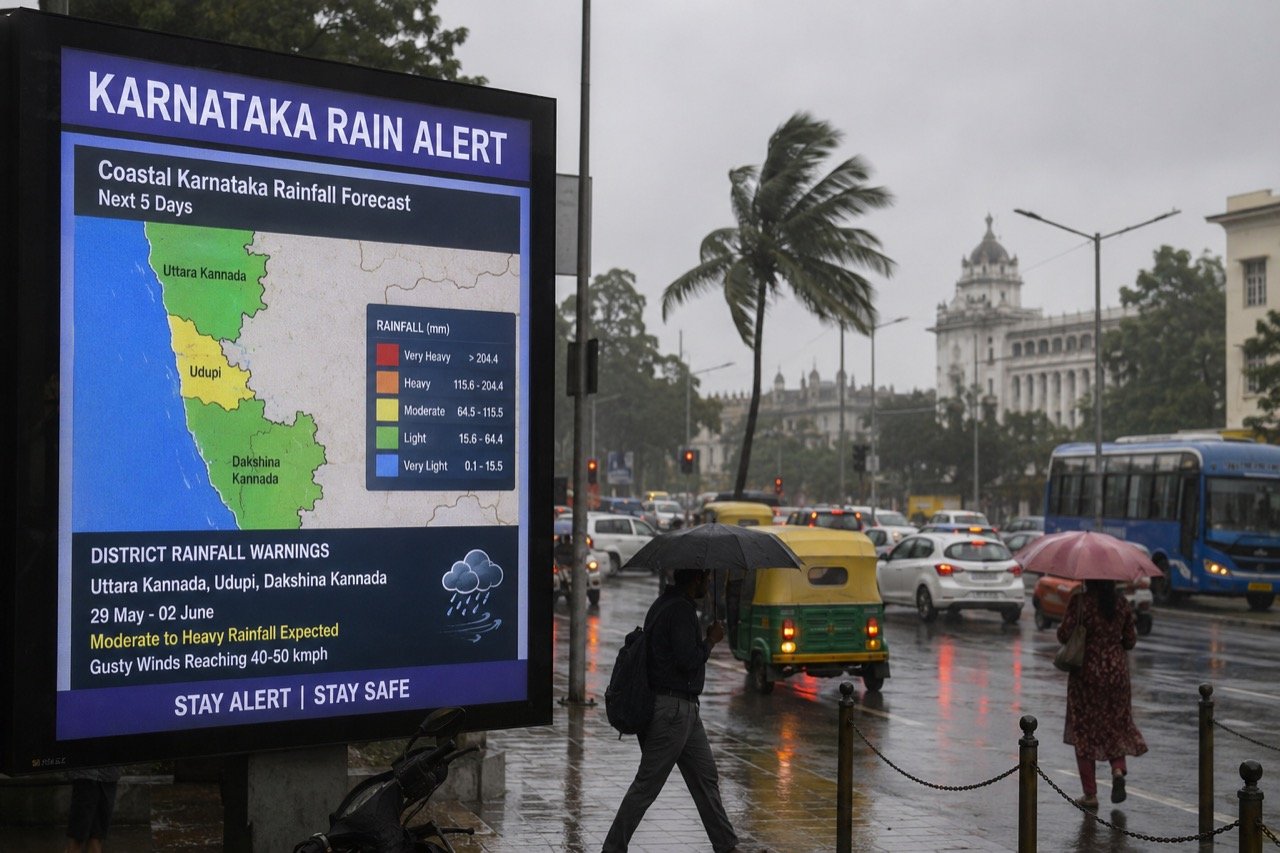
Karnataka Rain Alert: Bengaluru and Coastal Districts on Watch
Strengthening monsoon rain has put Karnataka on alert, with Bengaluru commuters bracing for waterlogged roads, coastal districts watching for intense spells, and farmers tracking every millimetre for sowing.
More from this section
More
AICTE Industry Fellowship 2026: Rs 1.5 Lakh Scheme Closes July 5
The AICTE Industry Fellowship Programme 2026, which places technical-education faculty inside leading companies on a Rs 1.5 lakh monthly stipend, reached its application deadline on July 5.
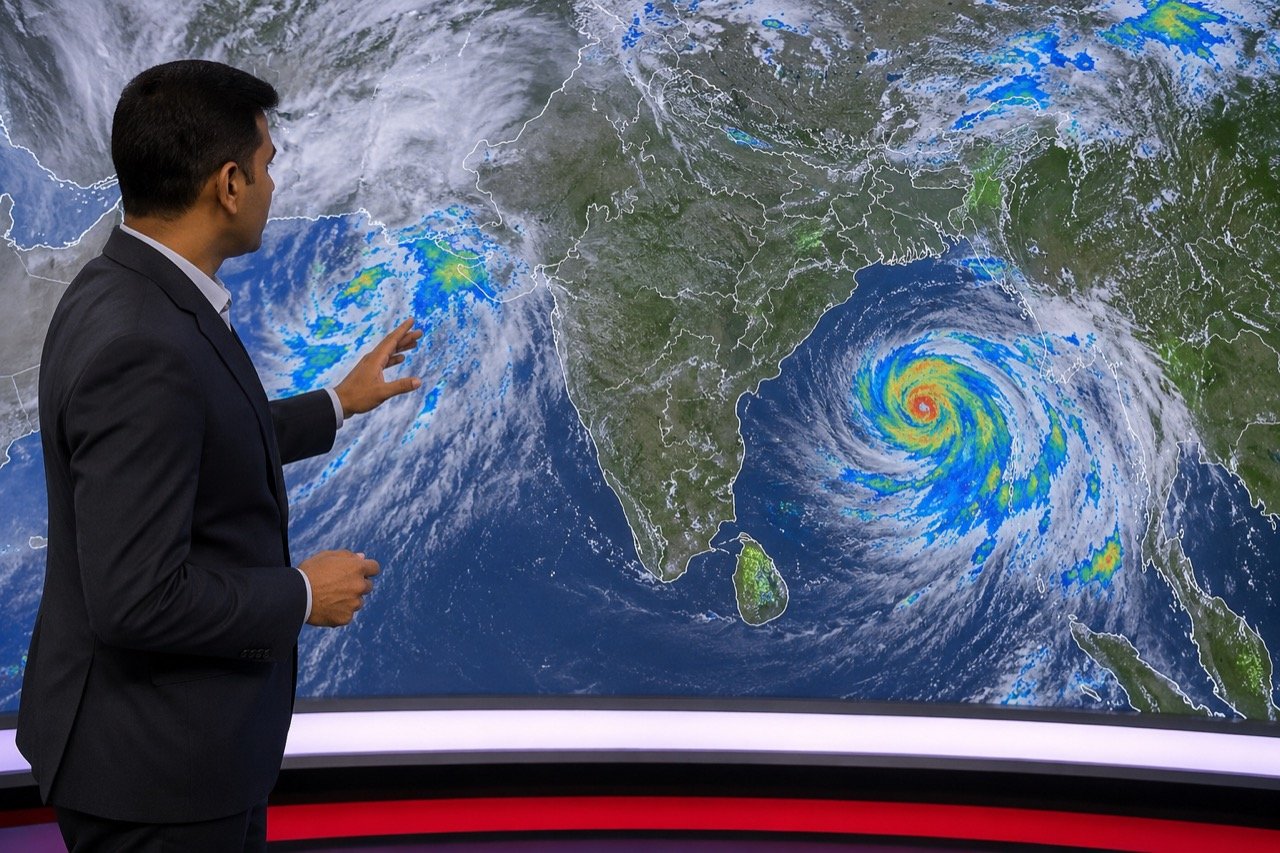
Bay of Bengal Low Pressure System Revives Monsoon Over Western India
A low-pressure system over the Bay of Bengal has pushed the monsoon back into an active phase, bringing steady heavy rain to Kerala, coastal Karnataka and Maharashtra, and putting Mumbai and Pune on preparedness watch.
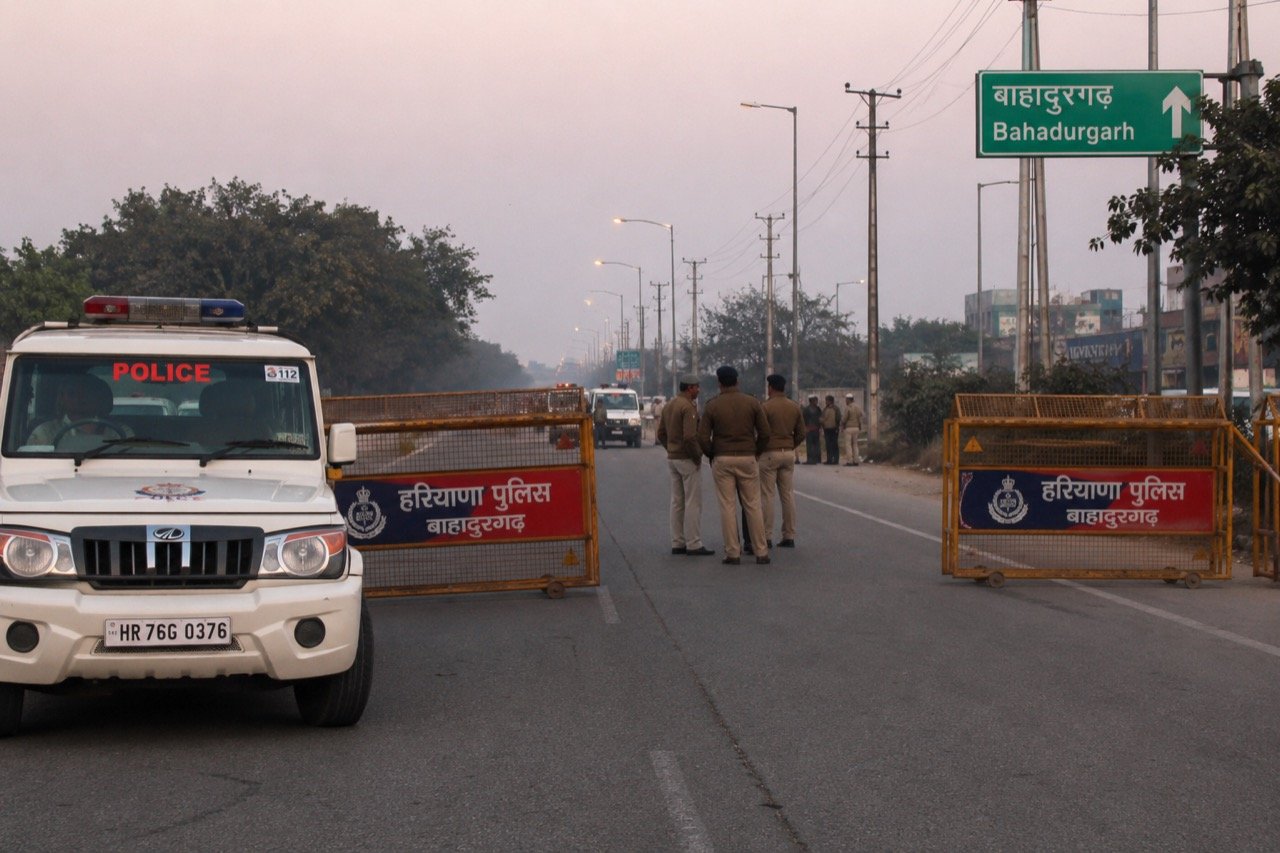
Bishnoi Gang Suspects Injured in Haryana Encounter as Police Tighten Net
A joint Haryana-Delhi Police operation in Bahadurgarh left two suspected Lawrence Bishnoi gang members injured, spotlighting the multi-state coordination now central to India's fight against organised crime networks.