NCR Regional Plan 2041 Puts Four Namo Cities and Faster Corridors on the Map
The draft NCR Regional Plan 2041 proposes four greenfield Namo cities and new transit corridors to cut travel times as Delhi's urban cluster heads towards 11 crore people.
Commentary & Analysis ·

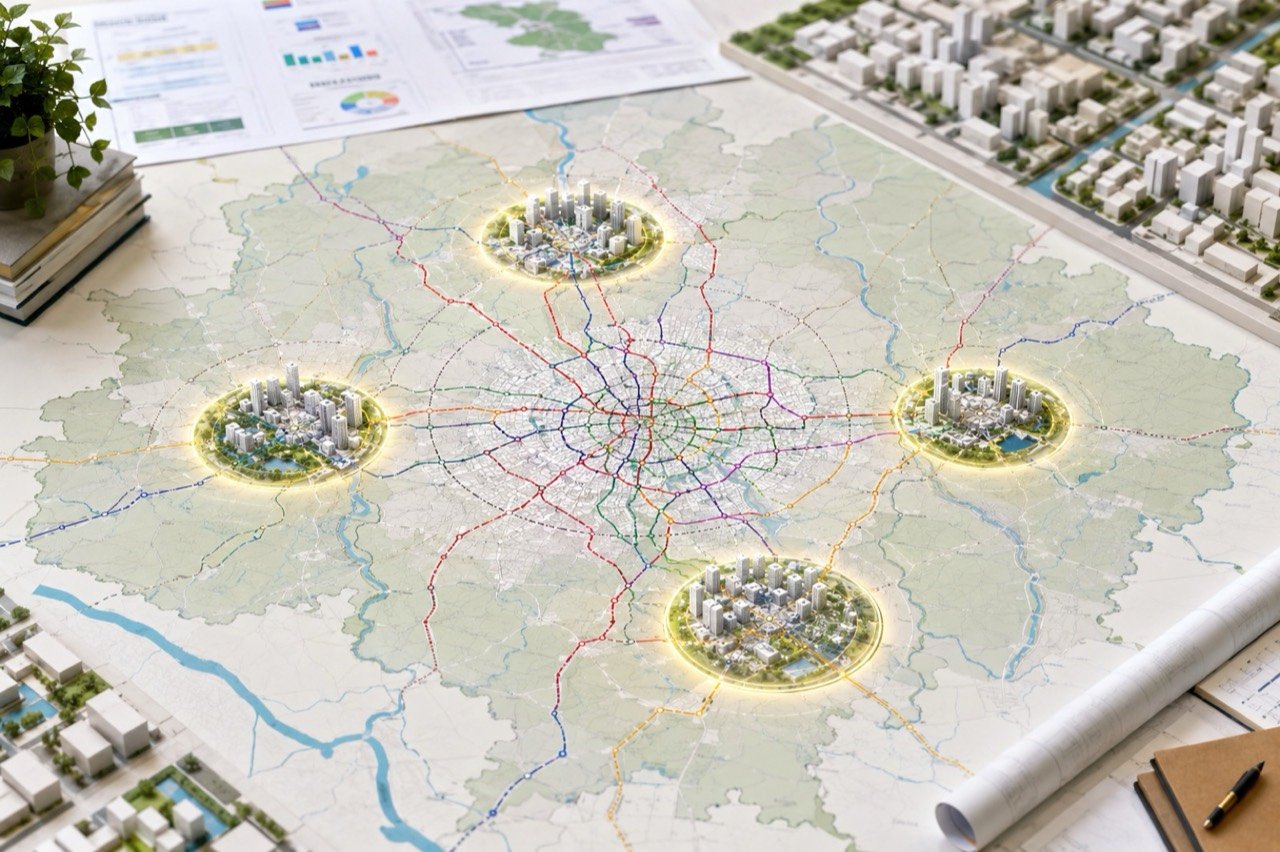
The draft NCR Regional Plan 2041 has reignited debate over the future shape of Delhi and its surrounding states, with reports describing four proposed greenfield Namo cities, new transport corridors and an ambition to sharply reduce travel times across the region. The blueprint arrives as the National Capital Region braces for population growth that could swell the urban cluster towards roughly 11 crore people by 2041.
Four new cities, one big idea
At the heart of the plan are four proposed Namo cities, conceived as planned greenfield hubs intended to absorb growth, ease pressure on existing urban centres and create fresh economic nodes beyond the Delhi core. The concept reflects a shift towards building new, deliberately designed settlements rather than allowing unplanned sprawl to spread outward.
By distributing population and jobs across new centres, planners hope to relieve the strain on Delhi's overstretched infrastructure while opening room for affordable housing and modern amenities.
Connectivity at the core
The plan looks well beyond roads and housing, weaving together metro expansion, regional rapid transit and new corridors designed to slash journey times across the sprawling region. Faster, integrated transit is positioned as the backbone that would make dispersed development viable, allowing residents of outlying cities to reach jobs and services without punishing commutes.
Pollution planning and the creation of economic nodes also feature prominently, signalling an attempt to address congestion and air quality alongside physical growth.
Ambition meets the execution test
The central question is whether such planning can genuinely reduce congestion and pollution while delivering affordable, connected growth, or whether it remains aspirational. Past experience with large regional schemes suggests that the gap between blueprint and reality often lies in coordination.
Delivering the vision will require sustained cooperation among Delhi, Haryana, Uttar Pradesh, Rajasthan and central agencies, each with its own priorities, timelines and land challenges.
- Four greenfield Namo cities proposed as new growth hubs
- New transport corridors aimed at cutting regional travel times
- Metro and regional rapid transit expansion integrated into the plan
- Urban cluster could reach about 11 crore people by 2041
- Pollution planning and new economic nodes built into the proposal
“The plan is ambitious, but execution will require coordination among Delhi, Haryana, Uttar Pradesh, Rajasthan and central agencies.”
— Assessment of the draft NCR Regional Plan 2041
If realised, the NCR Regional Plan 2041 could redefine how one of the world's largest urban agglomerations grows over the next decade and a half. But its success will hinge less on the boldness of the vision than on the willingness of multiple governments to align on funding, land and phased delivery, the test that has tripped up earlier regional ambitions.
The NE Times View
Planning for an 11-crore urban cluster is overdue, and faster corridors plus greenfield cities sound visionary on paper. The harder test is execution: India's track record on new-town building and inter-state coordination across Delhi, Haryana and UP is patchy. Naming cities is the easy part; delivering water, jobs and governance that keep them from becoming dormitory sprawl is what will decide whether 2041 looks planned or merely projected.
This article is original commentary and analysis by The NE Times. Background facts were referenced from NDTV and GKToday.
You may also like to read
NCR Plan 2041 Proposes Four Namo Cities Around Rapid Rail
The draft regional blueprint envisions four transit-led Namo Cities along Namo Bharat rail corridors to absorb the National Capital Region's surging population.

CISF Airport Facial-Recognition Plan Puts Privacy at Centre of Debate
The CISF is working on a Delhi data fusion centre to link facial-recognition systems across major Indian airports, reviving questions over aviation security, surveillance and passenger privacy.
Delhi's New Tree-Cutting SOP Adds Video Evidence and Arrest Warning
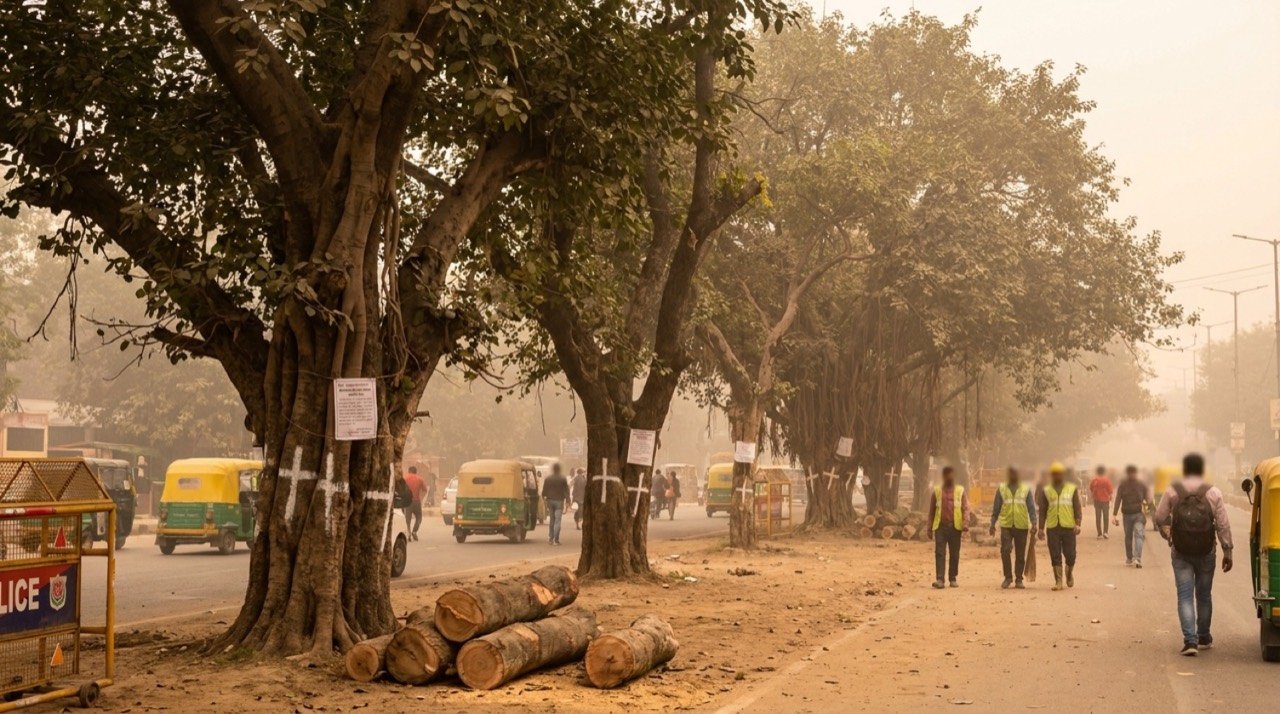
Delhi is preparing a tougher standard operating procedure for illegal tree felling, with video recording of enforcement and arrest warnings, as the capital battles heat, pollution and shrinking green cover.

Cabinet Clears Jet Fuel Price Stabilisation Fund And NCR Vehicle Replacement Push
The Union Cabinet has approved a Price Stabilisation Fund to cushion airlines against jet fuel volatility, alongside a scheme to replace ageing trucks and buses across the Delhi-NCR region.
More from this section
More
AICTE Industry Fellowship 2026: Rs 1.5 Lakh Scheme Closes July 5
The AICTE Industry Fellowship Programme 2026, which places technical-education faculty inside leading companies on a Rs 1.5 lakh monthly stipend, reached its application deadline on July 5.
Bay of Bengal Low Pressure System Revives Monsoon Over Western India
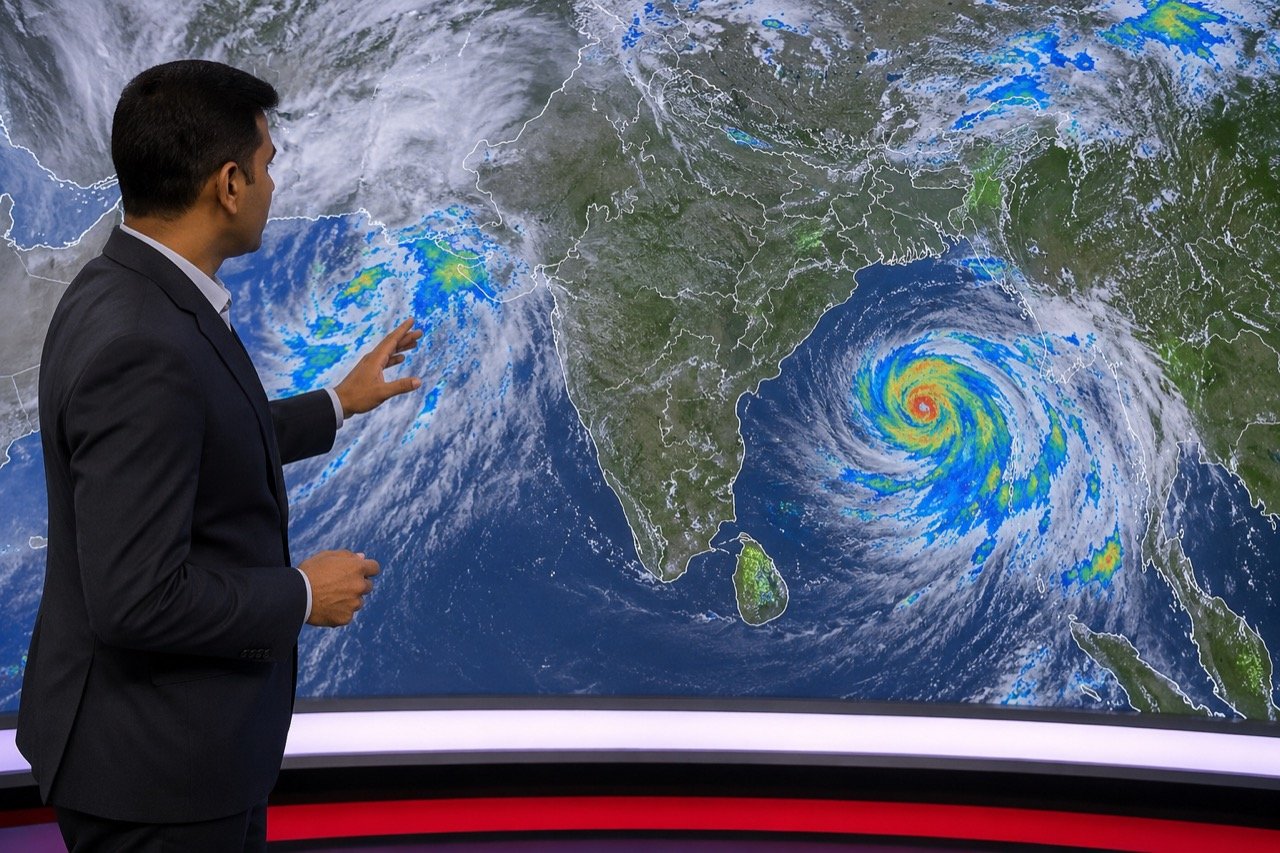
A low-pressure system over the Bay of Bengal has pushed the monsoon back into an active phase, bringing steady heavy rain to Kerala, coastal Karnataka and Maharashtra, and putting Mumbai and Pune on preparedness watch.
Bishnoi Gang Suspects Injured in Haryana Encounter as Police Tighten Net
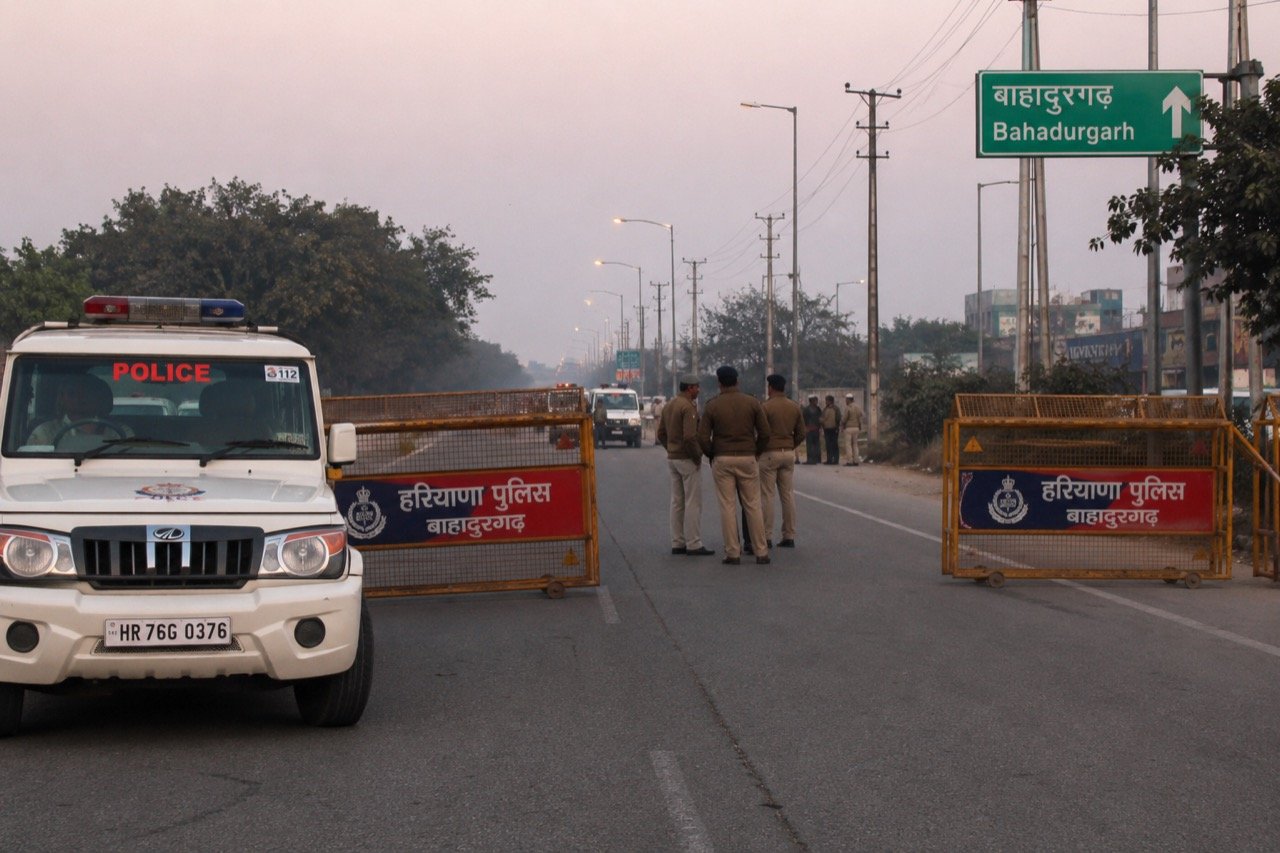
A joint Haryana-Delhi Police operation in Bahadurgarh left two suspected Lawrence Bishnoi gang members injured, spotlighting the multi-state coordination now central to India's fight against organised crime networks.