Cabinet Clears Jet Fuel Price Stabilisation Fund And NCR Vehicle Replacement Push
The Union Cabinet has approved a Price Stabilisation Fund to cushion airlines against jet fuel volatility, alongside a scheme to replace ageing trucks and buses across the Delhi-NCR region.
Commentary & Analysis ·
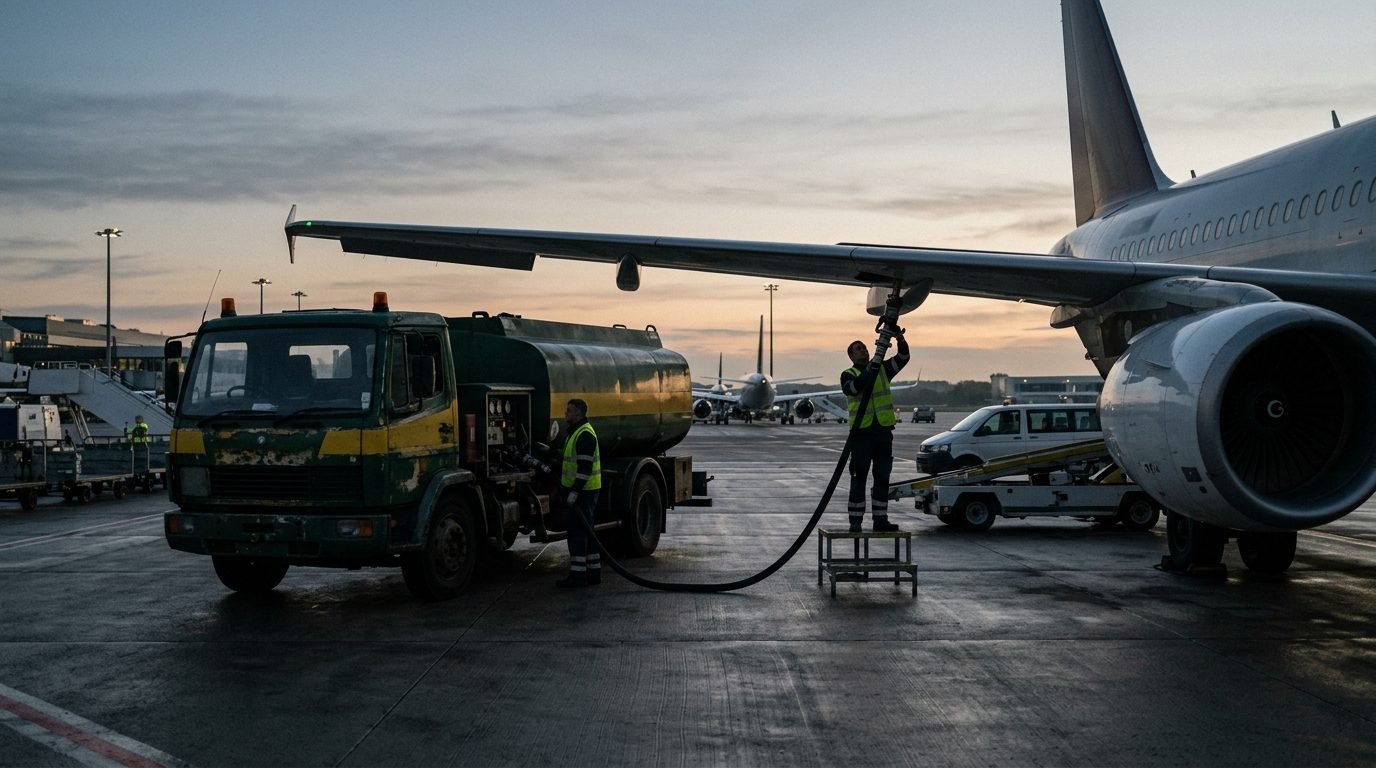
The Union Cabinet has cleared a pair of decisions aimed at two very different pressure points in the economy, approving a Price Stabilisation Fund for scheduled Indian airlines to cushion them against swings in aviation turbine fuel prices, and a separate scheme to support the replacement of old trucks and buses across the Delhi National Capital Region. Taken individually, each measure addresses a distinct policy problem. Taken together, they illustrate a governing style that pairs sectoral financial support with environmental intervention, betting that both can be pursued without one crowding out the other.
Why aviation turbine fuel costs matter so much
Aviation turbine fuel is among the single largest costs for Indian carriers, often accounting for a substantial share of total operating expenses. Unlike wages, airport charges or lease payments, ATF costs are directly exposed to global crude oil markets, and Indian carriers have limited ability to hedge that exposure given the structure of domestic fuel pricing and taxation. Sharp moves in global crude prices, sharpened recently by tensions in West Asia, ripple straight through to airline balance sheets almost immediately, since fuel is typically priced and adjusted far more frequently than fares can be repriced in a competitive market. This creates a structural vulnerability: airlines can plan for steady, gradually rising costs, but sudden spikes triggered by geopolitical shocks are much harder to absorb without either eating into margins or passing costs on to passengers, which risks denting demand just when the industry can least afford it.
The Price Stabilisation Fund is designed to smooth that volatility, offering scheduled operators a buffer when fuel costs spike beyond a threshold. In principle, such a mechanism does not attempt to shield airlines from the underlying cost of fuel altogether, but rather to flatten the sharpest peaks, so that a temporary surge does not force network cuts, fare shocks, or worse, financial distress at a carrier that is otherwise viable. Officials say the mechanism is meant to keep the sector financially stable through periods of turbulence, protecting both connectivity and the broader push to make India a global aviation hub. That ambition has been a consistent policy thread in recent years, with the government keen to see Indian carriers compete on international long-haul routes and hub traffic that has historically been captured by Gulf and Southeast Asian carriers.
A sector that has seen this volatility before
The move comes as carriers continue to place large aircraft orders and expand domestic and international networks, investments that assume a reasonably predictable cost environment over the next decade or more. India's aviation sector has a well-documented history of carriers entering financial distress, in some cases collapsing altogether, and fuel price shocks have repeatedly been cited as a contributing factor alongside currency depreciation, high taxation on ATF in several states, and intense fare competition. A stabilisation fund, if well designed, could reduce the odds of a repeat of that pattern by giving carriers a predictable buffer precisely when external shocks are least predictable. Whether it succeeds will depend heavily on details that have not yet been made public: the price threshold at which support kicks in, how the fund itself is capitalised, how quickly it can disburse support, and whether it applies uniformly across all scheduled carriers or is weighted in some way.
Cleaner air for the capital region
The second decision routes support through the National Capital Region Planning Board to accelerate the replacement of ageing trucks and buses in the Delhi-NCR area, a chronic contributor to the region's notorious air pollution. Older commercial vehicles are disproportionate emitters, producing far more particulate matter and other pollutants per kilometre than newer vehicles fitted with modern emission-control technology. Phasing them out is seen as a faster route to cleaner air than many longer-term measures, such as public transport expansion or industrial emission controls, precisely because it targets a concentrated, identifiable source of pollution with a direct policy lever: replacement incentives paired, presumably, with scrapping requirements.
Delhi-NCR's air-quality crisis has become an annual fixture of national conversation, particularly in the winter months when stubble burning, vehicular emissions, construction dust and unfavourable weather combine to push pollution readings into hazardous territory. Against that backdrop, a scheme aimed squarely at the ageing commercial vehicle fleet is a logical, if partial, response. Trucks and buses that have been in service for many years without modern emission controls represent a disproportionately large share of the vehicular pollution load relative to their numbers, which is why policymakers across successive governments have returned again and again to fleet-renewal and scrappage-style interventions as a relatively quick lever to pull.
The wider context
The twin approvals reflect the government's habit of bundling sectoral support with environmental policy, a pattern that allows a single Cabinet meeting to signal responsiveness on both economic stability and public health simultaneously. For airlines, the fund offers reassurance at a moment of global fuel uncertainty, a signal to an industry that has been through repeated cycles of expansion and distress that the state is willing to act as a shock absorber rather than a passive observer. For the capital region, the vehicle scheme adds to a long list of anti-pollution efforts whose success will ultimately be judged by air-quality readings each winter, when the public and the courts alike scrutinise whether promised interventions have actually moved the needle.
Analysts will watch how quickly the fund is operationalised and what thresholds trigger support, since a mechanism that is announced but slow to become operational, or one with thresholds set so high that it rarely activates, would offer little practical protection regardless of its symbolic value. Equally, observers will watch whether the vehicle replacement push is matched by adequate incentives for operators to scrap older fleets, since past experience with vehicle-replacement and scrappage programmes in India has shown that incentives pitched too low, or enforcement that is inconsistently applied, can leave old vehicles quietly circulating well past their intended retirement. The effectiveness of both measures will become clearer only over the coming months, as the fine print of eligibility, funding and enforcement is worked out and tested against real-world conditions.
What stakeholders will be watching
For airlines, the immediate question is practical: how the fund's trigger threshold is calibrated, and whether support is disbursed quickly enough to matter during an actual fuel spike rather than arriving well after the event. Carriers operating on thin margins will want clarity on eligibility criteria and disbursement timelines before they can factor the fund into their financial planning. For fleet operators and transporters in the NCR, the calculus is different: replacing a truck or bus is a significant capital outlay, and the scheme's success will hinge on whether the financial support on offer genuinely narrows the gap between the cost of an old, paid-off vehicle and a new, compliant one. For residents of Delhi-NCR, the only metric that will ultimately matter is whether air-quality readings improve, a test that arrives reliably each winter regardless of the policy intentions behind any given scheme.
The NE Times View
Cushioning airlines from jet-fuel swings could steady a chronically fragile aviation sector, while replacing ageing NCR trucks and buses tackles a public-health emergency at its source. Both are sensible interventions, addressing real and well-documented vulnerabilities rather than manufactured ones. But sensible design is not the same as sensible execution, and the record on both fronts in India counsels caution rather than celebration at the announcement stage. The stabilisation fund must not become a permanent subsidy crutch that insulates airlines from ordinary commercial risk rather than genuine shocks; a mechanism intended for turbulence can all too easily calcify into a standing entitlement if thresholds are set loosely or reviewed infrequently. And the vehicle scheme will only clean Delhi's air if scrapping is enforced rigorously rather than gamed, as past programmes too often were, with old vehicles re-registered, exported to other states, or simply left running past their notional retirement. The measures deserve credit for identifying the right problems. Whether they deserve credit for solving them is a judgement that can only be made once the operational details, and the winter air-quality data, are in.
Key takeaways
- The Union Cabinet approved a Price Stabilisation Fund to buffer scheduled Indian airlines against sharp swings in aviation turbine fuel prices, alongside a separate NCR vehicle replacement scheme.
- ATF is one of the largest cost items for Indian carriers, and recent volatility tied to tensions in West Asia has heightened the case for a buffering mechanism.
- The vehicle scheme, routed through the National Capital Region Planning Board, targets ageing trucks and buses that are disproportionate contributors to Delhi-NCR's air pollution.
- Both measures' real-world impact will depend on operational details not yet public, including fuel-price trigger thresholds and the rigour of vehicle scrapping enforcement.
- The NE Times cautions against the stabilisation fund becoming a permanent subsidy and stresses that the vehicle scheme will only succeed with strict enforcement against past patterns of gaming scrappage rules.
You may also like to read

Cabinet Clears Rs 9,585-Crore Delhi-NCR Clean Mobility Scheme And Airline Relief
The Union Cabinet has approved a major clean-mobility programme for the Delhi-NCR alongside a support mechanism to cushion airlines from volatile fuel prices, decisions hailed by the Prime Minister.
DAC Clears Rs 52,000 Crore Push for India's Defence Modernisation
The Defence Acquisition Council has approved procurement proposals worth over Rs 52,000 crore, signalling sustained investment in aircraft, radar and capability upgrades across India's armed forces.
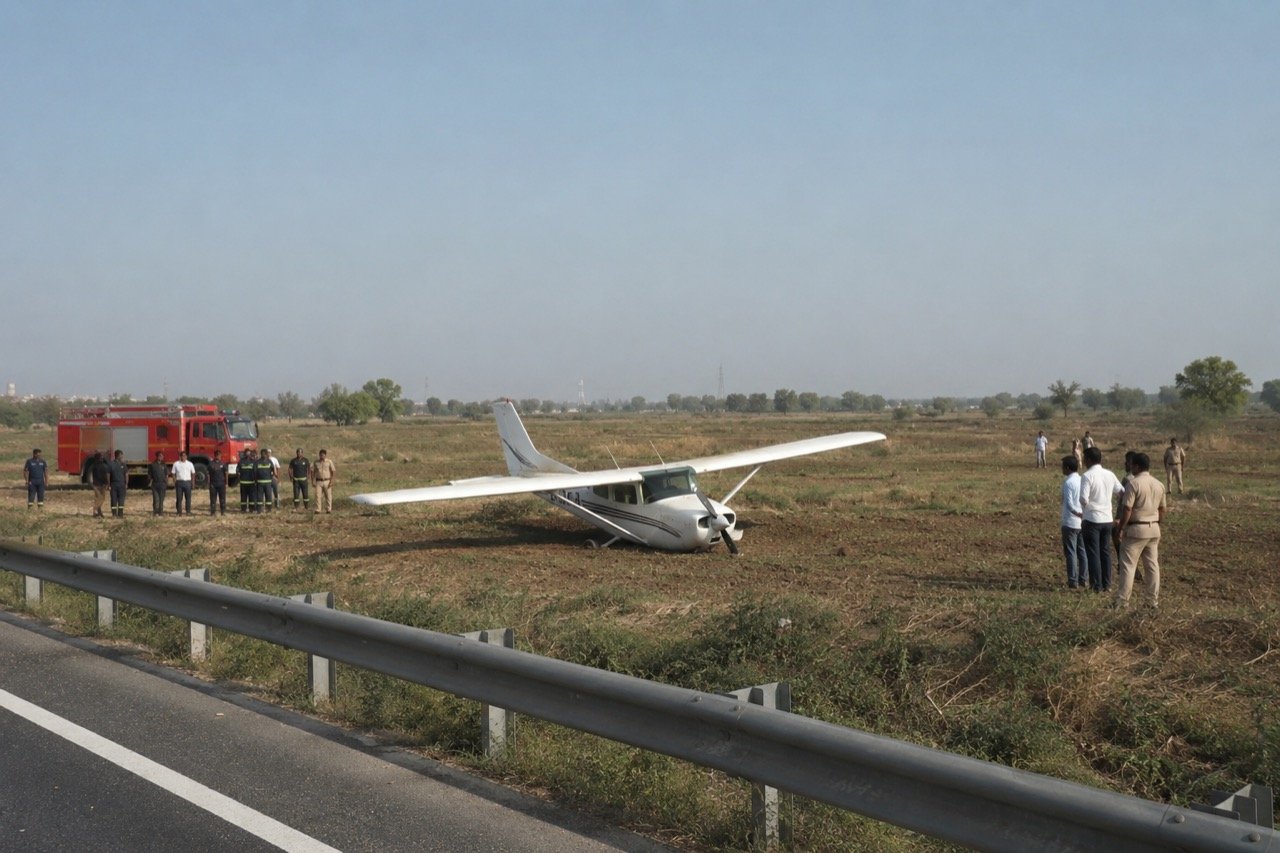
Trainee Pilot Safe as Cessna Crash-Lands Near UP Highway
A Cessna 152 on a solo training flight from Aligarh crash-landed in a field near a highway in Uttar Pradesh's Kasganj area, with the trainee pilot unharmed and the DGCA opening an investigation.
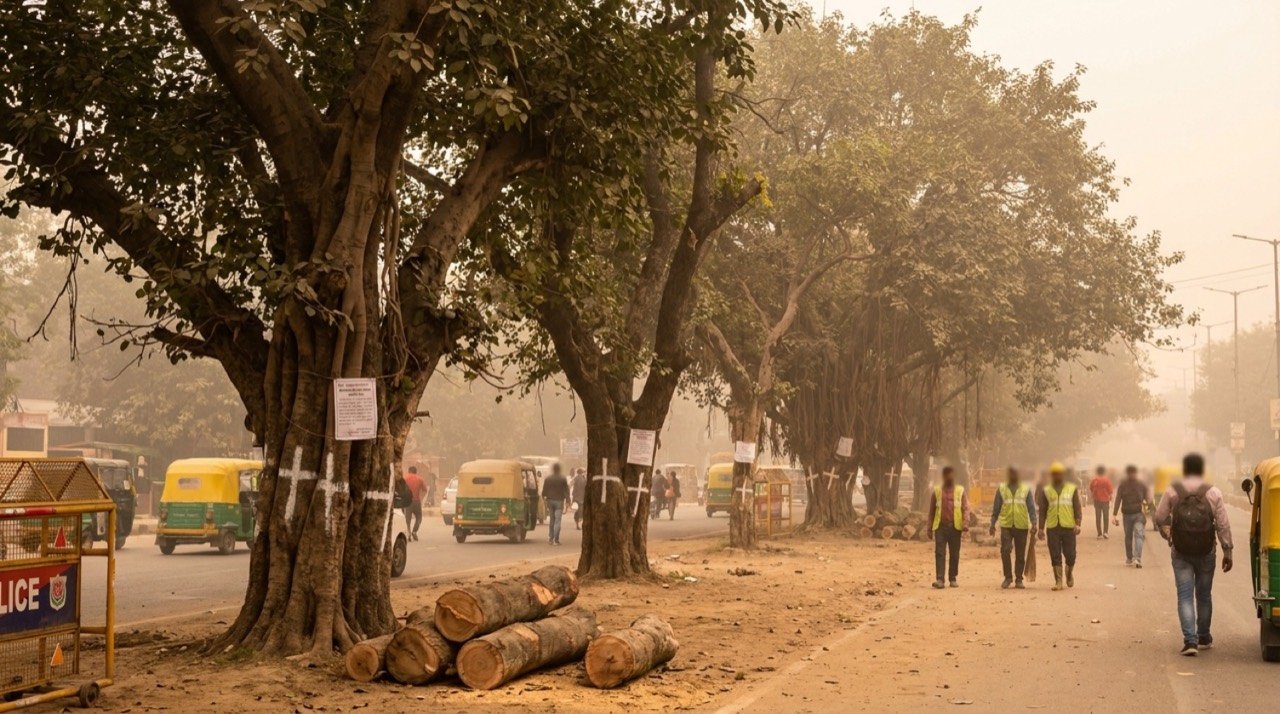
Delhi's New Tree-Cutting SOP Adds Video Evidence and Arrest Warning
Delhi is preparing a tougher standard operating procedure for illegal tree felling, with video recording of enforcement and arrest warnings, as the capital battles heat, pollution and shrinking green cover.
More from this section
More
AICTE Industry Fellowship 2026: Rs 1.5 Lakh Scheme Closes July 5
The AICTE Industry Fellowship Programme 2026, which places technical-education faculty inside leading companies on a Rs 1.5 lakh monthly stipend, reached its application deadline on July 5.
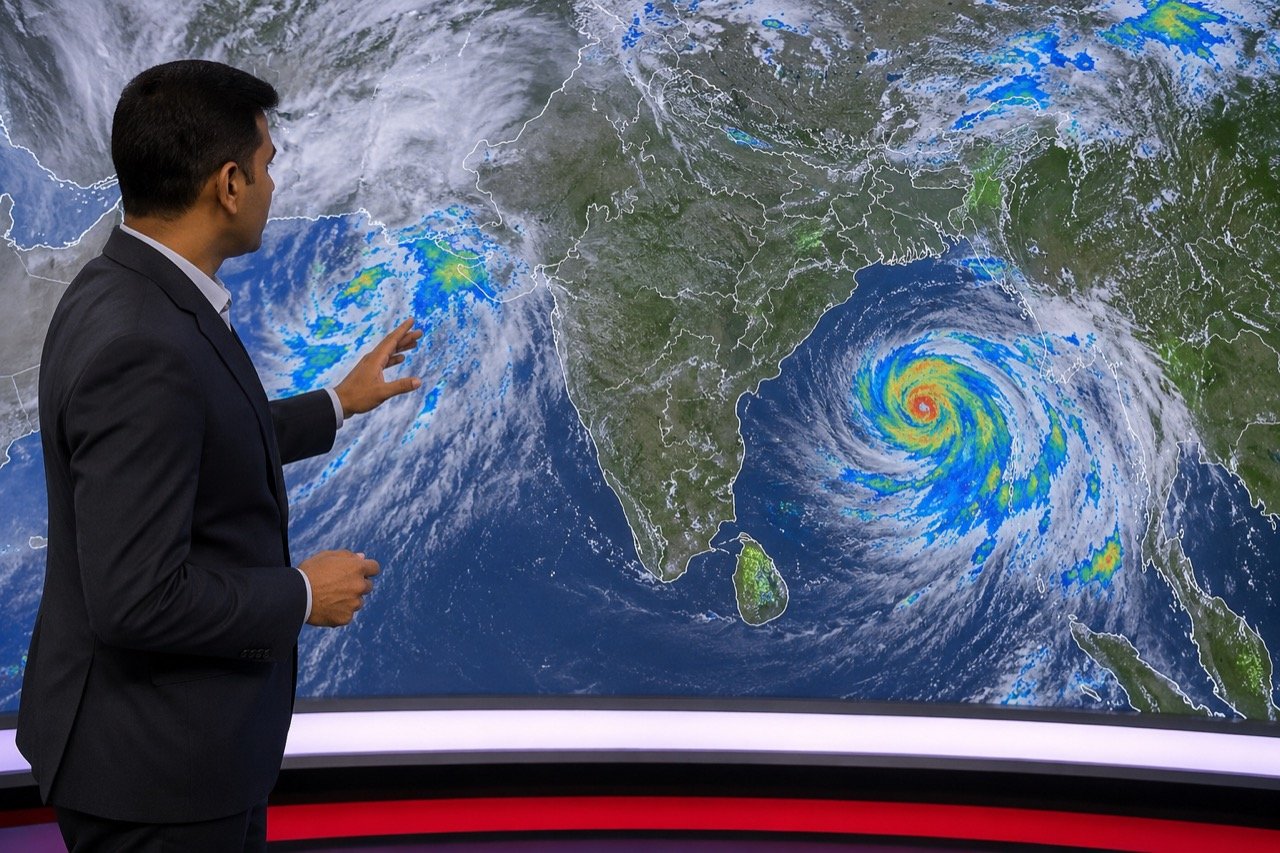
Bay of Bengal Low Pressure System Revives Monsoon Over Western India
A low-pressure system over the Bay of Bengal has pushed the monsoon back into an active phase, bringing steady heavy rain to Kerala, coastal Karnataka and Maharashtra, and putting Mumbai and Pune on preparedness watch.
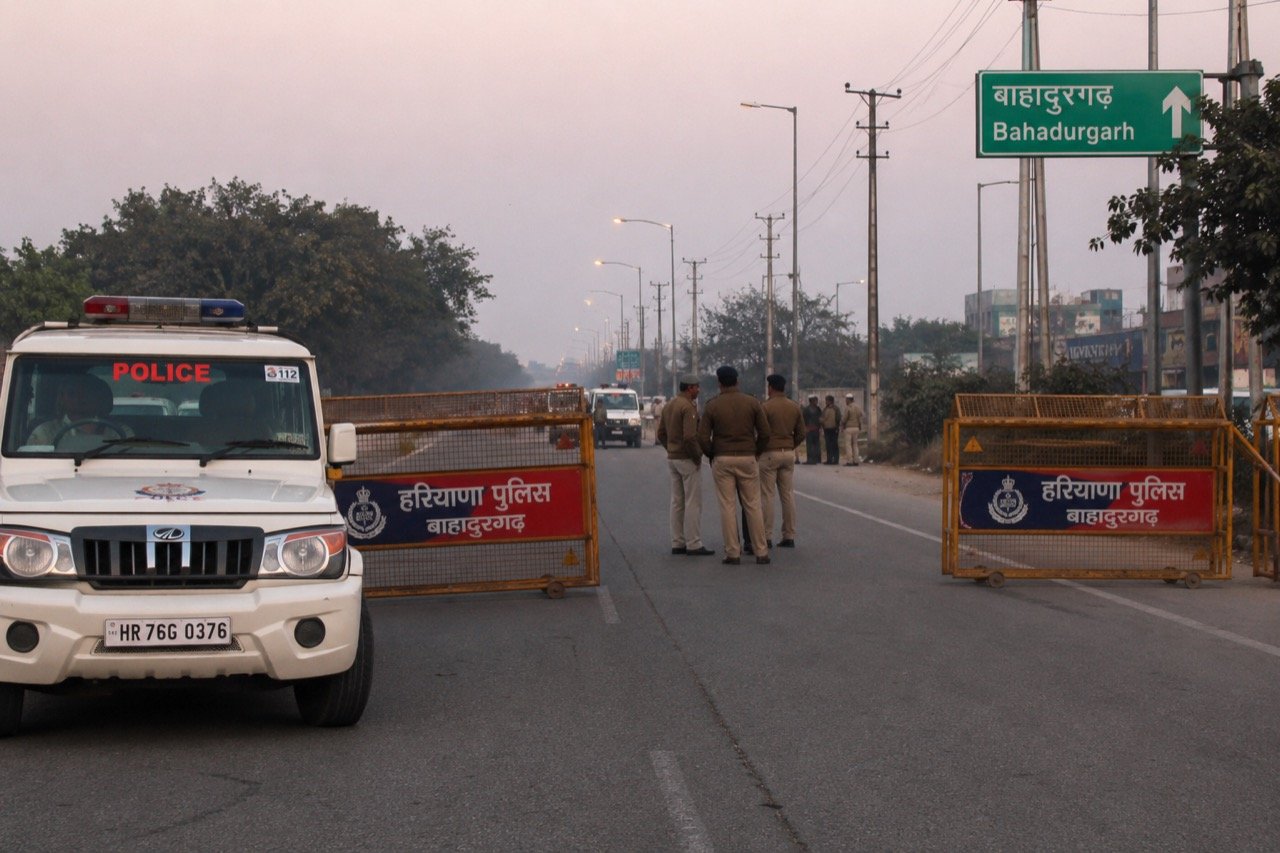
Bishnoi Gang Suspects Injured in Haryana Encounter as Police Tighten Net
A joint Haryana-Delhi Police operation in Bahadurgarh left two suspected Lawrence Bishnoi gang members injured, spotlighting the multi-state coordination now central to India's fight against organised crime networks.