Indian Airlines May Roll Back Fuel Surcharges as Oil Prices Ease
Air travellers in India could see fare relief as carriers review fuel surcharges following a decline in aviation turbine fuel and crude oil prices, though demand and airport charges may temper any cuts.
Commentary & Analysis ·
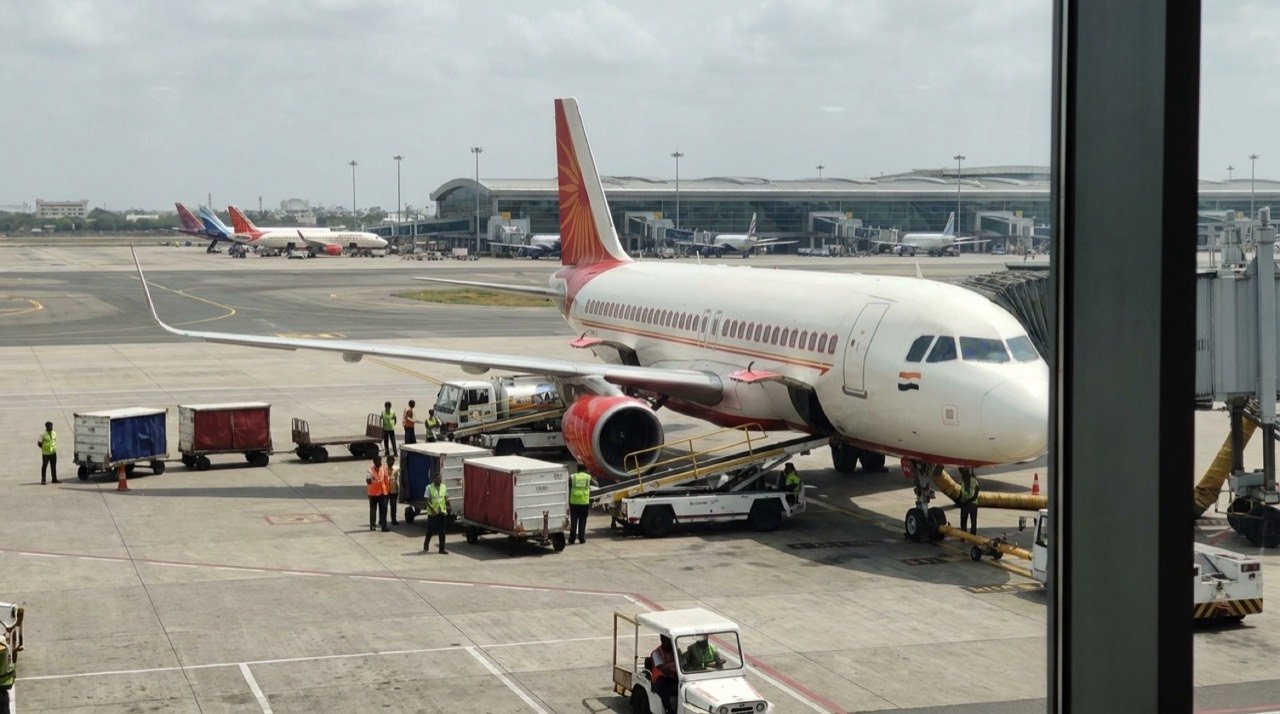
Indian air travellers may be in line for some relief on ticket prices, with reports suggesting that carriers could roll back fuel surcharges after a decline in aviation turbine fuel (ATF) and crude oil prices. After months of elevated input costs, airlines are said to be reviewing their fare structures, a move that consumers and the government alike will watch closely. It is a modest development on paper, but one that touches a nerve familiar to anyone who has booked a domestic flight in India in recent years and watched the final fare balloon well beyond the advertised base price.
Why fuel prices drive fares
Fuel is one of the single largest cost components for any airline, often accounting for a substantial share of operating expenses. Because of this, even a modest movement in ATF or crude prices can ripple through ticket pricing, route planning and the thin margins on which carriers operate. Airlines in India, like their global peers, run on wafer-thin margins even in good years, and fuel is the one major cost line that moves independently of anything the airline itself does. Unlike staffing, leasing or airport charges, which tend to be contractually fixed over a horizon of months or years, fuel costs can swing week to week with global crude benchmarks and refining margins. That volatility is precisely why airlines built the surcharge mechanism in the first place: it lets them adjust pricing quickly in response to input costs without renegotiating base fares. When fuel costs rise, airlines frequently pass them on through surcharges; when they fall, there is pressure, both commercial and political, to return some of that benefit to passengers. This is the crux of the current story. Reports of an easing in ATF and crude prices have naturally raised expectations that the surcharges layered onto tickets over recent months could now be trimmed or withdrawn.
Not every ticket will get cheaper
A rollback, however, would not automatically make all fares cheaper. Ticket prices are shaped by a mix of factors beyond fuel, including passenger demand, airport charges and seat availability on a given route and date. During peak travel periods, strong demand and limited seats can keep fares high even when underlying costs ease. This is an important qualifier, because it tempers what might otherwise be read as a blanket price cut across the board. Airlines price dynamically, adjusting fares in near real time based on how quickly seats are selling on a given flight. A surcharge rollback changes one input into that pricing model, but it does not override the others. A flight on a popular route at a convenient time, with few seats left, can still command a premium fare even if the fuel-linked component of the fare has been reduced. The clearest impact may be felt on routes and seasons where competition is sharper and capacity less constrained, meaning that leisure travellers booking well in advance on less contested routes are more likely to notice a difference than business travellers booking last-minute on high-demand corridors.
Why the signal still matters
Even so, any public signal on cutting fuel surcharges would carry weight. High airfares have been a recurring public concern, particularly during festive and holiday rushes, when spikes in demand collide with limited capacity to produce fares that draw public criticism and, at times, government scrutiny. Keeping domestic flying affordable remains a policy priority for the government, which has periodically weighed in on airfare levels, especially around major travel periods. A rollback in fuel surcharges, even a partial one, offers airlines a visible way to demonstrate responsiveness to that pressure without necessarily reshaping their broader fare architecture. For an industry that operates under close public and regulatory attention, the optics of passing on cost relief matter almost as much as the financial substance of doing so.
Stakeholder perspectives
From the airlines' vantage point, the calculus is not straightforward. Carriers have absorbed months of elevated fuel costs and will be inclined to use any relief to rebuild margins before extending it to passengers. From the traveller's vantage point, the expectation is simpler: if the cost of flying us has gone down, the price of the ticket should reflect that. Regulators and the government sit somewhere in between, keen to see affordability improve without wanting to dictate commercial pricing outright. This is where the surcharge mechanism becomes a point of friction. Because surcharges are levied and withdrawn at the airlines' discretion, and because the underlying cost calculations are not typically published in a transparent, auditable form, passengers have little way of verifying whether a surcharge reduction genuinely mirrors the scale of the underlying fuel price decline, or merely gestures towards it.
What to watch next
Whether the easing in fuel costs ultimately reaches passengers will depend on how airlines balance margin recovery against competitive pressure. If one major carrier moves first to cut surcharges, competitive dynamics could push others to follow, particularly on overlapping routes. Conversely, if demand remains robust across the network, there may be limited commercial incentive for airlines to move quickly, regardless of what crude prices are doing. Watch also for any commentary from the Directorate General of Civil Aviation (DGCA) or the aviation ministry, since government attention to airfare levels has, in the past, been a factor prompting carriers to act sooner rather than later. For now, travellers can hope that softer oil markets translate into at least selective relief at the ticket counter, though the more realistic expectation is a patchwork of adjustments rather than a uniform, across-the-board fare reduction.
The NE Times View
Surcharges go up like rockets and down like feathers, so flyers are right to be sceptical that softer crude will quickly translate into cheaper tickets. With airport charges rising and demand robust, carriers have every incentive to pocket the savings rather than pass them through in full. The asymmetry is not new, and it is not unique to Indian aviation, but it is felt acutely here given how central air travel has become to a growing middle class that increasingly treats flying as a routine rather than a luxury. The real test of fair pricing is whether the DGCA pushes for transparency on how surcharges are calculated and passed on. Absent that transparency, any rollback risks being a gesture rather than a genuine and verifiable transfer of cost savings to the passenger, and the public will have every reason to remain unconvinced until the numbers are made clear.
Key takeaways
- Carriers are reportedly reviewing fare structures as ATF and crude oil prices decline, raising hopes of a fuel surcharge rollback.
- Fuel remains one of the largest cost components for airlines, so price movements there have an outsized effect on fares.
- A rollback will not lower every ticket, since demand, seat availability and airport charges continue to shape final prices.
- Affordable domestic flying remains a recurring public and policy concern, particularly during festive travel periods.
- Transparency from the DGCA on how surcharges are calculated and passed on will be the real test of whether savings reach passengers.
You may also like to read

Rupee Claws Back To 94.55 As US-Iran Deal Hopes Ease Oil Fears
The rupee recovered to around 94.55 against the dollar by mid-June 2026, rebounding from a record low near 97 as reports of a US-Iran agreement to reopen the Strait of Hormuz lifted sentiment.

IndiGo Charts Path To 550-Plus Aircraft And 200 Million Passengers By 2030
At its June analyst day, IndiGo laid out an audacious blueprint to grow its fleet beyond 550 aircraft and nearly double international capacity, aiming to carry 200 million passengers a year by fiscal 2030.
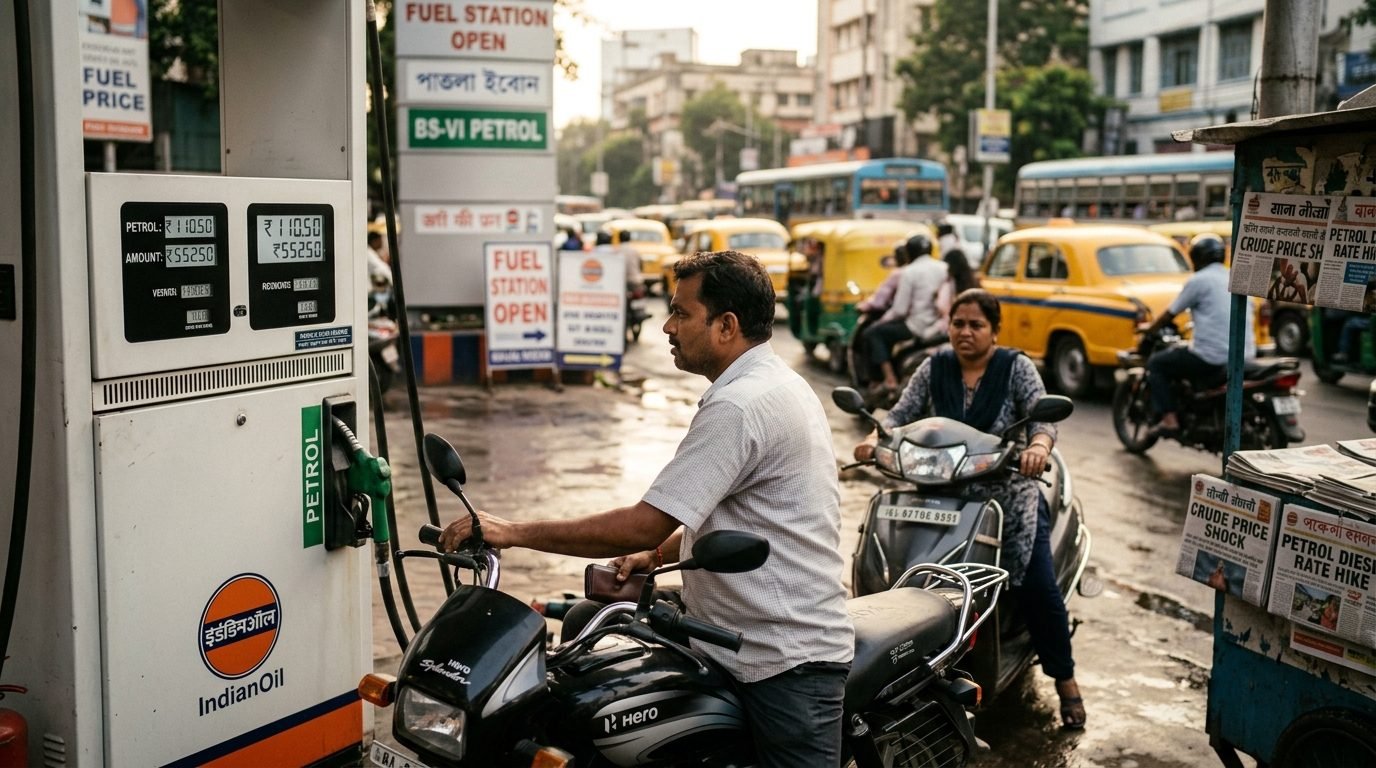
Oil Shock Tests India: Fuel Hikes, Wider Deficit Risk Loom Over Recovery
A West Asia-driven crude spike forced India's first petrol and diesel price hikes in four years and revived fears of a wider current account deficit, even as hopes of a US-Iran deal offered a lifeline.

Gold Prices Ease Across Indian Cities: What the July 4 Dip Means
Gold rates for 24-karat and 22-karat metal edged lower across Delhi, Mumbai, Bengaluru, Chennai and Hyderabad on July 4, offering a window for buyers weighing jewellery and investment purchases.
More from this section
More
Adani Case: US DOJ Pushes for Permanent Dismissal of Charges
The US Department of Justice has urged a judge to permanently dismiss charges against Gautam Adani, calling the case legally flawed — a reversal with consequences for markets, diplomacy and cross-border enforcement.
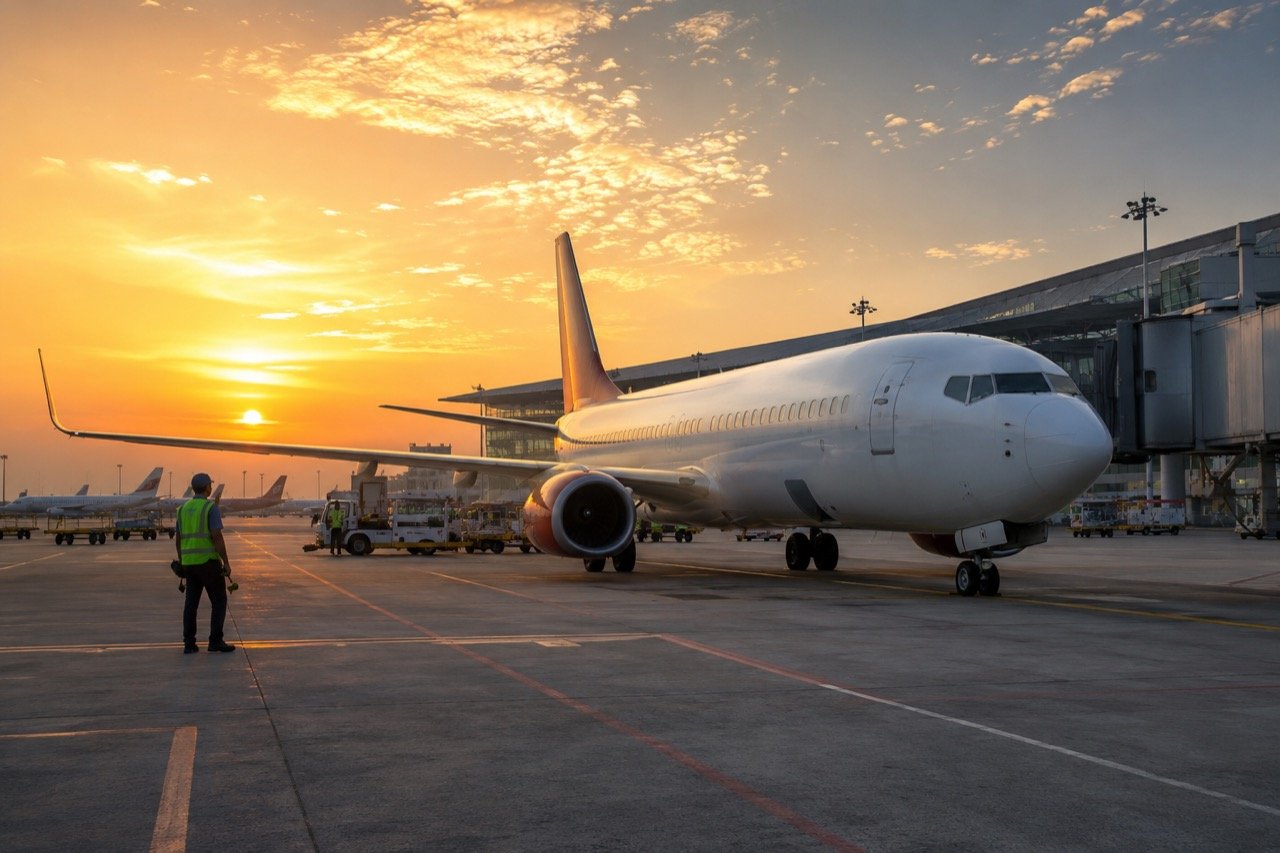
Akasa Air Inducts 40th Aircraft in Indian Aviation Scale-Up
Akasa Air's 40th aircraft, ferried to Bengaluru via Seattle, Reykjavik and Cairo, marks a fleet milestone for the young carrier and a fresh signal that India's aviation market remains firmly in expansion mode.
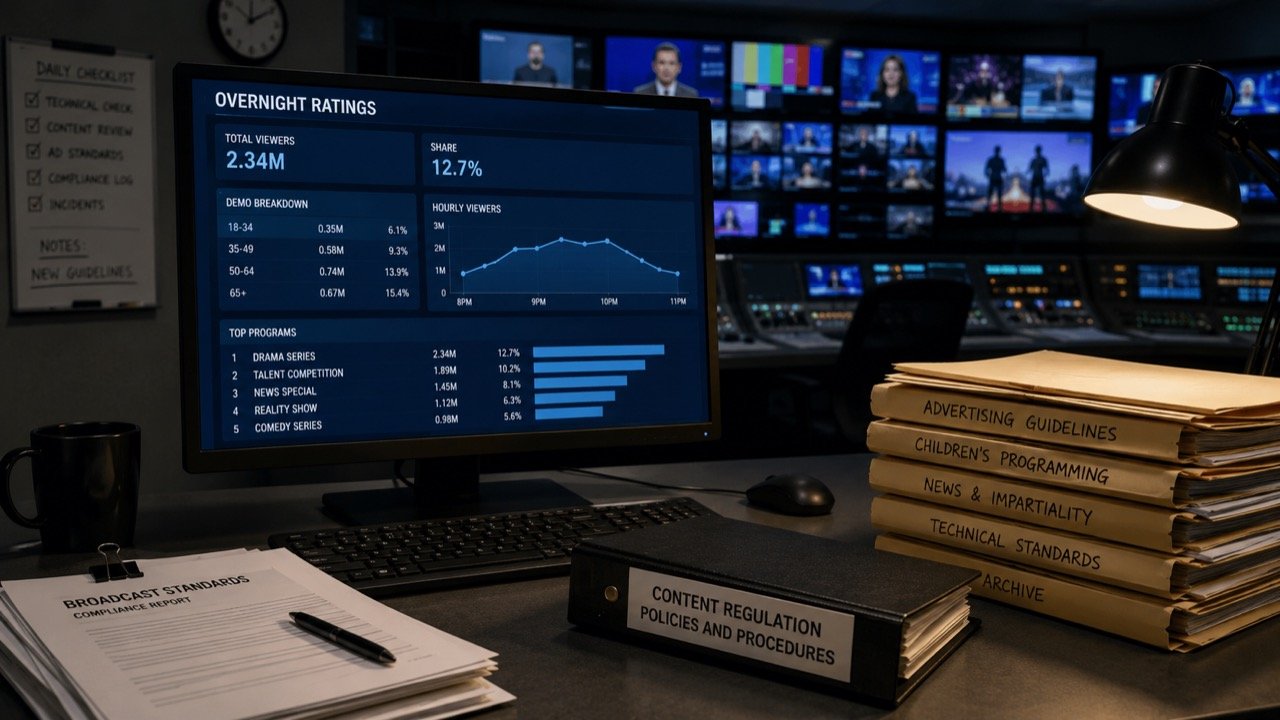
BARC Ratings Suspension Leaves Indian TV Industry Flying Blind
BARC's pause on television ratings has put India's broadcast measurement system under fresh scrutiny, leaving broadcasters, advertisers and media planners without the weekly audience data that anchors the TV economy.