Crude Slides Below $75 As Peace Hopes Ease India's Import Bill
Oil prices have tumbled for five straight sessions on expectations of a US-Iran agreement, offering rare relief to India's import-heavy economy after weeks of supply-shock fears.
Commentary & Analysis ·
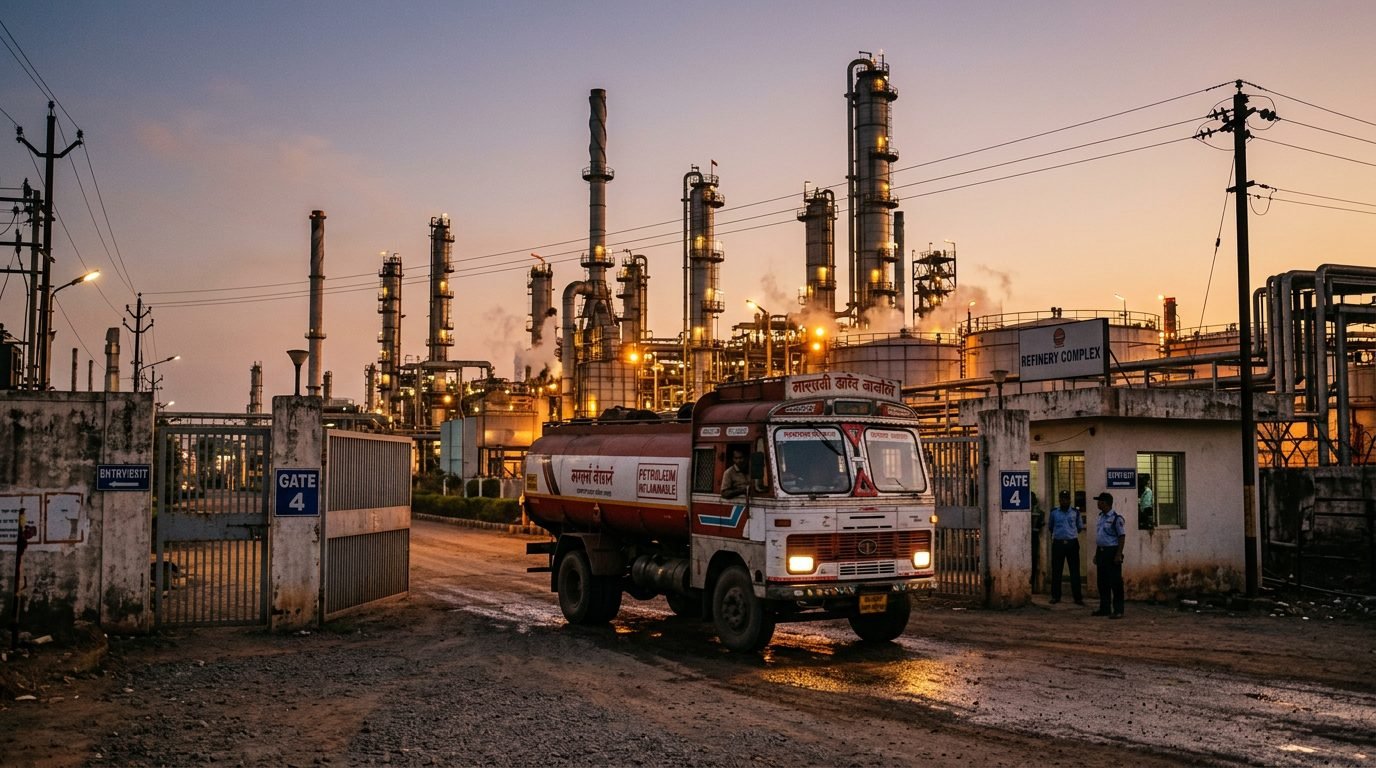
Global crude prices have slid sharply towards $75 a barrel, falling for a fifth straight session to their lowest level since early March, as markets bet that a peace agreement between the United States and Iran would reopen disrupted shipping lanes. For India, the world's third-largest oil importer, the retreat is a welcome reversal after weeks of war-driven spikes.
From $105 fears to a sharp pullback
Only days earlier, forecasters had warned of Brent averaging around $105 a barrel through June and July, with the Strait of Hormuz effectively constrained and Middle Eastern producers cutting output by more than 11 million barrels a day. Inventories in OECD countries had fallen to their lowest since 2003. The prospect of a deal flipped sentiment quickly, with prices dropping nearly 4 per cent on June 15 to dip below $84 before sliding further.
The US Energy Information Administration noted that softening global demand, particularly across Asia, was helping cap price increases even as supply remained tight.
Direct relief for the Indian economy
India imports the bulk of its crude, so every sustained dollar of decline trims the import bill, narrows the current-account gap and eases pressure on the rupee. The earlier surge had pushed retail inflation up to 3.93 per cent in May from 3.48 per cent in April, while wholesale price inflation accelerated to 9.68 per cent, driven by fuel and food.
- Crude fell for five consecutive sessions to its lowest since early March.
- Forecasts had earlier pencilled in Brent near $105 amid Hormuz disruption.
- India's May retail inflation rose to 3.93%, with WPI at 9.68%.
- A lower oil bill supports the rupee and narrows the current-account deficit.
- New Delhi may resume Iranian crude and gas imports if peace holds.
What it means going forward
Economists caution that the relief is conditional on the ceasefire converting into a durable settlement. A collapse back into conflict could quickly send prices towards triple digits again; analysts have warned that Brent averaging $100 in 2026 could drag global growth to 1.7 per cent, well below pre-war projections. For policymakers in New Delhi, cheaper energy also widens room for the Reserve Bank of India on rates and softens the squeeze on household budgets.
If the truce sticks, India stands to regain access to cheaper Gulf barrels and shorter shipping routes, reducing the costly reliance on Russian and Venezuelan crude that carried heavy transport premiums during the crisis. The next few weeks of diplomacy will decide whether this is a turning point or a temporary respite.
The NE Times View
Five sessions of falling crude on peace hopes is welcome relief, but a price built on expectation can reverse the moment talks falter. The NE Times View: cheaper oil eases India's import bill, inflation and the rupee, and the government should use this window to rebuild reserves and trim fuel subsidies rather than treat a hopeful market as a permanent dividend.
This article is original commentary and analysis by The NE Times. Background facts were referenced from Business Standard and Mint.
You may also like to read
Central Bank 'Super Week' Exposes Deep Rift in Global Monetary Policy
Five major central banks set rates within eight days as an oil shock pushes the ECB to hike, the Fed to hold amid dissent and the Bank of Japan toward a defensive move.

Sensex Jumps 1,695 Points as Oil Slides on Peace-Deal Hopes
Indian equities staged one of their strongest sessions of the year after crude prices fell on reports of a possible US-Iran agreement, easing pressure on the oil-importing economy.

Trump Officials Forecast US Boom As Fed Independence Comes Under Strain
Washington is projecting rapid growth and rate cuts for 2026, but the looming succession at the Federal Reserve has raised global concerns over the central bank's independence.

Rupee Claws Back To 94.55 As US-Iran Deal Hopes Ease Oil Fears
The rupee recovered to around 94.55 against the dollar by mid-June 2026, rebounding from a record low near 97 as reports of a US-Iran agreement to reopen the Strait of Hormuz lifted sentiment.
More from this section
More
India-New Zealand Ties: Visit Plans Put FTA and Diplomacy in Focus
Reports of a planned high-level India-New Zealand engagement have revived attention on free trade talks, professional mobility and Indo-Pacific cooperation between two partners with clear room to grow.

Modi Greets Trump on US 250th Independence Day, Hails Partnership
Prime Minister Narendra Modi marked America's 250th Independence Day with a message to President Trump, saying the next 250 years should lift the India-US partnership to new heights.

India Watches Dhaka's China-Backed Teesta Plan as Stakes Rise
New Delhi is closely tracking Bangladesh's proposal to develop the Teesta river with Chinese assistance, a move that revives one of South Asia's most sensitive water-sharing disputes and tests regional strategic trust.