Oil Shock Tests India: Fuel Hikes, Wider Deficit Risk Loom Over Recovery
A West Asia-driven crude spike forced India's first petrol and diesel price hikes in four years and revived fears of a wider current account deficit, even as hopes of a US-Iran deal offered a lifeline.
Commentary & Analysis ·
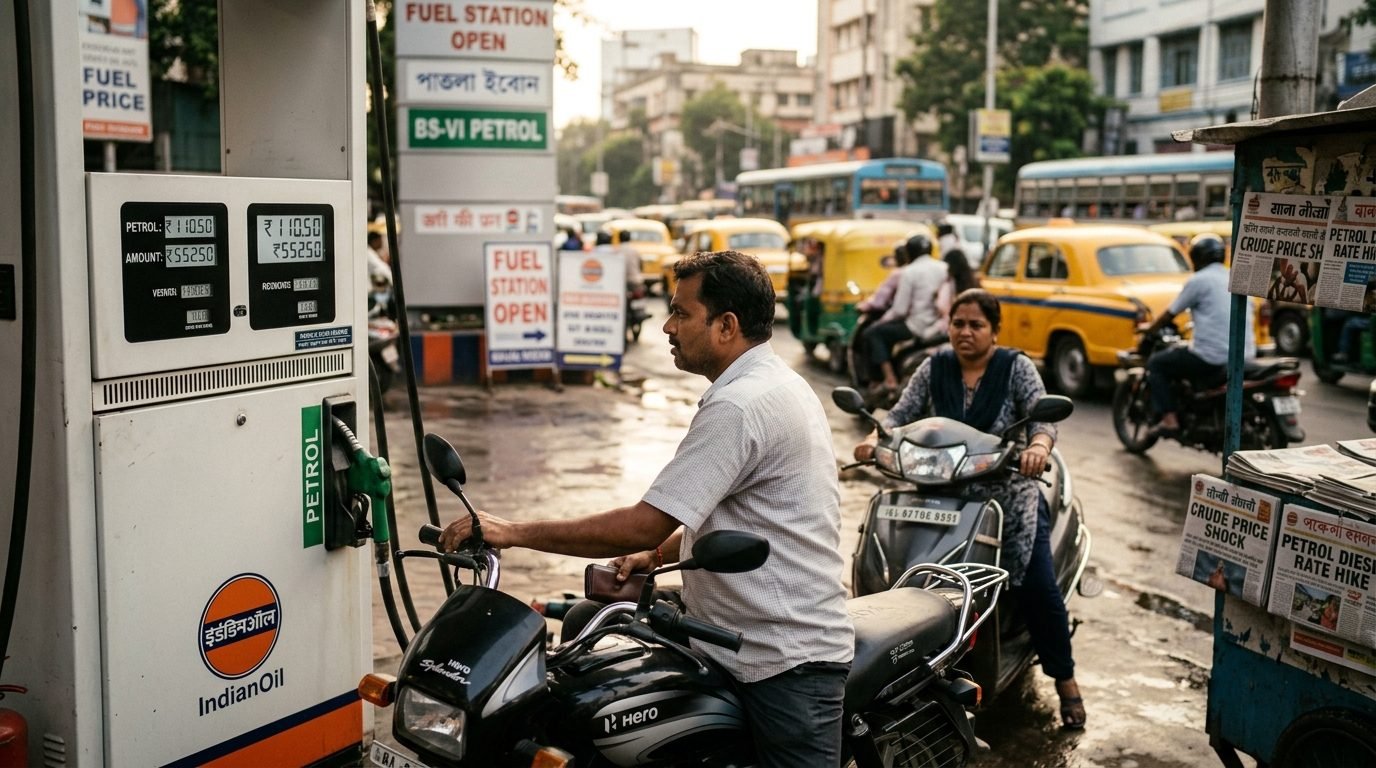
For an economy that imports the overwhelming majority of the oil it burns, the West Asia flare-up has been an unwelcome stress test. The conflict drove crude prices sharply higher through May and early June, forcing state-run retailers to raise fuel prices for the first time in four years and reawakening old anxieties about India's external balance just as growth was firing on all cylinders.
Fuel hikes return
In May, oil marketing companies lifted petrol and diesel prices by about Rs 3 a litre, the first such increase since the conflict began and the first in four years, with revisions continuing through the month. The pass-through showed up immediately in wholesale data, where fuel and power inflation ran close to 30%, dragging headline WPI to 9.68% in May.
The pump-price move ended a long stretch of stability that had shielded consumers and helped tame inflation, and signalled that retailers could no longer absorb the import bill on their own.
The deficit math
Economists at HDFC Bank cautioned that even without a physical supply disruption, near-term oil spikes could pressure the rupee and widen the current account deficit, estimating that a sustained $10-per-barrel rise could widen the gap by 40-50 basis points. A heavier import bill also drains foreign exchange and complicates the inflation outlook the RBI is trying to manage.
- Petrol and diesel prices rose about Rs 3 a litre in May, the first hike in four years.
- Fuel and power WPI inflation ran near 30% in May.
- A sustained $10/bbl crude rise could widen the CAD by 40-50 bps.
- US-Iran deal to reopen the Strait of Hormuz reportedly due June 19.
A possible reprieve
The clearest path to relief runs through diplomacy. A US-Iran agreement to end the conflict and reopen the Strait of Hormuz, reportedly to be signed in Switzerland on June 19, would ease the energy, currency and aviation pressures that the standoff transmitted to India. Crude has already pulled back from its highs on the prospect.
“India weathered the spike without a balance-of-payments scare, but the episode is a reminder of how exposed we remain to a single chokepoint half a world away.”
— Macro economist at a research firm
If the deal holds and oil settles lower, the fuel-price increases could prove temporary and the deficit risk may recede. But the episode has underscored why energy security and import diversification remain at the heart of India's macro vulnerabilities, even in a year of near-8% growth.
The NE Times View
The first fuel hikes in four years puncture a politically convenient calm and expose how exposed India's recovery remains to crude. A wider current account deficit would pressure the rupee and inflation together, a difficult combination for the RBI. A US-Iran deal may yet cap the damage, but hope is not a strategy. This episode should accelerate, not delay, India's push to cut oil dependence.
This article is original commentary and analysis by The NE Times. Background facts were referenced from Business Standard and the Hindustan Times.
You may also like to read
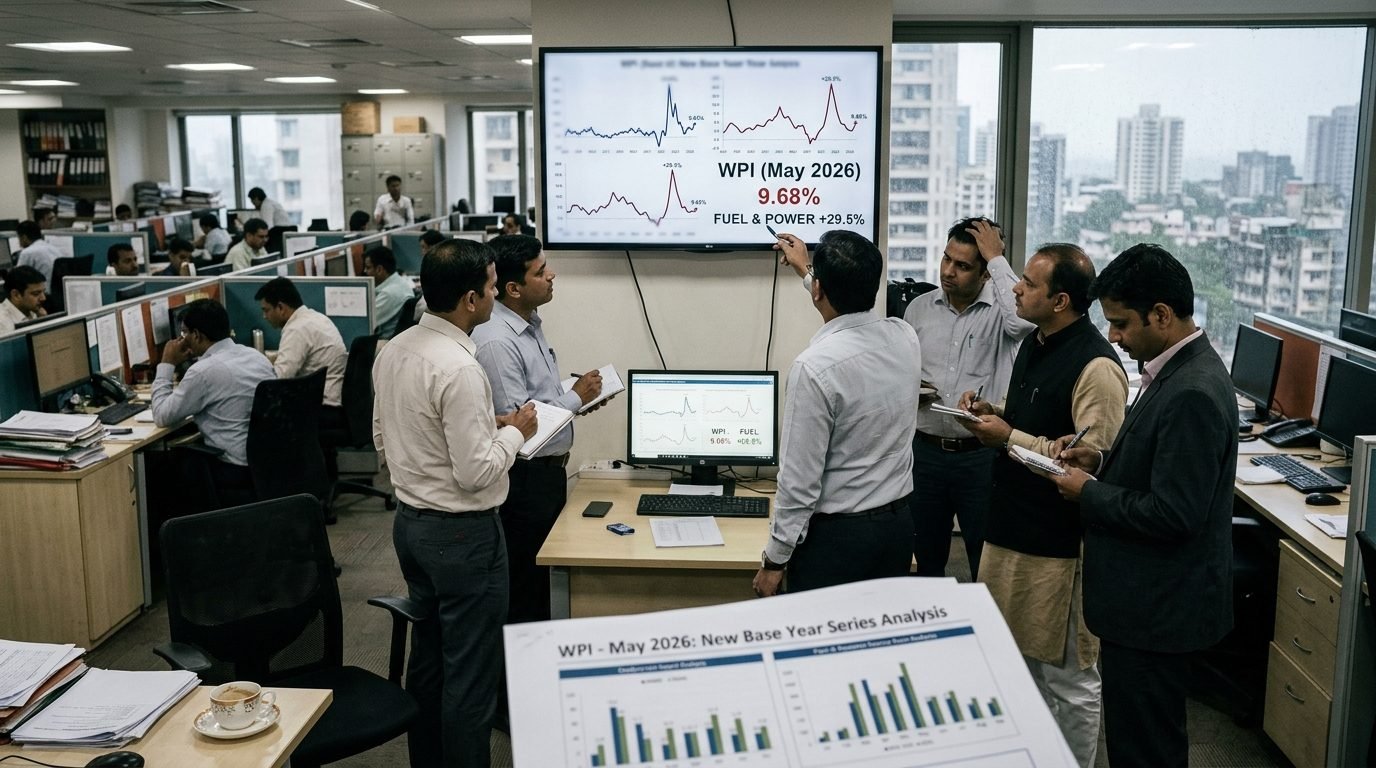
India's Wholesale Inflation Jumps To 9.68% In May As New 2022-23 Base Year Debuts
Wholesale price inflation surged to 9.68% in May 2026 from 8.26% in April, driven by a near-30% spike in fuel and power, even as the government unveiled a revamped 2022-23 base-year series.

India's Retail Inflation Edges Up to 3.93% in May on Costlier Food
Headline CPI rose from April's 3.48% as food inflation climbed to 4.78%, with tomato and personal-care prices among the biggest pressure points.
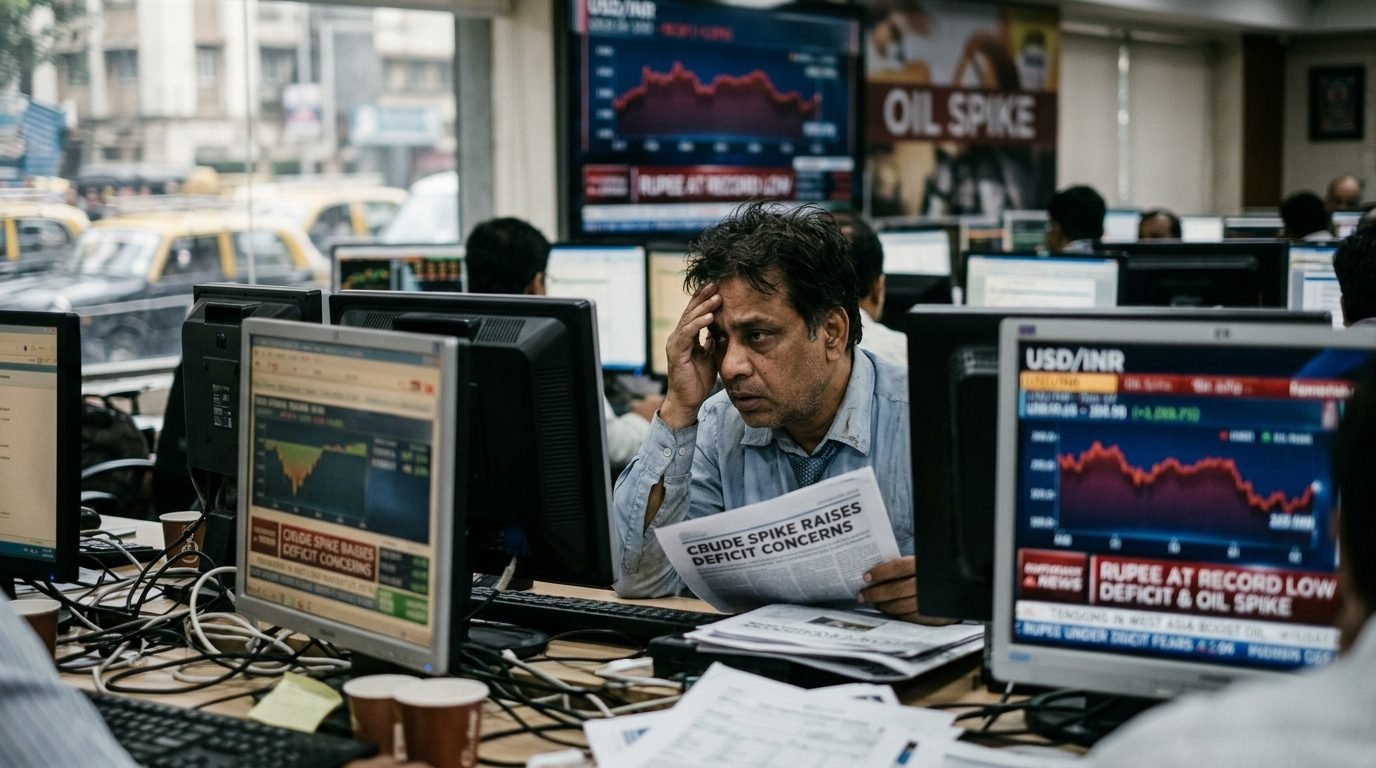
Crude spike from West Asia conflict pins rupee near record low, widens deficit fears
Surging oil prices have revived pressure on the currency and the current account, exposing India's enduring vulnerability to energy shocks.
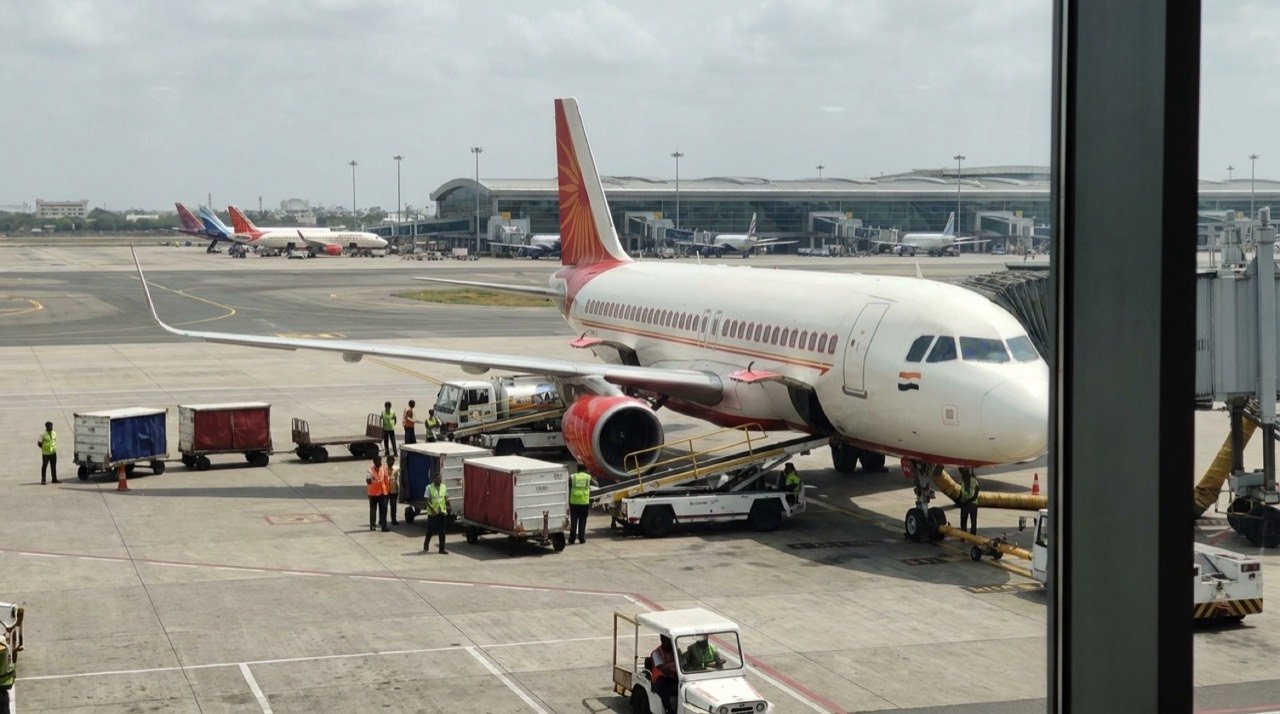
Indian Airlines May Roll Back Fuel Surcharges as Oil Prices Ease
Air travellers in India could see fare relief as carriers review fuel surcharges following a decline in aviation turbine fuel and crude oil prices, though demand and airport charges may temper any cuts.
More from this section
More
Adani Case: US DOJ Pushes for Permanent Dismissal of Charges
The US Department of Justice has urged a judge to permanently dismiss charges against Gautam Adani, calling the case legally flawed — a reversal with consequences for markets, diplomacy and cross-border enforcement.

Akasa Air Inducts 40th Aircraft in Indian Aviation Scale-Up
Akasa Air's 40th aircraft, ferried to Bengaluru via Seattle, Reykjavik and Cairo, marks a fleet milestone for the young carrier and a fresh signal that India's aviation market remains firmly in expansion mode.

BARC Ratings Suspension Leaves Indian TV Industry Flying Blind
BARC's pause on television ratings has put India's broadcast measurement system under fresh scrutiny, leaving broadcasters, advertisers and media planners without the weekly audience data that anchors the TV economy.