Central Bank 'Super Week' Exposes Deep Rift in Global Monetary Policy
Five major central banks set rates within eight days as an oil shock pushes the ECB to hike, the Fed to hold amid dissent and the Bank of Japan toward a defensive move.
Commentary & Analysis ·
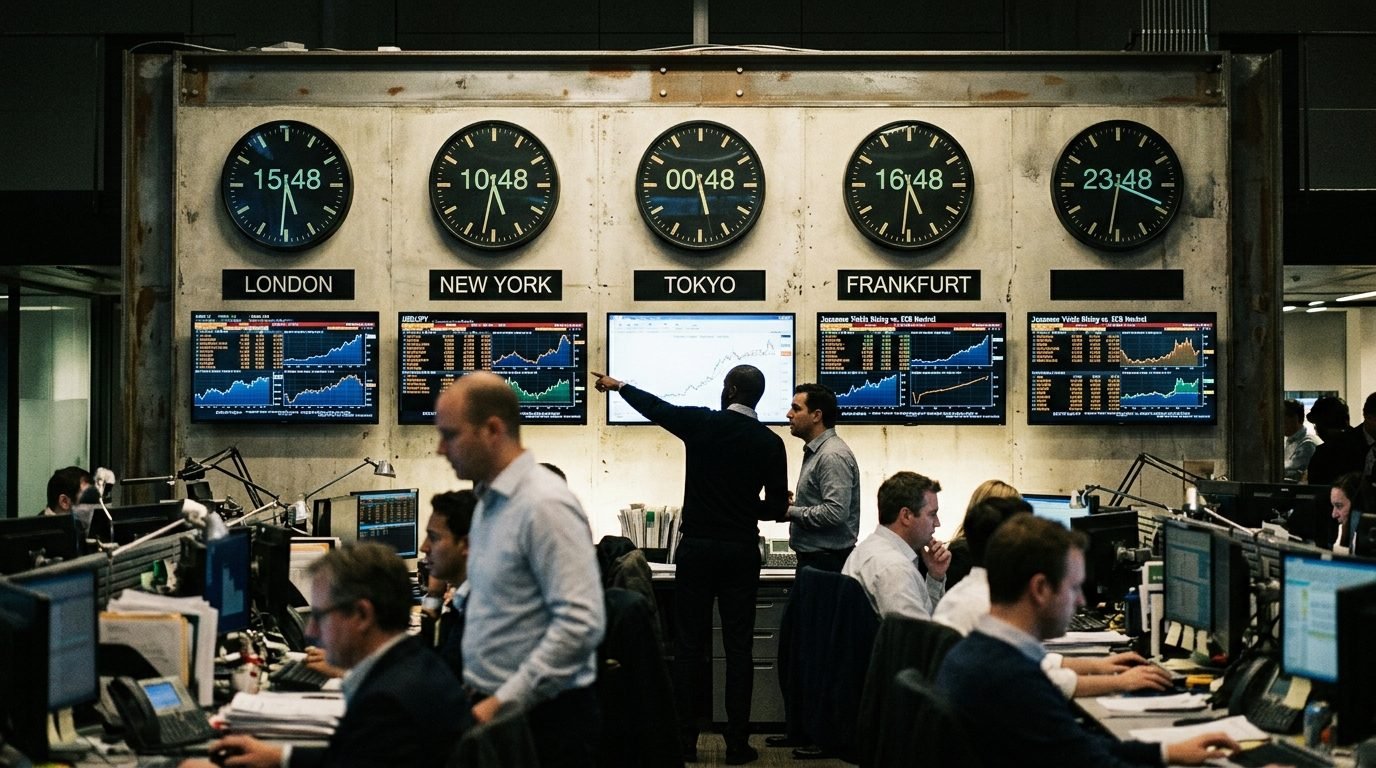
Five of the world's most influential central banks, the Bank of Canada, the European Central Bank, the Bank of Japan, the US Federal Reserve and the Bank of England, are delivering interest-rate decisions between 10 and 18 June, in one of the most consequential clusters of monetary policy meetings in years. Rarely do so many of the institutions that steer the global financial system reveal their hands within such a short window, and the timing has turned an ordinary stretch of the calendar into a genuine super week for markets.
Analysts say a recent surge in energy prices linked to disruption around the Strait of Hormuz has shattered the rough consensus that prevailed earlier in the cycle, leaving policymakers pulling in different directions. The narrow waterway is one of the world's most important conduits for oil and gas, and any threat to the flow of energy through it feeds quickly into fuel costs, inflation expectations and the calculations of every rate-setting committee.
Diverging paths
The European Central Bank moved to lift its deposit rate by a quarter point as an insurance measure against an inflation overshoot, choosing to act pre-emptively rather than risk letting price pressures take hold. The Federal Reserve, by contrast, was widely expected to hold its benchmark steady, with attention focused on a closely split committee whose internal divisions signal how finely balanced the outlook has become.
The Bank of Japan faced a different pressure altogether, weighing a rate rise largely to support a weakening yen rather than to tame domestic inflation. After years as an outlier with ultra-low rates, the Japanese central bank now finds its currency caught between the pull of higher rates abroad and the constraints of its own economy.
An oil shock reshapes the calculus
Energy is the thread connecting these decisions. A jump in oil and gas prices raises the cost of nearly everything, lifting headline inflation while simultaneously threatening growth, which leaves central banks torn between fighting price rises and protecting their economies. That tension is precisely why the once-shared sense of direction has fractured into divergent responses.
- Bank of Canada, ECB, Bank of Japan, US Federal Reserve and Bank of England all deciding rates between 10 and 18 June
- ECB raised its deposit rate by a quarter point as insurance against an inflation overshoot
- The Federal Reserve was widely expected to hold steady amid a closely split committee
- The Bank of Japan faced pressure to raise rates to support a weakening yen
- Surging energy prices tied to Strait of Hormuz disruption upended the earlier consensus
Why it matters for India
The outcomes carry weight far beyond the issuing economies. For India and other emerging markets, shifts in global borrowing costs, currency values and capital flows ripple through trade, fuel import bills and equity markets. When major central banks diverge, investors reposition rapidly, and that churn can mean volatile exchange rates and sudden swings in the cost of capital for developing economies.
India, as a large importer of crude oil, is especially exposed to the energy shock at the heart of this episode. Higher global fuel prices widen the import bill, pressure the rupee and feed into domestic inflation, leaving Indian policymakers to navigate the same crosscurrents that have split their peers abroad.
The week's decisions are unlikely to settle the bigger questions hanging over the world economy. With energy prices uncertain and central banks visibly out of step, markets will remain sensitive to every signal from the Strait of Hormuz and every word from policymakers, and the divergence on display this June may prove a preview of a longer, more fragmented chapter in global monetary policy.
The NE Times View
An oil shock splitting the ECB, Fed and Bank of Japan into hiking, holding and defending is the clearest sign yet that the era of synchronised global policy is over. For India, that divergence means volatile capital flows and a rupee buffeted by forces beyond the RBI's control. The NE Times View: Mint Street must prize flexibility over dogma, because in a fractured monetary world, agility beats any fixed playbook.
This article is original commentary and analysis by The NE Times. Background facts were referenced from ING, Investing.com.
You may also like to read

Crude Slides Below $75 As Peace Hopes Ease India's Import Bill
Oil prices have tumbled for five straight sessions on expectations of a US-Iran agreement, offering rare relief to India's import-heavy economy after weeks of supply-shock fears.

WHO Declares Global Emergency as Ebola Spreads in Central Africa
An outbreak of the Bundibugyo strain of Ebola in the Democratic Republic of Congo and Uganda has surpassed previous records, with hundreds of cases and a mounting death toll prompting an international response.

Trump Officials Forecast US Boom As Fed Independence Comes Under Strain
Washington is projecting rapid growth and rate cuts for 2026, but the looming succession at the Federal Reserve has raised global concerns over the central bank's independence.

India And US Close In On First Tranche Of Trade Deal As Negotiators Call It 99 Per Cent Done
After three days of talks in New Delhi, India and the United States say the first tranche of their interim trade agreement is all but complete, with signatures expected within weeks.
More from this section
More
India-New Zealand Ties: Visit Plans Put FTA and Diplomacy in Focus
Reports of a planned high-level India-New Zealand engagement have revived attention on free trade talks, professional mobility and Indo-Pacific cooperation between two partners with clear room to grow.

Modi Greets Trump on US 250th Independence Day, Hails Partnership
Prime Minister Narendra Modi marked America's 250th Independence Day with a message to President Trump, saying the next 250 years should lift the India-US partnership to new heights.
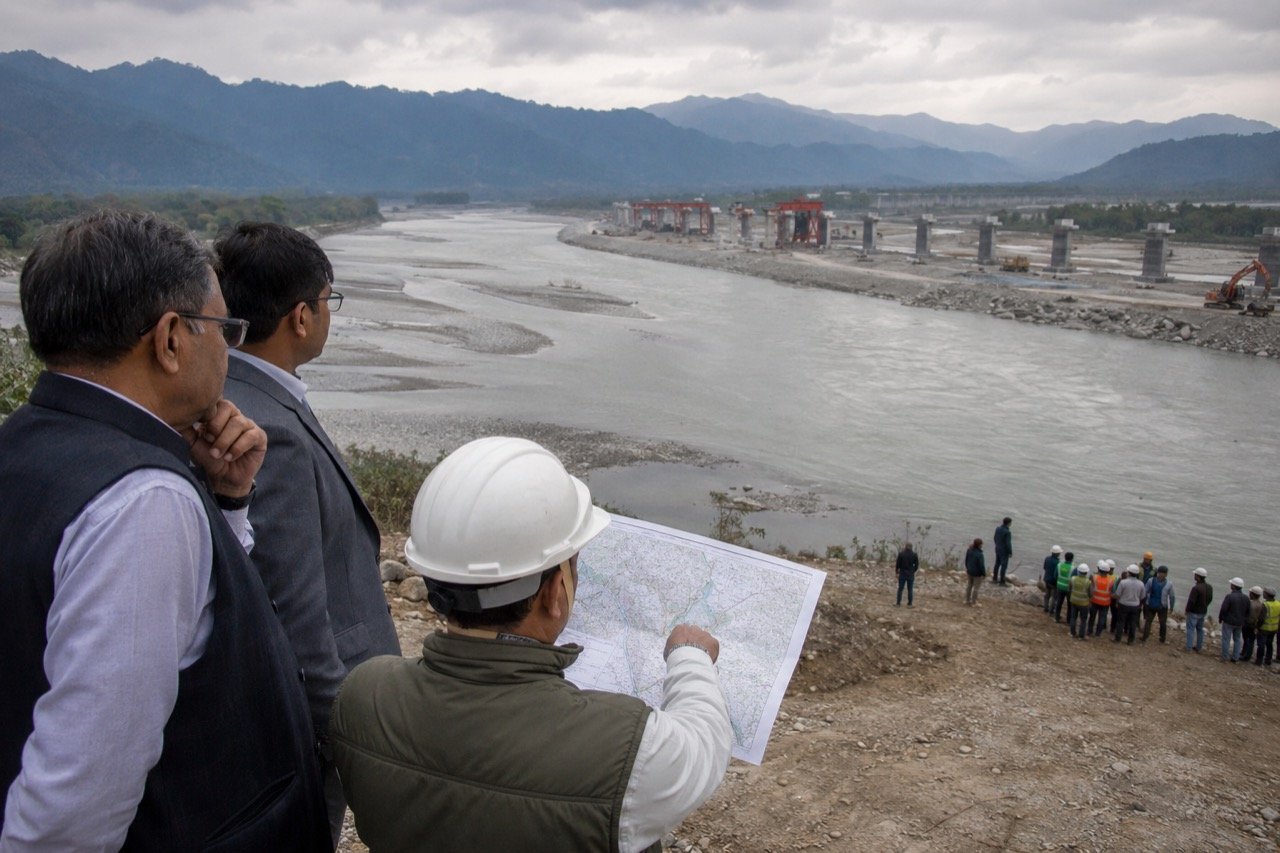
India Watches Dhaka's China-Backed Teesta Plan as Stakes Rise
New Delhi is closely tracking Bangladesh's proposal to develop the Teesta river with Chinese assistance, a move that revives one of South Asia's most sensitive water-sharing disputes and tests regional strategic trust.