MV Sky Light Seafarers Still Wait for Identity and Job Papers Months After Oman Missile Strike
Eight Indian seafarers from the stricken tanker MV Sky Light remain trapped in a bureaucratic limbo over lost documents, employment records and compensation long after surviving the blast.
Commentary & Analysis ·
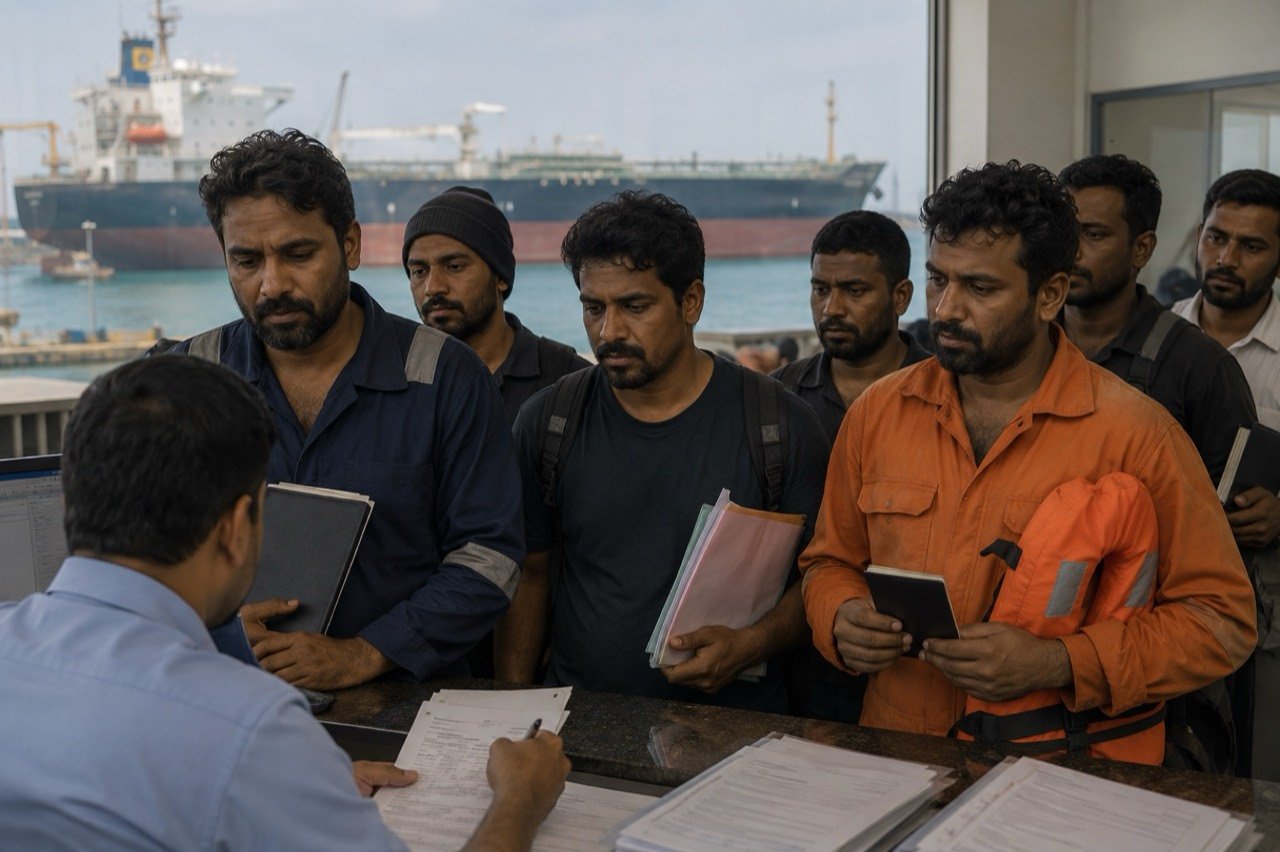
Three months after a missile strike near Oman tore through the oil tanker MV Sky Light, the danger that nearly killed its crew has receded. What has not is a quieter, grinding crisis. Eight Indian seafarers who survived the attack are still waiting for the documents and employment records that would let them prove who they are, claim what they are owed and return to work. For these men, the emergency is no longer the fire at sea but the paperwork on land.
From a Blast at Sea to a Battle on Paper
The strike destroyed far more than cargo and steel. In the chaos of evacuating a burning vessel, the crew lost passports, Continuous Discharge Certificates, seafarer identity documents, contracts and personal belongings. Some of the survivors, accounts have indicated, reached home with little more than the clothes they were wearing.
Without those papers, a trained seafarer is effectively grounded. Identity documents and discharge records are the backbone of maritime employment: they verify sea time, certify qualifications and are demanded before any new contract can be signed. Replacing them after a total loss abroad is slow, layered across multiple agencies, and rarely designed for crisis conditions.
Compensation and Employment in Limbo
Beyond identity, the men face an uncertain wait over wages, insurance and compensation. Questions of who is liable, how claims are processed and which employer or insurer carries the obligation remain unresolved for crew caught in a conflict zone. Each month without documents is also a month without income for families that depend on a single earner.
The case exposes how thin the safety net can be for Indian maritime workers on routes touched by regional conflict. Crews are recruited for global voyages but can find themselves stranded when geopolitics intrudes, with no single authority clearly accountable for getting them home and made whole.
What a Coordinated Response Would Require
Resolving the seafarers' plight is not a single agency's job. It calls for employers, the Directorate General of Shipping, consular offices abroad and insurers to act in concert rather than in sequence. A coordinated approach would treat lost-document emergencies as a recognised category, with fast-track reissue and clear lines of responsibility.
- Emergency reissue of passports, CDCs and seafarer identity documents after total loss abroad
- Clear designation of which employer and insurer carries compensation liability
- Consular support and verified records to bridge gaps until originals are restored
- Interim financial relief for families during the income gap
- A standing protocol for Indian crews caught in conflict-hit shipping lanes
“We survived the attack, but we cannot prove who we are or go back to work. The waiting is its own kind of damage.”
— A seafarer linked to the MV Sky Light
As shipping lanes through the wider Gulf region remain exposed to flare-ups, the MV Sky Light case is a warning as much as a hardship story. Unless documentation, compensation and consular processes are streamlined for emergencies, the next crew to survive a strike at sea may find the second ordeal, the one on paper, just as hard to escape.
The NE Times View
These men survived a missile; now they are fighting paperwork. The Sky Light case exposes how India's vast seafaring workforce, among the world's largest, can be abandoned in a documentation vacuum once a crisis fades from headlines. Lost identity and employment records should not become a sentence to limbo. The state owes its mariners a fast-track recovery and compensation mechanism, because protection that ends at rescue is no protection at all.
This article is original commentary and analysis by The NE Times. Background facts were referenced from The Indian Express.
You may also like to read
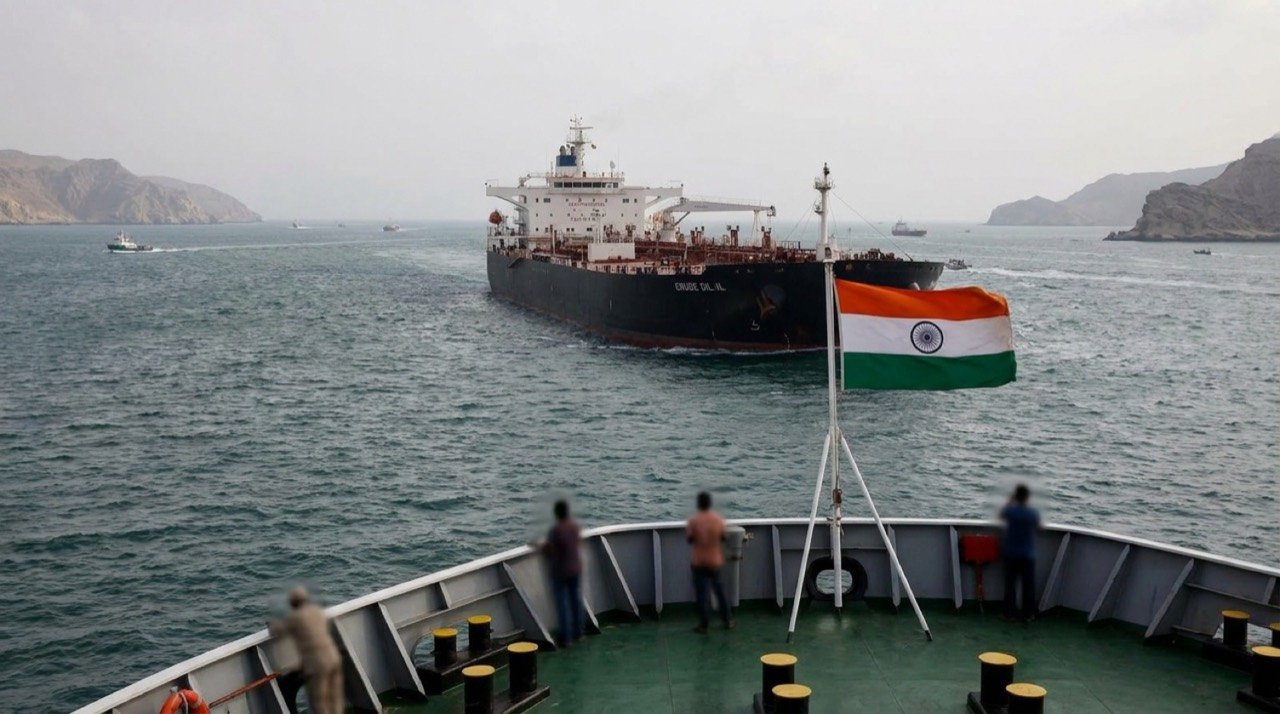
Indian Tankers and Seafarers Navigate Strait of Hormuz Amid Renewed Gulf Uncertainty
More than 90 Indian seafarers and a fleet of crude tankers and fertiliser vessels are crossing or holding near the Strait of Hormuz as fresh Gulf tensions test India's energy and supply-chain security.
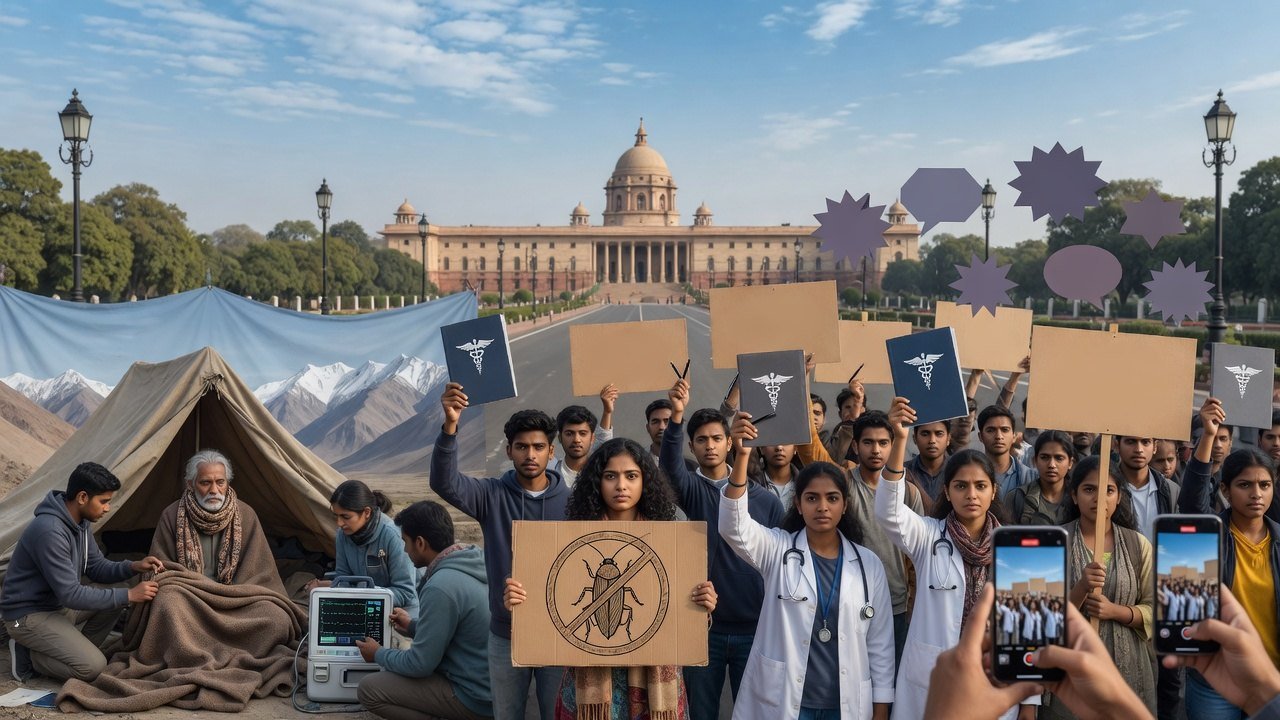
Cockroach Janta Party Protest Keeps NEET Accountability and Sonam Wangchuk's Hunger Strike in the Spotlight
The CJP says the Centre has remained silent as Sonam Wangchuk's hunger strike enters its 18th day, keeping examination integrity and youth-led political protest in focus.
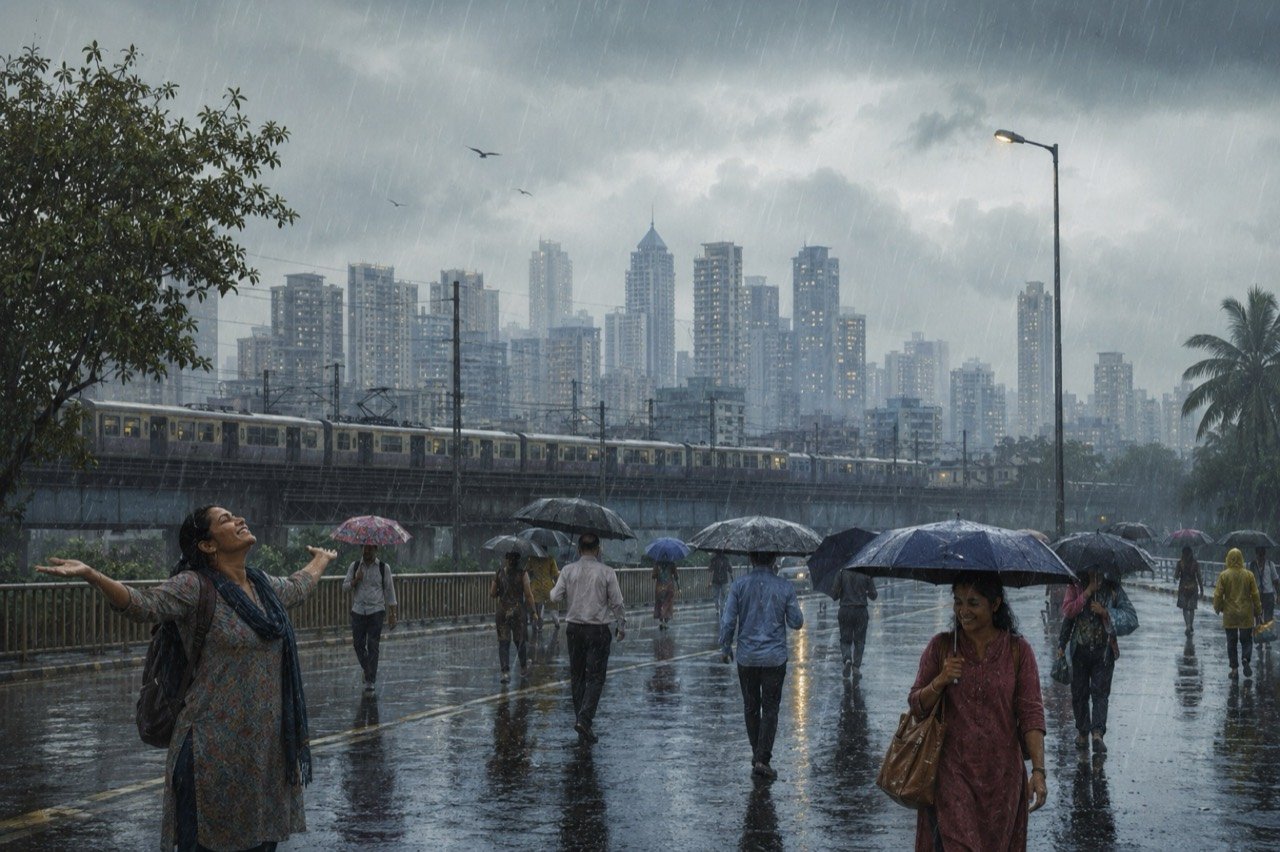
Mumbai Rain Brings Relief as Official Monsoon Onset Is Still Awaited
Heavy showers swept Mumbai on 22 June 2026, easing weeks of humid heat and lifting hopes of monsoon advance, even as forecasters held off on a formal onset declaration.
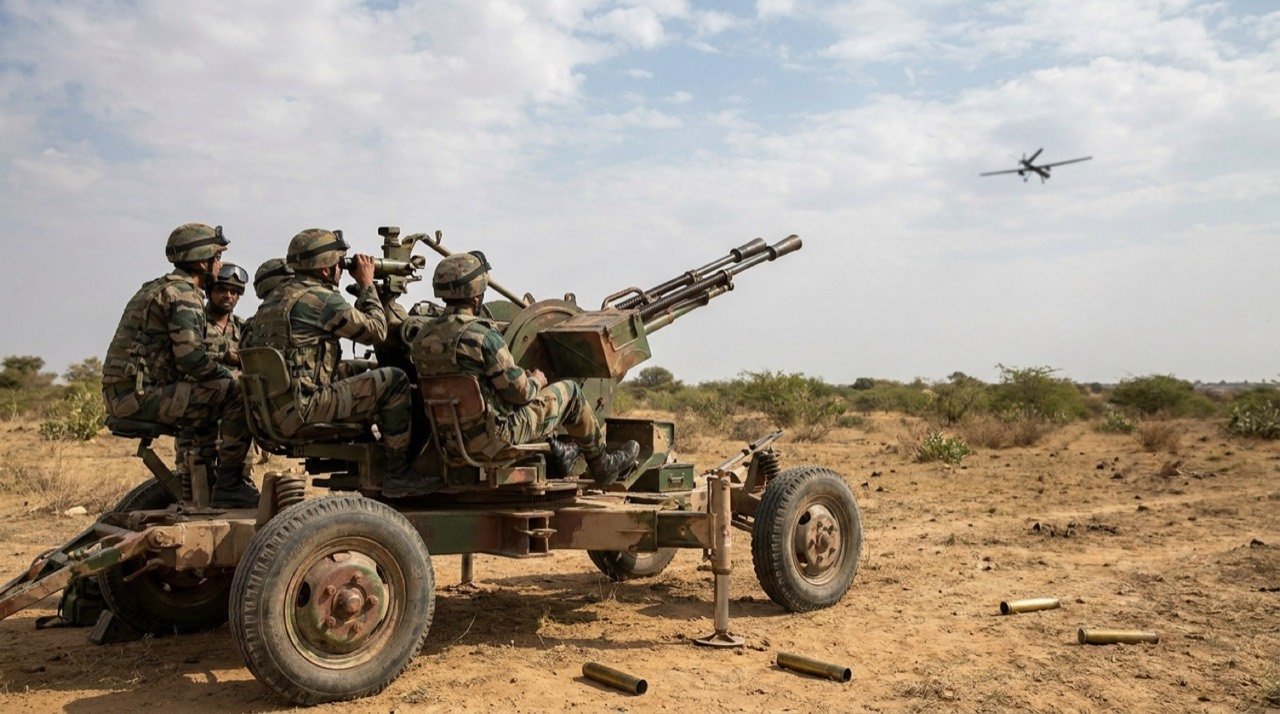
Army Air Defence Training Upgrade Targets Drone and Missile Threats
The Indian Army is acquiring new target systems that simulate drone swarms, helicopters and missile-like threats, sharpening air-defence training for an era of unmanned and smart weapons.
More from this section
More
AICTE Industry Fellowship 2026: Rs 1.5 Lakh Scheme Closes July 5
The AICTE Industry Fellowship Programme 2026, which places technical-education faculty inside leading companies on a Rs 1.5 lakh monthly stipend, reached its application deadline on July 5.
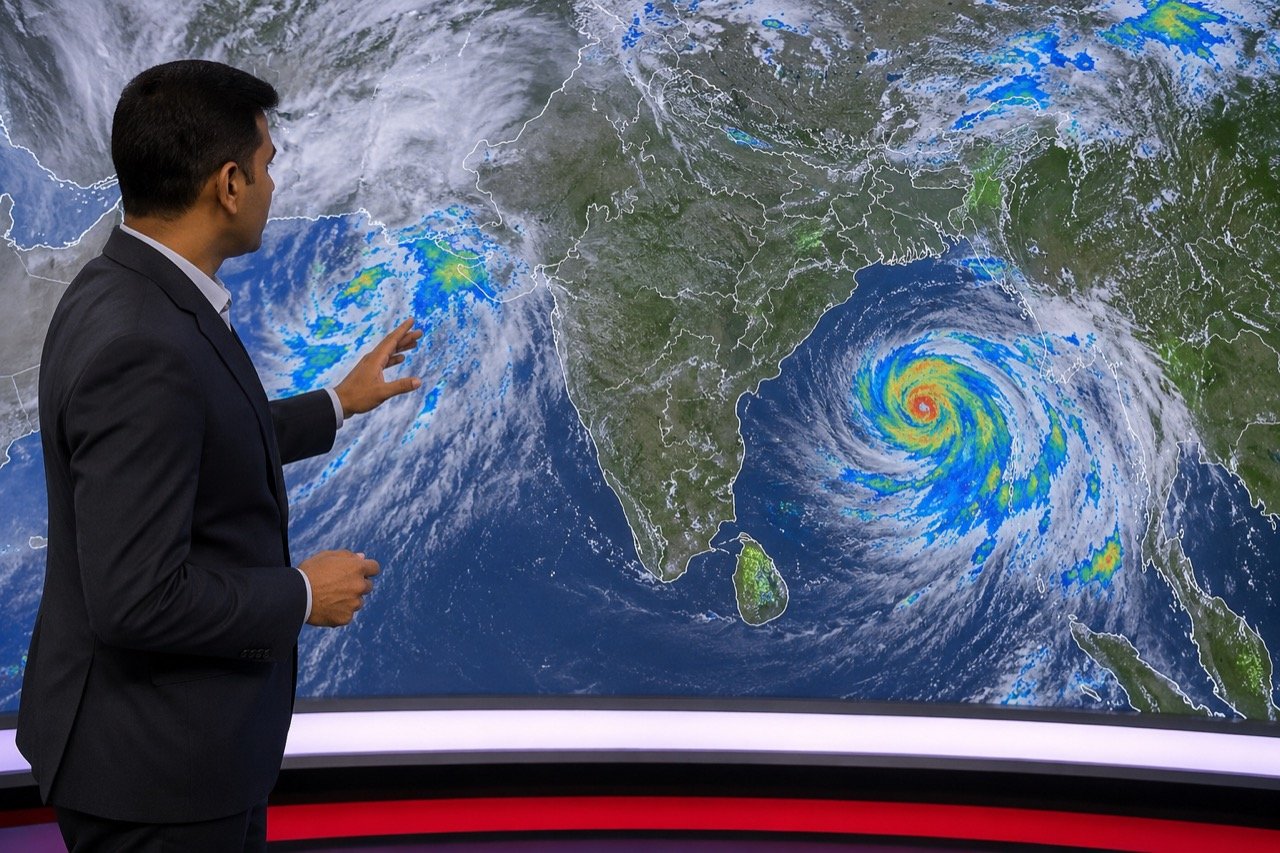
Bay of Bengal Low Pressure System Revives Monsoon Over Western India
A low-pressure system over the Bay of Bengal has pushed the monsoon back into an active phase, bringing steady heavy rain to Kerala, coastal Karnataka and Maharashtra, and putting Mumbai and Pune on preparedness watch.
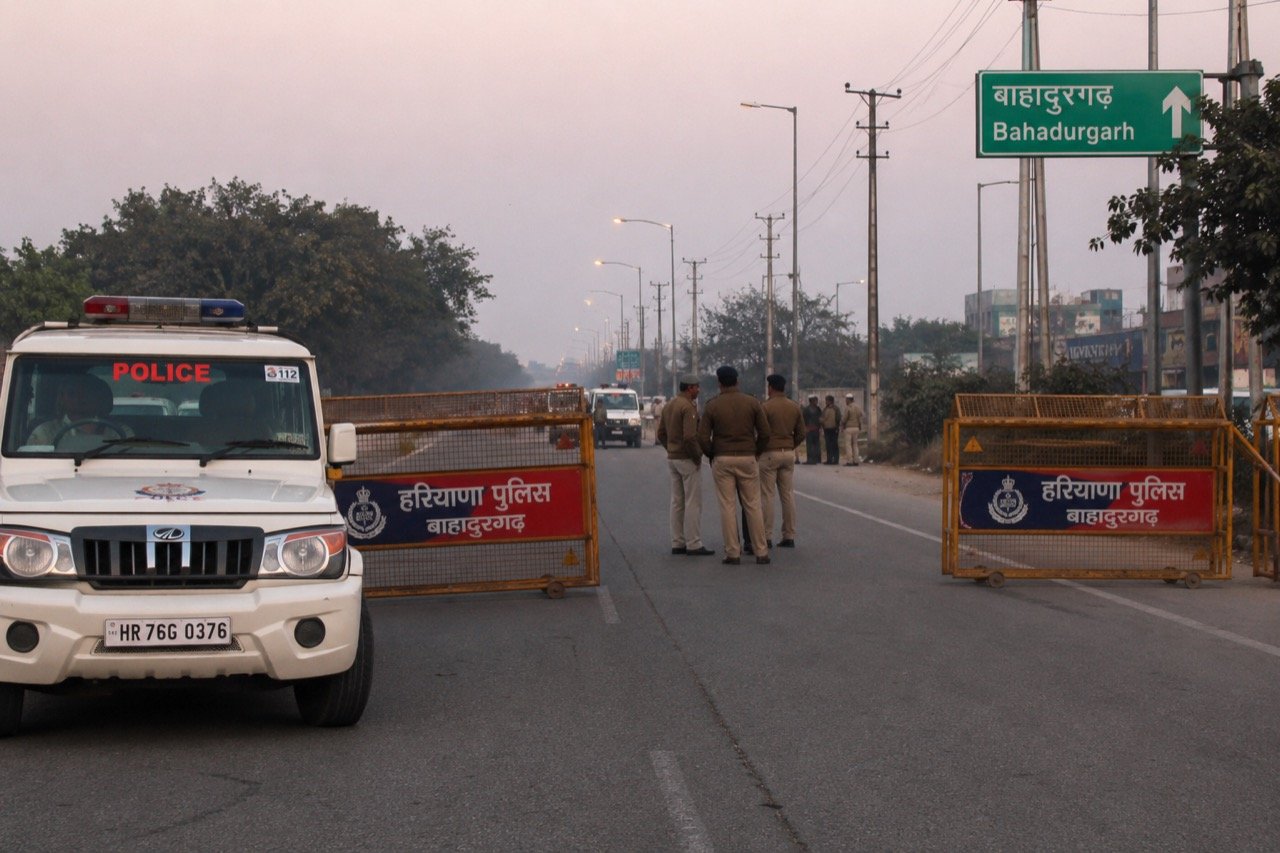
Bishnoi Gang Suspects Injured in Haryana Encounter as Police Tighten Net
A joint Haryana-Delhi Police operation in Bahadurgarh left two suspected Lawrence Bishnoi gang members injured, spotlighting the multi-state coordination now central to India's fight against organised crime networks.