Metro Network Expansion Promises to Ease the Daily City Commute
New corridors and station upgrades are set to cut travel times for millions, as cities double down on public transit.
Commentary & Analysis ·
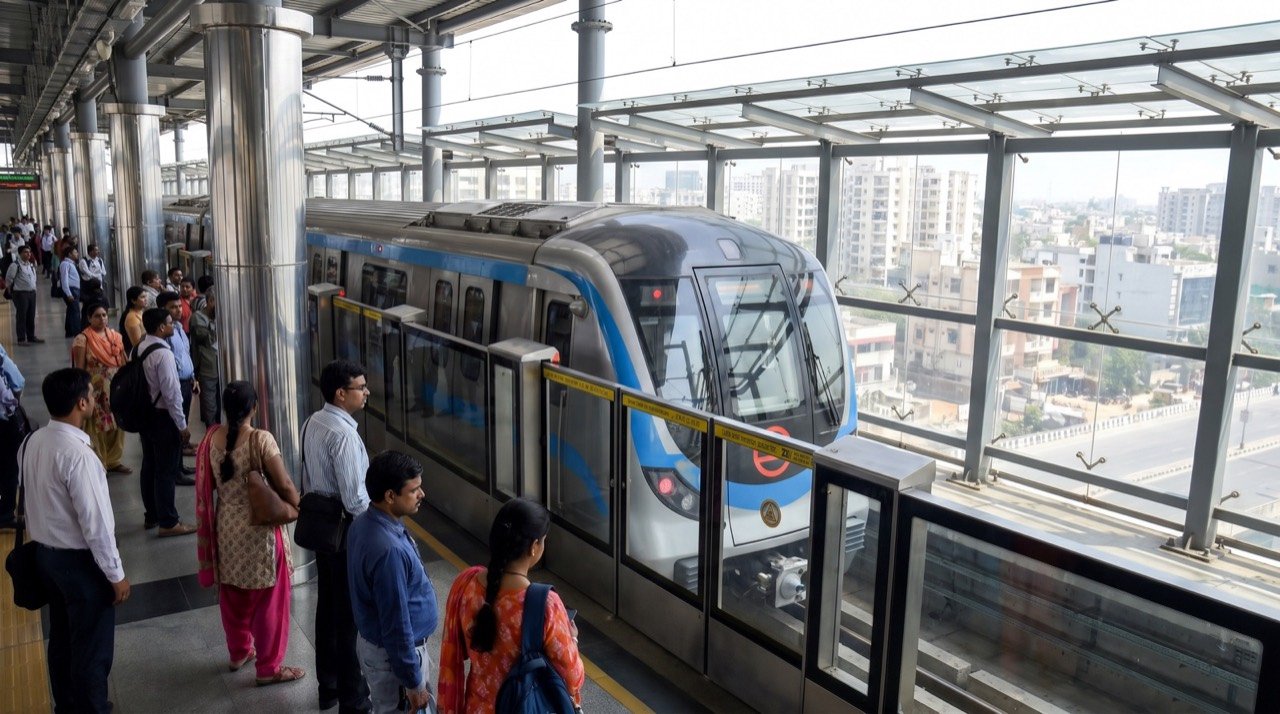
A wave of metro expansion across major Indian cities is poised to reshape the daily commute for millions, with new corridors, interchanges and station upgrades moving toward completion. The scale of the build-out reflects a sustained bet on rail-based mass transit as the backbone of urban mobility in some of the country's largest and fastest-growing metropolitan areas. Urban planners say expanded rail networks are central to tackling the twin challenges of congestion and air pollution that choke the country's fast-growing cities. As populations swell and vehicle numbers climb, moving large volumes of people efficiently and cleanly has become a pressing priority, and metro systems offer a proven means of doing so.
The renewed push into rail-based transit is not happening in a vacuum. It follows years in which Indian cities have wrestled with the compounding effects of rapid population growth, rising vehicle ownership and road networks that were never designed to carry the volumes now passing through them. Congestion in this context is not merely an inconvenience measured in lost hours; it is also an economic drag, as goods and workers move more slowly, and an environmental hazard, as idling vehicles add to the particulate load already straining civic health systems. A metro network, by contrast, offers a fixed-capacity, largely electrified alternative that can shift tens of thousands of passengers per hour away from private vehicles and overburdened bus corridors. That the expansion is occurring simultaneously across several large cities suggests planners increasingly view mass rail transit not as an optional amenity but as core civic infrastructure, on par with power and water supply.
Connecting the suburbs
Several of the new lines push deeper into suburban belts, knitting together residential clusters, business districts and transport hubs that were previously linked only by clogged roads. By extending reach into the outskirts, the networks promise to shorten journeys for commuters who have long endured slow, unpredictable trips between home and work. This suburban orientation marks an important shift in how metro systems are being conceived. Earlier phases of urban rail development in India tended to prioritise dense city centres, where ridership was easiest to guarantee. Reaching into the suburbs is a different proposition: it requires betting that connectivity itself will generate demand, drawing commuters who previously had no viable public transit option and were forced onto private vehicles or informal transport arrangements.
Better connections between residential areas and employment centres can also influence where people choose to live and how cities grow, easing pressure on congested cores and opening up new corridors for development. This is one of the less visible but more consequential effects of metro expansion. When a suburb gains a reliable rail link to a business district, it becomes viable for a far wider range of households, including those who could not previously justify a long, unreliable commute. Property markets tend to respond accordingly, and new residential and commercial activity often clusters around stations. Planners and city governments have an interest in this pattern, since it can relieve pressure on overcrowded urban cores without requiring the kind of unplanned sprawl that has characterised much of India's recent urban growth. An urban mobility expert summed up the stakes plainly: "Good transit is the difference between a city that works and one that grinds to a halt."
The last-mile challenge
Commuters welcomed the progress but pressed for better last-mile connectivity. A metro line is only as useful as the ease with which travellers can reach a station and complete the final leg of their journey, and gaps in feeder services, walkways and parking can blunt the appeal of even the best rail network. This is a familiar and persistent criticism of urban rail projects, and for good reason: a commuter who must walk a considerable distance along an unlit, uneven footpath, or wait indefinitely for a shared auto-rickshaw, may simply choose to stick with a private vehicle rather than deal with the uncertainty of the final stretch. The value of a metro system, in other words, is not confined to the quality of its trains and stations; it depends just as much on everything that surrounds them.
Officials said integrated ticketing and real-time information systems are being rolled out alongside the new infrastructure, measures intended to make the whole journey smoother, allowing passengers to move seamlessly across modes and to plan trips with confidence. Such systems address a different but related problem: even where feeder options exist, commuters have often had to navigate separate ticketing systems, unpredictable schedules and a lack of reliable information about connecting services. A single ticket that works across metro, bus and other feeder modes, paired with real-time arrival information, removes much of the friction and uncertainty that discourages people from using public transit for multi-leg journeys. Together, these measures point to a recognition among planners that infrastructure alone does not guarantee ridership; the experience of using that infrastructure matters just as much.
What is changing on the ground
Taken together, the developments now underway span several dimensions of the commuter experience. New corridors, interchanges and station upgrades are nearing completion, expanding the physical reach of existing networks. Lines are reaching deeper into suburban belts than before, extending the practical benefits of rail transit to commuters who previously had no realistic alternative to congested roads. Commuters have been vocal in calling for better last-mile connectivity, a signal that public expectations are rising alongside the infrastructure itself. And integrated ticketing and real-time information systems are being introduced, aimed at making multi-modal journeys less cumbersome. Each of these strands addresses a different weak point in the overall system, and their success will likely be judged not individually but in combination.
The outlook
As the new corridors open and supporting systems mature, the test will be whether they draw commuters out of cars and onto trains in sufficient numbers to ease congestion and clear the air. This is ultimately a question of behaviour change, not just engineering. Building track and stations is a necessary but not sufficient condition for reducing road congestion; commuters need a credible reason to abandon the convenience of a private vehicle, and that reason has to come from a combination of speed, reliability, affordability and ease of access. The infrastructure is taking shape; the lasting payoff will depend on how well the pieces, rail, feeder links and information, come together for the everyday traveller. Cities that get this combination right stand to see meaningful reductions in road traffic and air pollution; those that build impressive rail lines but neglect the connective tissue around them risk ending up with underused assets and continued congestion.
The NE Times View
New metro lines look impressive on ribbon-cutting day, but the daily commute is won or lost on last-mile connectivity and fares people can actually afford. Corridors that don't link to buses, footpaths and parking simply move congestion underground. The real measure is whether ridership rises and private cars fall, not how many kilometres of track get inaugurated. Officials and urban planners would do well to treat the feeder network, the ticketing system and the pricing structure as inseparable from the rail line itself, rather than as afterthoughts to be sorted out once construction is complete. Ambitious expansion plans deserve scrutiny not at the moment of inauguration, but months and years later, when the only question that matters is whether ordinary commuters have actually changed how they get to work.
Key takeaways
- Metro expansion across major Indian cities is extending new corridors, interchanges and station upgrades deeper into suburban belts, aiming to link residential areas with business districts and transport hubs.
- Better rail connectivity can reshape where people choose to live and work, easing pressure on congested city cores and opening new corridors for development.
- Commuters continue to press for improved last-mile connectivity, since gaps in feeder services, walkways and parking can undercut the usefulness of even well-built rail lines.
- Integrated ticketing and real-time information systems are being introduced to make multi-modal journeys smoother and more predictable.
- The ultimate measure of success will be whether ridership rises and private car use falls, not simply how much new track is inaugurated.
You may also like to read
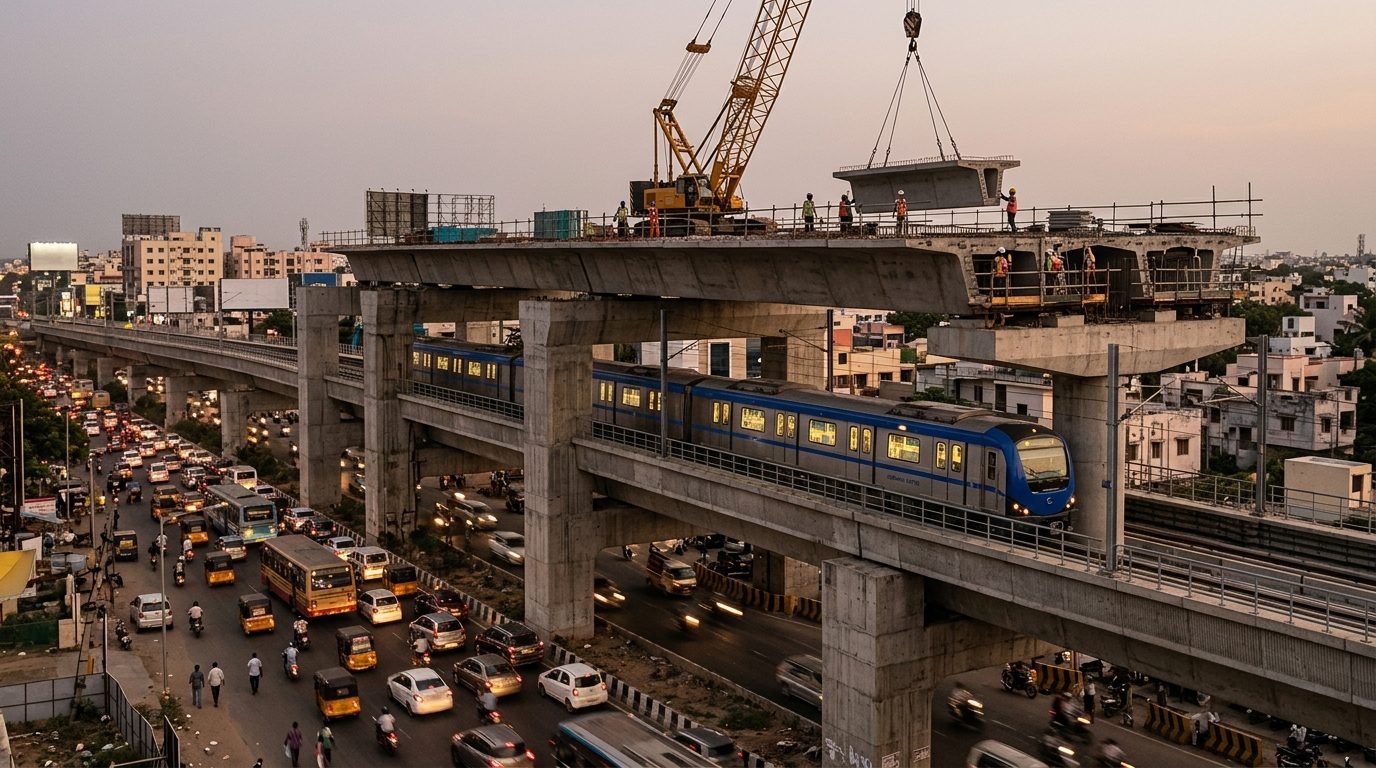
Chennai Metro readies its first double-decker corridor along Arcot Road
Part of the Phase II network, the stacked viaduct on Arcot Road places two metro corridors one above the other, with services on the Poonamallee Bypass to Vadapalani stretch cleared for operations and the Porur section moving toward commissioning.
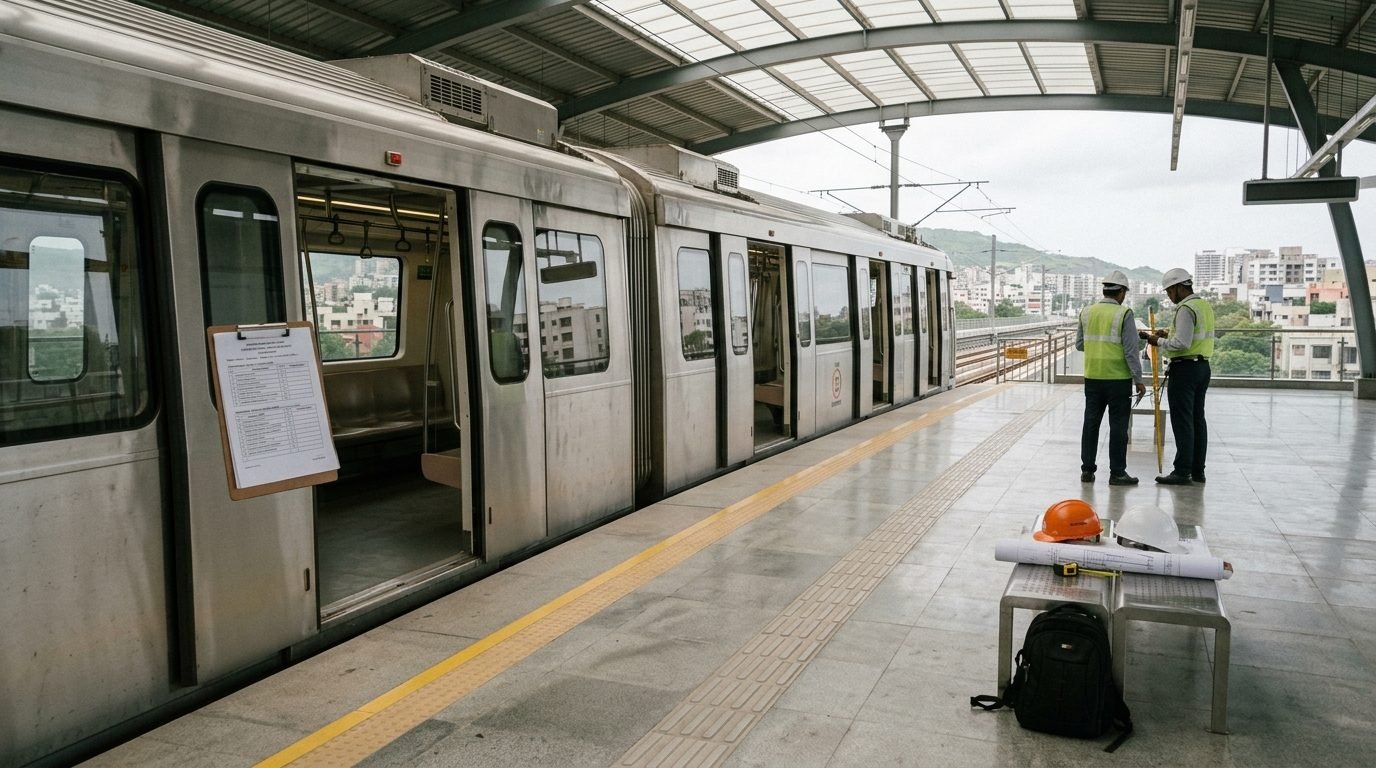
Pune Metro Line 3 Enters Safety Inspection, First Stretch Nears Launch
India's first public-private metro corridor is undergoing statutory safety checks in mid-June, clearing the way for a planned opening of its initial 12-station section to commuters.
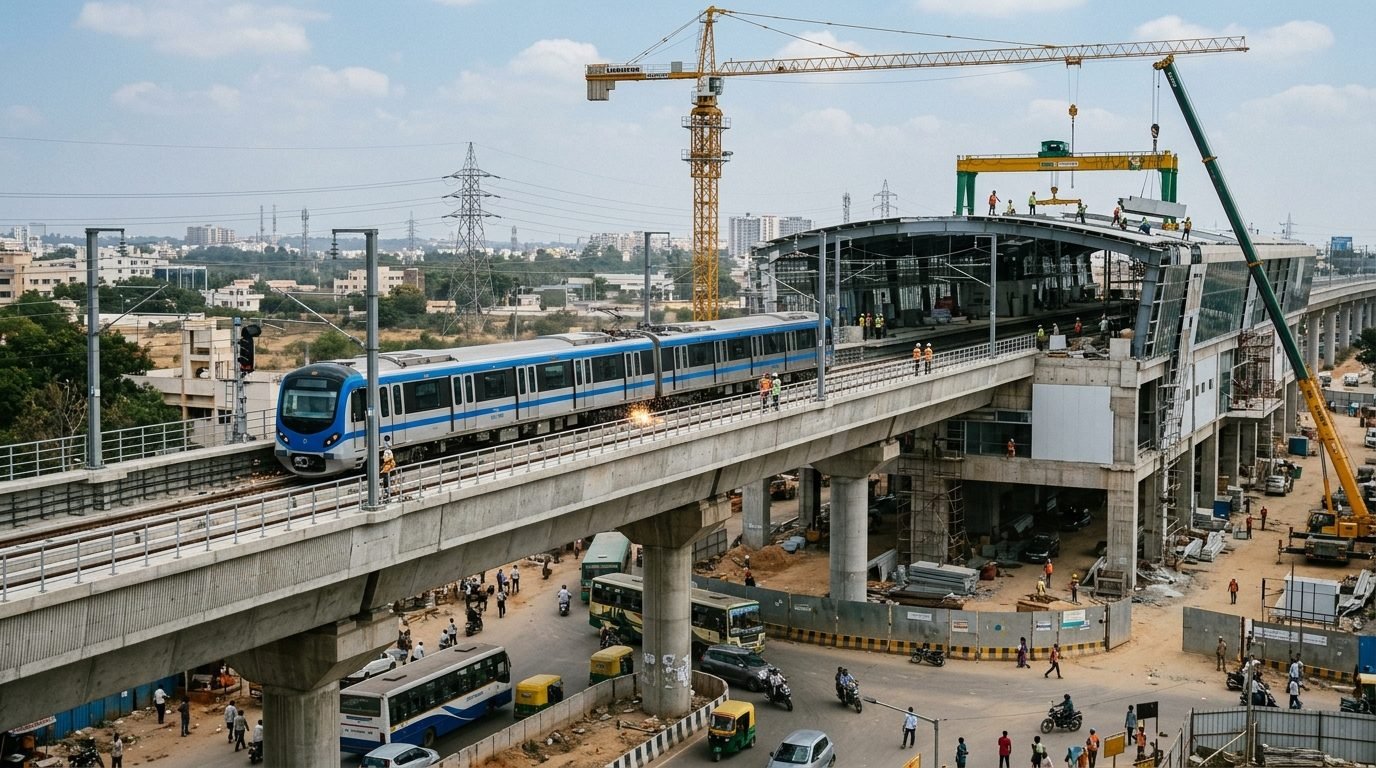
Bengaluru's Airport Metro Nears Finish Line As Blue Line Works Target Completion
Karnataka officials say construction on the Silk Board-K R Puram-airport corridor is on course for completion this month, promising the city a long-awaited rail link to its airport.
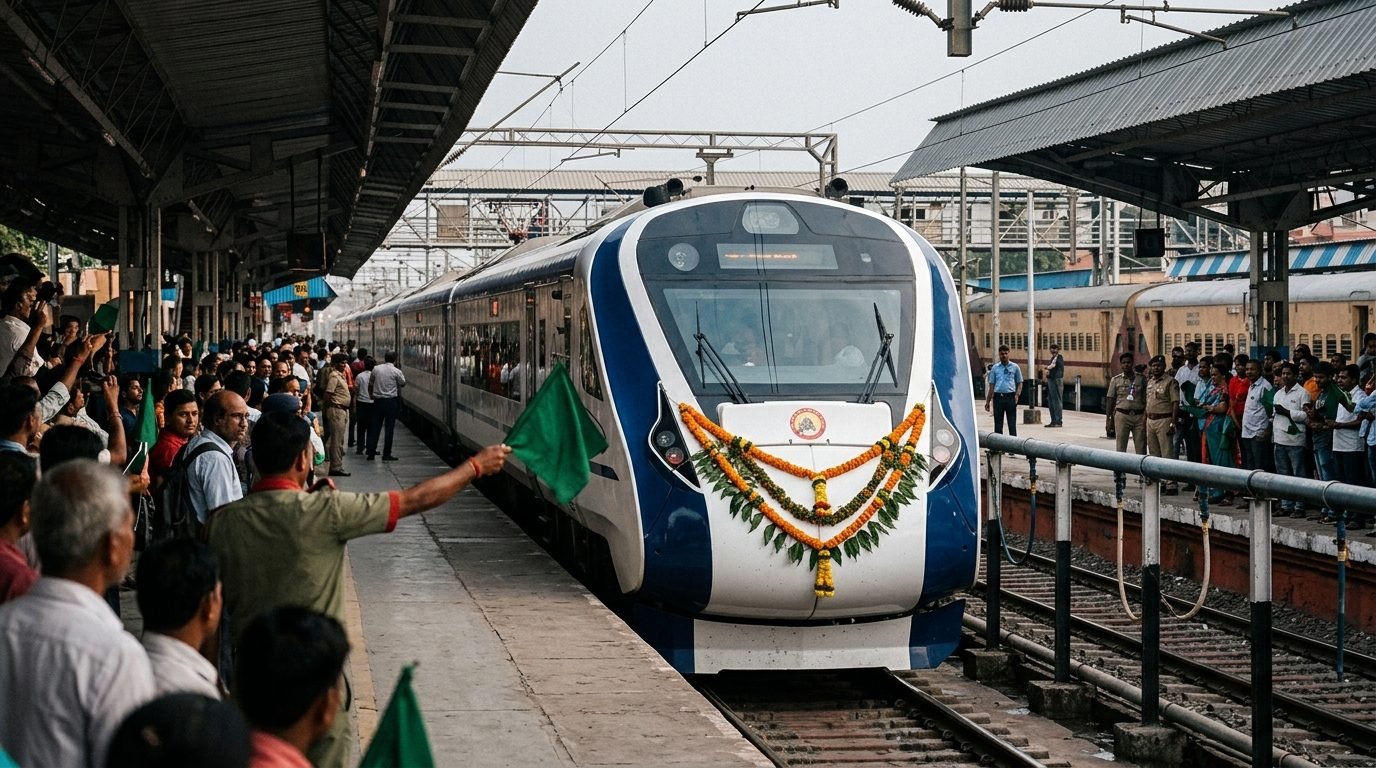
Railways To Flag Off Five New Vande Bharat Trains As Fleet Crosses 160 Services
Indian Railways is set to add five Vande Bharat Express services on June 26, extending semi-high-speed connectivity to more districts as the fleet pushes past 160 services nationwide.
More from this section
More
AICTE Industry Fellowship 2026: Rs 1.5 Lakh Scheme Closes July 5
The AICTE Industry Fellowship Programme 2026, which places technical-education faculty inside leading companies on a Rs 1.5 lakh monthly stipend, reached its application deadline on July 5.
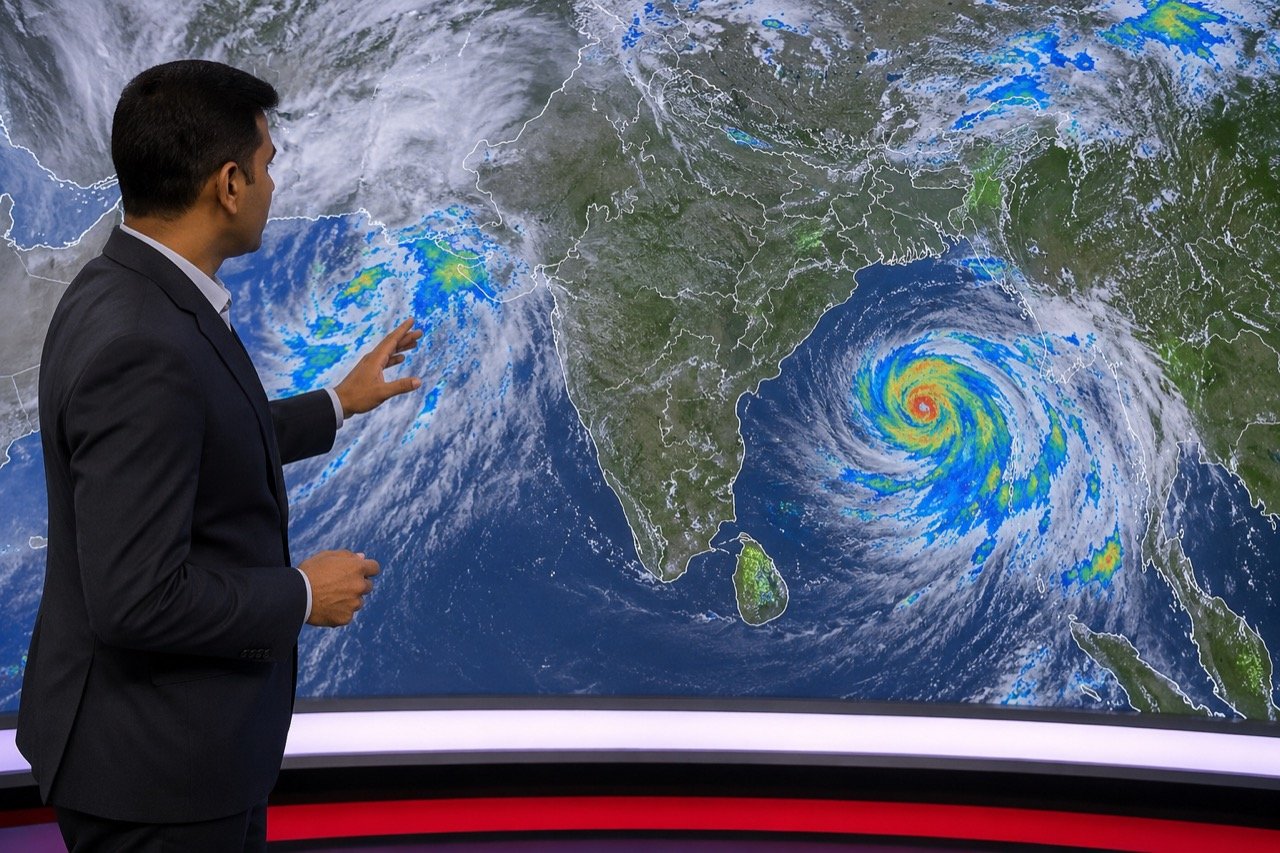
Bay of Bengal Low Pressure System Revives Monsoon Over Western India
A low-pressure system over the Bay of Bengal has pushed the monsoon back into an active phase, bringing steady heavy rain to Kerala, coastal Karnataka and Maharashtra, and putting Mumbai and Pune on preparedness watch.
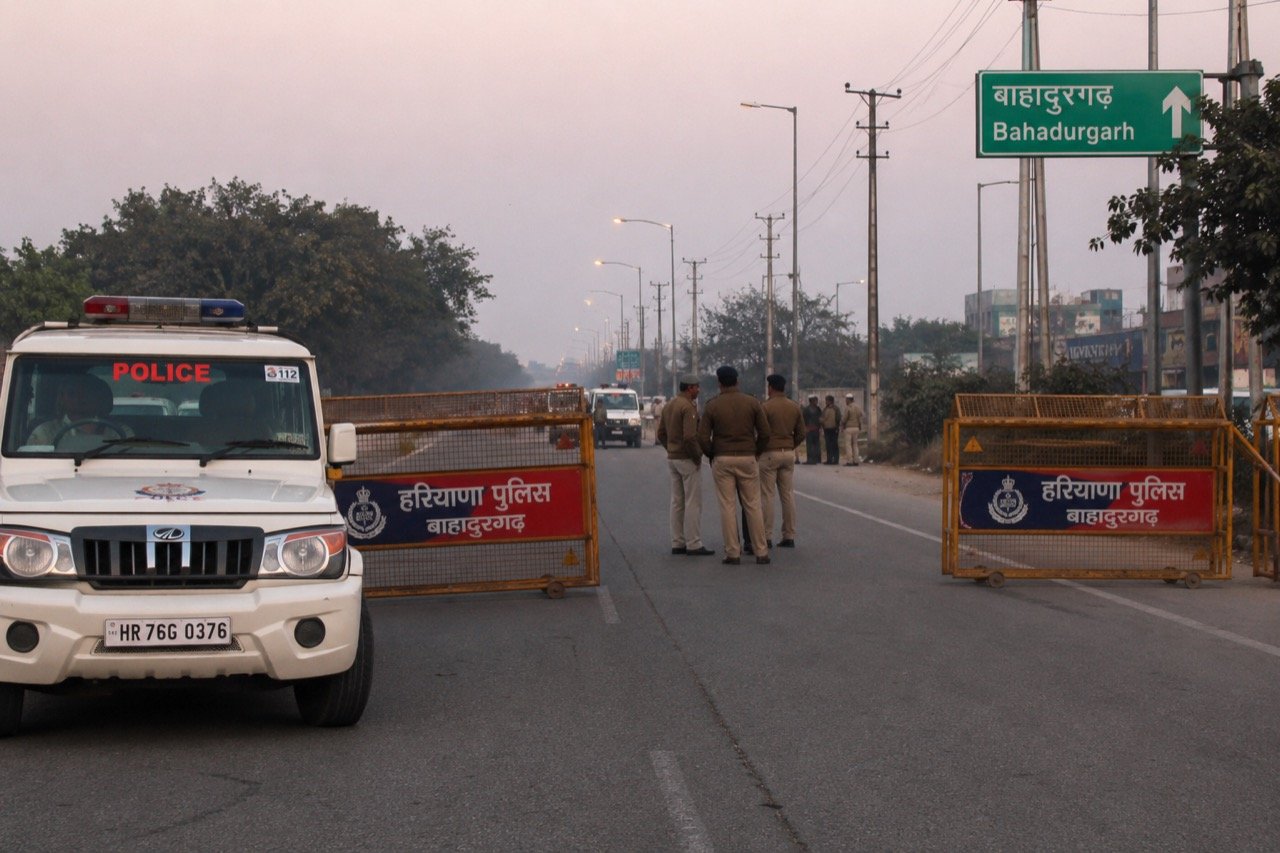
Bishnoi Gang Suspects Injured in Haryana Encounter as Police Tighten Net
A joint Haryana-Delhi Police operation in Bahadurgarh left two suspected Lawrence Bishnoi gang members injured, spotlighting the multi-state coordination now central to India's fight against organised crime networks.