Railways To Flag Off Five New Vande Bharat Trains As Fleet Crosses 160 Services
Indian Railways is set to add five Vande Bharat Express services on June 26, extending semi-high-speed connectivity to more districts as the fleet pushes past 160 services nationwide.
Commentary & Analysis ·
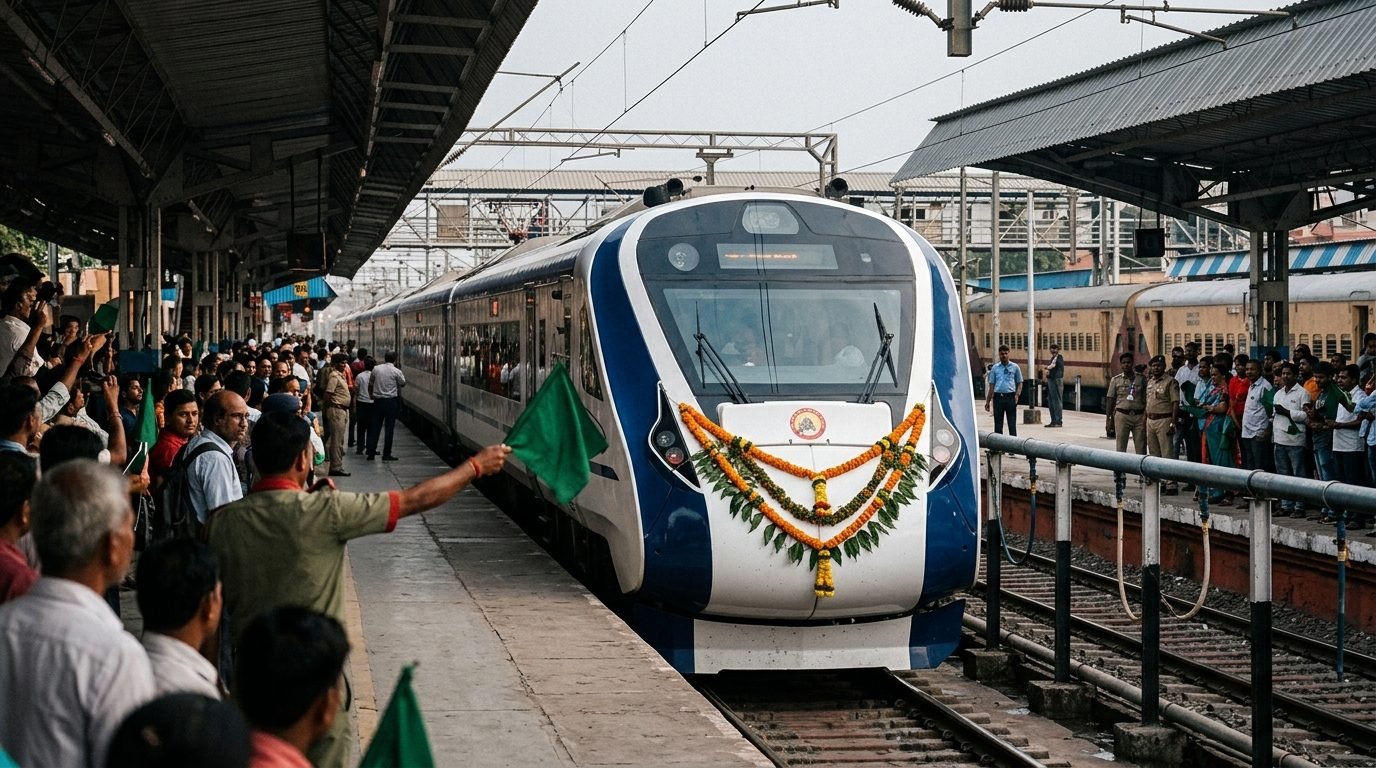
Indian Railways is preparing to flag off five new Vande Bharat Express services on June 26, the latest tranche in a steady expansion that has turned the semi-high-speed train into the most visible symbol of the country's rail modernisation drive. The additions will push the operational network past 160 services and extend faster, fully air-conditioned travel to a clutch of new district pairs across the map.
A network that keeps widening
As of late May 2026, the Vande Bharat family was running across more than 80 routes and serving over 270 districts, a footprint that has grown almost continuously since the first chair-car rake entered service. Officials say the new flag-offs are designed to plug gaps on busy inter-city corridors where existing trains run full and travellers have long demanded a quicker, more comfortable option.
The expansion is no longer limited to the chair-car format. The Vande Bharat sleeper, introduced earlier in the year, is now operating on the Howrah-Guwahati corridor with two rakes running in both directions, giving overnight travellers in the east and northeast their first taste of the upgraded rolling stock.
Why the rollout matters
The Vande Bharat programme has become a litmus test for the railways' ability to manufacture trainsets at scale, maintain punctuality and keep fares within reach of middle-class travellers. Each new rake is built indigenously, and the ministry has tied the project to its larger push on track upgrades, automatic signalling and the rollout of the Kavach anti-collision system.
- Five new Vande Bharat services are scheduled to be flagged off on June 26.
- The operational fleet will cross 160 services across more than 80 routes.
- A Vande Bharat sleeper variant is already running between Howrah and Guwahati.
- The ministry plans to add scores more seating-class trainsets through 2030.
- Each rake is manufactured in India as part of the modernisation programme.
What comes next
The Ministry of Railways has outlined plans to add dozens of further seating-class Vande Bharat trains over the rest of the decade, alongside a steady ramp-up of the sleeper variant once trial runs are completed. Analysts caution that the bigger challenge is no longer building the trains but ensuring the track, platforms and maintenance depots can support higher speeds and tighter turnarounds without denting punctuality.
For now, the June 26 flag-off will be watched closely in the towns gaining a service for the first time, where a faster link to a state capital or metro can reshape daily commerce, medical travel and student mobility.
“Each new corridor we add is judged not by the ribbon-cutting but by whether the train still runs on time six months later.”
— A senior Railway Board official, paraphrased
If the latest additions hold to schedule and fill consistently, they will strengthen the case for the railways' argument that semi-high-speed travel can be both popular and commercially viable well beyond the big-city corridors where it began.
The NE Times View
Vande Bharat has become a useful symbol of an upgraded railway, and reaching beyond 160 services is a real expansion of comfortable, faster travel. The flagging-off ritual, though, can obscure the questions that matter: are these trains affordable for ordinary commuters, do they run full, and is the same energy going into safety, signalling and the unglamorous ordinary trains most Indians actually ride? Speed is welcome; so is balance.
This article is original commentary and analysis by The NE Times. Background facts were referenced from The Hindu and Hindustan Times.
You may also like to read
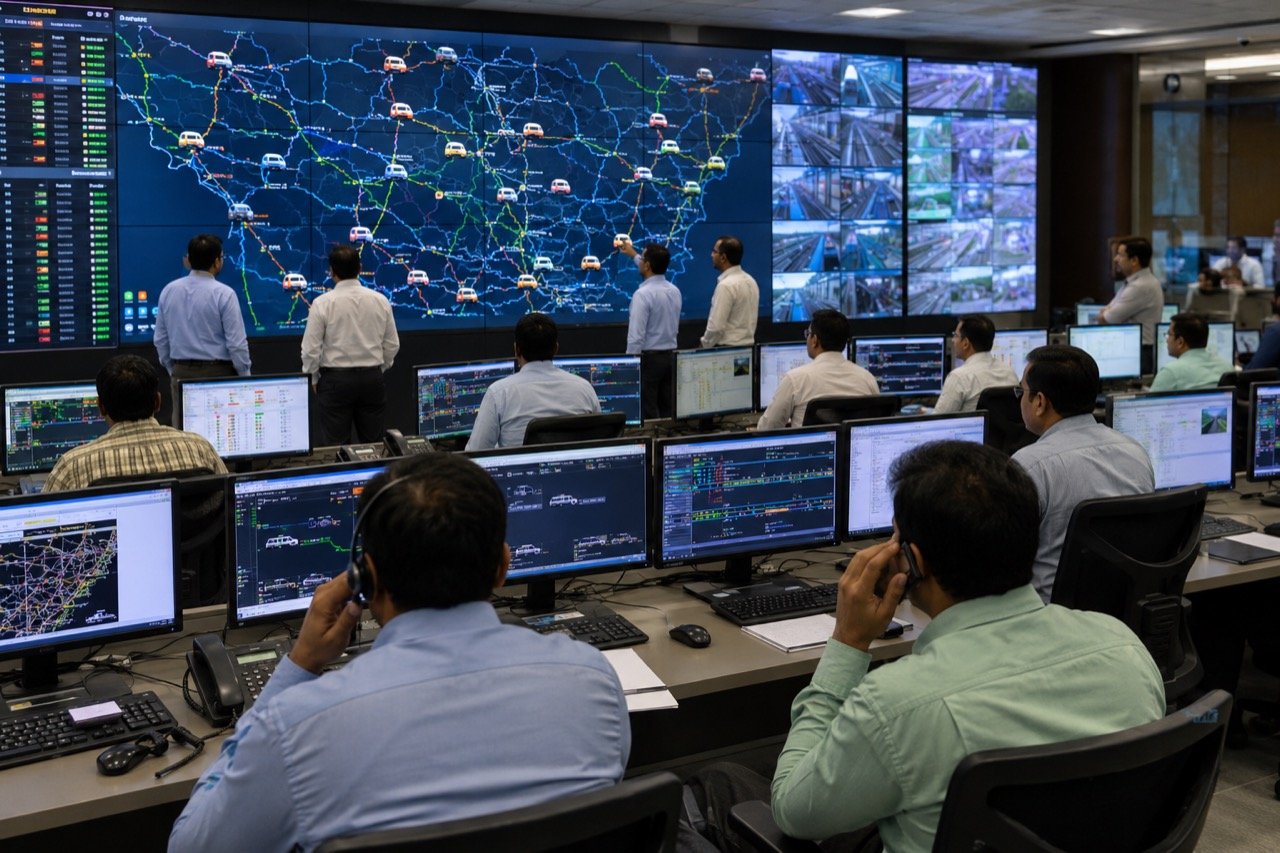
Railways Rolls Out Real-Time App to Flag Train Delays Past 15 Minutes
Indian Railways has launched its first internal app to monitor train punctuality in real time, flagging delays beyond fifteen minutes so officials can spot bottlenecks and coordinate faster responses across the network.
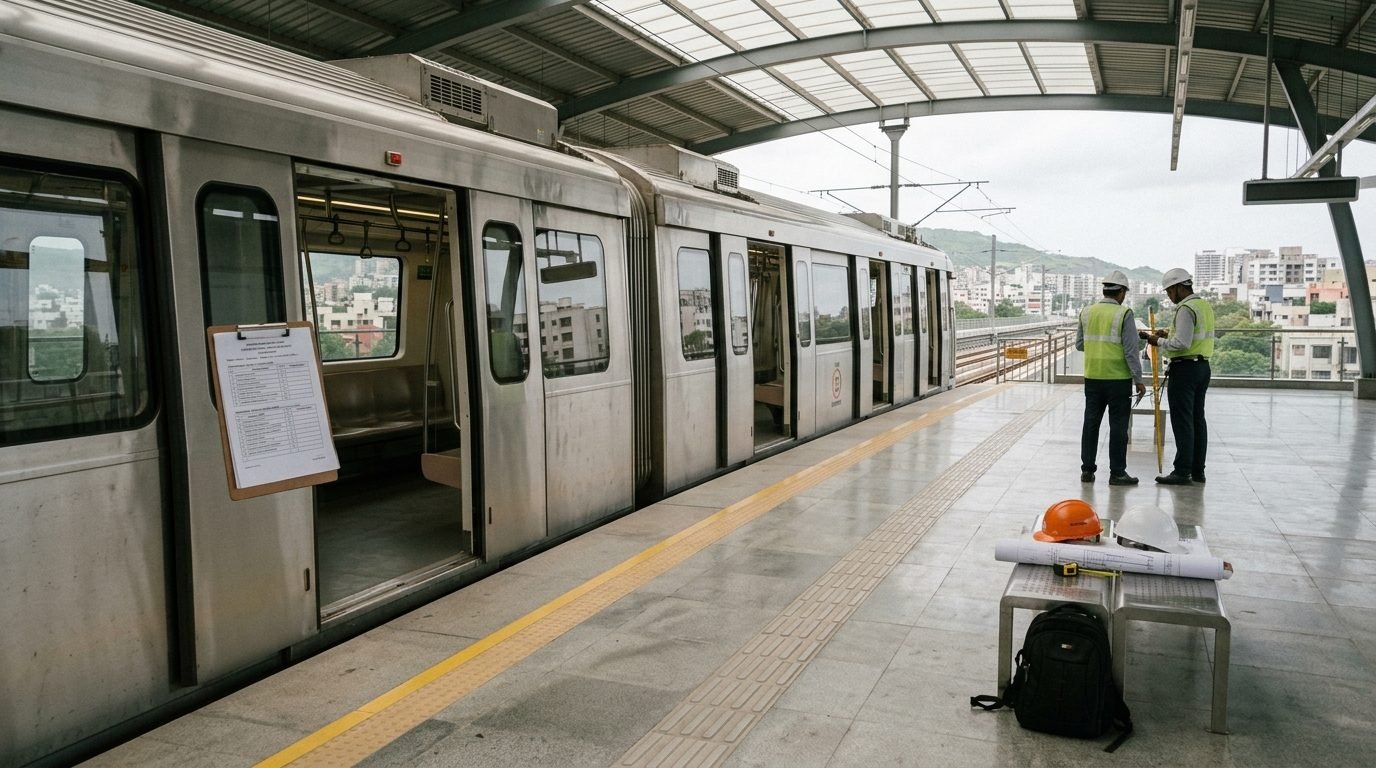
Pune Metro Line 3 Enters Safety Inspection, First Stretch Nears Launch
India's first public-private metro corridor is undergoing statutory safety checks in mid-June, clearing the way for a planned opening of its initial 12-station section to commuters.
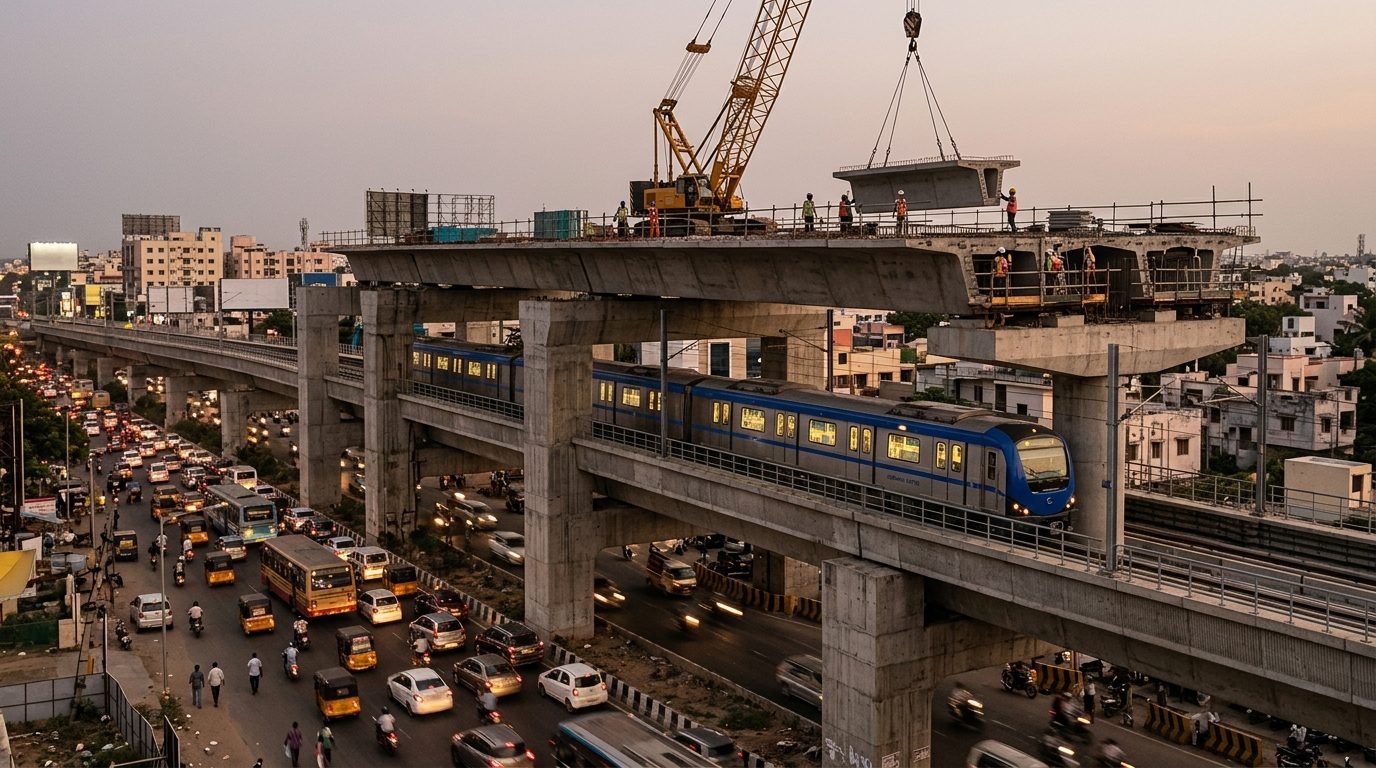
Chennai Metro readies its first double-decker corridor along Arcot Road
Part of the Phase II network, the stacked viaduct on Arcot Road places two metro corridors one above the other, with services on the Poonamallee Bypass to Vadapalani stretch cleared for operations and the Porur section moving toward commissioning.

Khatu Shyamji Rail Connectivity Plan Could Ease Rajasthan Pilgrimage Pressure
A rail-connectivity push for Rajasthan's high-footfall Khatu Shyamji could reshape how pilgrims travel, easing road congestion and supporting local businesses if delivered well.
More from this section
More
AICTE Industry Fellowship 2026: Rs 1.5 Lakh Scheme Closes July 5
The AICTE Industry Fellowship Programme 2026, which places technical-education faculty inside leading companies on a Rs 1.5 lakh monthly stipend, reached its application deadline on July 5.
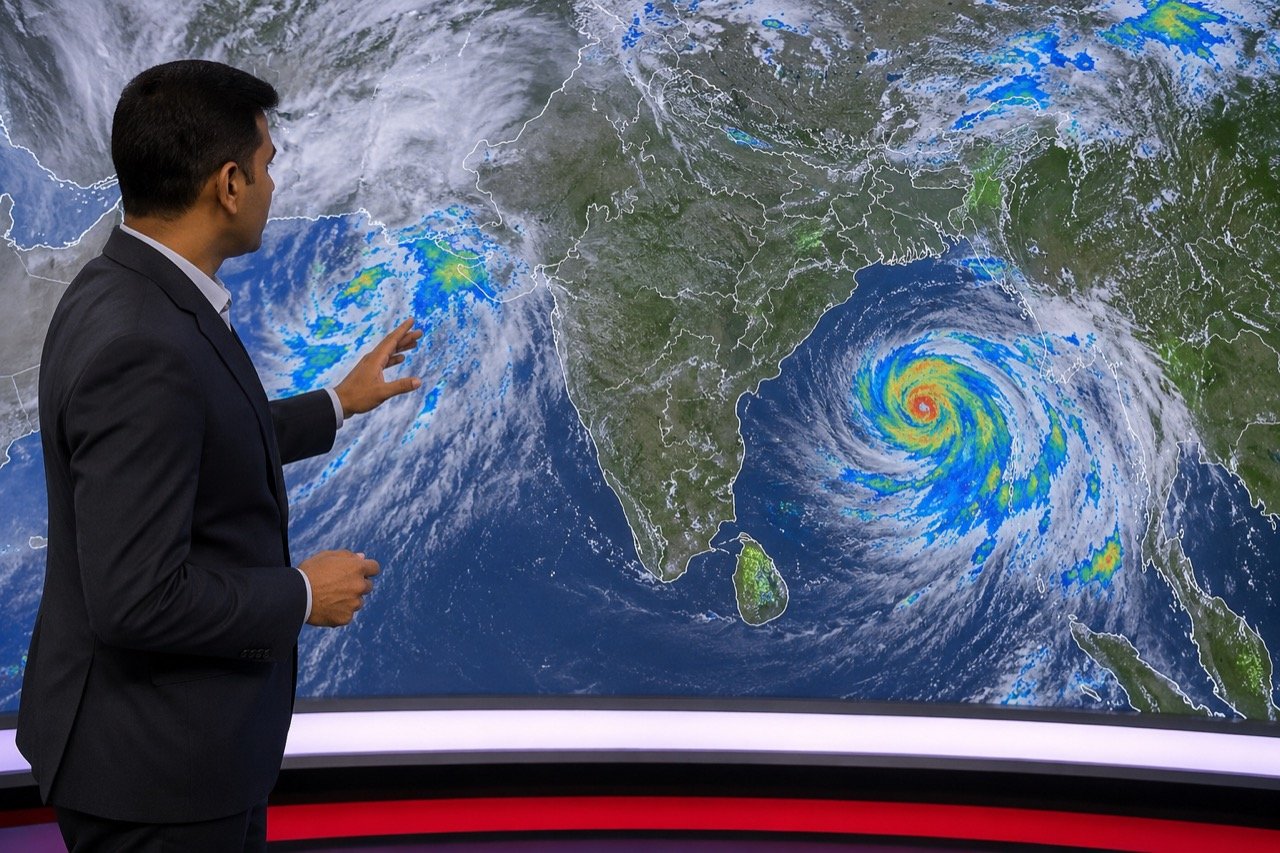
Bay of Bengal Low Pressure System Revives Monsoon Over Western India
A low-pressure system over the Bay of Bengal has pushed the monsoon back into an active phase, bringing steady heavy rain to Kerala, coastal Karnataka and Maharashtra, and putting Mumbai and Pune on preparedness watch.
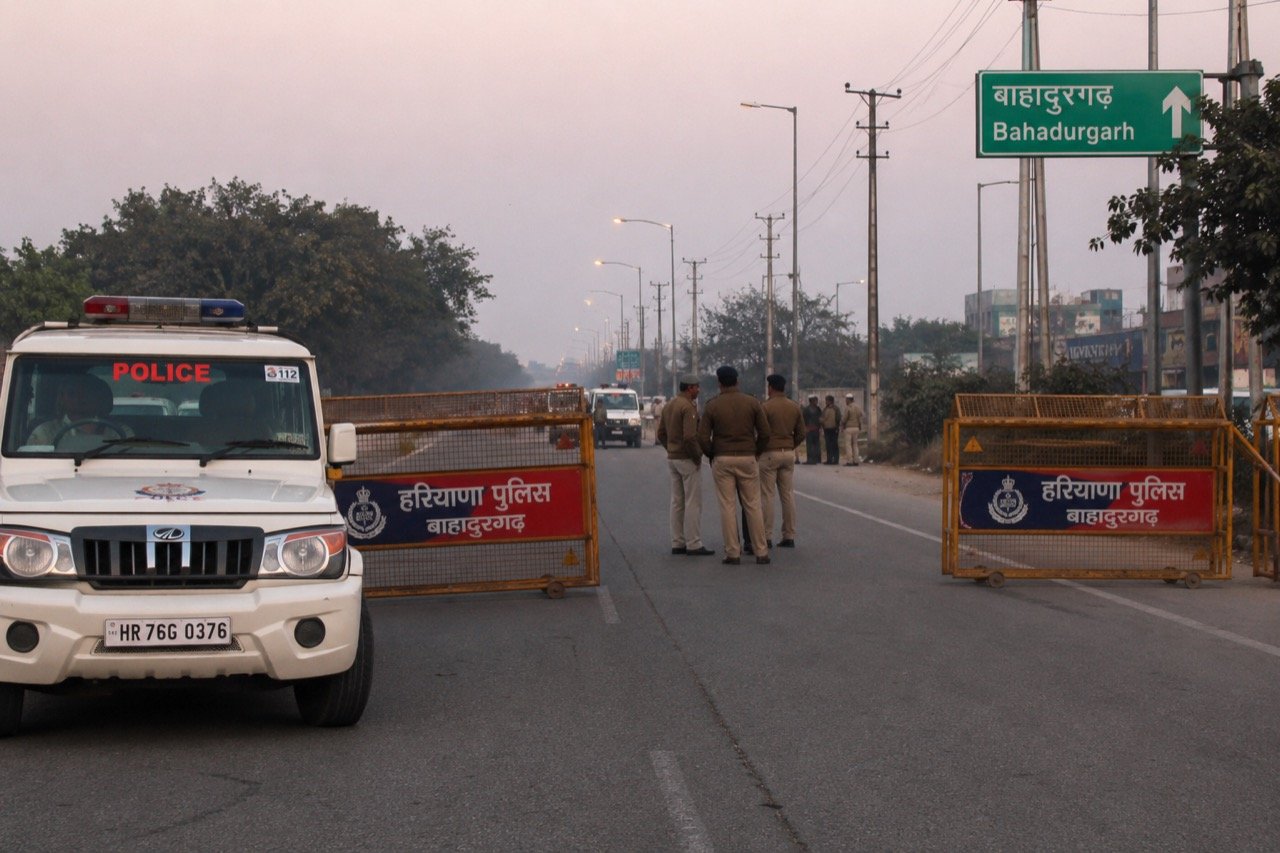
Bishnoi Gang Suspects Injured in Haryana Encounter as Police Tighten Net
A joint Haryana-Delhi Police operation in Bahadurgarh left two suspected Lawrence Bishnoi gang members injured, spotlighting the multi-state coordination now central to India's fight against organised crime networks.