Pune Metro Line 3 Enters Safety Inspection, First Stretch Nears Launch
India's first public-private metro corridor is undergoing statutory safety checks in mid-June, clearing the way for a planned opening of its initial 12-station section to commuters.
Commentary & Analysis ·
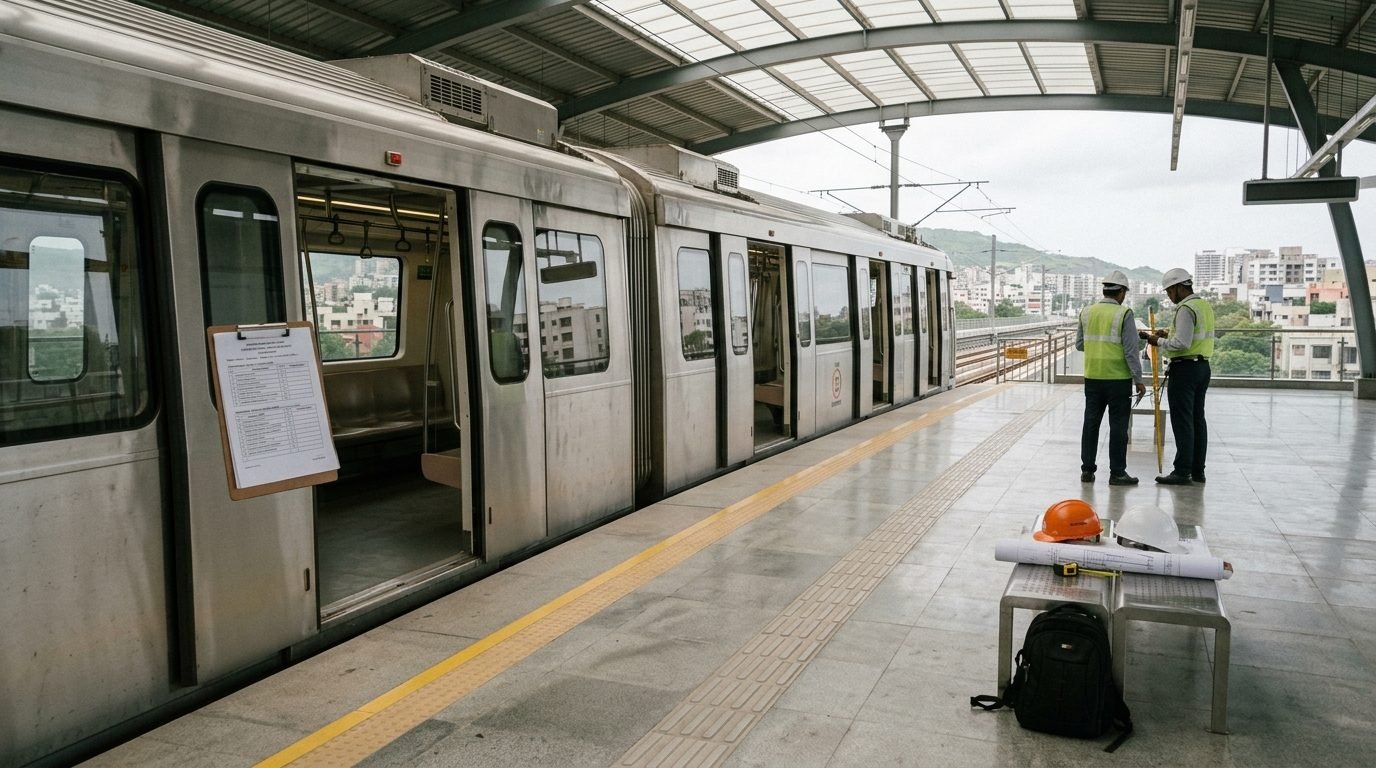
Pune's long-awaited Metro Line 3 has moved into its decisive phase, with the Commissioner of Metro Rail Safety scheduled to carry out statutory inspections of the corridor between 15 and 20 June. A clean safety certificate would clear the elevated line for passenger operations, easing one of the city's most congested commutes.
The inspection is the last formal gate before a metro can carry the public, and it is a thorough one - covering signalling, track, station systems, emergency procedures and the integrity of the elevated structure. For a corridor that has been years in the making, the mid-June window represents the difference between a line that is built and a line that is actually running.
The first stretch to open
The first section to open will link Maan in the Hinjawadi IT belt to Ramnagar in Baner, covering roughly 12 km across 12 stations. Officials expect the stretch to cut travel time between the sprawling Rajiv Gandhi IT Park and central Pune to around 30 to 45 minutes during peak hours, a sharp improvement on the stop-start road journey that workers there currently endure.
Anchoring the opening at the Hinjawadi end is deliberate. The IT park is one of the largest employment clusters in the region, and routing the first trains through it targets the corridor's most acute pain point - the daily commute of tens of thousands of office-goers whose road options have long been saturated.
A different model for metro building
Line 3 is notable as a fully elevated, 23.2-km corridor with 23 stations developed on a public-private partnership basis, a departure from the publicly funded model used for most Indian metros. The remaining 11 stations are slated to open later in the year, meaning commuters will get the network in phases as the second half of the route is commissioned.
The PPP structure is the line's most-watched feature. Most Indian metros are funded and run by government-owned corporations, often with central and state backing and multilateral loans. A privately developed corridor shifts more of the construction and operating risk onto the private partner, and its performance is likely to be studied closely by other cities weighing how to finance their own rail expansions.
Why it matters for Pune
Daily commuters in Hinjawadi, home to tens of thousands of IT workers, have for years contended with severe road gridlock, and the line is being positioned as a key relief measure. The promise of a predictable 30-to-45-minute ride to central Pune is significant in a corridor where road travel times can swing wildly with traffic and weather.
The wider stakes extend beyond commute times:
- Relief for the chronically congested Hinjawadi-Baner road corridor
- Faster, more predictable access to the Rajiv Gandhi IT Park
- A real-world test of the public-private partnership model for Indian metros
- A phased rollout, with 11 further stations due later in 2026
If the safety inspection goes smoothly, the initial 12-station section could begin carrying passengers soon after, with the rest of the corridor following through the year. For Pune, the line is both an immediate fix for a notorious bottleneck and a longer-term bet on whether private capital can help close the country's urban-transit gap.
The NE Times View
India's first PPP metro corridor is a test case for whether private capital can deliver urban transit that public agencies have struggled to finance. Statutory safety checks before launch are reassuring and non-negotiable. If the model works, it offers a template for cash-strapped cities; if it falters on fares or ridership, it will cool private appetite. The opening matters, but the real verdict comes from daily commuters and the books.
This article is original commentary and analysis by The NE Times. Background facts were referenced from Indian Express, Hindustan Times.
You may also like to read
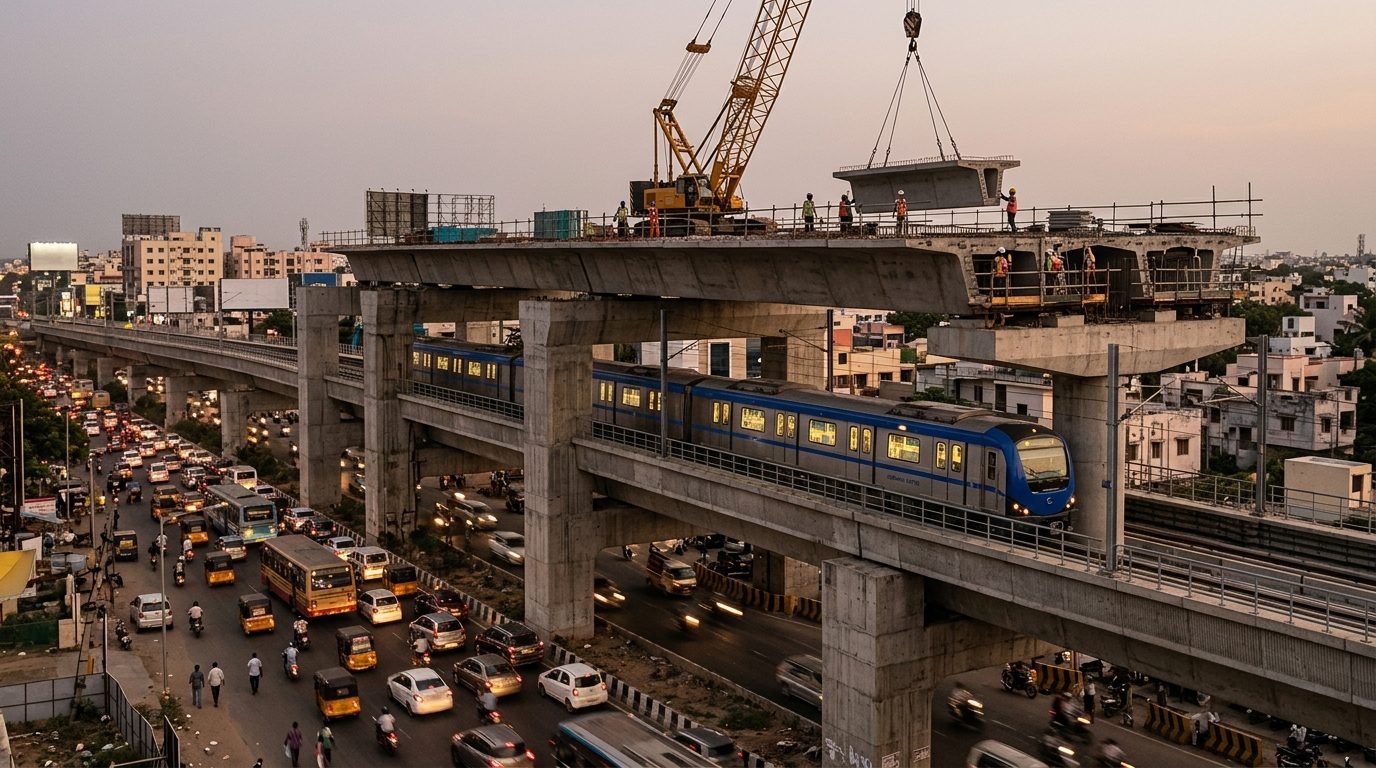
Chennai Metro readies its first double-decker corridor along Arcot Road
Part of the Phase II network, the stacked viaduct on Arcot Road places two metro corridors one above the other, with services on the Poonamallee Bypass to Vadapalani stretch cleared for operations and the Porur section moving toward commissioning.
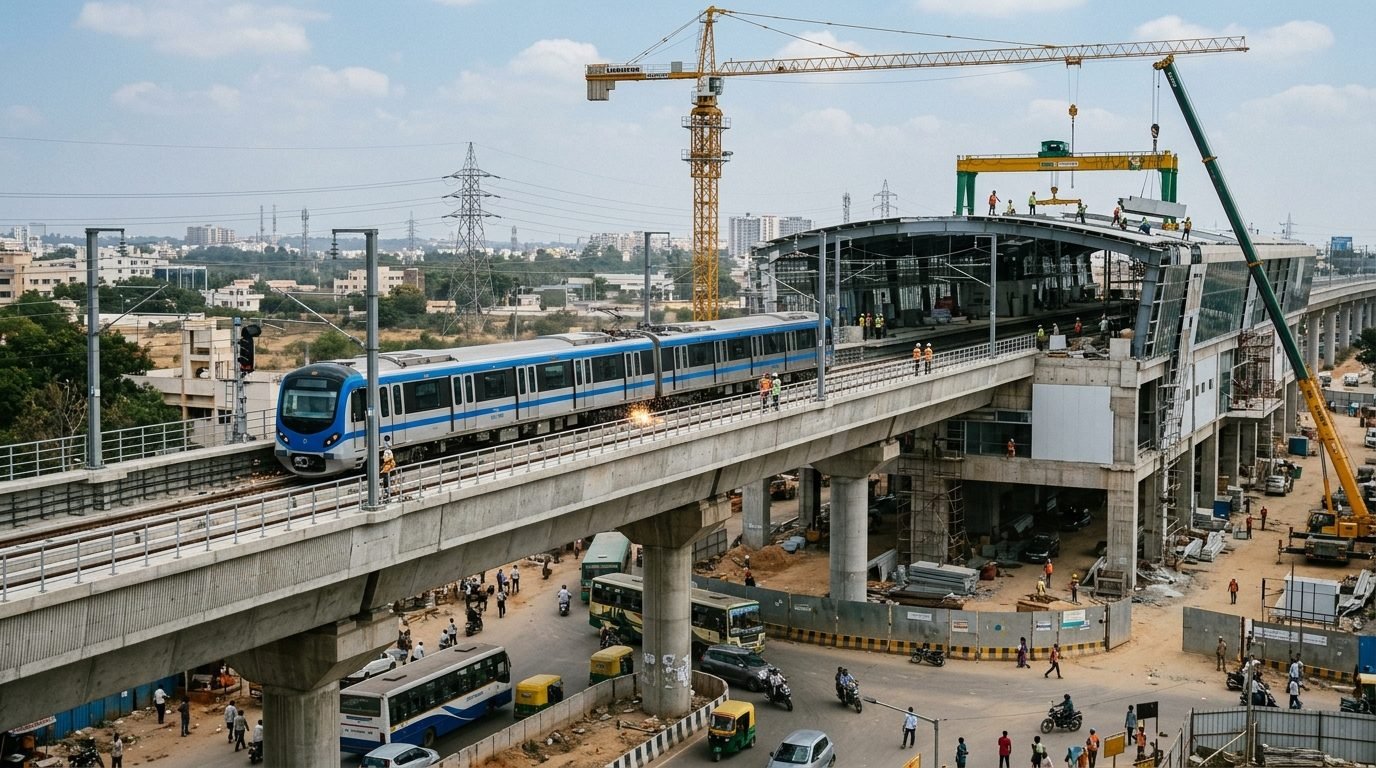
Bengaluru's Airport Metro Nears Finish Line As Blue Line Works Target Completion
Karnataka officials say construction on the Silk Board-K R Puram-airport corridor is on course for completion this month, promising the city a long-awaited rail link to its airport.
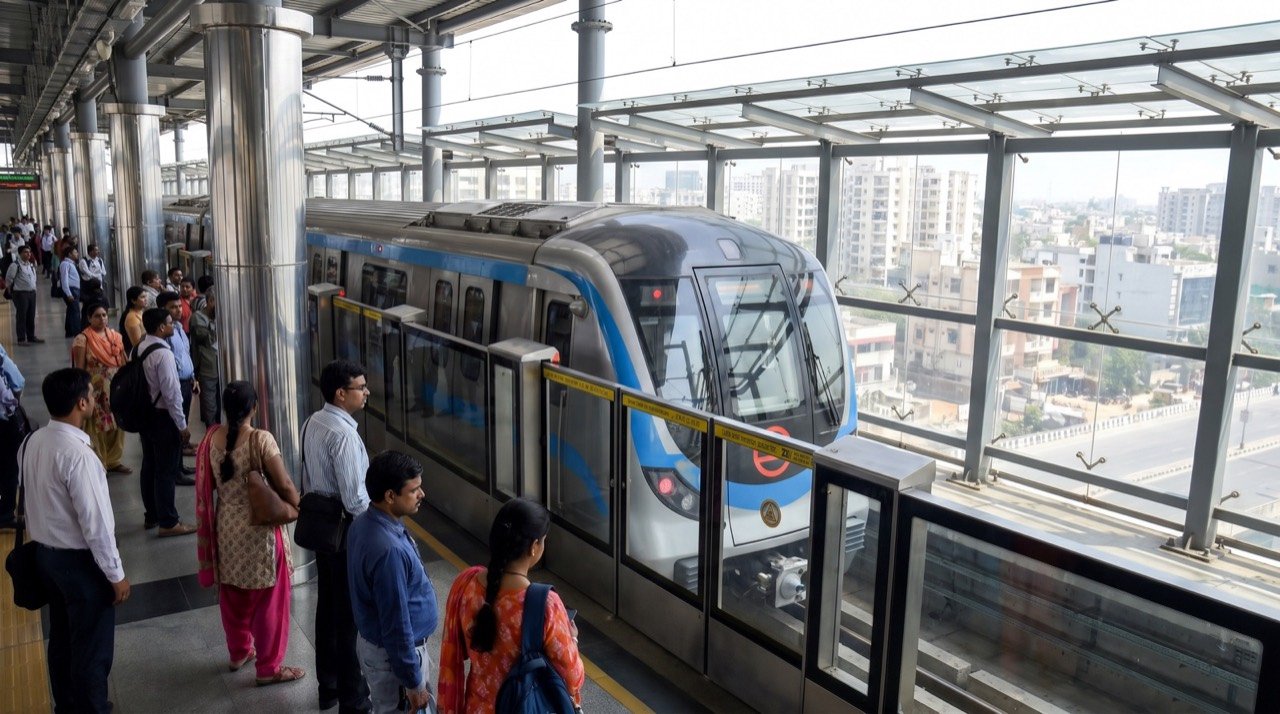
Metro Network Expansion Promises to Ease the Daily City Commute
New corridors and station upgrades are set to cut travel times for millions, as cities double down on public transit.
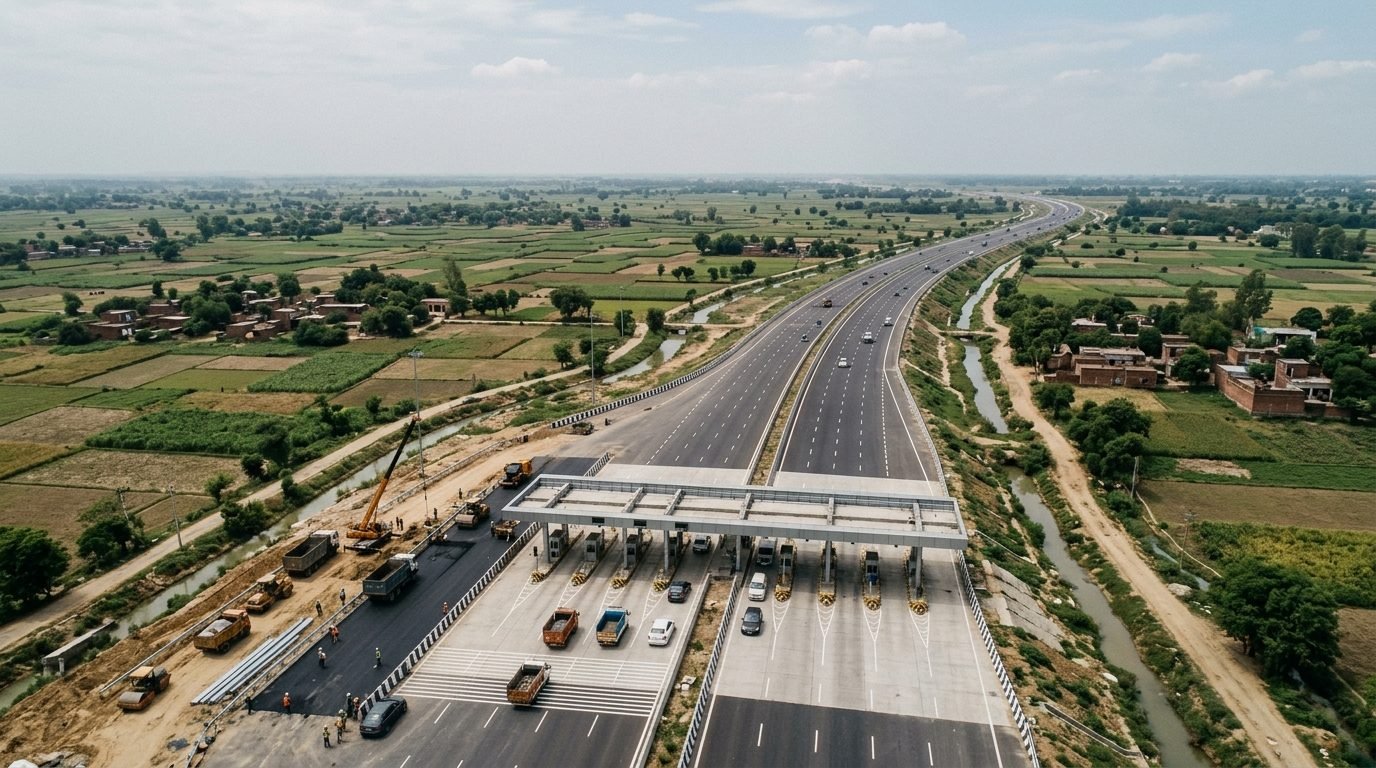
Delhi-Kolkata Six-Lane Corridor Nears Completion as Highway Push Accelerates
The 31,700-crore-rupee, roughly 610-km expressway across four states is being readied for completion, part of a broader expansion of India's high-speed road network.
More from this section
More
AICTE Industry Fellowship 2026: Rs 1.5 Lakh Scheme Closes July 5
The AICTE Industry Fellowship Programme 2026, which places technical-education faculty inside leading companies on a Rs 1.5 lakh monthly stipend, reached its application deadline on July 5.

Bay of Bengal Low Pressure System Revives Monsoon Over Western India
A low-pressure system over the Bay of Bengal has pushed the monsoon back into an active phase, bringing steady heavy rain to Kerala, coastal Karnataka and Maharashtra, and putting Mumbai and Pune on preparedness watch.
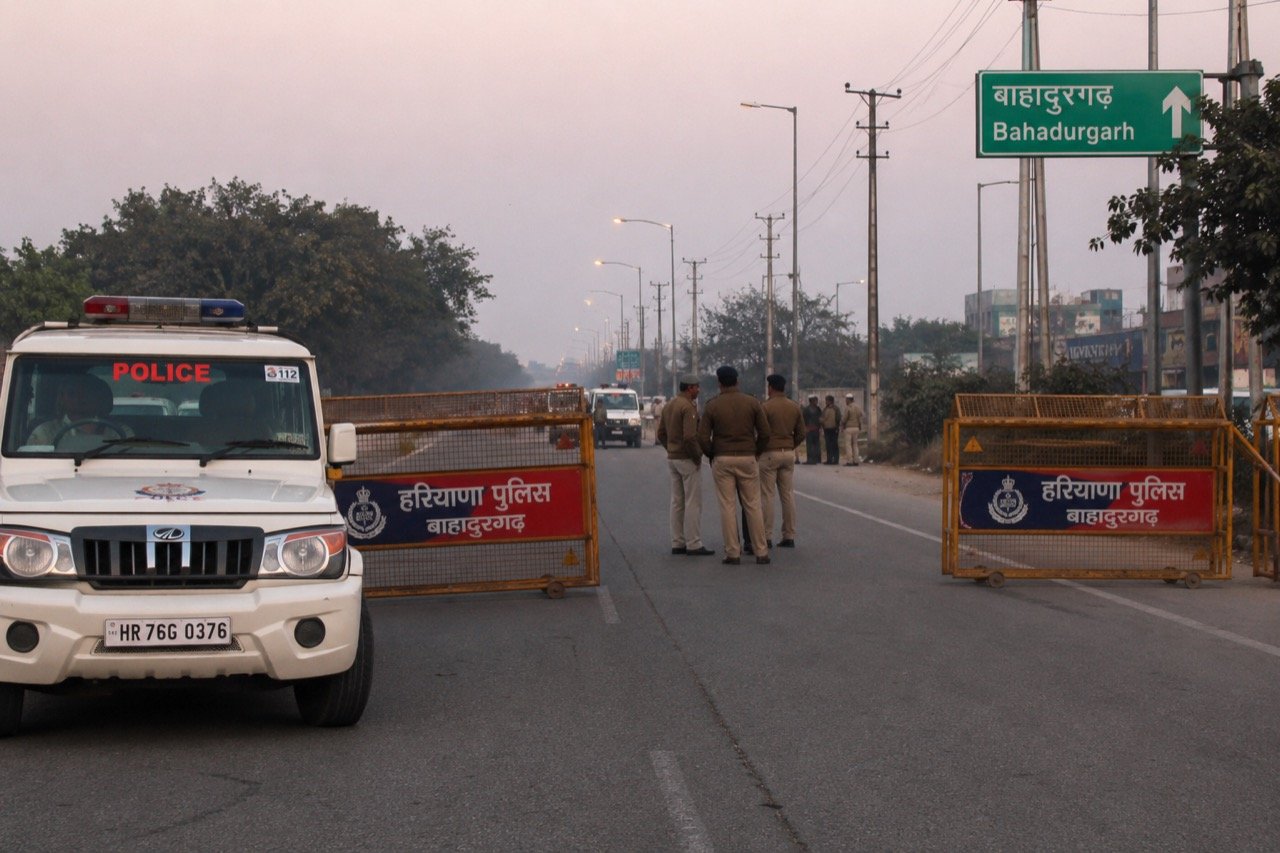
Bishnoi Gang Suspects Injured in Haryana Encounter as Police Tighten Net
A joint Haryana-Delhi Police operation in Bahadurgarh left two suspected Lawrence Bishnoi gang members injured, spotlighting the multi-state coordination now central to India's fight against organised crime networks.