Cheaper Weight-Loss Drugs Loom in India as Key Patent Expires
With the patent on semaglutide lapsing in 2026, Indian generic makers are lining up their own versions, and the government plans incentives to spur local production.
Commentary & Analysis ·
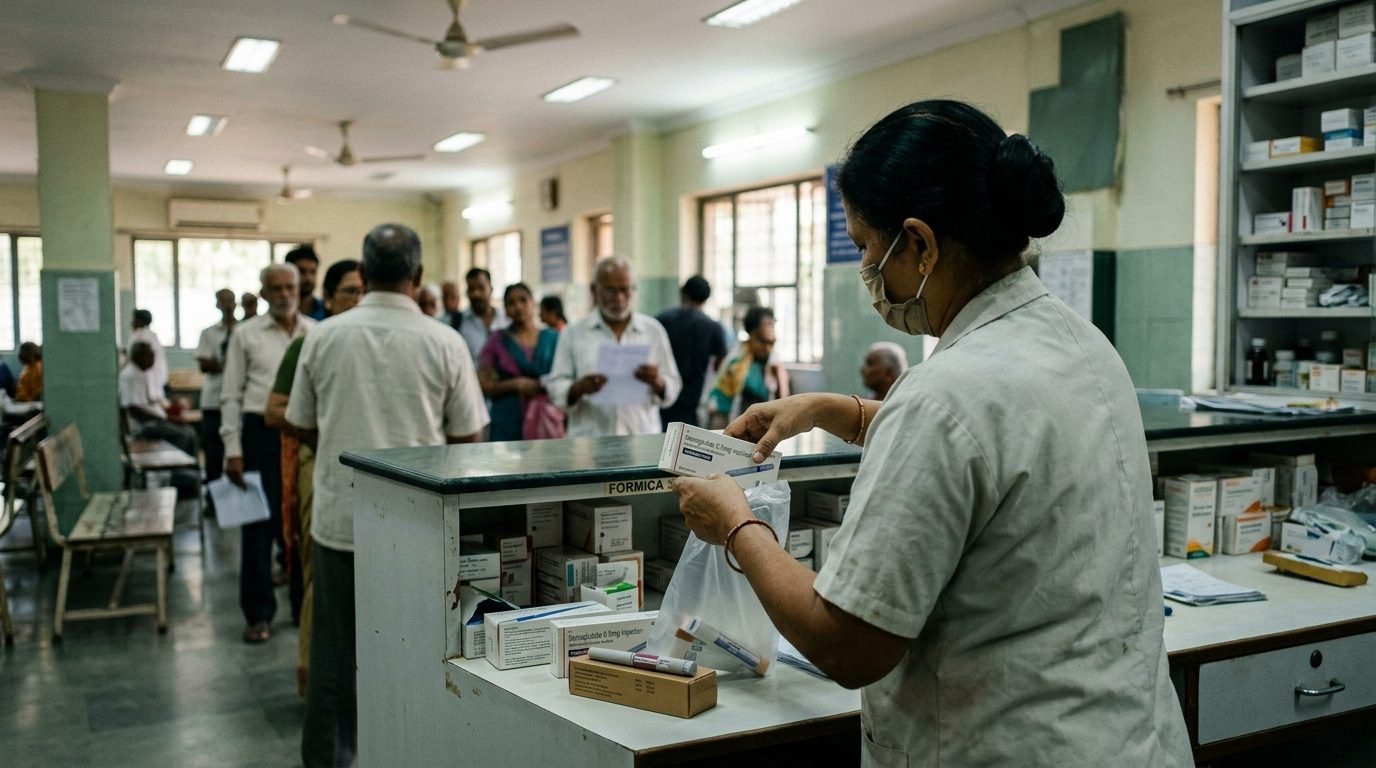
The drugs at the centre of the world's weight-loss conversation are about to get cheaper in India. With the composition patent on semaglutide, the active ingredient in widely known diabetes and obesity treatments, having expired in the country in March, a clutch of domestic manufacturers now have clearance to sell their own versions. The development marks one of the most consequential moments in years for a class of medicines that has reshaped how doctors, patients and drugmakers think about obesity and type 2 diabetes.
By the day after the patent lapsed, more than half a dozen Indian generic makers had legal room to enter the market, among them several of the country's largest pharmaceutical names. India's generics industry has long been described as the pharmacy of the developing world, and the expiry of a high-value patent typically triggers a rush of lower-cost competitors. With semaglutide, the stakes are unusually large, because the demand for weight-management therapies has grown far faster than affordable supply has been able to meet it.
Why semaglutide matters
Semaglutide belongs to a family of drugs known as GLP-1 receptor agonists, which mimic a hormone the body produces to regulate blood sugar and appetite. Originally developed to manage type 2 diabetes, the molecule drew global attention when it was found to produce significant, sustained weight loss, fuelling a worldwide surge in demand. In many markets the branded versions have commanded premium prices and faced persistent shortages, putting them out of reach for large numbers of patients.
In a country where diabetes is highly prevalent and obesity is rising rapidly in urban populations, the arrival of affordable domestic versions could widen access dramatically. Lower prices tend to expand the treatable population well beyond those who could previously pay for branded imports, and India's scale means even modest price reductions can translate into very large numbers of new patients.
A policy push behind the price drop
The government is preparing to back the shift with incentives. Officials have confirmed that companies producing these medicines locally will be eligible for support under the production-linked incentive scheme once manufacturing begins. The programme, used across several sectors to encourage domestic production, is intended to reduce reliance on imports and build manufacturing capacity at home.
Tying weight-loss and diabetes therapies to the incentive framework signals that policymakers see them as strategically important rather than niche lifestyle products. By rewarding local output, the approach aims to lock in lower costs, secure supply chains and position Indian firms to serve both the domestic market and export demand from other price-sensitive countries.
What it means for patients
For patients, the immediate promise is lower prices and wider availability. Doctors caution that affordability should not be mistaken for a casual remedy. These are prescription medicines with real side effects, meant to be used under medical supervision alongside changes to diet and activity.
Clinicians have repeatedly stressed several points as access broadens:
- These therapies are prescription drugs intended for diagnosed conditions, not over-the-counter quick fixes
- They can carry side effects and are designed to be used under medical supervision
- Lasting results depend on pairing the medication with changes to diet and physical activity
- Affordability widens access but does not remove the need for clinical guidance
The outlook
As more manufacturers ramp up production and incentives take effect, India is likely to see a steadily expanding and more competitive market for these treatments through the coming year. The combination of patent expiry, a large patient base and government backing creates conditions for prices to fall further over time, though the pace will depend on manufacturing capacity, regulatory clearances and how carefully the medicines are prescribed. The central tension to watch is whether broader access can be matched with responsible, supervised use.
The NE Times View
The semaglutide patent lapsing is potentially the most consequential health story of the year for India, where obesity and diabetes are surging in step with affordability barriers. Generic competition could put a once-elite drug within reach of millions, and local-production incentives sharpen that promise. The risks are real - quality control and demand outpacing supply - but few policy shifts offer this much public-health upside this quickly.
This article is original commentary and analysis by The NE Times. Background facts were referenced from Deccan Herald, Moneycontrol.
You may also like to read
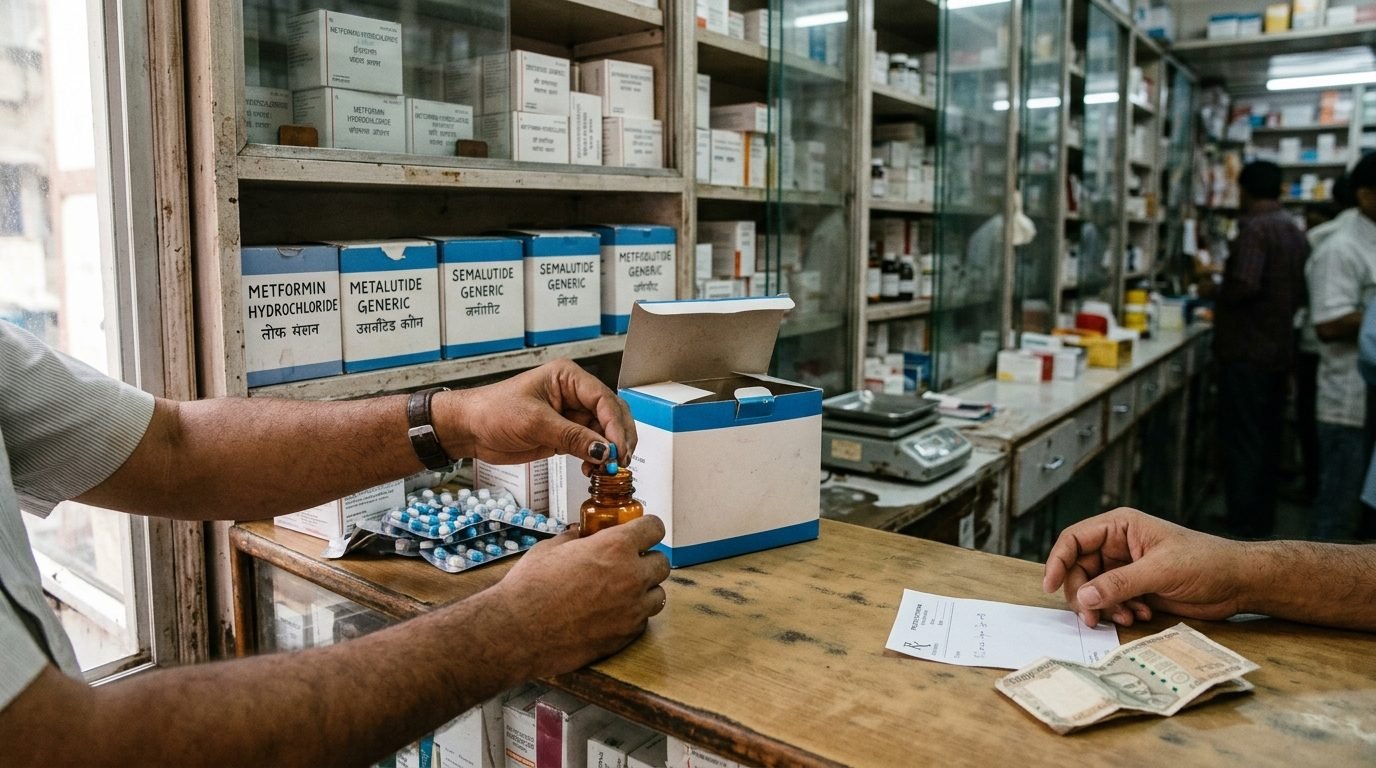
Cheaper Generics Reshape India's Booming Weight-Loss Drug Market
With semaglutide patents beginning to expire, a wave of low-cost Indian generics is widening access to GLP-1 weight-loss and diabetes drugs, even as doctors urge caution against misuse.
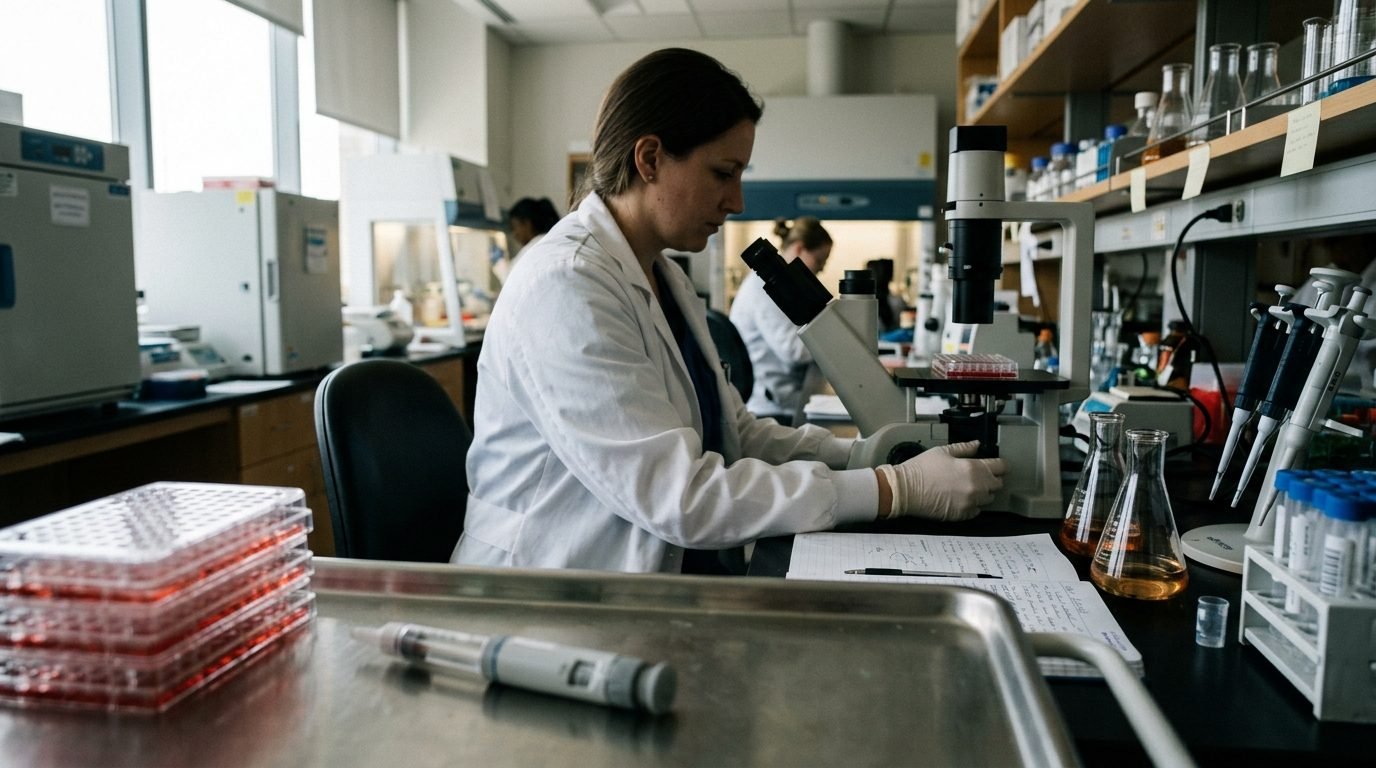
Weight-Loss Drugs May Slow the Spread of Some Cancers, Early Data Suggests
Real-world data presented at a major oncology meeting hints that GLP-1 medicines, already widely used for diabetes and obesity, may reduce the odds of certain cancers advancing.
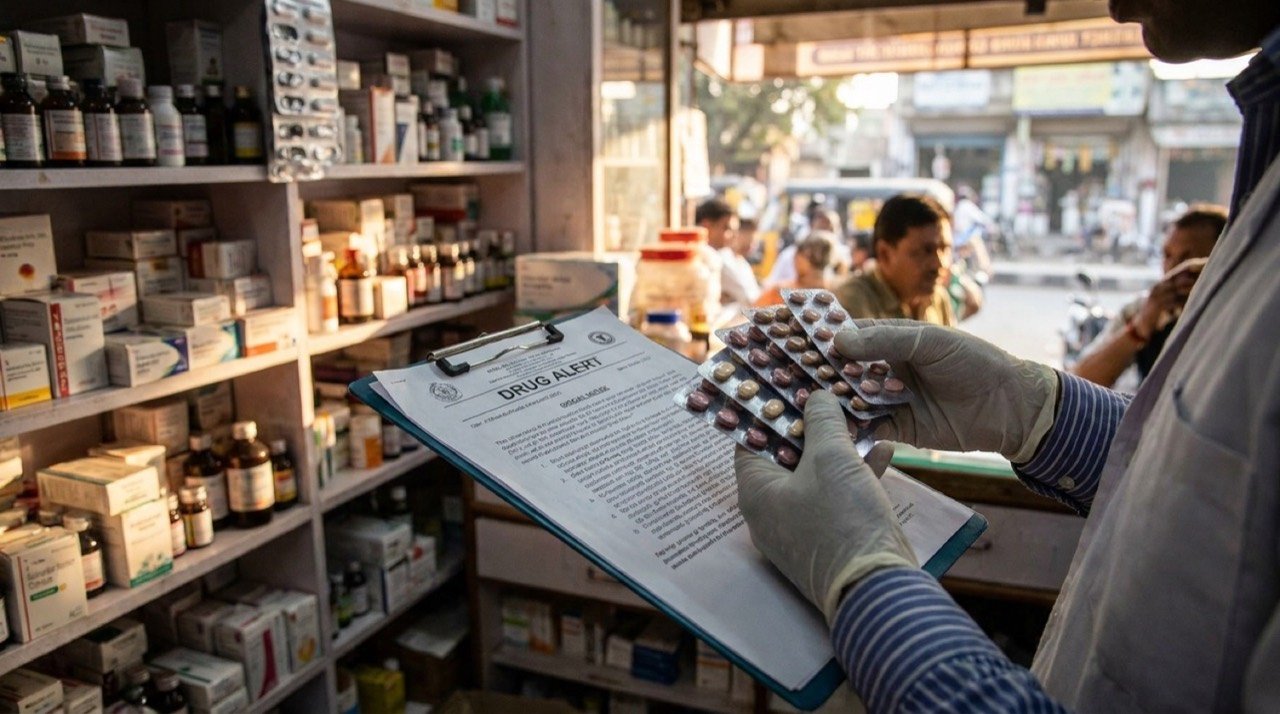
CDSCO Flags 159 Substandard Drug Samples in May, One Found Spurious
India's drug regulator CDSCO has marked 159 medicine samples as not of standard quality for May 2026, with one declared spurious, renewing scrutiny of batch-level quality control across the pharmaceutical supply chain.
WHO finds safer blood supplies worldwide, but warns millions still lack access
The agency's most comprehensive assessment yet shows voluntary donation rising past 85 percent, even as low-income countries remain far short of what their patients need.
More from this section
More
Health Insurance: Why Hospital Cashless Status Matters Before You Buy
Whether a hospital sits inside an insurer's cashless network can decide if a family pays lakhs upfront during an emergency or walks in with paperwork alone, making it a first-order question for policy buyers.

Jharkhand Teen Dies During Fracture Treatment; CM Orders Probe
The death of a Jharkhand teenager during treatment for a reported fracture has led to family allegations of medical negligence and an official probe ordered by the Chief Minister into what went wrong.
Aarogya Setu 2.0 Returns as India's Personal Health Record App
The pandemic-era contact tracing app has been relaunched as a personal health record platform, betting that portable medical data can find a place in India's growing digital health ecosystem.