Cheaper Generics Reshape India's Booming Weight-Loss Drug Market
With semaglutide patents beginning to expire, a wave of low-cost Indian generics is widening access to GLP-1 weight-loss and diabetes drugs, even as doctors urge caution against misuse.
Commentary & Analysis ·
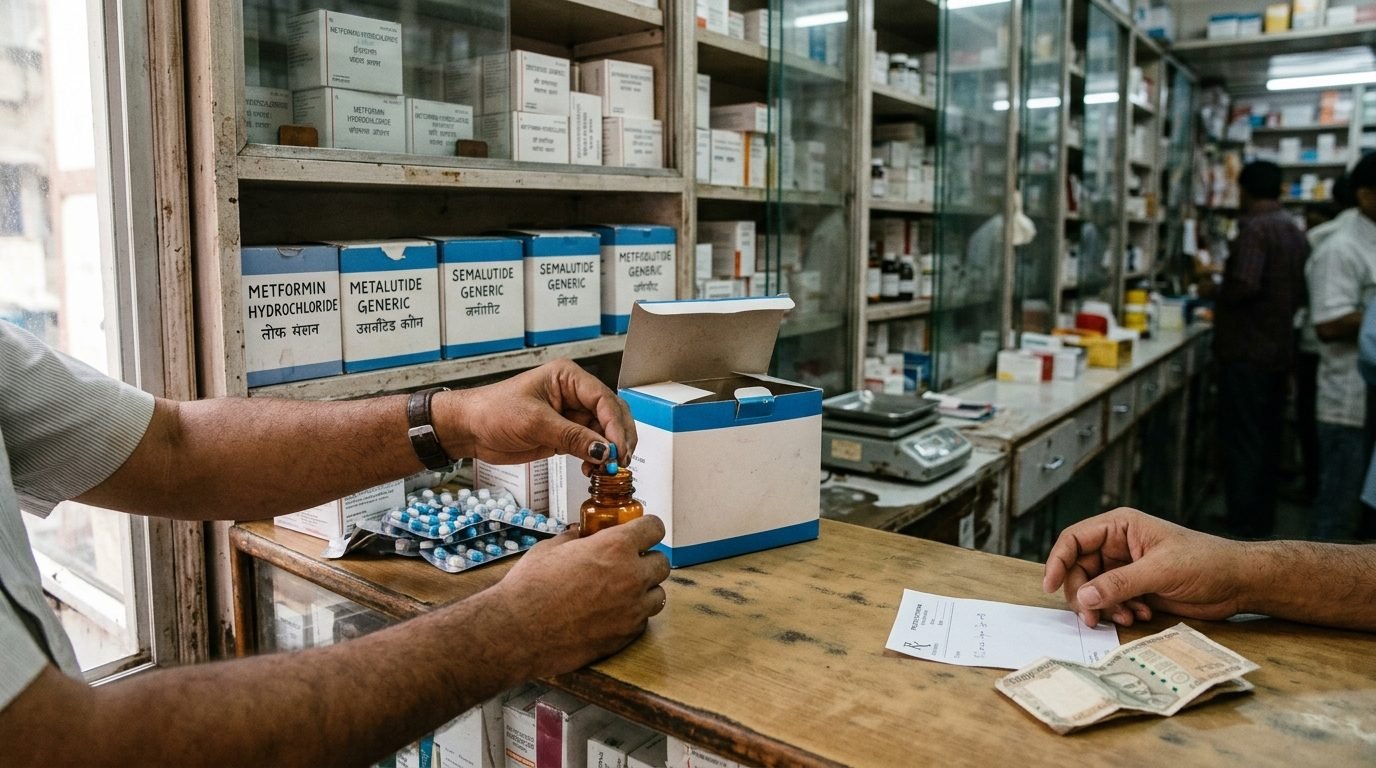
The class of drugs that upended global obesity treatment is now being rewritten by Indian pharma. As patents on semaglutide begin to expire in 2026, a wave of lower-cost domestic generics is entering the market, pushing down prices and widening access to GLP-1 therapies that were until recently the preserve of the wealthy. The shift could prove one of the most consequential health stories of the year, touching not just individual patients but the trajectory of India's two most expensive chronic disease burdens: type 2 diabetes and obesity.
A market on fire
India's obesity-drug market has surged, reaching roughly 1,900 crore rupees in the twelve months to May 2026, more than tripling from a year earlier. That kind of growth, in little over twelve months, is the sort of trajectory usually associated with consumer technology rather than prescription medicine, and it signals how quickly demand has moved once price and awareness barriers began to fall. Eli Lilly's tirzepatide and Novo Nordisk's semaglutide brands have led the way, establishing the category and demonstrating clinical results that made GLP-1 drugs a global phenomenon. But generic launches and innovator price cuts are now rapidly democratising what was, until recently, an elite treatment reserved for those who could pay import-level prices out of pocket.
Indian drugmakers including Dr. Reddy's, Cipla, Sun Pharma, Lupin, Biocon and Aurobindo are positioning for a high-volume, low-cost market, both at home and for export, as one of the world's biggest diabetes and obesity populations becomes a battleground. This is a familiar playbook for Indian pharmaceutical companies, which have long built global businesses on the back of generics for cardiovascular disease, HIV and cancer. The scale of India's own diabetes and obesity burden, however, means this is not simply an export opportunity dressed up as a domestic story; the home market itself is large enough to sustain multiple manufacturers at volume.
Why the timing matters
Patent expiry dates are rarely dramatic events in themselves, but semaglutide's 2026 expiry in India arrives at a moment when public appetite for these drugs has already been primed by years of global coverage of their effectiveness. That combination, a expiring patent plus a market already educated about the product, is what has allowed adoption to accelerate as fast as it has. Where past generic transitions in India have sometimes taken years to translate into meaningful price competition, the obesity-drug category appears to be compressing that timeline, helped along by the sheer number of manufacturers racing to enter simultaneously.
For patients, the practical effect is straightforward: drugs that once required significant disposable income, or a willingness to import them informally, are becoming available through mainstream domestic retail and hospital channels at a fraction of the earlier cost. That is precisely the kind of structural shift that can move a therapy from a niche urban indulgence to a genuine public health tool.
Promise and peril
For a country carrying an enormous and rising burden of type 2 diabetes and obesity, cheaper access to drugs that improve blood sugar and drive significant weight loss is genuinely transformative. Both conditions impose costs far beyond the individual, straining household budgets, workplace productivity and the public health system, so any credible way of treating them at scale deserves serious attention.
But the same accessibility raises red flags. Regulators and clinicians have warned against unsupervised use, cosmetic misuse and supply driven by social media rather than medical need. A drug that is easy to obtain and carries a powerful, visible effect on body weight is almost tailor-made for demand that has nothing to do with diabetes or clinical obesity, and everything to do with aesthetic pressure amplified by social media. That is a very different problem from the one the drugs were designed to solve, and it is the reason the same headline, cheaper GLP-1 drugs, can be read as either a public health triumph or a looming regulatory headache depending on how the rollout is managed.
Key facts underpinning this shift include: semaglutide's patent expiry in 2026 has opened the door to Indian generics; the domestic obesity-drug market more than tripled in a year; tirzepatide and semaglutide brands currently lead sales; and doctors have already warned against unsupervised and cosmetic misuse of GLP-1 drugs.
What regulators want
Authorities have moved to clarify how these drugs may be prescribed and sold, stressing that they are medicines for defined conditions, not lifestyle shortcuts. That distinction, between a therapeutic tool for diagnosed diabetes or obesity and a discretionary weight-loss aid, is likely to be the central regulatory battleground over the coming months. The challenge for India will be capturing the public health upside, better-managed diabetes and obesity, without the harms that follow when potent drugs flow too freely, whether through informal online sales, unsupervised dosing, or prescribing that drifts from clinical need toward cosmetic demand.
An endocrinologist from a diabetes care network put the tension plainly: affordability is a breakthrough, but a prescription pad and proper monitoring still have to come with it. That single line captures the balancing act facing regulators, manufacturers and doctors alike. Lower prices solve the access problem; they do nothing, on their own, to solve the oversight problem, and in some respects they make it harder, since wider availability inevitably means a wider and less controllable base of potential misuse.
What to watch next
Several threads are worth tracking as this story develops. First, whether pricing continues to fall as more manufacturers, beyond the initial group of Dr. Reddy's, Cipla, Sun Pharma, Lupin, Biocon and Aurobindo, bring their own versions to market, since further competition would likely accelerate the affordability trend already under way. Second, how enforcement actually functions in practice: whether prescription requirements are policed consistently across pharmacies, online platforms and informal channels, or whether the rules remain largely aspirational. Third, whether India's export ambitions in this category, leveraging the same low-cost manufacturing base that built its generics industry globally, materialise at meaningful scale, which would have implications well beyond the domestic market. And fourth, whether clinical outcomes data from this newly widened patient population, many of whom will be accessing GLP-1 therapy for the first time, begin to reflect the promised benefits in blood sugar control and weight management, or whether gaps in monitoring produce adverse effects that draw regulatory scrutiny.
The NE Times View
Cheaper Indian generics widening access to GLP-1 drugs is a real win for patients with diabetes and obesity, conditions that quietly burden the economy through lost productivity, strained households and an overstretched health system. This is not a marginal improvement; it is the kind of structural price shift that can change population-level outcomes over time.
Yet affordability without oversight invites harm, as weight-loss demand drives misuse and unsupervised dosing. The challenge for regulators is to keep prices low while enforcing prescription discipline, so a public-health tool does not curdle into a lifestyle fad with side effects. India has navigated similar tensions before with other drug categories, but rarely at this pace or with this much public enthusiasm attached. Getting the balance right will require sustained coordination between drug regulators, medical bodies and platforms where these products are marketed and sold, not a one-off policy announcement.
Key takeaways
- Semaglutide's 2026 patent expiry has opened India's obesity-drug market to domestic generics, ending the era when GLP-1 therapies were largely confined to the wealthy.
- The market has more than tripled in a year, reaching roughly 1,900 crore rupees to May 2026, led by Eli Lilly's tirzepatide and Novo Nordisk's semaglutide brands.
- Major Indian manufacturers, including Dr. Reddy's, Cipla, Sun Pharma, Lupin, Biocon and Aurobindo, are positioning for both domestic volume and export.
- Regulators and clinicians are warning against unsupervised use and cosmetic misuse, insisting these remain medicines for defined conditions rather than lifestyle shortcuts.
- The outcome hinges on whether India can pair falling prices with real prescription discipline, turning a genuine public health opportunity into lasting gains rather than a new set of harms.
You may also like to read
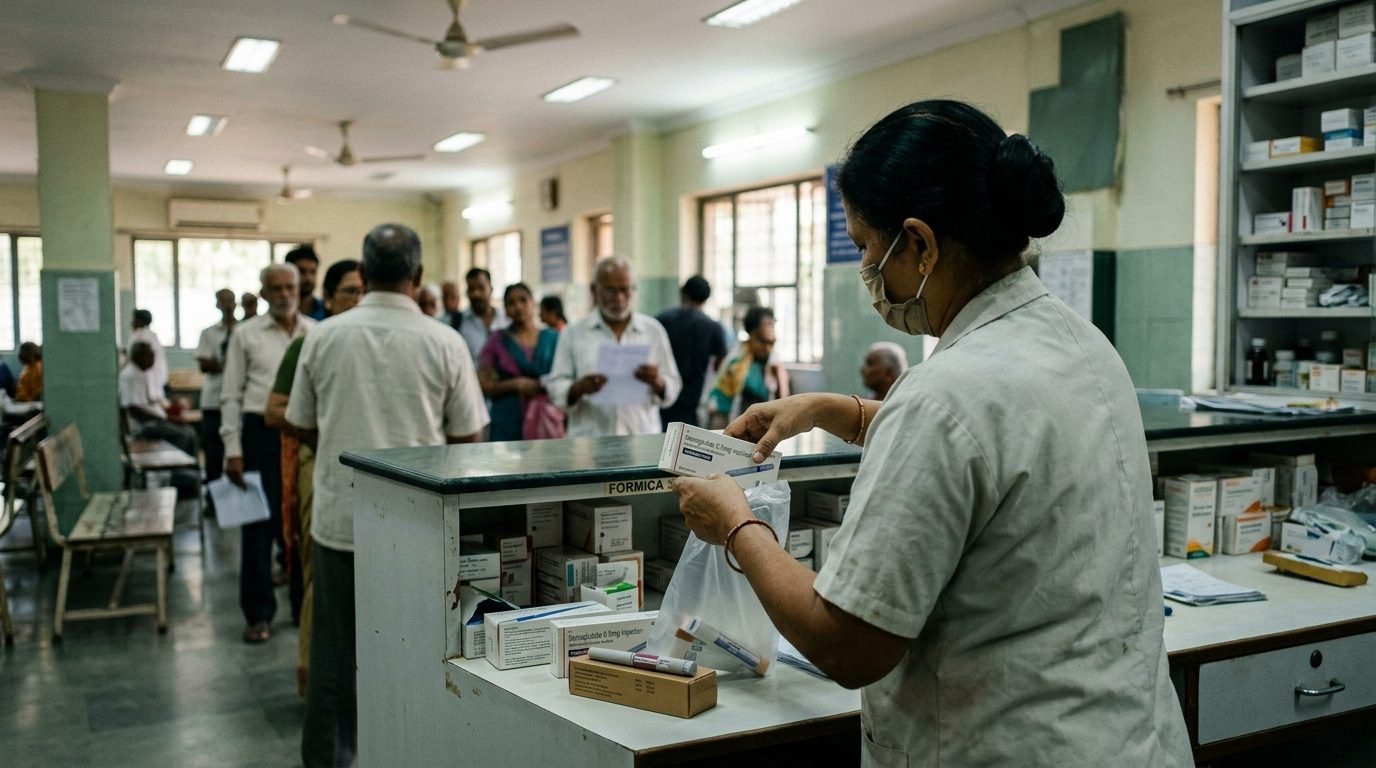
Cheaper Weight-Loss Drugs Loom in India as Key Patent Expires
With the patent on semaglutide lapsing in 2026, Indian generic makers are lining up their own versions, and the government plans incentives to spur local production.
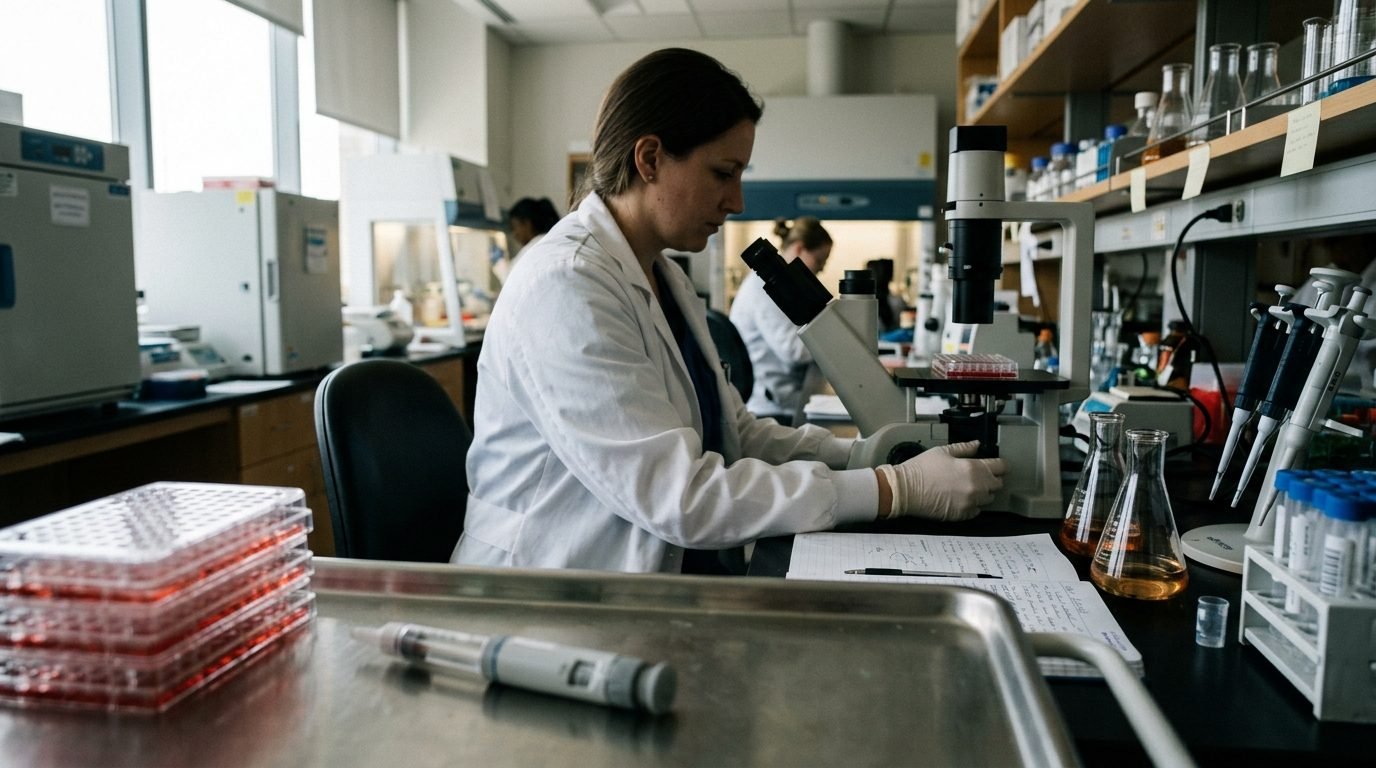
Weight-Loss Drugs May Slow the Spread of Some Cancers, Early Data Suggests
Real-world data presented at a major oncology meeting hints that GLP-1 medicines, already widely used for diabetes and obesity, may reduce the odds of certain cancers advancing.
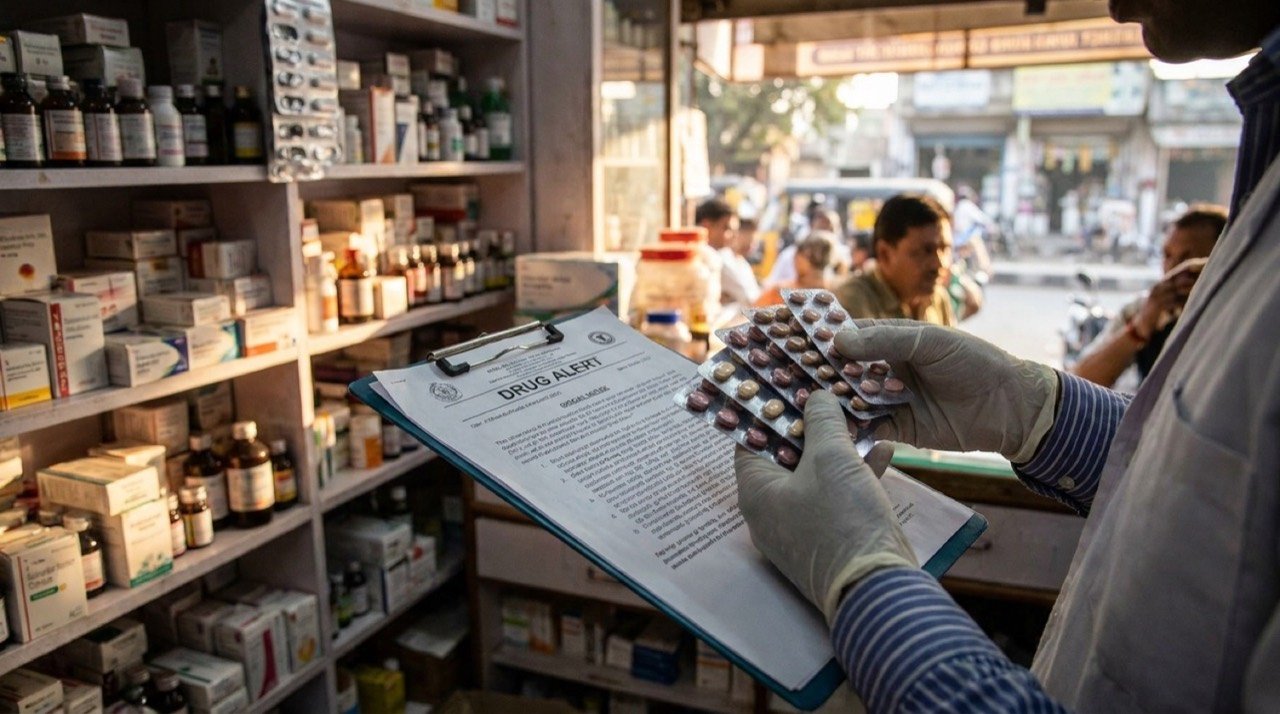
CDSCO Flags 159 Substandard Drug Samples in May, One Found Spurious
India's drug regulator CDSCO has marked 159 medicine samples as not of standard quality for May 2026, with one declared spurious, renewing scrutiny of batch-level quality control across the pharmaceutical supply chain.

Jharkhand Teen Dies During Fracture Treatment; CM Orders Probe
The death of a Jharkhand teenager during treatment for a reported fracture has led to family allegations of medical negligence and an official probe ordered by the Chief Minister into what went wrong.
More from this section
More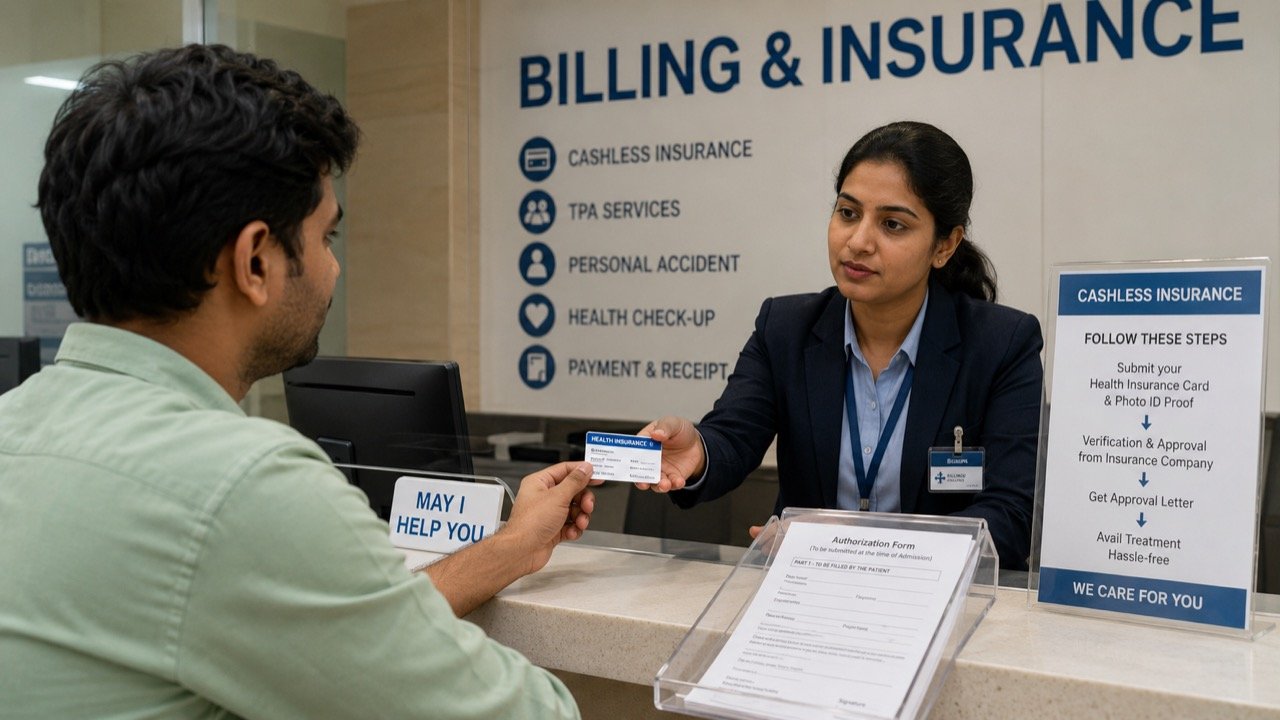
Health Insurance: Why Hospital Cashless Status Matters Before You Buy
Whether a hospital sits inside an insurer's cashless network can decide if a family pays lakhs upfront during an emergency or walks in with paperwork alone, making it a first-order question for policy buyers.
Jharkhand Teen Dies During Fracture Treatment; CM Orders Probe
The death of a Jharkhand teenager during treatment for a reported fracture has led to family allegations of medical negligence and an official probe ordered by the Chief Minister into what went wrong.
Aarogya Setu 2.0 Returns as India's Personal Health Record App
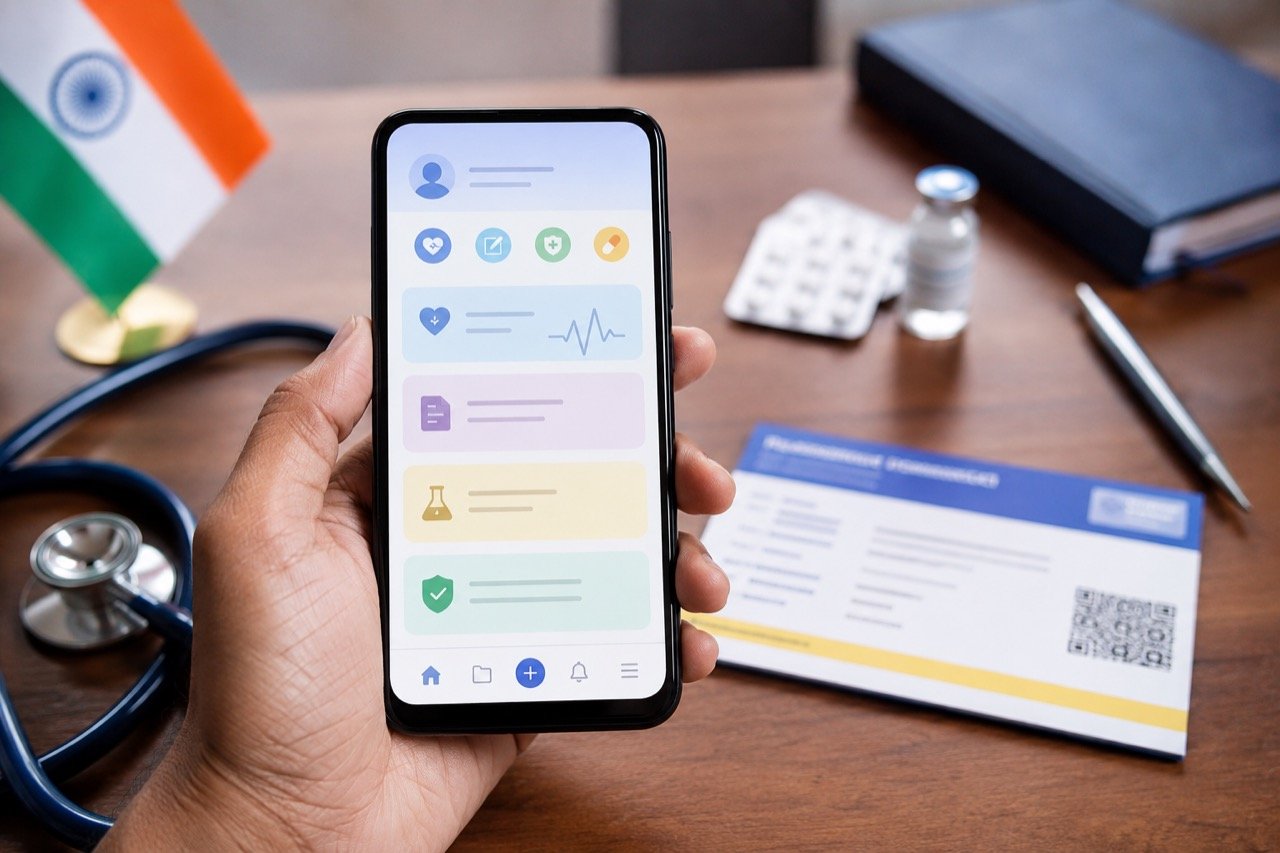
The pandemic-era contact tracing app has been relaunched as a personal health record platform, betting that portable medical data can find a place in India's growing digital health ecosystem.