Weight-Loss Drugs May Slow the Spread of Some Cancers, Early Data Suggests
Real-world data presented at a major oncology meeting hints that GLP-1 medicines, already widely used for diabetes and obesity, may reduce the odds of certain cancers advancing.
Commentary & Analysis ·
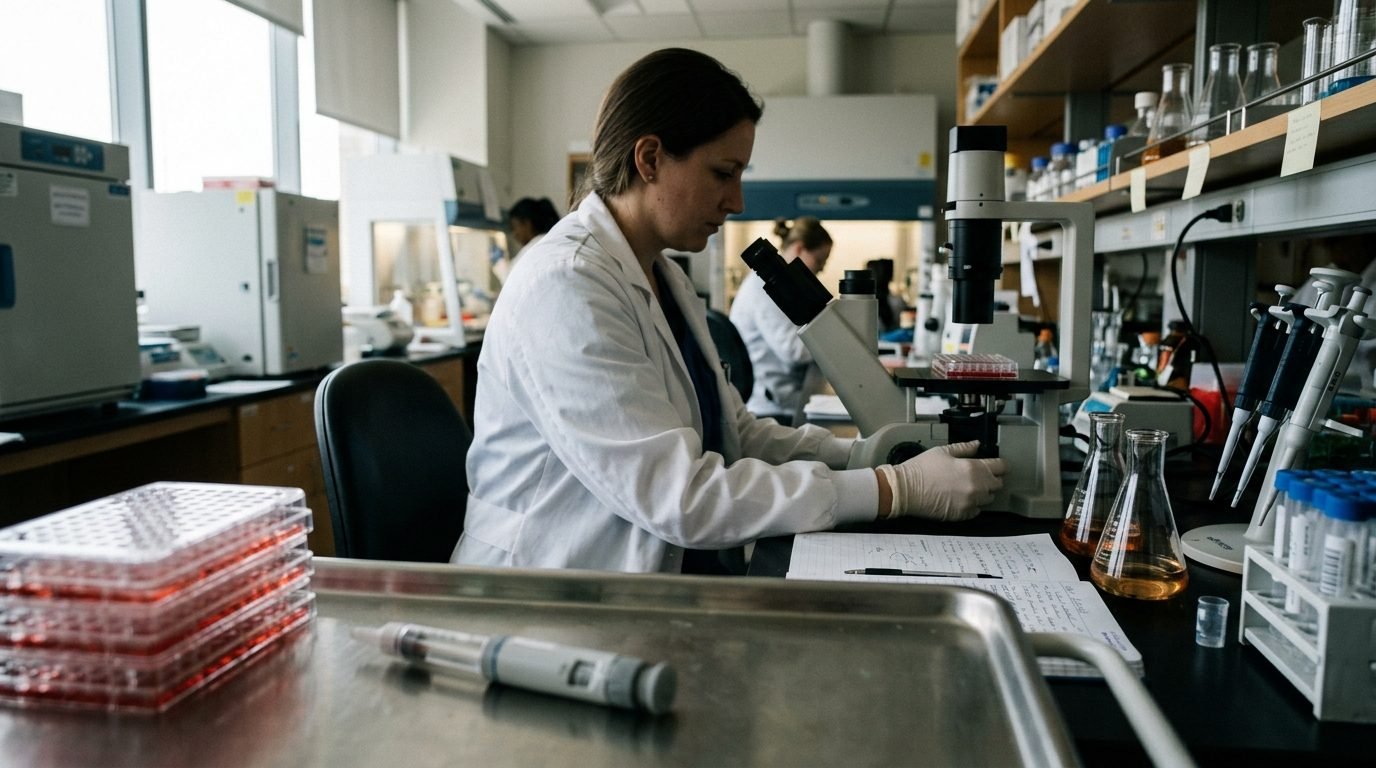
The class of drugs that powered the global weight-loss boom may have a second, unexpected benefit. Real-world data presented at this year's American Society of Clinical Oncology meeting in Chicago suggests GLP-1 medicines could lower the risk of some obesity-related cancers progressing, hinting at a role for these treatments well beyond the diabetes and weight management for which they are now widely used.
The data was shared at one of the most closely watched gatherings in cancer medicine, where new findings can shape how researchers prioritise future studies. While the results are far from definitive, they add a striking new dimension to the conversation around a drug class that has already transformed the treatment of obesity.
How the study was done
Researchers examined records from a large international health database, identifying more than 10,000 people diagnosed with one of seven cancer types. They compared those taking GLP-1 drugs with patients on an older class of diabetes medicine, a design that allowed them to look for differences in how the cancers behaved between the two groups.
Using existing health records on this scale lets researchers spot patterns across large numbers of patients quickly, but it also carries limitations that shape how the results should be read.
Where the effect was strongest
Across the seven cancers studied, four showed a statistically significant drop in progression, with the largest reductions in lung and breast cancer. People with lung cancer taking a GLP-1 drug were about half as likely to advance to stage 4 as those on the comparison medicine, a sizeable difference that helps explain why the findings drew attention at the meeting.
- More than 10,000 patients across seven cancer types examined
- GLP-1 users compared with patients on an older diabetes drug
- Four of the seven cancers showing a significant drop in progression
- Largest reductions seen in lung and breast cancer
- Lung cancer patients on GLP-1 about half as likely to reach stage 4
Why caution is warranted
Experts urged caution. The analysis is observational, meaning it can reveal a link but not prove the drugs caused the slower progression. People prescribed newer GLP-1 medicines may differ from those on older drugs in ways that influence their outcomes, and only carefully designed trials can disentangle the effect of the drug from such differences.
For that reason, the findings are best understood as a signal that justifies further investigation rather than a basis for prescribing these drugs to treat cancer. Confirming whether the effect is real, and understanding how it might work, will require dedicated studies.
Why it matters for India
The signal is nonetheless of interest in India, where obesity-linked cancers are rising and cheaper generics are expected to broaden access. If future research confirms a protective effect, the prospect of affordable GLP-1 medicines reaching more patients would carry particular weight in a country facing a growing burden of such cancers.
The outlook depends on rigorous follow-up trials to test whether the early promise holds. For now, the data adds intrigue to an already remarkable drug story and points researchers toward a question that, if answered favourably, could matter for millions: whether medicines first prized for weight loss might also help hold some cancers at bay.
The NE Times View
Hints that GLP-1 drugs may slow some cancers are tantalising but firmly in the hypothesis stage - real-world data signals associations, not proof. The excitement is understandable given how transformative these medicines already are, yet overstating cancer benefits risks fuelling demand and shortages for an unproven use. For Indian patients awaiting cheaper versions, the sensible takeaway is hope tempered by the wait for proper trials.
This article is original commentary and analysis by The NE Times. Background facts were referenced from NBC News, ASCO.
You may also like to read
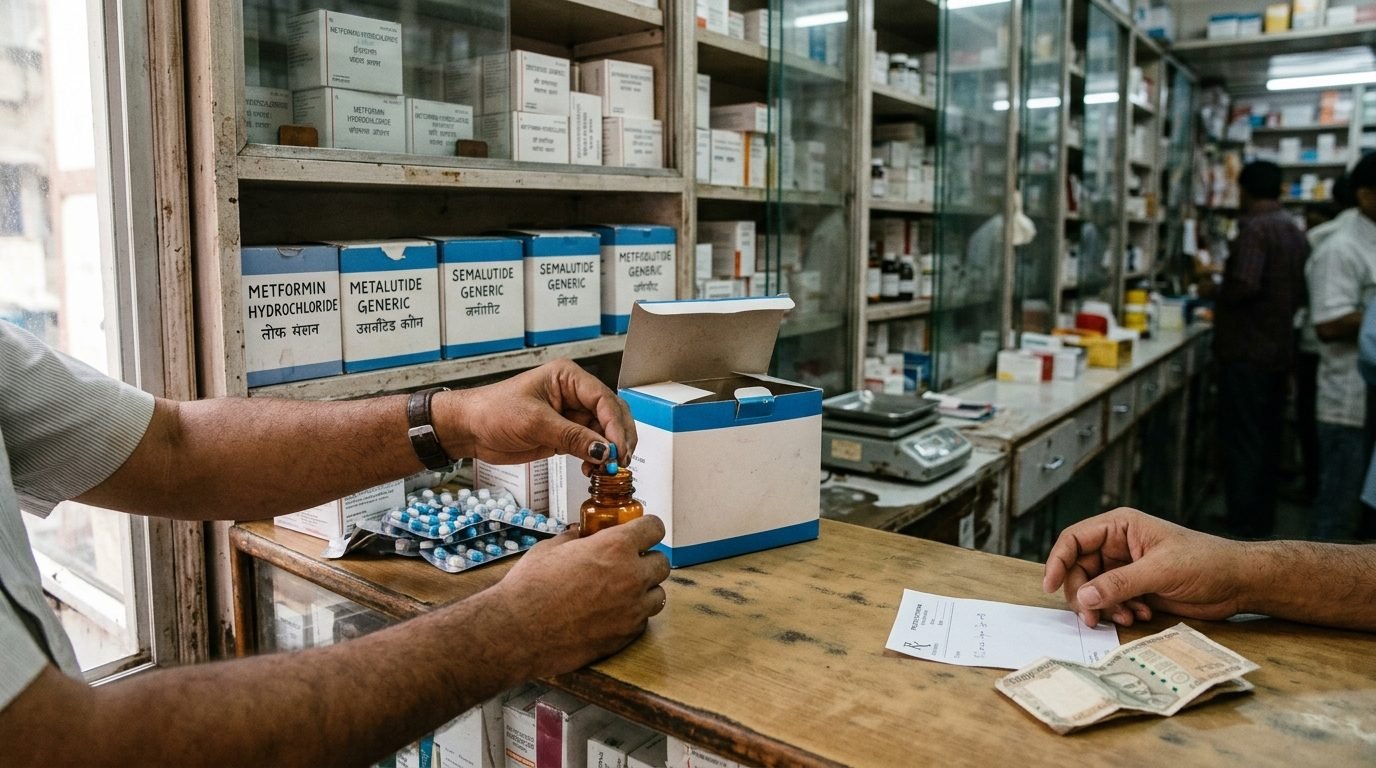
Cheaper Generics Reshape India's Booming Weight-Loss Drug Market
With semaglutide patents beginning to expire, a wave of low-cost Indian generics is widening access to GLP-1 weight-loss and diabetes drugs, even as doctors urge caution against misuse.
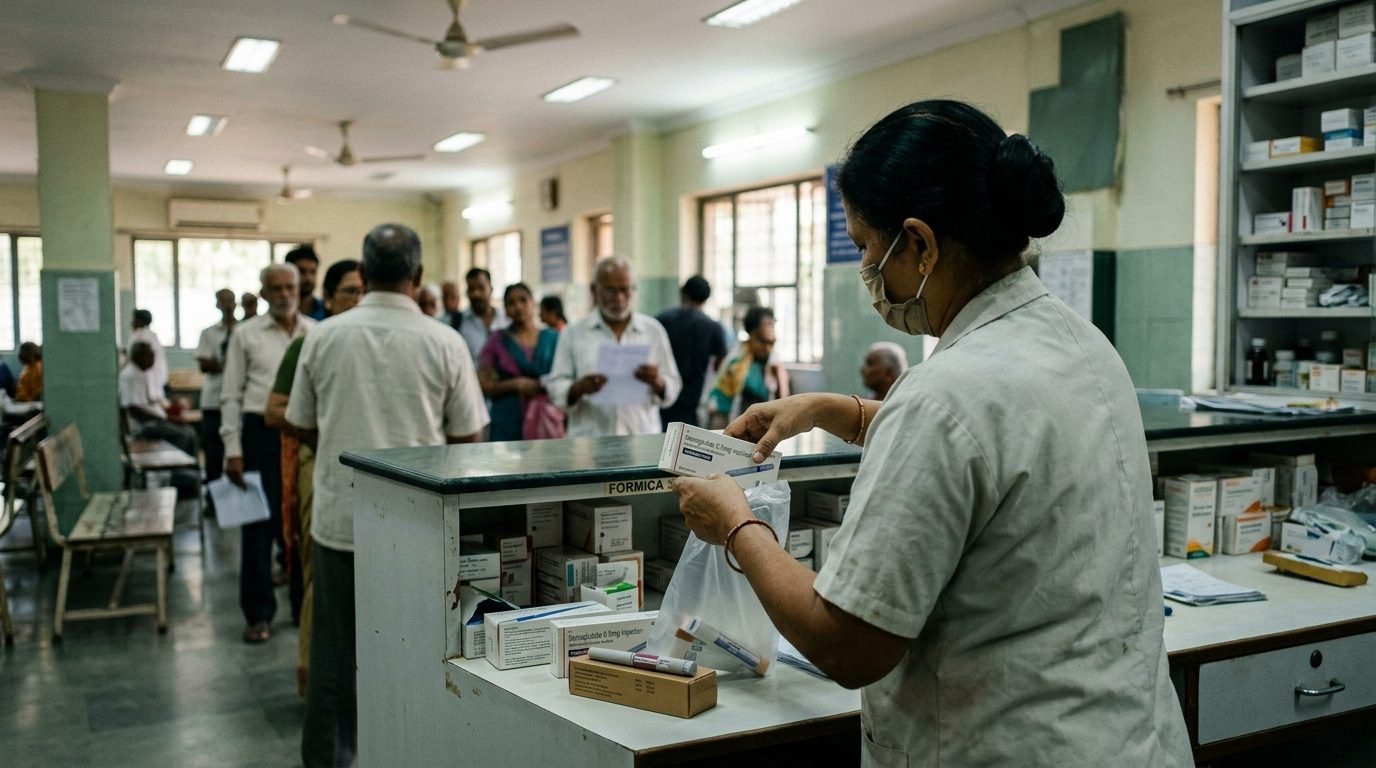
Cheaper Weight-Loss Drugs Loom in India as Key Patent Expires
With the patent on semaglutide lapsing in 2026, Indian generic makers are lining up their own versions, and the government plans incentives to spur local production.
A blood test for endometriosis edges closer, raising hope of ending years of diagnostic limbo
New validation data and menstrual-blood research suggest a future where a condition that takes years to identify could be flagged from a simple sample rather than surgery.

An AI Helped Design This Coronavirus Vaccine. It Just Passed Its First Human Test
A needle-free, AI-designed vaccine aimed at an entire family of coronaviruses cleared an early-stage human trial, generating broad immune responses without serious side effects.
More from this section
More
Health Insurance: Why Hospital Cashless Status Matters Before You Buy
Whether a hospital sits inside an insurer's cashless network can decide if a family pays lakhs upfront during an emergency or walks in with paperwork alone, making it a first-order question for policy buyers.

Jharkhand Teen Dies During Fracture Treatment; CM Orders Probe
The death of a Jharkhand teenager during treatment for a reported fracture has led to family allegations of medical negligence and an official probe ordered by the Chief Minister into what went wrong.

Aarogya Setu 2.0 Returns as India's Personal Health Record App
The pandemic-era contact tracing app has been relaunched as a personal health record platform, betting that portable medical data can find a place in India's growing digital health ecosystem.