A blood test for endometriosis edges closer, raising hope of ending years of diagnostic limbo
New validation data and menstrual-blood research suggest a future where a condition that takes years to identify could be flagged from a simple sample rather than surgery.
Commentary & Analysis ·
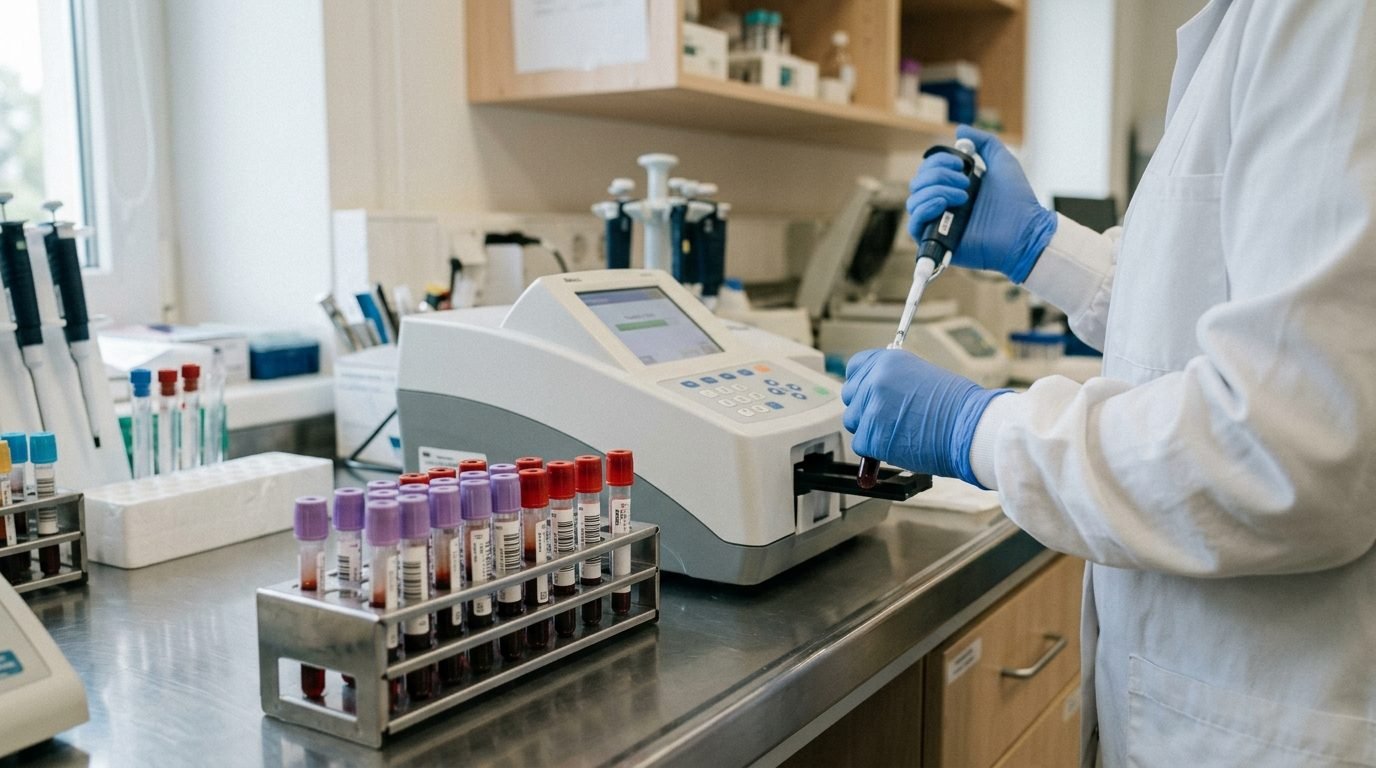
For the roughly one in ten women of reproductive age who live with endometriosis, the hardest part is often getting anyone to name what is wrong. The condition, in which tissue similar to the uterine lining grows elsewhere in the body, can cause debilitating pelvic pain, heavy periods and fertility problems. Yet on average it takes around seven years from the first symptoms to a confirmed diagnosis, largely because the accepted gold standard has long been laparoscopy, a keyhole surgical procedure performed under general anaesthetic.
That picture may be starting to change. A cluster of research published through 2025 and into 2026 points towards non-invasive tests that could detect the disease from a blood sample, or even from menstrual blood that women would otherwise discard. None of these approaches is yet a finished product available at the neighbourhood clinic, but together they mark a meaningful shift in how seriously the diagnostic gap is being taken.
Why diagnosis takes so long
Endometriosis is notoriously difficult to spot. Symptoms overlap with other gynaecological and gastrointestinal conditions, imaging scans frequently miss smaller lesions, and pain is too easily dismissed as a normal part of menstruation. Because confirmation has typically required surgery, many women endure repeated consultations and trial treatments before the condition is identified. The delay carries real costs: prolonged pain, missed schooling and work, and in some cases reduced fertility by the time treatment begins.
Researchers have therefore spent years hunting for biological markers that distinguish patients with endometriosis from those without, ideally in a sample that can be collected without an operating theatre.
What the new research shows
One avenue uses ordinary venous blood. A multi-centre validation study reported in 2026 assessed a blood-based assay across clinical sites in the United States, Europe and Hong Kong, enrolling close to 300 reproductive-age women with suspected endometriosis. Such assays typically combine molecular markers with machine-learning analysis to flag the likelihood of disease across different phases of the menstrual cycle.
A second, intriguing avenue looks at menstrual blood itself. Laboratory work has shown that menstrual effluent carries distinctive immune cells, inflammatory signals and genetic markers that differ between women with and without the condition. Using sensitive techniques to measure inflammatory cytokines and single-cell genetic profiles, scientists have reported strong diagnostic performance in early studies, suggesting that a sample many people already produce each month could one day double as a screening tool.
Researchers caution that most of these findings come from relatively small or specialised cohorts and need confirmation in larger, more diverse populations before any test enters routine care.
Why it matters in India and beyond
In countries where access to gynaecological surgery is uneven and where menstrual health is still surrounded by stigma, a reliable non-invasive test could be transformative. The potential benefits include:
- Earlier detection, cutting the average diagnostic delay well below the current seven-year figure
- Avoiding surgery for women who simply need an answer rather than treatment
- Lower cost and wider reach, especially in primary-care and rural settings
- Less reliance on specialist imaging that is unavailable in many districts
- An opening to treat pain and protect fertility before the disease advances
A note of caution and the road ahead
Experts are clear that promising laboratory results are not the same as an approved, validated test. Different research groups are pursuing different markers, from white blood cells to micro-RNA signatures to inflammatory proteins, and not all will prove robust at scale. Regulatory review, large independent trials and careful assessment of false positives and false negatives all lie ahead.
Even so, the direction of travel is encouraging. After decades in which endometriosis was under-researched and frequently overlooked, the prospect of diagnosing it from a vial of blood, or a sample of menstrual fluid, represents exactly the kind of patient-centred progress advocates have long demanded. For now the message to women experiencing persistent, severe period pain is unchanged: it is worth seeking medical advice rather than assuming such pain is normal.
The NE Times View
A blood test for endometriosis would correct a quietly scandalous failure: a common condition that women routinely wait years and undergo surgery to confirm. For India, where gynaecological pain is too often dismissed, faster diagnosis could be transformative. But validation data is not a clinic-ready product, and affordability and access will decide whether this becomes a routine screen or another premium test the many cannot reach. Cautious hope is warranted.
This article is original commentary and analysis by The NE Times. Background facts were referenced from Times of India Health and Reuters Health.
You may also like to read
An AI Helped Design This Coronavirus Vaccine. It Just Passed Its First Human Test
A needle-free, AI-designed vaccine aimed at an entire family of coronaviruses cleared an early-stage human trial, generating broad immune responses without serious side effects.
Weight-Loss Drugs May Slow the Spread of Some Cancers, Early Data Suggests
Real-world data presented at a major oncology meeting hints that GLP-1 medicines, already widely used for diabetes and obesity, may reduce the odds of certain cancers advancing.
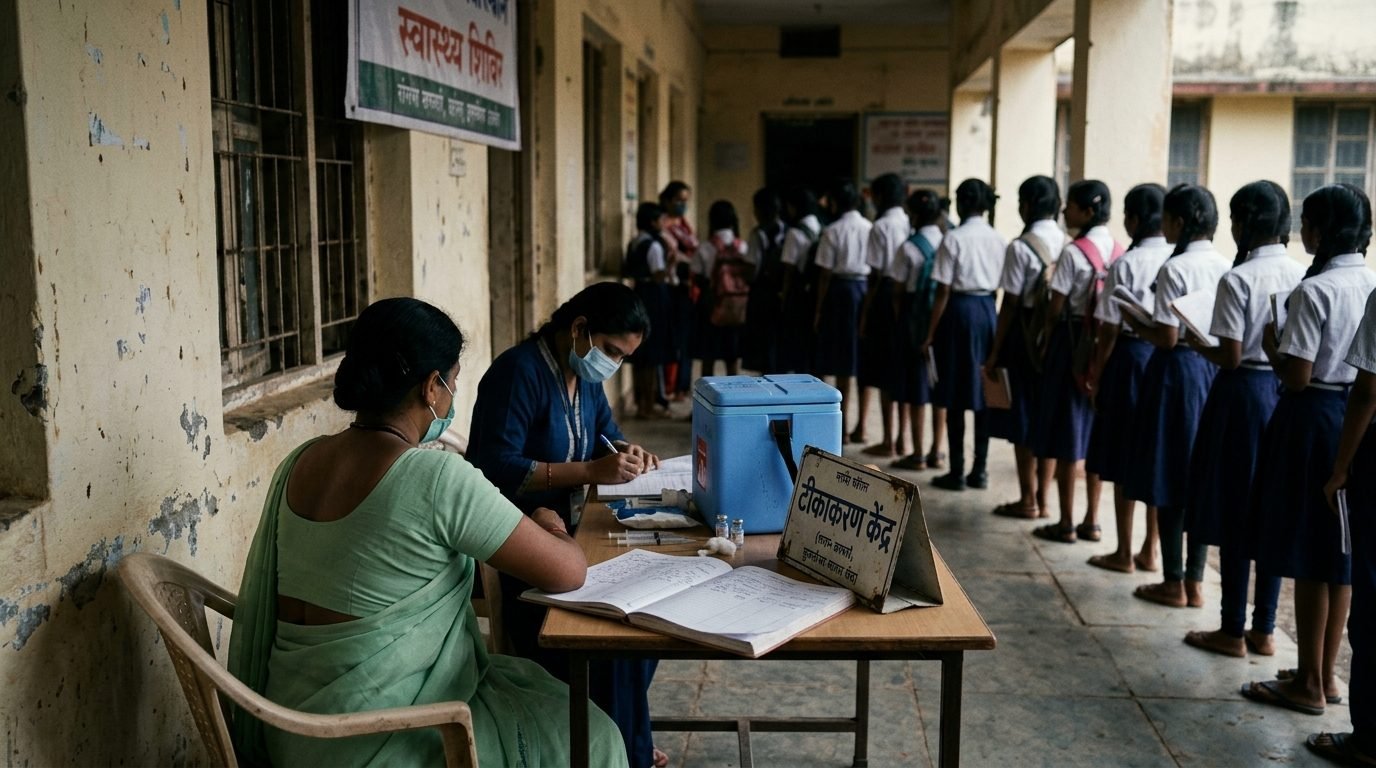
India's HPV Vaccination Drive Gathers Pace in Push Against Cervical Cancer
Months after the nationwide rollout began, India's free HPV vaccination campaign for adolescent girls is reaching deeper into states as authorities race to dent the country's heavy cervical cancer burden.
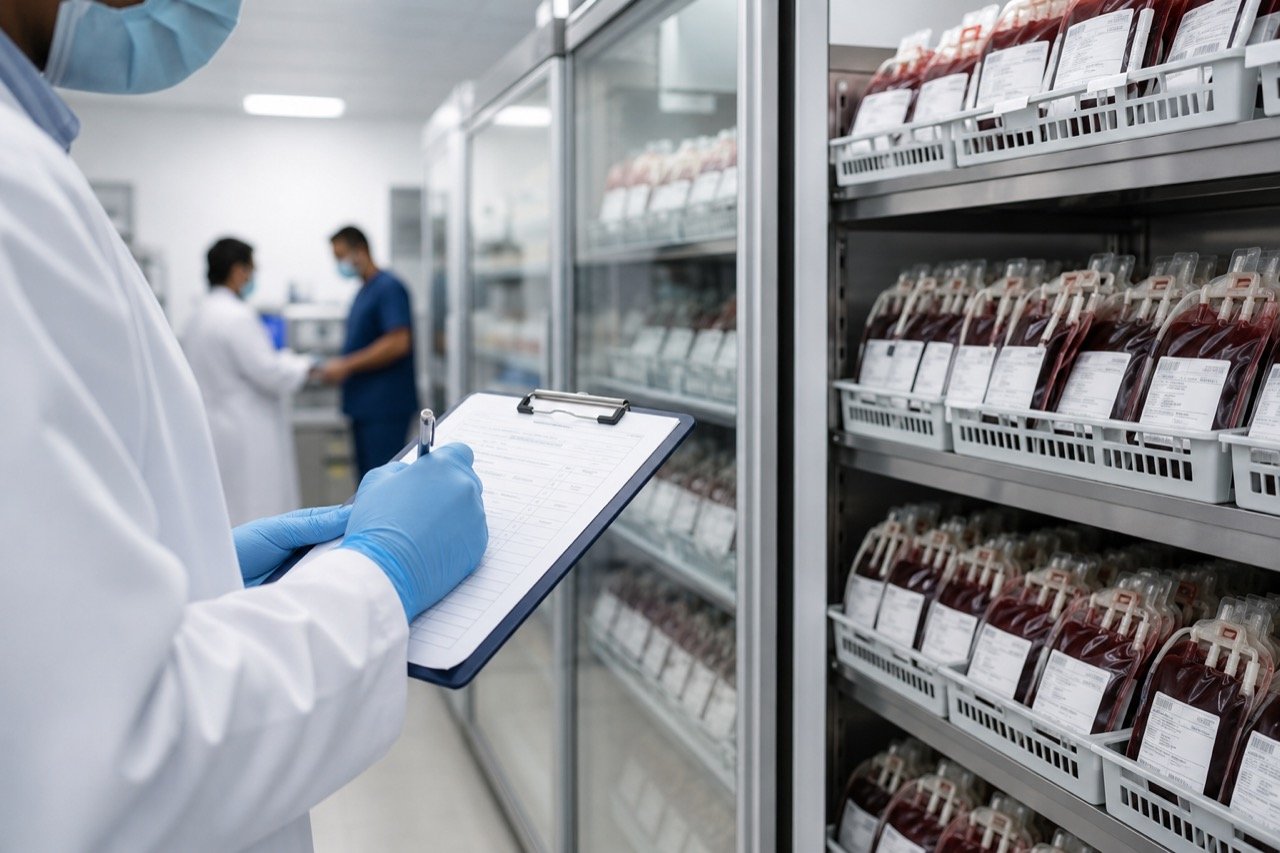
Maharashtra Orders Statewide Blood Centre Checks After FDA Shutdowns
After the Food and Drug Administration shut two blood centres, Maharashtra has ordered inspections of every facility in the state, putting blood-bank safety, licensing and public trust in health infrastructure under fresh scrutiny.
More from this section
More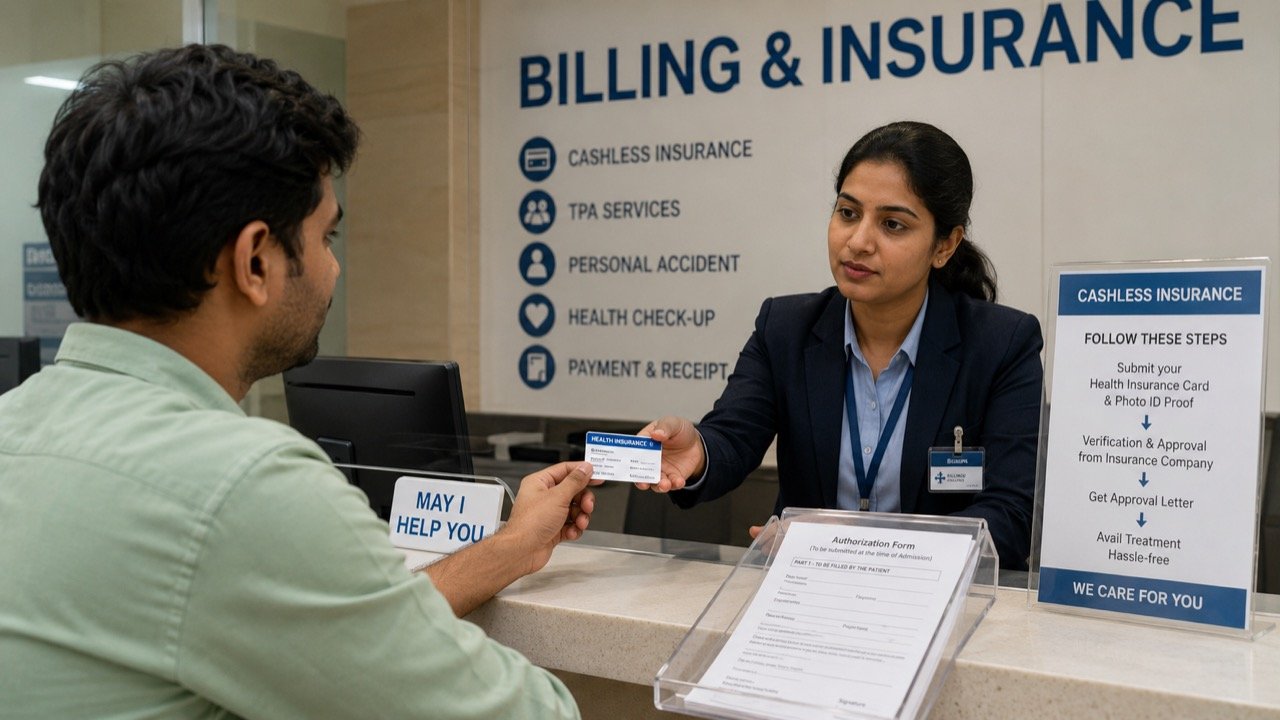
Health Insurance: Why Hospital Cashless Status Matters Before You Buy
Whether a hospital sits inside an insurer's cashless network can decide if a family pays lakhs upfront during an emergency or walks in with paperwork alone, making it a first-order question for policy buyers.

Jharkhand Teen Dies During Fracture Treatment; CM Orders Probe
The death of a Jharkhand teenager during treatment for a reported fracture has led to family allegations of medical negligence and an official probe ordered by the Chief Minister into what went wrong.
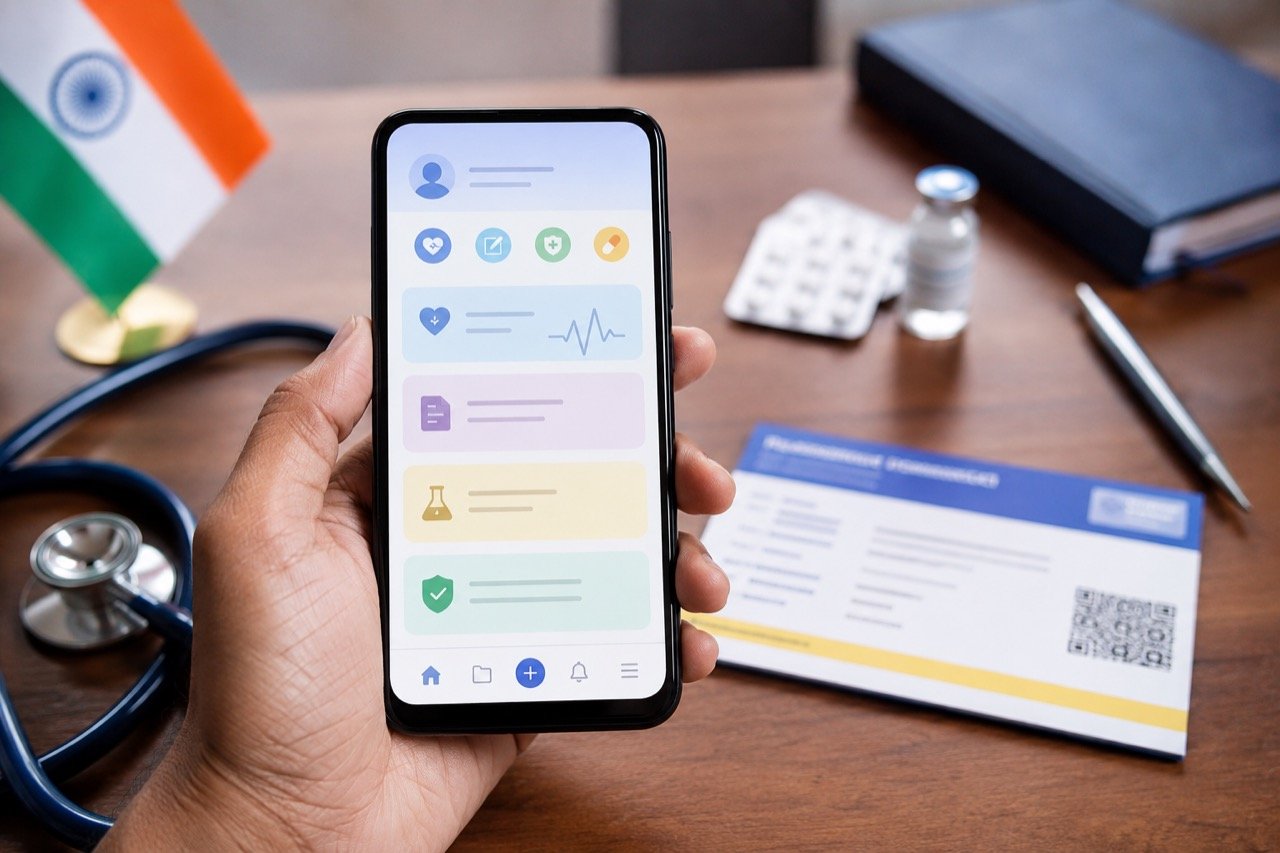
Aarogya Setu 2.0 Returns as India's Personal Health Record App
The pandemic-era contact tracing app has been relaunched as a personal health record platform, betting that portable medical data can find a place in India's growing digital health ecosystem.