An AI Helped Design This Coronavirus Vaccine. It Just Passed Its First Human Test
A needle-free, AI-designed vaccine aimed at an entire family of coronaviruses cleared an early-stage human trial, generating broad immune responses without serious side effects.
Commentary & Analysis ·

Scientists have, for the first time, tested in humans a coronavirus vaccine whose key ingredients were chosen by artificial intelligence. The early results, announced in early June, suggest the approach is safe and capable of rousing the immune system against several coronaviruses at once, a goal that has long eluded conventional vaccine design.
The ambition behind the work is to move beyond chasing each new variant after it emerges and instead build protection against a whole family of related viruses. If it succeeds at later stages, such a vaccine could blunt the next coronavirus outbreak before it has the chance to spread widely.
What the trial found
The Phase 1 trial enrolled 39 healthy volunteers aged 18 to 50, all of whom had previously received existing COVID-19 jabs. Conducted at research facilities in Southampton and Cambridge, it reported no serious adverse events and found the vaccine well tolerated. Phase 1 studies are designed primarily to test safety in a small group, so the absence of serious side effects is exactly the kind of result researchers hope to see at this stage.
The vaccine is also needle-free, a feature that could ease distribution and improve uptake if it proves effective, since it sidesteps some of the logistical and acceptance hurdles associated with injections.
What the AI actually did
Rather than designing the vaccine outright, the AI system sifted through the genetic sequences of known coronaviruses to pick out target proteins with three useful traits. Crucially, the technology accelerated and sharpened a selection process that would otherwise take human researchers far longer, narrowing a vast field of possibilities to the most promising candidates.
- Parts that stay broadly similar across many coronavirus strains
- Parts that antibodies can physically reach
- Parts likely to trigger a strong immune response
By favouring regions that are common across strains and accessible to the immune system, the approach aims for breadth: protection that holds up not just against a single virus but across the wider coronavirus family. That is the central idea behind a so-called universal vaccine.
Why it matters, and what comes next
The findings are early and far from a finished product. Larger trials will be needed to show how durable the protection is and whether it holds in older and more vulnerable groups, who often respond differently to vaccines than the young, healthy volunteers in an initial study. Questions about how long immunity lasts and how the vaccine performs against future, unseen strains can only be answered with more data.
Still, researchers frame the work as a step toward vaccines that can be readied faster the next time a new coronavirus emerges. Beyond this single candidate, the trial is a proof of concept for using artificial intelligence to speed up vaccine design itself, an approach that could matter well beyond coronaviruses if it continues to deliver. The outlook is cautiously optimistic, with the promise of faster pandemic preparedness balanced against the long road of testing still ahead.
The NE Times View
A needle-free, AI-designed vaccine clearing its first human test is genuinely promising, but early-stage immune responses are a long way from proven protection. The more consequential story for India is whether such platforms can be licensed and manufactured cheaply at home, given our role as the world's vaccine workshop. Pandemic preparedness will be won by access and production capacity, not just by the cleverness of the design.
This article is original commentary and analysis by The NE Times. Background facts were referenced from ScienceDaily, MedicalXpress.
You may also like to read

A blood test for endometriosis edges closer, raising hope of ending years of diagnostic limbo
New validation data and menstrual-blood research suggest a future where a condition that takes years to identify could be flagged from a simple sample rather than surgery.
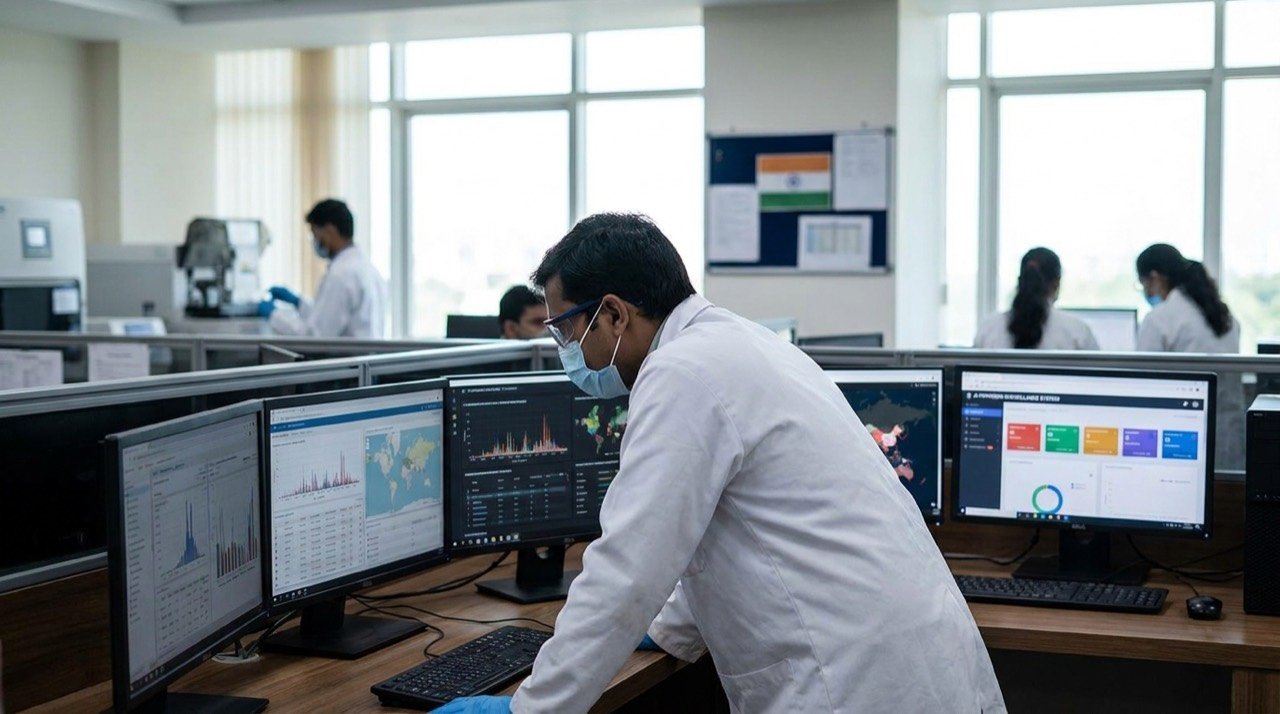
India Bets on AI to Catch the Next Outbreak Under One Health Mission in 2026
Drawing on the hard lessons of COVID-19, the ICMR is inviting proposals for AI systems to detect emerging pathogens across people, animals and the environment, in a bid to predict outbreaks rather than react to them.
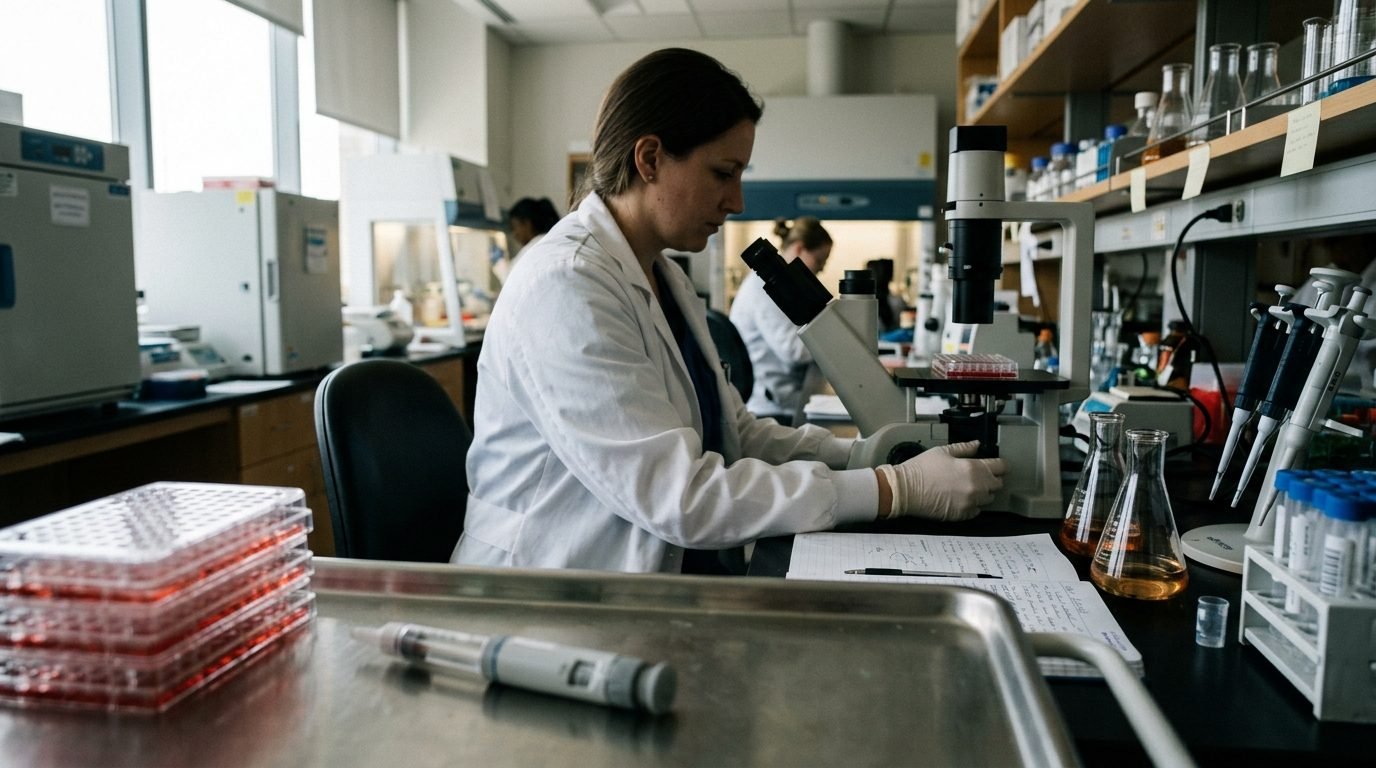
Weight-Loss Drugs May Slow the Spread of Some Cancers, Early Data Suggests
Real-world data presented at a major oncology meeting hints that GLP-1 medicines, already widely used for diabetes and obesity, may reduce the odds of certain cancers advancing.
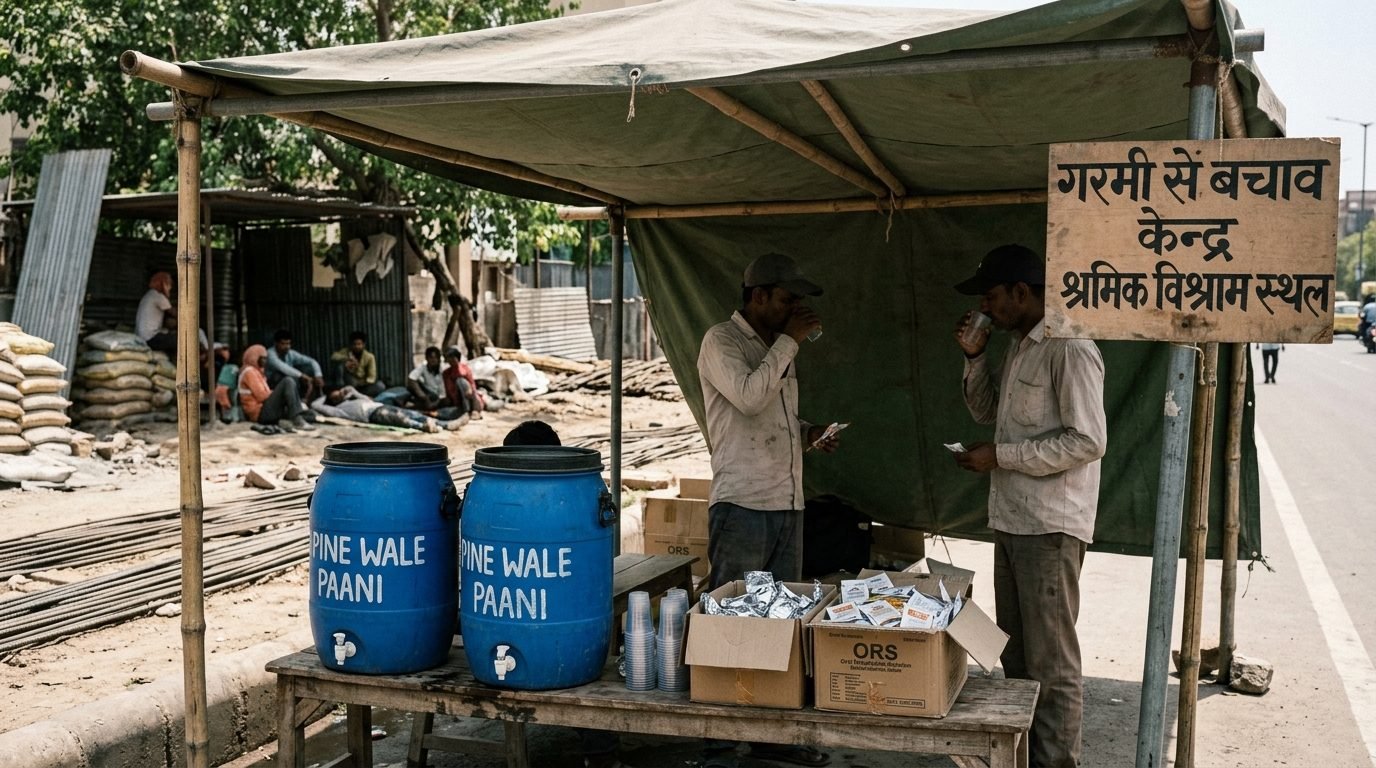
As India bakes, the real test of its heat plans is protecting those who cannot stay indoors
Cooling centres, ORS distribution and time-band work rules are spreading across Indian cities this summer, but experts say informal workers and the elderly remain dangerously exposed.
More from this section
More
Health Insurance: Why Hospital Cashless Status Matters Before You Buy
Whether a hospital sits inside an insurer's cashless network can decide if a family pays lakhs upfront during an emergency or walks in with paperwork alone, making it a first-order question for policy buyers.

Jharkhand Teen Dies During Fracture Treatment; CM Orders Probe
The death of a Jharkhand teenager during treatment for a reported fracture has led to family allegations of medical negligence and an official probe ordered by the Chief Minister into what went wrong.
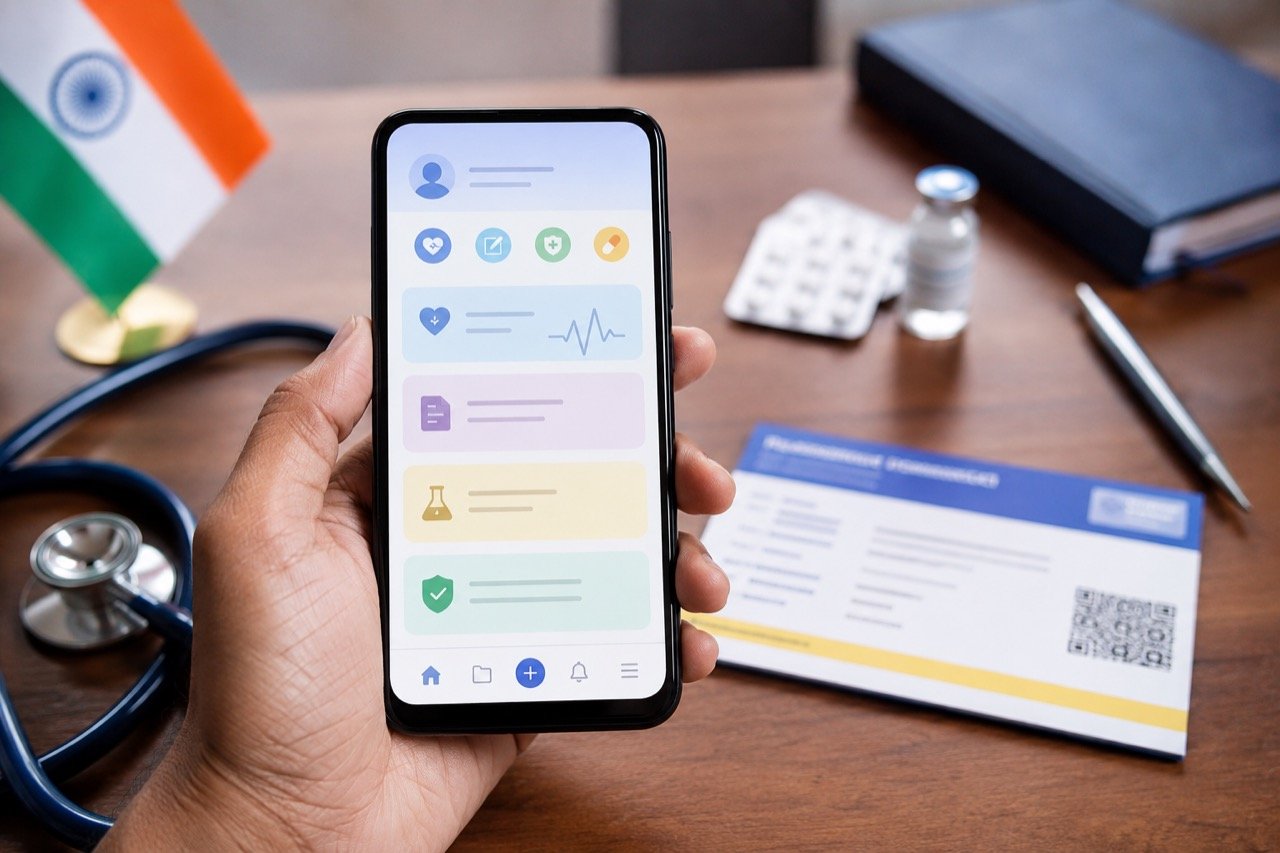
Aarogya Setu 2.0 Returns as India's Personal Health Record App
The pandemic-era contact tracing app has been relaunched as a personal health record platform, betting that portable medical data can find a place in India's growing digital health ecosystem.