WHO finds safer blood supplies worldwide, but warns millions still lack access
The agency's most comprehensive assessment yet shows voluntary donation rising past 85 percent, even as low-income countries remain far short of what their patients need.
Commentary & Analysis ·
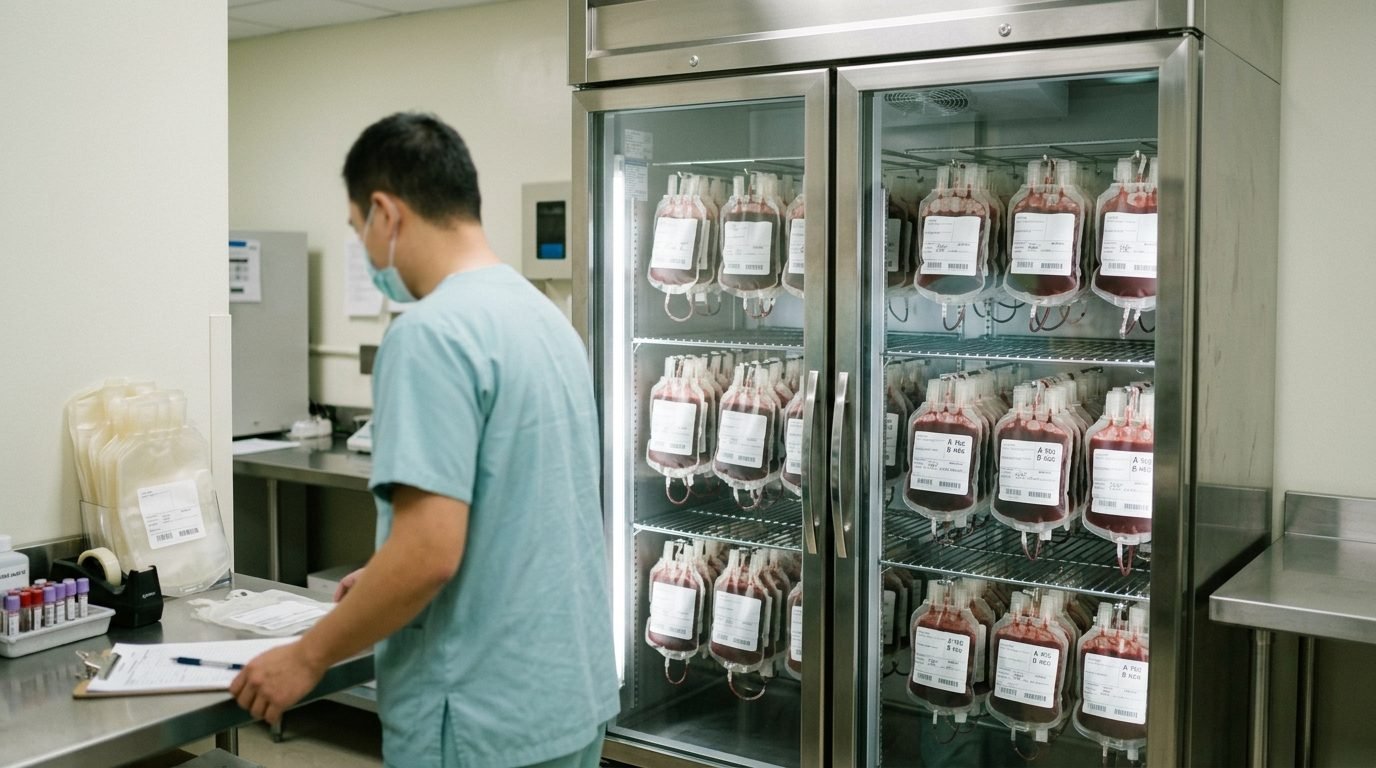
The world's blood supply is getting safer, but it remains deeply unequal. That is the headline message from the World Health Organization's Global Status Report on Blood Safety and Availability 2025, released in mid-June 2026 and described by the agency as its most comprehensive assessment of blood systems to date.
Drawing on data from 168 countries that together account for around 97 percent of the world's population, the report charts steady progress in voluntary donation and transfusion safety, while highlighting persistent gaps in governance, financing and access that leave many patients without the blood they need.
The encouraging numbers
The clearest sign of progress is the rise of voluntary, unpaid blood donation, widely regarded as the safest foundation for any blood system because such donors have less incentive to conceal health risks. According to the report, voluntary unpaid donors accounted for more than 85 percent of an estimated 120 million blood donations collected globally in 2023, the most recent year for which complete figures were available.
Collections have also grown. Data from 132 countries indicate that the global volume of blood collected rose by nearly 19 percent between 2013 and 2023, reflecting expanding donor programmes and improved record-keeping. Routine screening of donated blood for transfusion-transmissible infections has likewise become more widespread.
The persistent inequalities
The gains, however, mask a stark divide. The report stresses that access to safe blood remains far from universal, with shortages concentrated in low-income settings where donation rates are lowest precisely where maternal haemorrhage, severe childhood anaemia, trauma and complications of surgery generate the greatest demand.
The assessment points to several recurring weaknesses in struggling systems:
- Fragile national governance and oversight of blood services
- Inadequate or unpredictable financing for collection and testing
- Limited access to plasma-derived medicines such as clotting factors and immunoglobulins
- Gaps in regulation that can undermine consistent quality and safety
- Uneven capacity to store, match and distribute blood where it is needed
Why blood systems matter for India
For a country of India's size, a resilient blood supply is a quiet but essential part of public health. Blood and its components are central to safe childbirth, to managing inherited conditions such as thalassaemia and sickle cell disease, to cancer care and to responding to road accidents and disasters. Strengthening voluntary donation, reducing dependence on replacement donors who give only when a relative needs blood, and improving the production of plasma-derived medicines are long-standing priorities that the WHO findings reinforce.
The report frames adequate, safe blood as a marker of how well a health system protects its most vulnerable patients, rather than as a niche technical concern.
What the WHO is calling for
To close the gap, the agency urges countries to treat blood services as a core component of universal health coverage, backed by sustained public funding and sound regulation. It encourages investment in nationally coordinated systems built on voluntary, unpaid donation, alongside better data collection so that shortages can be identified and addressed.
The WHO also continues to promote local and regional production of plasma-derived medicinal products, which many lower-income countries currently cannot afford to import in sufficient quantities. Such measures, the agency argues, would reduce reliance on emergency appeals and narrow the divide between countries that can guarantee safe blood and those that cannot.
The overall picture is one of cautious optimism. Decades of effort have made transfusion markedly safer for most of the world's population, yet the report is a reminder that safety on paper means little to a patient who cannot obtain blood when their life depends on it. Sustained investment, the WHO concludes, is what will turn global progress into reliable access for everyone.
The NE Times View
Voluntary donation passing 85 percent globally is genuine progress, since unpaid donors give the safest blood. But the headline masks the real inequity: low-income countries still cannot meet patient need. For India, which has lifted voluntary donation considerably, the unfinished work is distribution and access in rural and underserved areas, not just collection. Safe blood that never reaches the patient who needs it is a logistics failure, not a triumph.
This article is original commentary and analysis by The NE Times. Background facts were referenced from WHO and Reuters Health.
You may also like to read
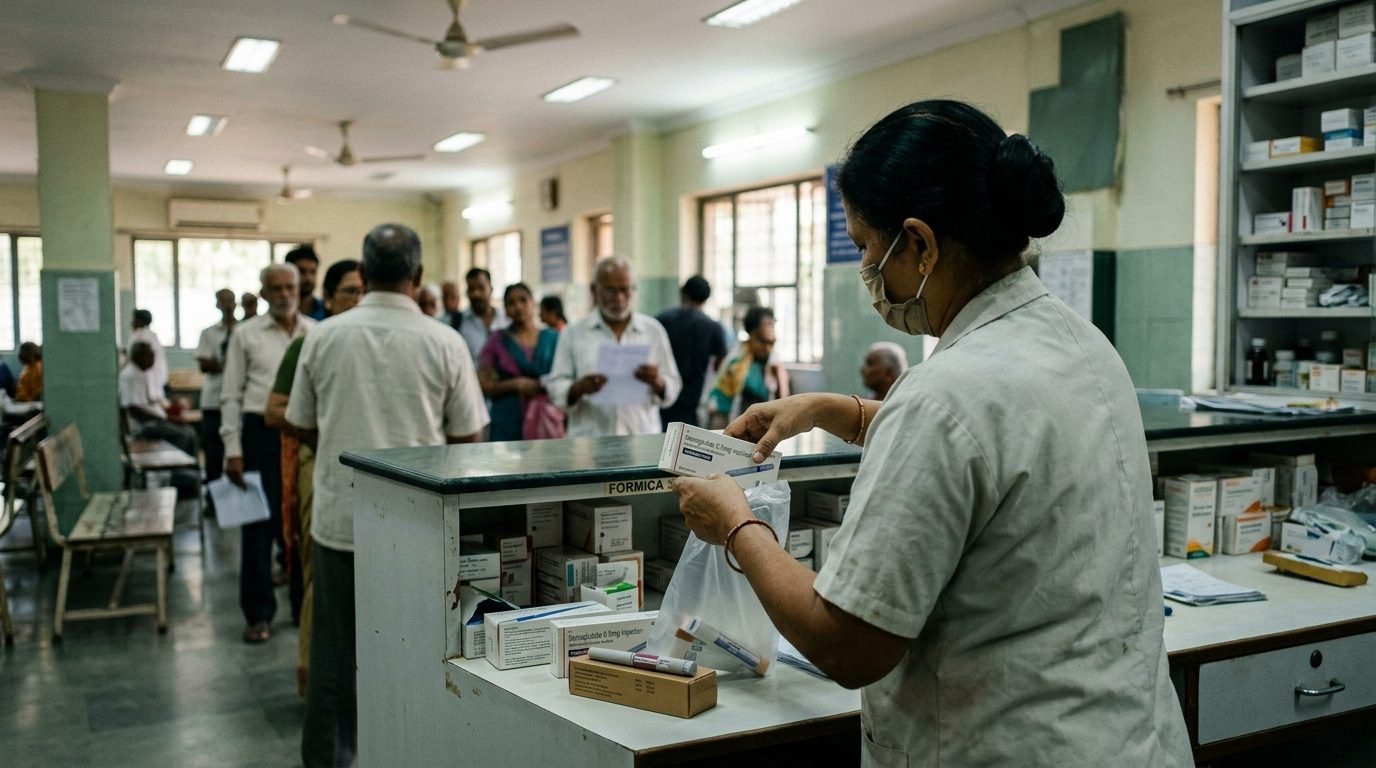
Cheaper Weight-Loss Drugs Loom in India as Key Patent Expires
With the patent on semaglutide lapsing in 2026, Indian generic makers are lining up their own versions, and the government plans incentives to spur local production.
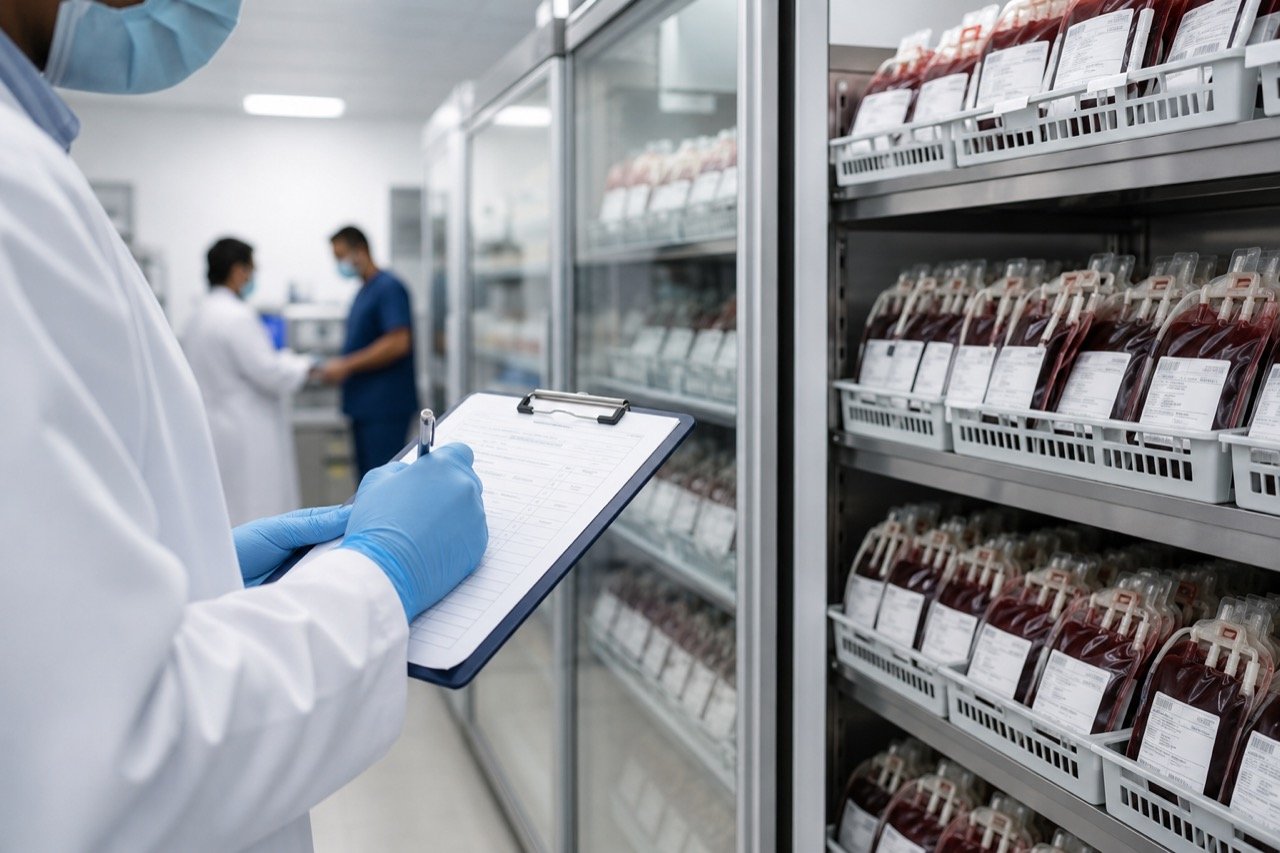
Maharashtra Orders Statewide Blood Centre Checks After FDA Shutdowns
After the Food and Drug Administration shut two blood centres, Maharashtra has ordered inspections of every facility in the state, putting blood-bank safety, licensing and public trust in health infrastructure under fresh scrutiny.
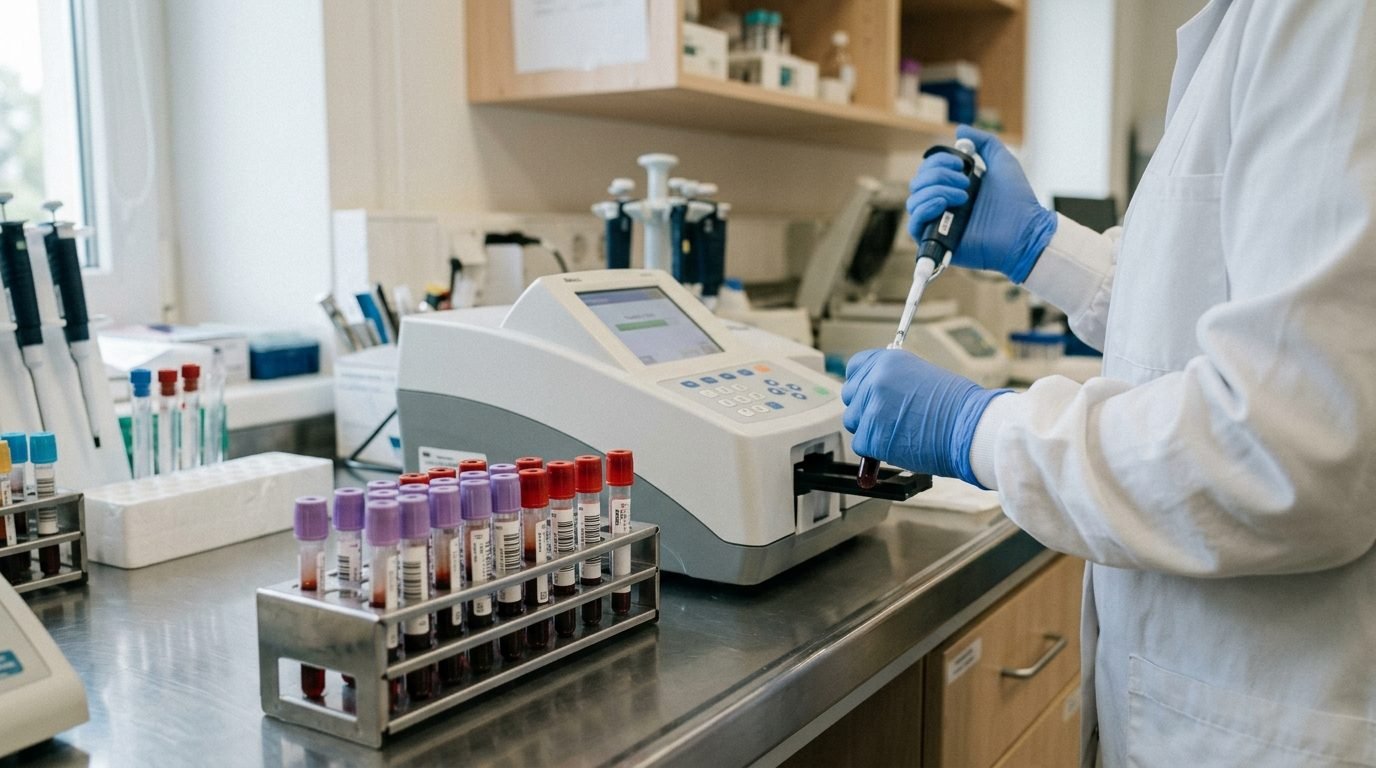
A blood test for endometriosis edges closer, raising hope of ending years of diagnostic limbo
New validation data and menstrual-blood research suggest a future where a condition that takes years to identify could be flagged from a simple sample rather than surgery.

Jharkhand Teen Dies During Fracture Treatment; CM Orders Probe
The death of a Jharkhand teenager during treatment for a reported fracture has led to family allegations of medical negligence and an official probe ordered by the Chief Minister into what went wrong.
More from this section
More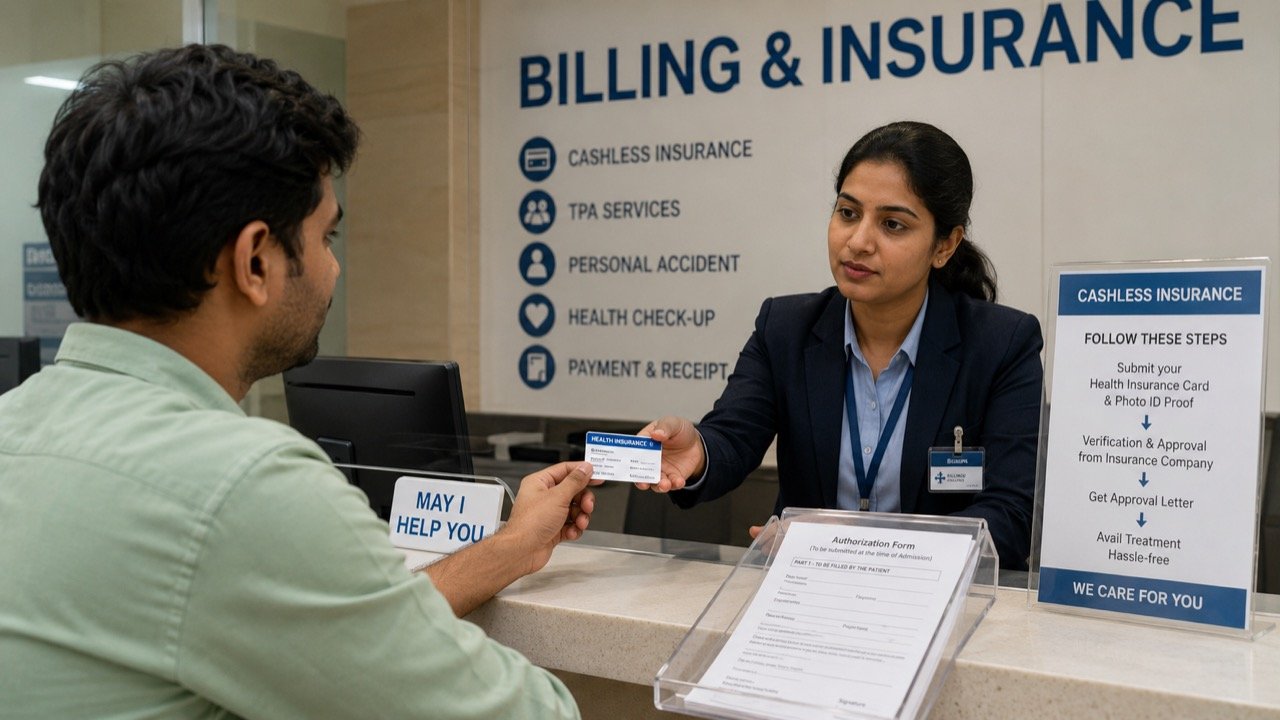
Health Insurance: Why Hospital Cashless Status Matters Before You Buy
Whether a hospital sits inside an insurer's cashless network can decide if a family pays lakhs upfront during an emergency or walks in with paperwork alone, making it a first-order question for policy buyers.
Jharkhand Teen Dies During Fracture Treatment; CM Orders Probe
The death of a Jharkhand teenager during treatment for a reported fracture has led to family allegations of medical negligence and an official probe ordered by the Chief Minister into what went wrong.
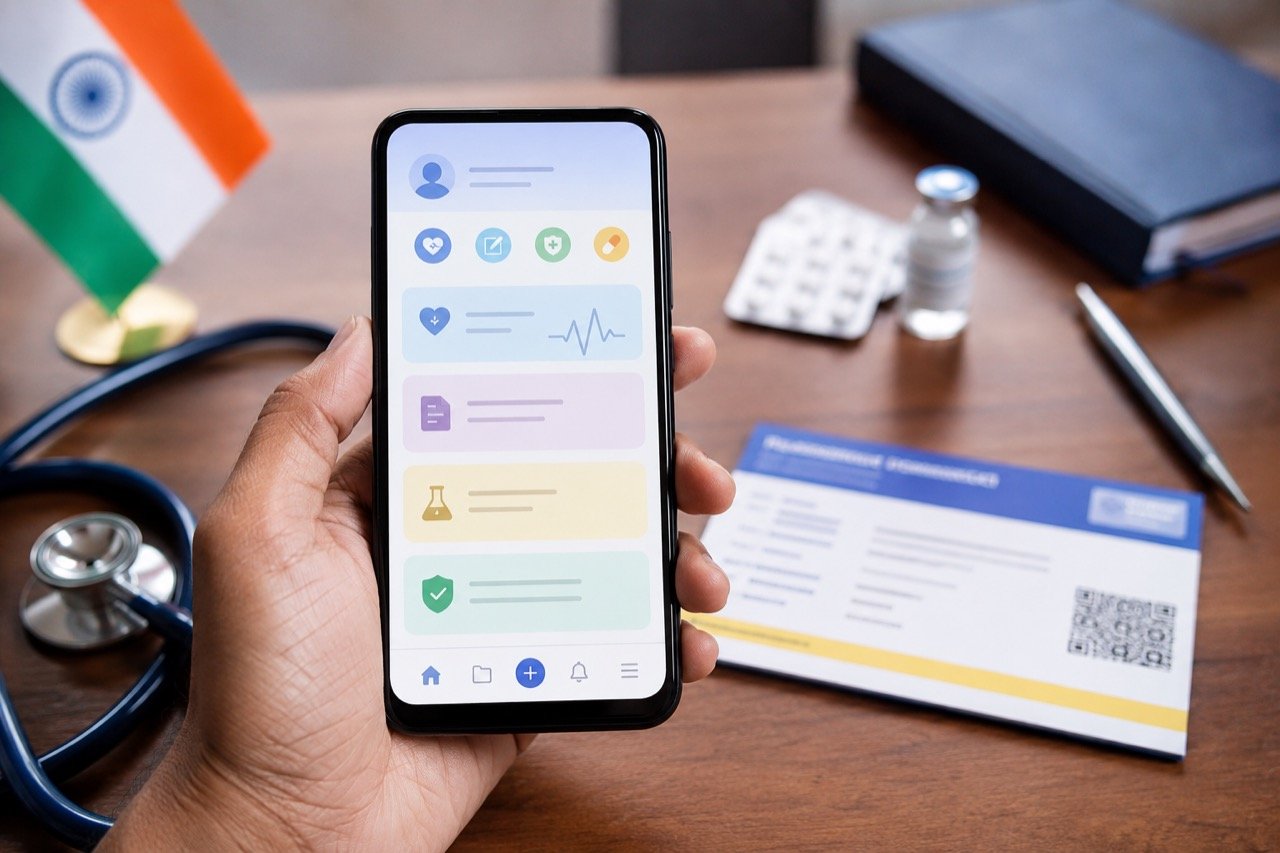
Aarogya Setu 2.0 Returns as India's Personal Health Record App
The pandemic-era contact tracing app has been relaunched as a personal health record platform, betting that portable medical data can find a place in India's growing digital health ecosystem.