WHO Declares Global Emergency as Ebola Spreads in Central Africa
An outbreak of the Bundibugyo strain of Ebola in the Democratic Republic of Congo and Uganda has surpassed previous records, with hundreds of cases and a mounting death toll prompting an international response.
Commentary & Analysis ·
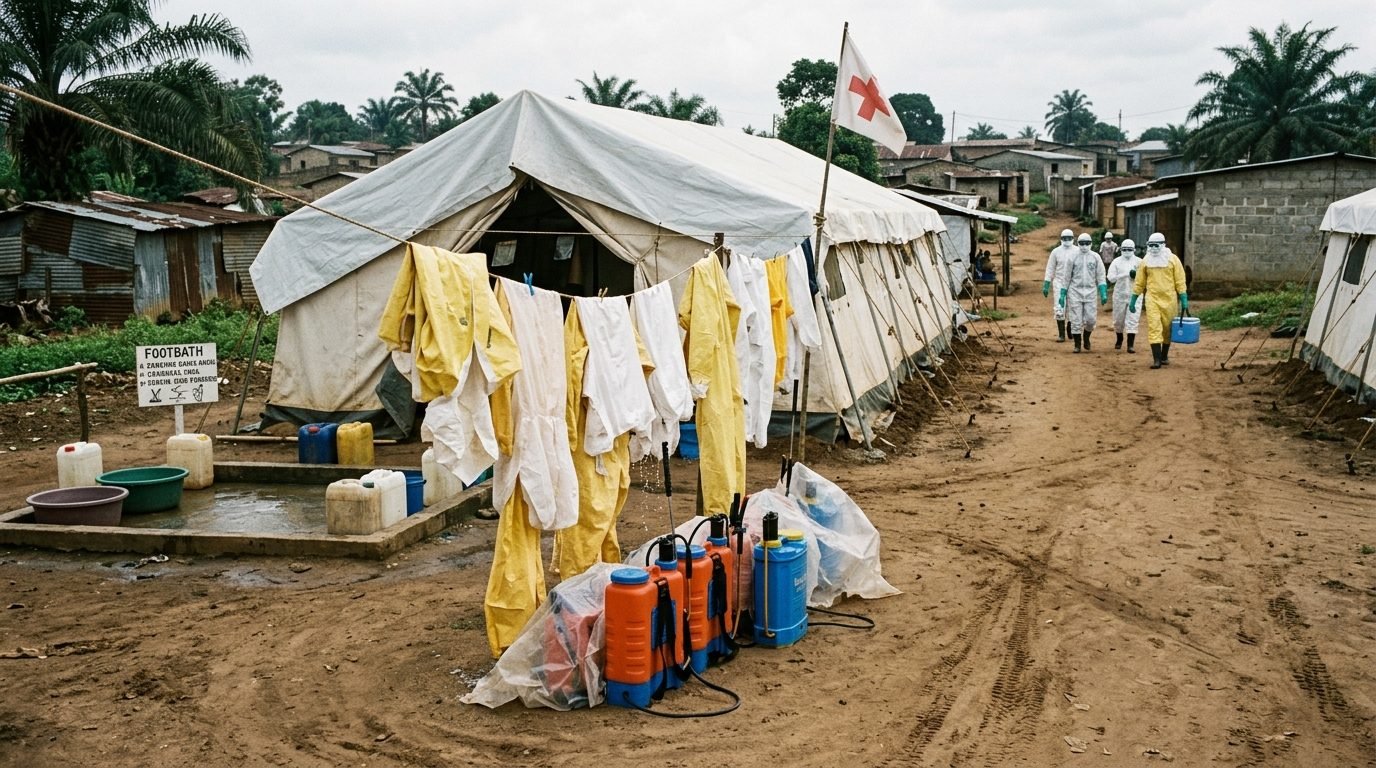
The World Health Organization has declared a public health emergency of international concern over an outbreak of Ebola in the Democratic Republic of Congo and neighbouring Uganda, as the number of confirmed cases and deaths climbs faster than in any previous outbreak of the same strain. The declaration signals that the spread poses a serious, unusual and cross-border risk requiring coordinated global action.
The outbreak, caused by the Bundibugyo strain of the Ebola virus, has reached hundreds of confirmed cases with more than a hundred deaths recorded. Health officials have expressed particular alarm at the speed of transmission in a remote yet densely populated region, where conflict and weak infrastructure complicate the response.
A fast-moving outbreak
By early June, the outbreak had grown to around 598 confirmed cases and 115 deaths, making it the largest recorded outbreak of the Bundibugyo strain. The WHO formally determined that it constituted a public health emergency of international concern, the agency's highest level of alarm, reserved for events that threaten to spread across borders.
The Bundibugyo strain presents particular challenges because, unlike the more common Zaire strain, there are no licensed vaccines or treatments specifically proven against it. That gap forces responders to rely heavily on case isolation, contact tracing, safe burials and infection control to break chains of transmission.
The international response
The scale of the emergency has triggered a significant international mobilisation. The United States pledged more than 220 million dollars and activated screening at airports, while continental health bodies launched a joint preparedness and response plan. The measures taken include:
- A WHO declaration of a public health emergency of international concern.
- A continental preparedness and response plan led by Africa CDC and WHO.
- An international funding appeal to support detection and response across Africa.
- Airport screening and pledged financial support from the United States and others.
The Africa Centres for Disease Control and Prevention and the WHO appealed for hundreds of millions of dollars to help African countries prepare for, detect and respond to the outbreak. Coordination across borders has been emphasised given the movement of people between the DRC and Uganda.
Conflict complicates containment
The outbreak is unfolding in a part of eastern Congo already destabilised by armed conflict and large-scale displacement, conditions that make containment far harder. Insecurity restricts the movement of health teams, while displacement and overcrowding heighten the risk of further spread.
Public health experts have repeatedly warned that the combination of disease and conflict can transform a localised outbreak into a regional crisis. Building community trust, a critical factor in past Ebola responses, is also more difficult in areas where state authority is contested and rumours can spread quickly.
Why the world is paying attention
Ebola outbreaks command global attention because of the virus's high fatality rate and the memory of past epidemics that reached beyond Africa. For India and other nations, the emergency is a reminder of the importance of global health surveillance, border screening and support for fragile health systems before outbreaks can spread.
Health authorities stressed that the immediate priority is to halt transmission at the source through rapid detection, isolation and care, while scaling up support for affected communities. The coming weeks will test whether the international response can outpace a virus moving through one of the most challenging environments in the world.
The NE Times View
A record Ebola outbreak crossing the DRC-Uganda border is a reminder that the post-pandemic world has not built the surveillance and rapid-response muscle it swore it would. India, with deep pharmaceutical capacity and Africa ties, has both a humanitarian and strategic reason to help rather than watch. Outbreaks contained early stay regional; ignored, they become everyone's problem, as the last decade taught at brutal cost.
This article is original commentary and analysis by The NE Times. Background facts were referenced from WHO and Reuters.
You may also like to read
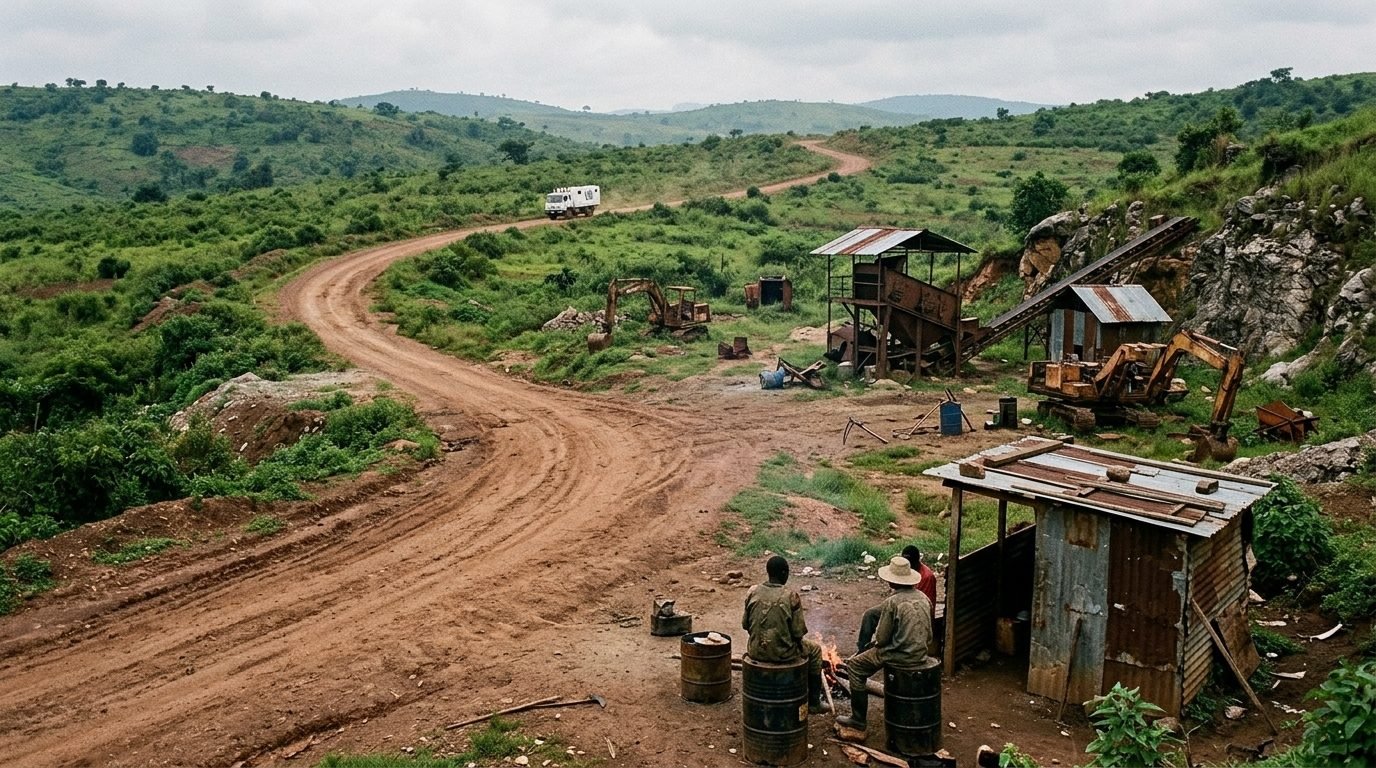
Fighting Persists in Eastern Congo Despite Fragile Peace Framework
Clashes around the strategic Rubaya mining area and a deadly insurgency in Ituri are testing a US- and Qatar-brokered peace process between the Democratic Republic of Congo, Rwanda and M23 rebels.

Central Bank 'Super Week' Exposes Deep Rift in Global Monetary Policy
Five major central banks set rates within eight days as an oil shock pushes the ECB to hike, the Fed to hold amid dissent and the Bank of Japan toward a defensive move.
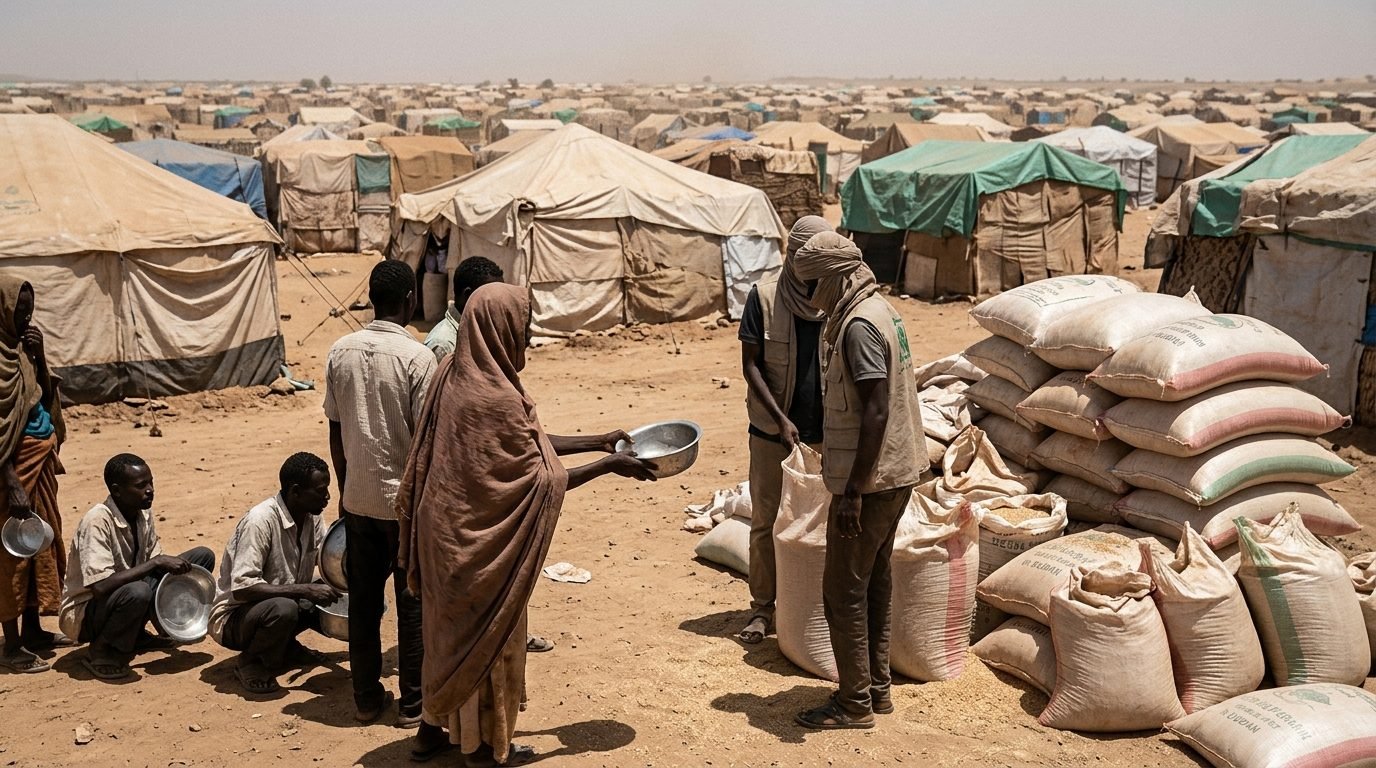
Famine Tightens Its Grip on Sudan as War Enters Its Fourth Year
UN-backed assessments confirm famine conditions in parts of Darfur and Kordofan, with 21 million people facing acute hunger as the Rapid Support Forces consolidate control of the west.
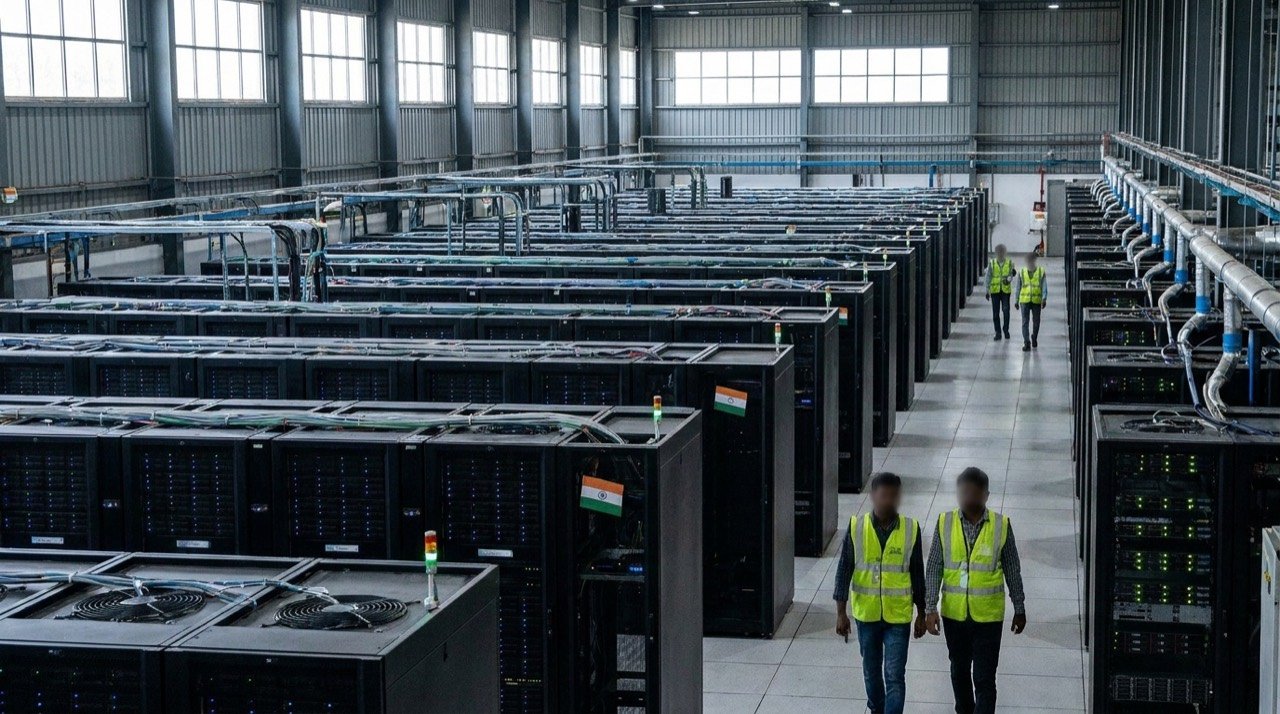
China's LineShine Dethrones US as World's Fastest Supercomputer, Sharpening India's AI Resolve
China has reclaimed the top spot on the global supercomputing rankings with an all-domestic machine running at over two exaflops, a milestone in the US-China tech contest that underscores why India is racing to build its own sovereign computing power.
More from this section
More
India-New Zealand Ties: Visit Plans Put FTA and Diplomacy in Focus
Reports of a planned high-level India-New Zealand engagement have revived attention on free trade talks, professional mobility and Indo-Pacific cooperation between two partners with clear room to grow.

Modi Greets Trump on US 250th Independence Day, Hails Partnership
Prime Minister Narendra Modi marked America's 250th Independence Day with a message to President Trump, saying the next 250 years should lift the India-US partnership to new heights.
India Watches Dhaka's China-Backed Teesta Plan as Stakes Rise
New Delhi is closely tracking Bangladesh's proposal to develop the Teesta river with Chinese assistance, a move that revives one of South Asia's most sensitive water-sharing disputes and tests regional strategic trust.