CDSCO Flags 159 Substandard Drug Samples in May, One Found Spurious
India's drug regulator CDSCO has marked 159 medicine samples as not of standard quality for May 2026, with one declared spurious, renewing scrutiny of batch-level quality control across the pharmaceutical supply chain.
Commentary & Analysis ·
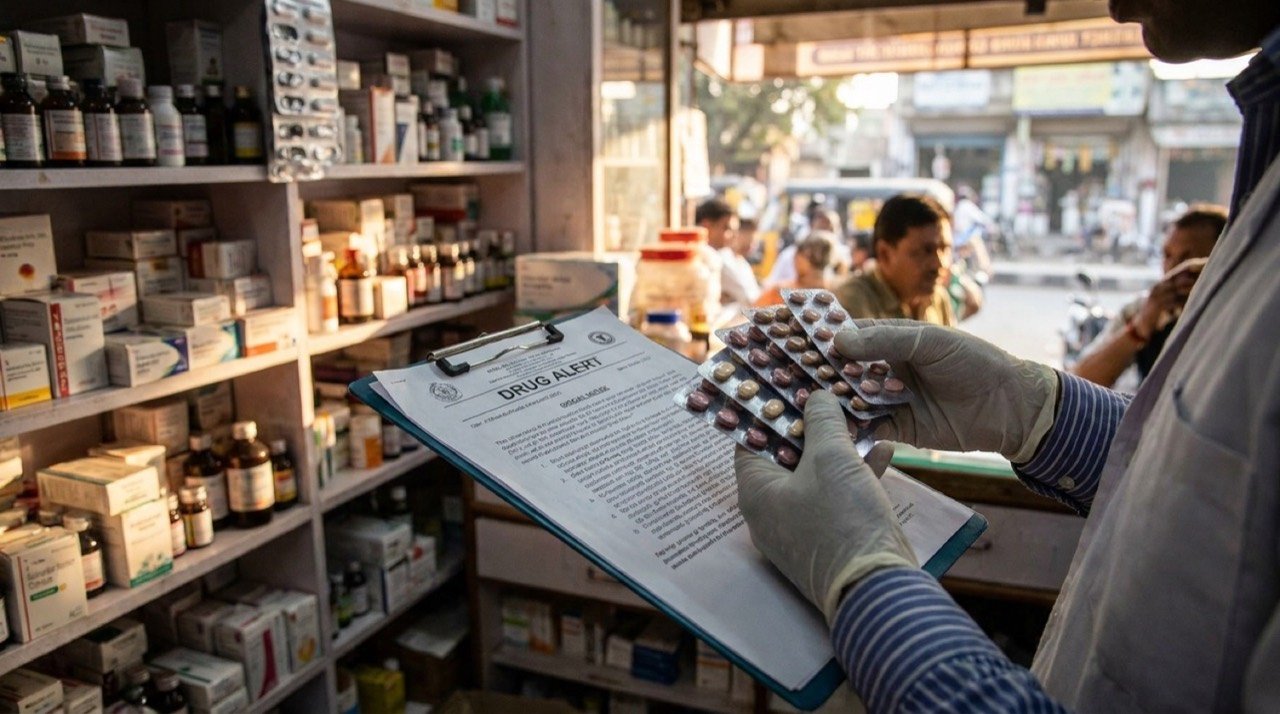
India's central drug regulator has once again turned the spotlight on medicine quality, flagging 159 drug samples as Not of Standard Quality (NSQ) in its monthly alert for May 2026. Of these, one sample was identified as spurious, an even more serious classification that points to a product misrepresenting its genuine identity. The Central Drugs Standard Control Organisation (CDSCO) publishes these alerts every month to help state regulators, hospitals, chemists and patients identify batches that have failed prescribed quality checks and require corrective action.
What the monthly alert actually measures
The NSQ list is a snapshot of samples drawn from the market and tested in government laboratories. A failure can stem from a range of issues, including incorrect dissolution, deviation in assay or content, problems with labelling, or microbial and physical defects. Crucially, the regulator stresses that a flagged sample does not automatically mean every medicine in that category is unsafe. The alert is batch-specific, designed to isolate the particular lots that did not meet standards rather than condemn an entire drug class.
The lone spurious sample, however, sits in a different and graver category. Spurious drugs are deliberately falsified products, and their presence in the supply chain raises questions about counterfeiting networks, packaging fraud and the policing of distribution channels that stretch from manufacturers to neighbourhood pharmacies.
Why batch-level testing matters
India is one of the world's largest manufacturers of generic medicines, supplying both a vast domestic market and exports across continents. That scale makes a robust, transparent surveillance system essential. Monthly NSQ alerts function as an early-warning mechanism, prompting recalls, show-cause notices and, where warranted, prosecution under the Drugs and Cosmetics Act.
For state drug controllers, the list is a working document. It directs inspectors to specific manufacturers and batches, allowing them to pull stock from shelves and trace how a failed lot moved through the system. For hospitals and chemists, it is a prompt to quarantine affected products pending further instruction.
What patients should keep in mind
Public-health experts caution against panic. The most important message for patients is restraint: no one should abruptly stop a prescribed course of medication on the basis of a regulatory alert alone. Doing so can be more dangerous than the risk being flagged.
- Do not discontinue prescribed medicines on your own; speak to a doctor or pharmacist first.
- Check whether your specific batch number matches any product named in the alert.
- Buy medicines only from licensed pharmacies and retain bills for traceability.
- Report suspected substandard or fake medicines to your state drug control authority.
- Remember the alert targets specific batches, not entire drug categories.
“An NSQ flag is a call to verify a batch, not a verdict on a medicine. The right response is checking with a professional, not stopping treatment.”
— Public-health pharmacist
The May figures underline a recurring theme in India's pharmaceutical governance: surveillance is working in the sense that failures are being detected and disclosed, but the steady appearance of substandard batches each month points to the need for tighter manufacturing oversight and faster enforcement. As the regulator continues its monthly reporting, the focus will remain on closing the gap between detection and decisive action.
The NE Times View
One hundred and fifty-nine substandard samples in a single month, with one outright spurious, is not a triumph of vigilance but a symptom of patchy quality control in the pharmacy of the world. India's export credibility and its own patients depend on the gap between detection and enforcement closing. Flagging bad batches means little unless manufacturers face consequences that deter the next failure.
This article is original commentary and analysis by The NE Times. Background facts were referenced from Times of India and All India Radio (AIR) News.
You may also like to read
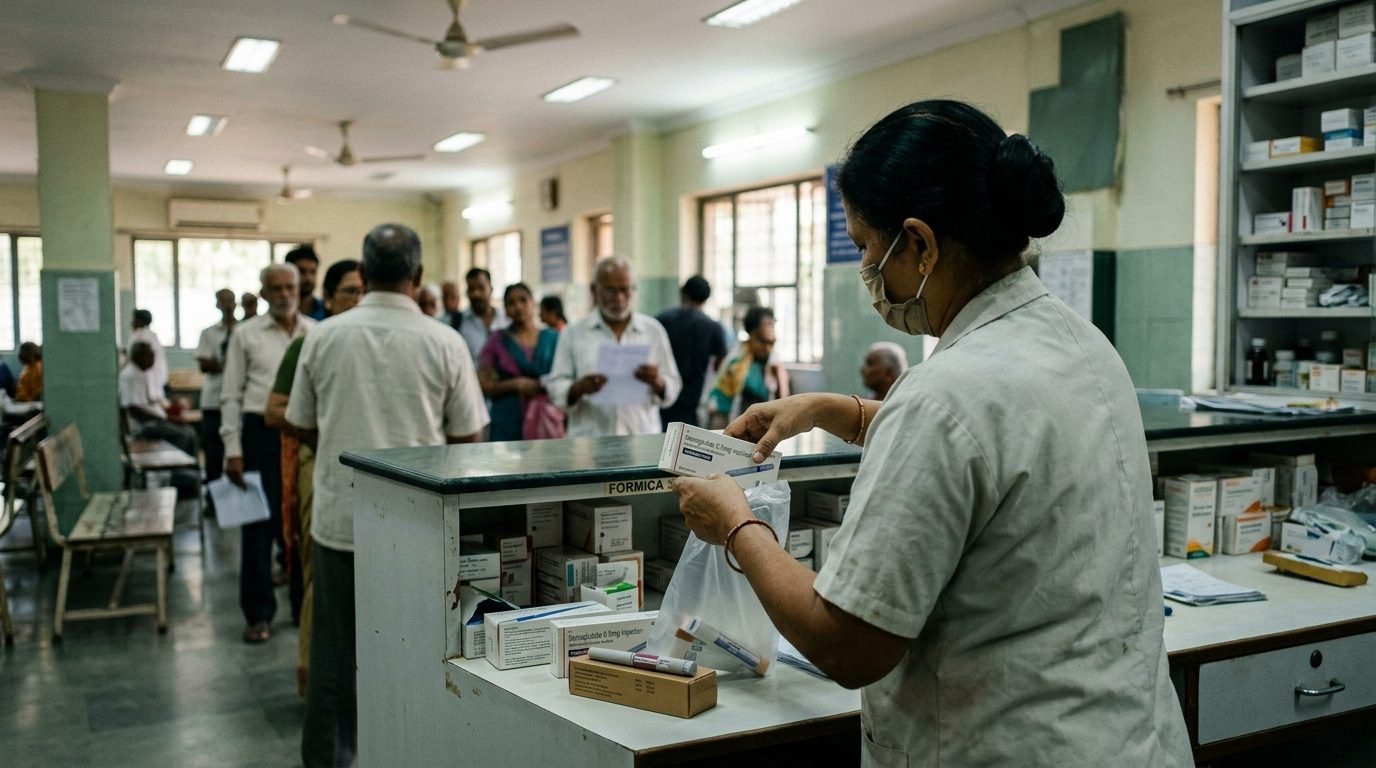
Cheaper Weight-Loss Drugs Loom in India as Key Patent Expires
With the patent on semaglutide lapsing in 2026, Indian generic makers are lining up their own versions, and the government plans incentives to spur local production.
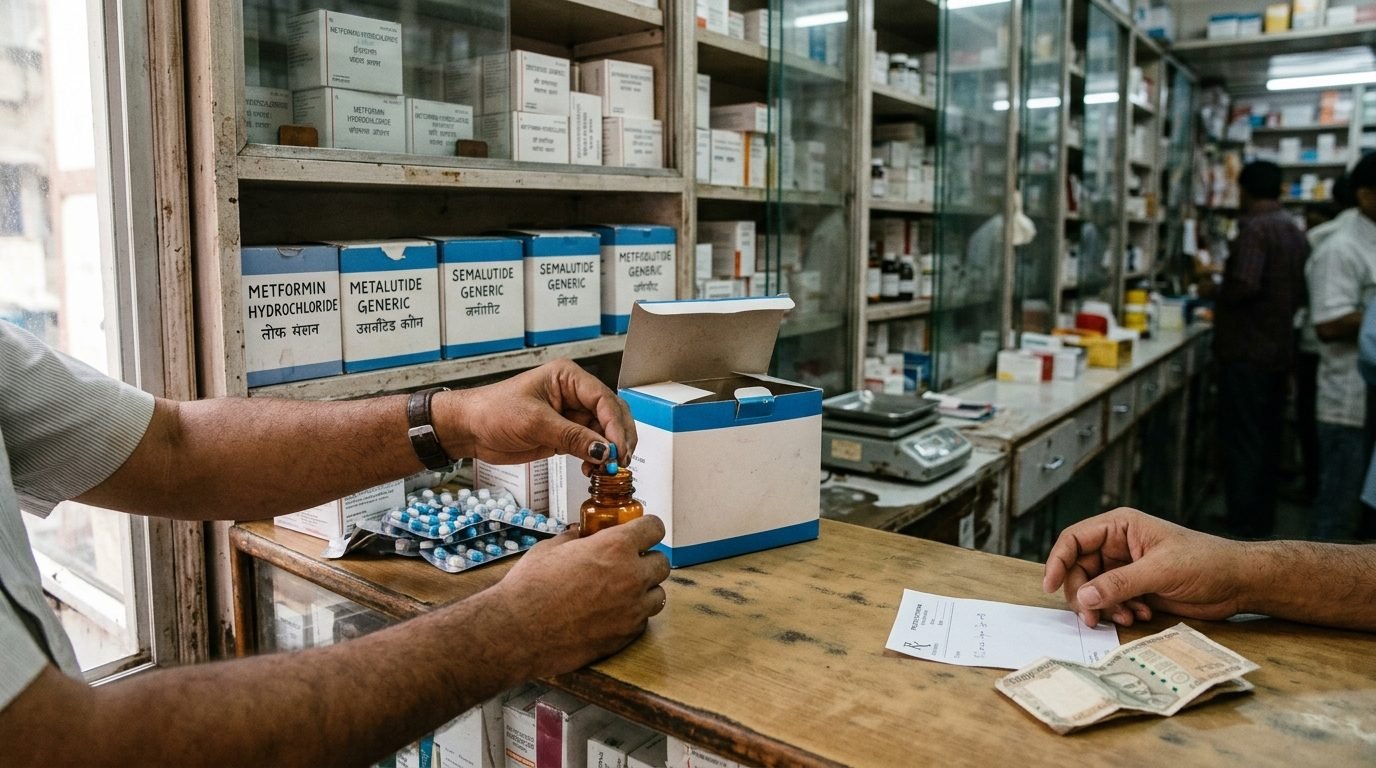
Cheaper Generics Reshape India's Booming Weight-Loss Drug Market
With semaglutide patents beginning to expire, a wave of low-cost Indian generics is widening access to GLP-1 weight-loss and diabetes drugs, even as doctors urge caution against misuse.

Jharkhand Teen Dies During Fracture Treatment; CM Orders Probe
The death of a Jharkhand teenager during treatment for a reported fracture has led to family allegations of medical negligence and an official probe ordered by the Chief Minister into what went wrong.
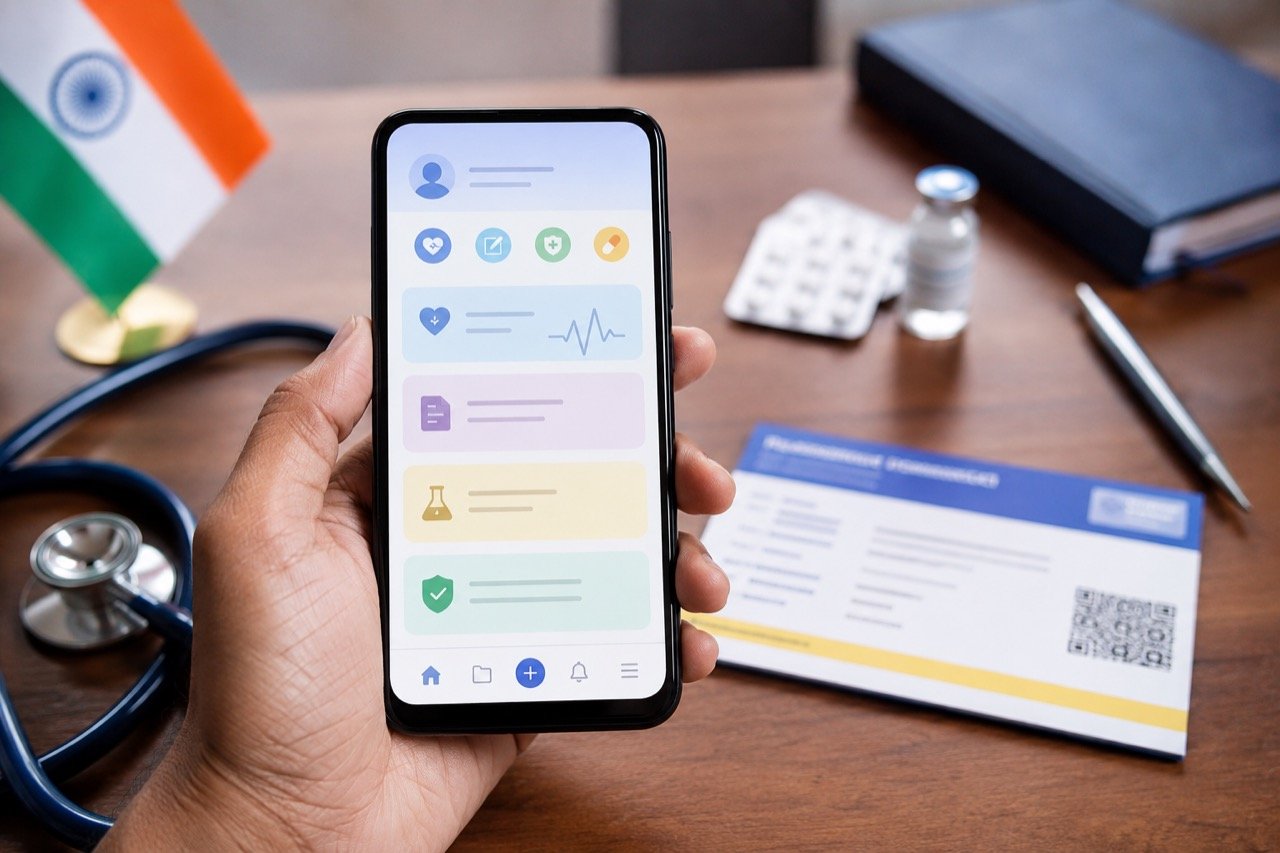
Aarogya Setu 2.0 Returns as India's Personal Health Record App
The pandemic-era contact tracing app has been relaunched as a personal health record platform, betting that portable medical data can find a place in India's growing digital health ecosystem.
More from this section
More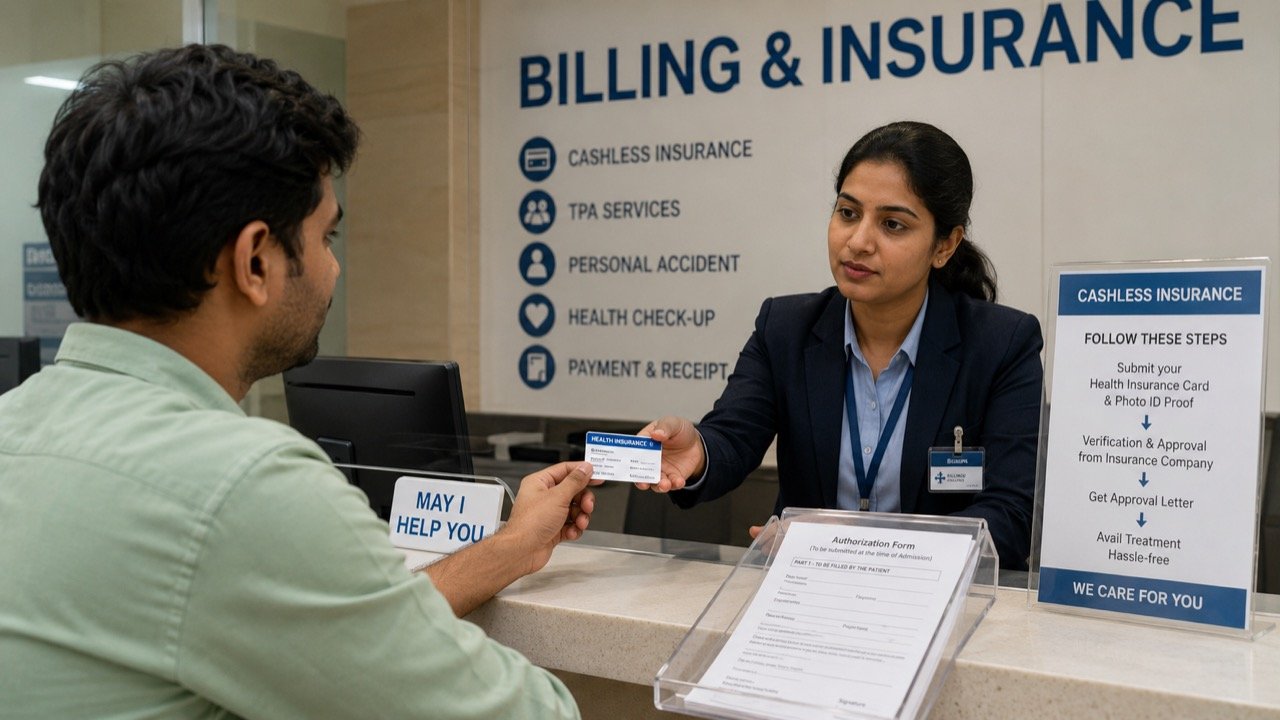
Health Insurance: Why Hospital Cashless Status Matters Before You Buy
Whether a hospital sits inside an insurer's cashless network can decide if a family pays lakhs upfront during an emergency or walks in with paperwork alone, making it a first-order question for policy buyers.
Jharkhand Teen Dies During Fracture Treatment; CM Orders Probe
The death of a Jharkhand teenager during treatment for a reported fracture has led to family allegations of medical negligence and an official probe ordered by the Chief Minister into what went wrong.
Aarogya Setu 2.0 Returns as India's Personal Health Record App
The pandemic-era contact tracing app has been relaunched as a personal health record platform, betting that portable medical data can find a place in India's growing digital health ecosystem.