Western Ghats Eco-Sensitive Area Plan Advances With Three-State Push
The Centre is preparing to notify Ecologically Sensitive Areas in at least three Western Ghats states, shifting from an all-six approach as it weighs biodiversity protection against local livelihoods and land-use concerns.
Commentary & Analysis ·
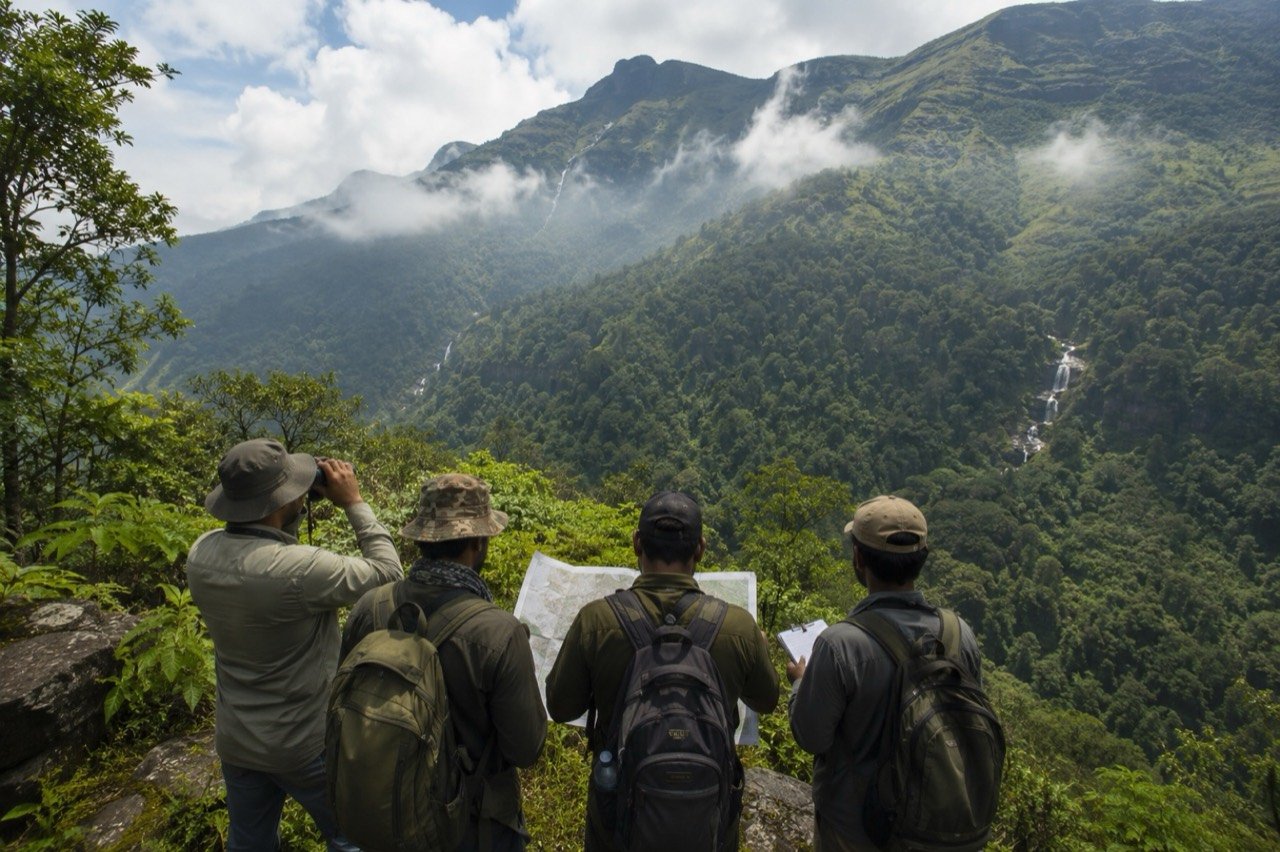
The Union government is preparing to notify Ecologically Sensitive Areas across at least three Western Ghats states, according to reports, marking a pragmatic shift away from earlier attempts to bring all six states under a single notification. The move suggests the Centre has concluded that staggered action where consensus exists is more achievable than waiting for unanimous agreement that has eluded policymakers for over a decade.
From All-Six to a Phased Approach
Successive draft notifications had sought to cover Gujarat, Maharashtra, Goa, Karnataka, Kerala and Tamil Nadu simultaneously, but objections over the extent of protected land and its impact on farming, settlements and development repeatedly stalled the process. By allowing states where agreement is closer to move first, the government hopes to break the logjam without forcing a uniform template on regions with very different concerns.
Negotiations with Kerala and Karnataka are reported to be continuing, reflecting the political sensitivity of declaring large tracts ecologically off-limits in densely populated and economically active districts. Those talks will determine how quickly the plan moves from intent to formal notification.
What ESA Status Means on the Ground
An ESA notification typically restricts mining, polluting industries and large-scale construction in fragile landscapes, while allowing ordinary life, farming and small-scale activity to continue under defined rules. The aim is not to freeze human activity but to prevent the kind of high-impact development that accelerates landslides, deforestation and the loss of irreplaceable habitat.
The Western Ghats are among India's most important biodiversity regions, a global hotspot that also underpins water systems, agriculture and tourism across peninsular India. The mountain chain feeds rivers that millions depend on, making its ecological health a question of economic security as much as conservation.
Balancing Protection and Livelihoods
The core tension running through the exercise is between ecological safeguards and state-level worries about livelihoods and local land use. Communities living within proposed ESA boundaries have often feared restrictions on construction, agriculture and access, and clear communication about what is and is not permitted will be central to acceptance.
- Notification planned for at least three states rather than all six together
- Restrictions would target mining, polluting industry and large construction
- Farming and ordinary life permitted under defined rules
- Negotiations with Kerala and Karnataka still continuing
- Western Ghats sustain water systems, agriculture and tourism
“The question has never been whether the Western Ghats deserve protection, but how to protect them without alienating the people who live in them.”
— Conservation policy observer
If the phased notification succeeds, it could become a model for resolving long-running environmental disputes where the choice between full protection and no action has produced paralysis. The outlook hinges on whether the Centre can pair credible safeguards with reassurance on livelihoods, turning a contested mandate into a workable framework for sustainable development in one of the world's most precious landscapes.
The NE Times View
After years of delay since the Gadgil and Kasturirangan reports, even a partial notification is movement on one of India's most precious and most landslide-prone landscapes. But a three-state approach risks leaving ecological corridors half-protected, since the Ghats do not respect borders. Genuine protection must reconcile farmers' and forest-dwellers' livelihoods with conservation; otherwise the notification invites the same local resistance that stalled it before.
This article is original commentary and analysis by The NE Times. Background facts were referenced from The Indian Express and Business Standard.
You may also like to read
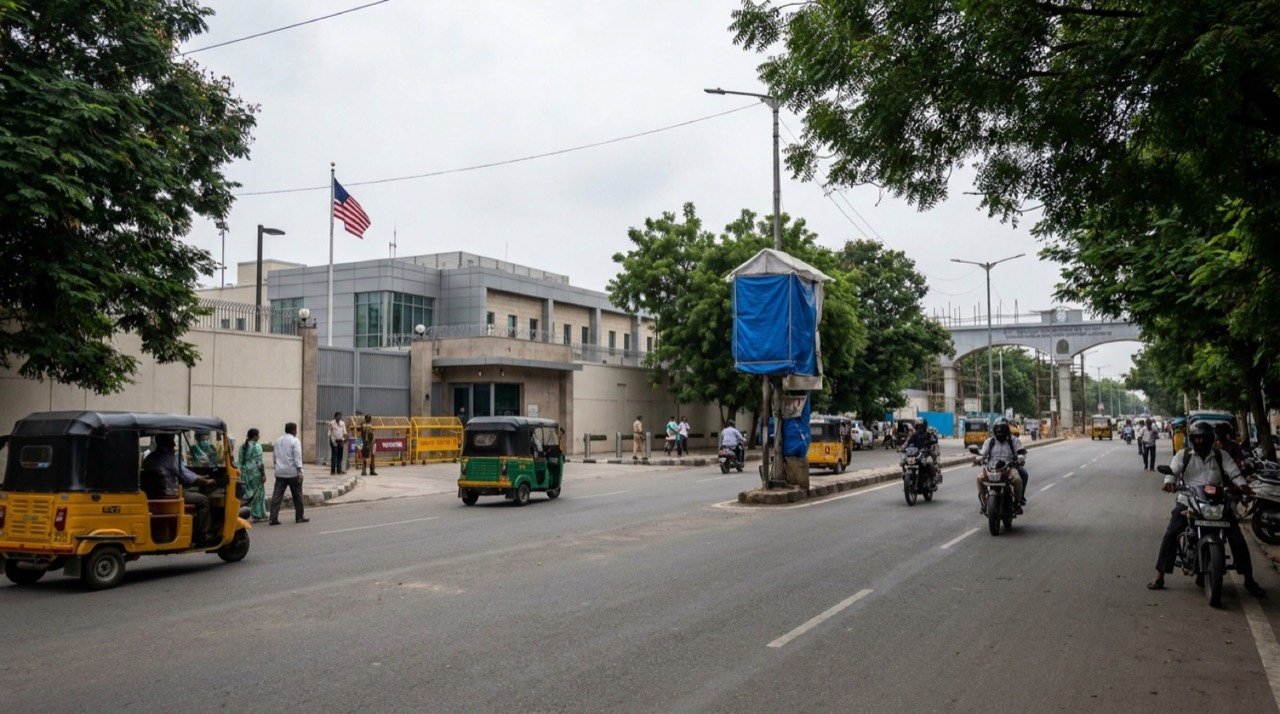
Telangana's Donald Trump Avenue Plan Spotlights Hyderabad's Branding Push
Telangana is set to unveil a Donald Trump Avenue near Hyderabad's US Consulate, a symbolic naming the state casts as part of its drive to brand the city as a global innovation hub.
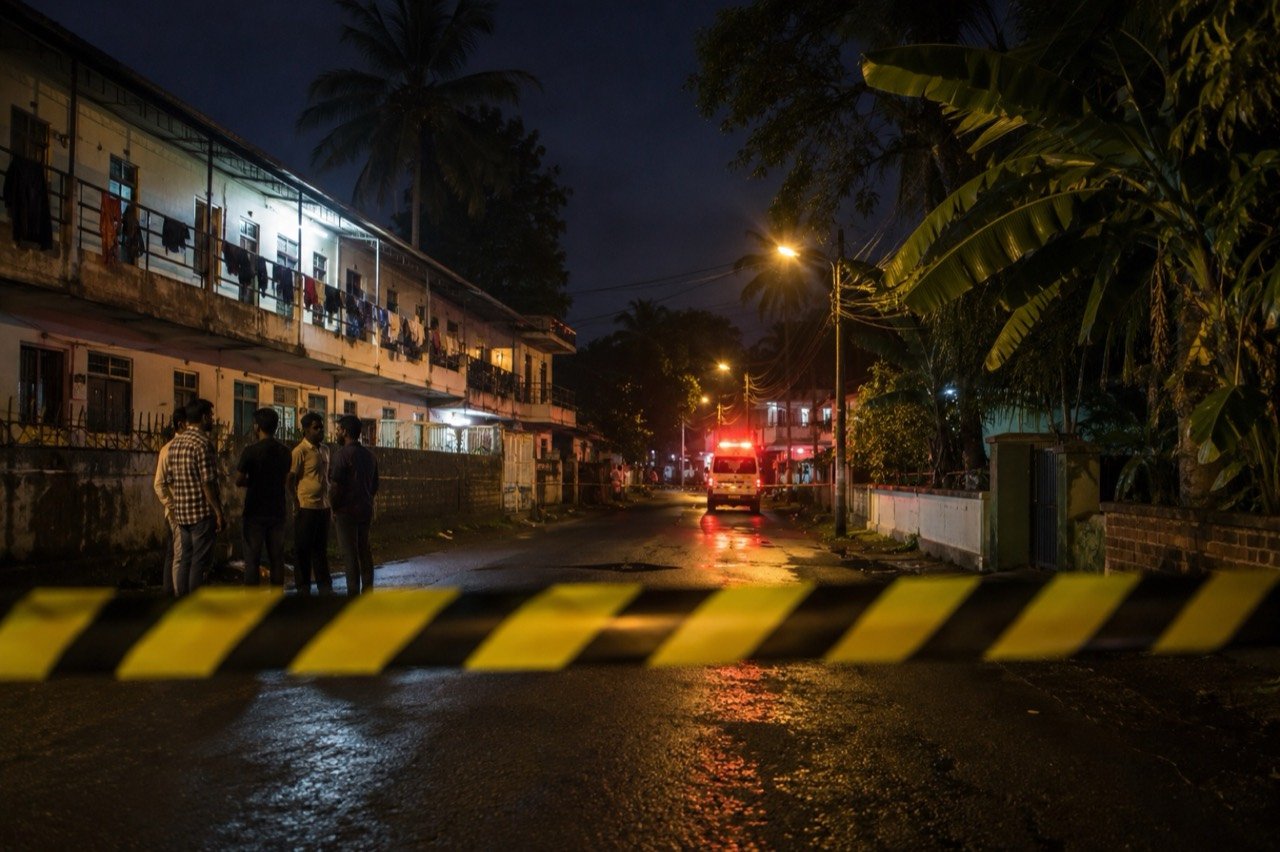
Odisha Migrant Worker's Death in Thrissur Exposes Hidden Exploitation Risks for India's Internal Migrants
The death of 27-year-old Danpat Naik after an alleged assault in Kerala's Thrissur district has spotlighted migrant vulnerability, informal lodging networks and the dangers facing workers far from home.
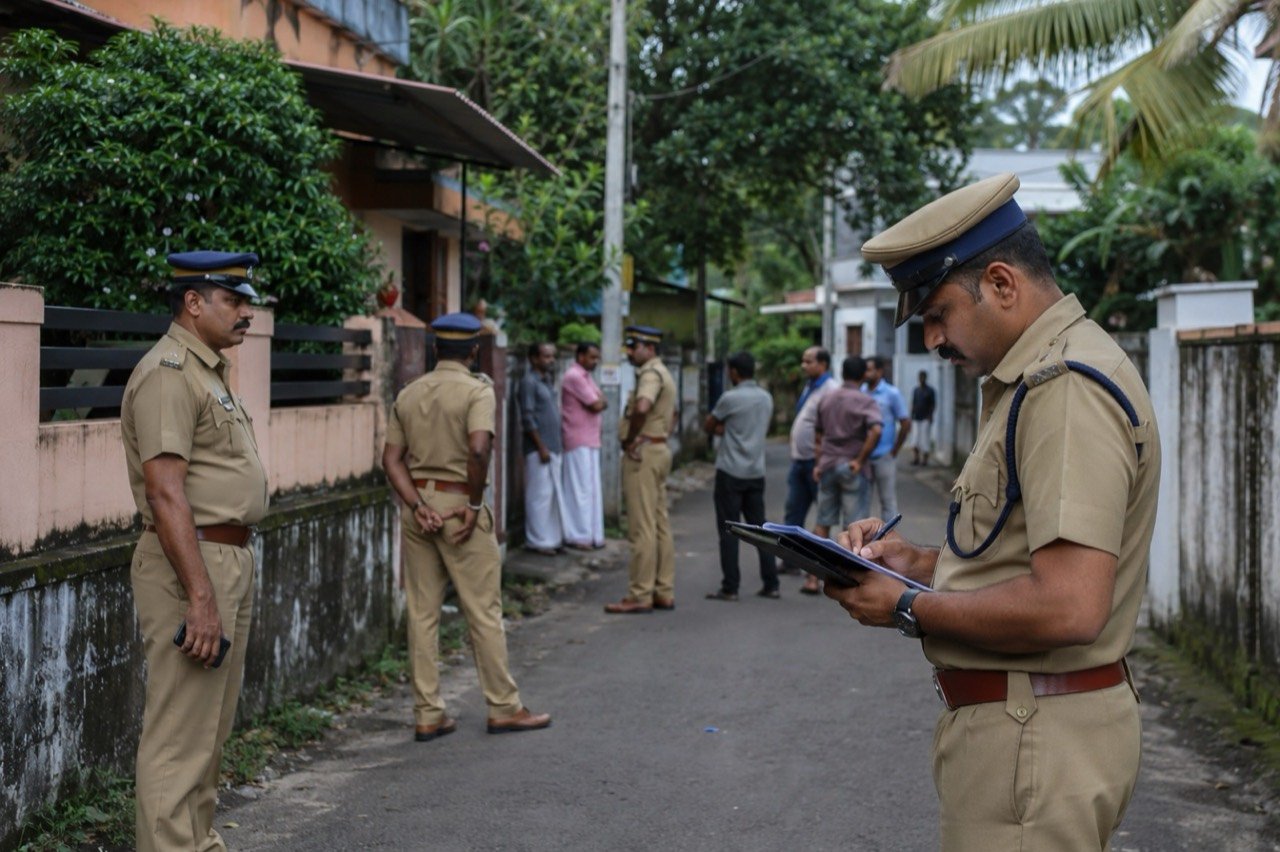
Thrissur Fatal Assault Exposes Alleged Brothel Probe in Kerala
The death of a 27-year-old Odisha migrant in Thrissur after a payment dispute has uncovered an alleged prostitution centre run from a rented house, raising hard questions about migrant safety and local policing.
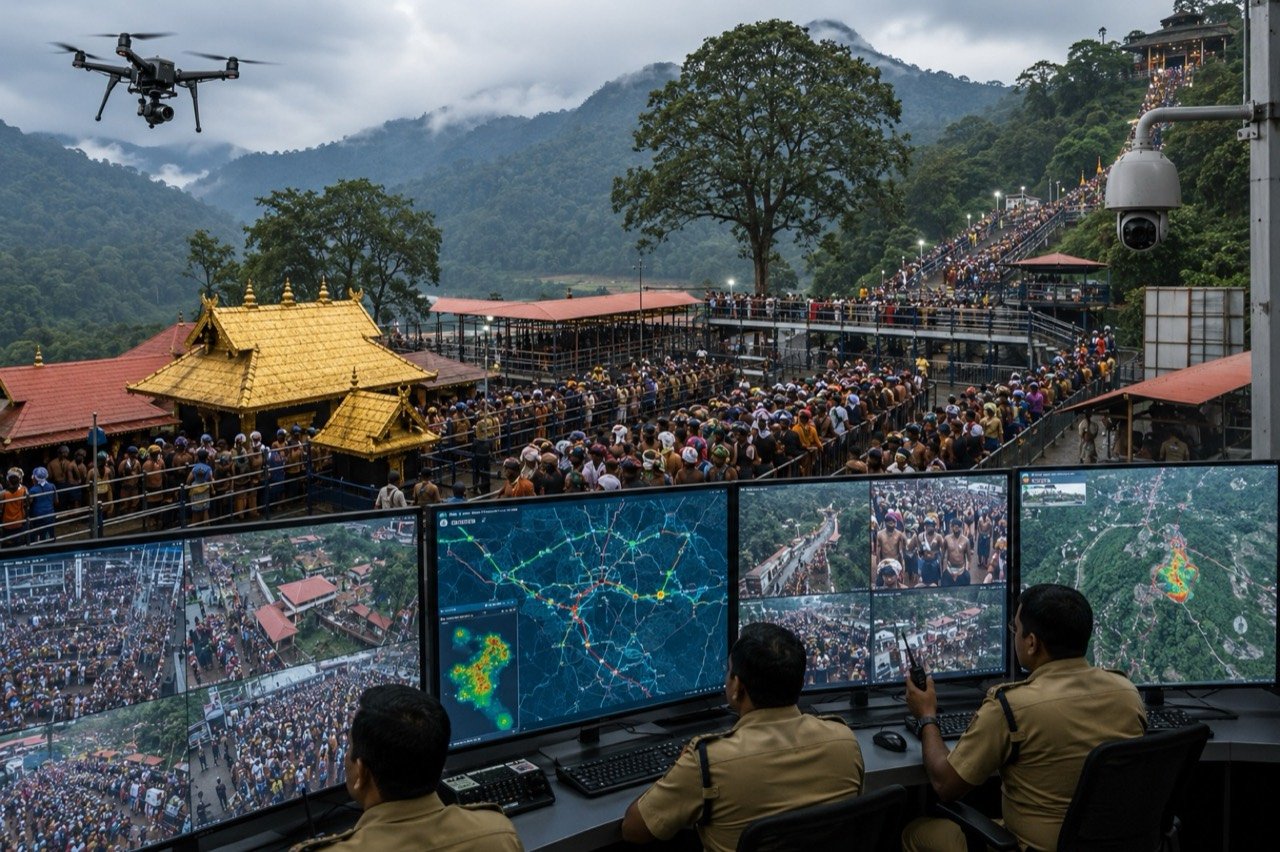
Sabarimala to Get AI-Powered Crowd Control for 2026 Pilgrimage Season
Kerala temple authorities are readying an AI-enabled system of smart cameras, drones and GIS mapping to monitor crowds and predict congestion at Sabarimala ahead of the busy pilgrimage season.
More from this section
More
AICTE Industry Fellowship 2026: Rs 1.5 Lakh Scheme Closes July 5
The AICTE Industry Fellowship Programme 2026, which places technical-education faculty inside leading companies on a Rs 1.5 lakh monthly stipend, reached its application deadline on July 5.

Bay of Bengal Low Pressure System Revives Monsoon Over Western India
A low-pressure system over the Bay of Bengal has pushed the monsoon back into an active phase, bringing steady heavy rain to Kerala, coastal Karnataka and Maharashtra, and putting Mumbai and Pune on preparedness watch.
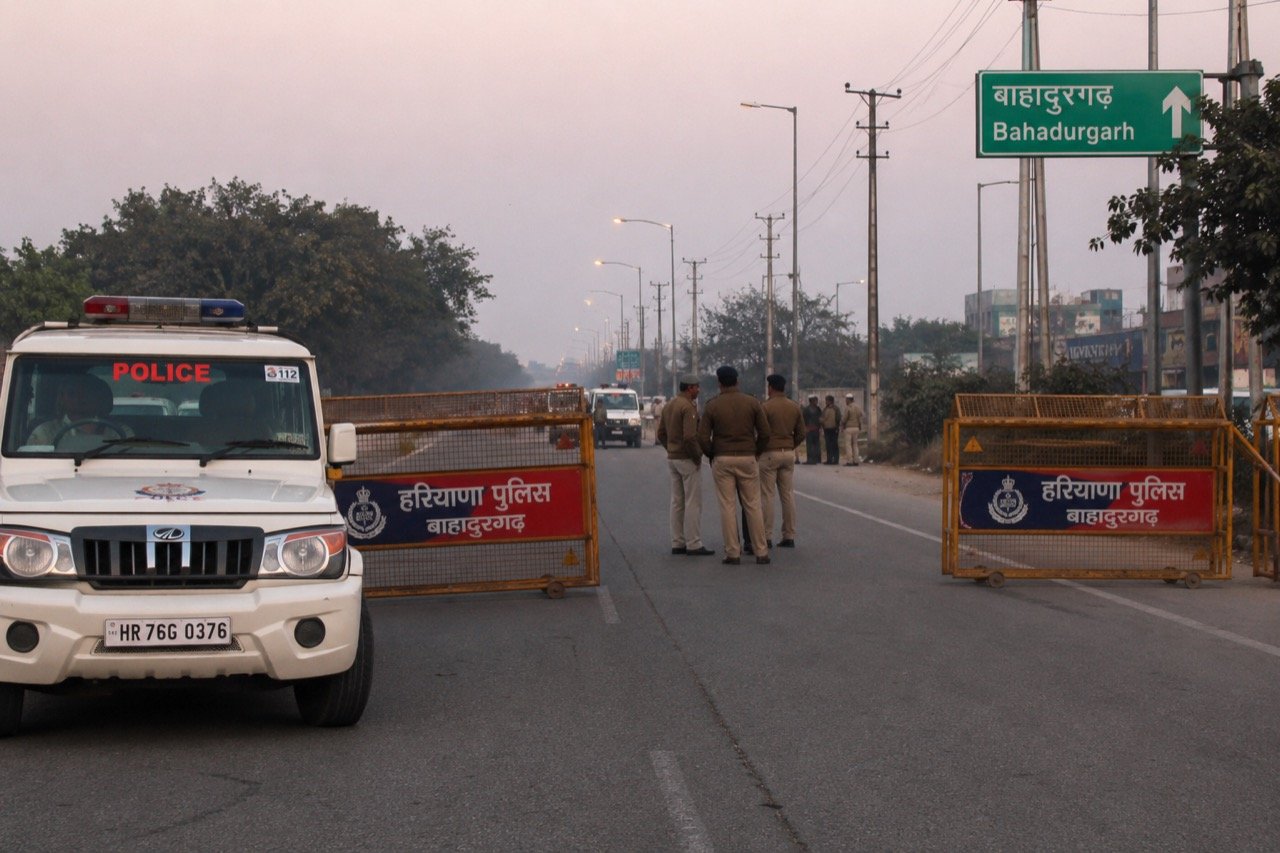
Bishnoi Gang Suspects Injured in Haryana Encounter as Police Tighten Net
A joint Haryana-Delhi Police operation in Bahadurgarh left two suspected Lawrence Bishnoi gang members injured, spotlighting the multi-state coordination now central to India's fight against organised crime networks.